Introduction
In just a few decades, the world of esports has transformed from small gatherings of passionate gamers into a multi-billion-dollar global industry. What was once dismissed as a niche pastime has now become a mainstream cultural force, commanding massive audiences, professional athletes, sponsorship deals, and international tournaments that rival traditional sports in both excitement and economic scale. The rise of esports reflects not only the growth of video gaming but also the broader digital revolution that has reshaped entertainment, communication, and community in the 21st century.
Esports, short for electronic sports, refers to competitive video gaming where individuals or teams face off in organized events. From the early days of arcade competitions to the grand stages of global championships, esports has continuously evolved, driven by technological advancement, cultural acceptance, and the relentless passion of gamers around the world. This blog explores the fascinating history, development, challenges, and cultural significance of esports — a field that continues to blur the boundaries between play and profession.
The Origins of Competitive Gaming
The story of esports begins long before high-definition graphics and streaming platforms. Competitive gaming can be traced back to the 1970s when video games themselves were still in their infancy. One of the earliest recorded competitions took place in 1972 at Stanford University, where students competed in the game “Spacewar!” for a prize of a year’s subscription to Rolling Stone magazine. It was a modest start, but it planted the seed for what would become a global phenomenon.
By the 1980s, the popularity of arcade games such as Pac-Man, Donkey Kong, and Space Invaders inspired local and national competitions. The rise of arcades brought gamers together, and high score leaderboards became a measure of skill and prestige. The 1980 Space Invaders Championship attracted over 10,000 participants across the United States, marking one of the first large-scale gaming tournaments in history. These early events laid the foundation for a culture of competition, recognition, and community among gamers.
The 1990s introduced a new era with the advent of home gaming consoles and personal computers. Titles like Street Fighter II and Quake helped define early competitive gaming, while local area network (LAN) parties allowed players to face off directly with one another. Games like StarCraft in South Korea and Counter-Strike in Europe and North America became catalysts for organized tournaments, setting the stage for the modern esports ecosystem.
The Rise of Professional Esports
The turn of the millennium brought significant technological and cultural shifts that transformed esports from hobbyist gatherings into professional competitions. The internet made it possible for players to compete across the globe, while streaming platforms and online communities connected fans like never before. Professional leagues began to form, complete with teams, coaches, sponsors, and media coverage.
South Korea played a pioneering role in this transformation. In the early 2000s, StarCraft became a national phenomenon, broadcast on dedicated television channels and supported by major corporate sponsors. Professional gamers were treated like celebrities, earning salaries and endorsements. This model inspired other regions to develop their own professional gaming structures, and soon esports began expanding into various genres — from first-person shooters and strategy games to sports simulations and battle arenas.
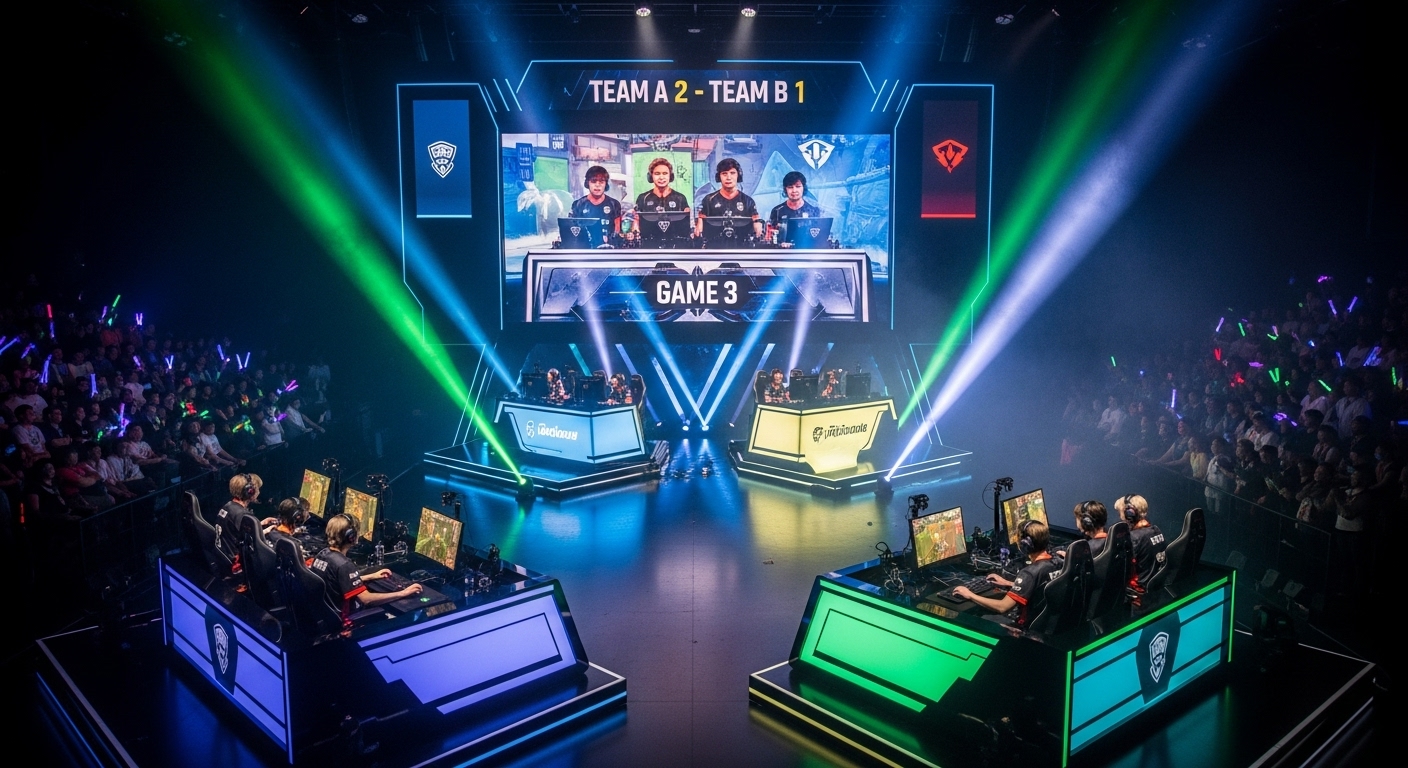
Games such as League of Legends, Dota 2, and Counter-Strike: Global Offensive became cornerstones of the modern esports scene. These titles attracted millions of players and viewers, with tournaments offering multi-million-dollar prize pools. Events like The International for Dota 2 and the League of Legends World Championship showcased the scale, production value, and passion driving the industry. Esports was no longer just a pastime; it had become a legitimate career path and a global entertainment industry.
The Growth of Streaming and Online Communities
No discussion of esports would be complete without recognizing the crucial role of streaming platforms in its growth. Services like Twitch, YouTube Gaming, and later Facebook Gaming transformed how audiences engage with competitive gaming. Unlike traditional sports broadcasts, these platforms offer interactive experiences, allowing viewers to chat with players, follow live commentary, and immerse themselves in communities built around shared enthusiasm.
Streaming democratized access to esports, enabling anyone with an internet connection to watch live tournaments or follow their favorite players. It also provided new opportunities for independent gamers to build personal brands and careers. The rise of streamers blurred the line between competition and entertainment, as players not only competed professionally but also engaged audiences with their personalities and content.
This direct connection between player and fan is one of the most defining characteristics of esports culture. Online communities thrive on collaboration, shared experiences, and constant communication. Fans don’t just watch; they participate, analyze strategies, and even contribute financially through donations, subscriptions, and crowdfunding for tournaments. The relationship between esports athletes and their audiences represents a modern, digital form of fandom that continues to grow more influential each year.
Esports as a Career Path
For many young people around the world, the idea of becoming a professional gamer has shifted from fantasy to feasible career. Esports now offers a wide range of opportunities beyond competitive play. Professional players can earn substantial incomes from salaries, prize money, sponsorships, and streaming revenue. But the ecosystem also includes coaches, analysts, managers, event organizers, commentators, and content creators — all of whom contribute to the thriving esports industry.
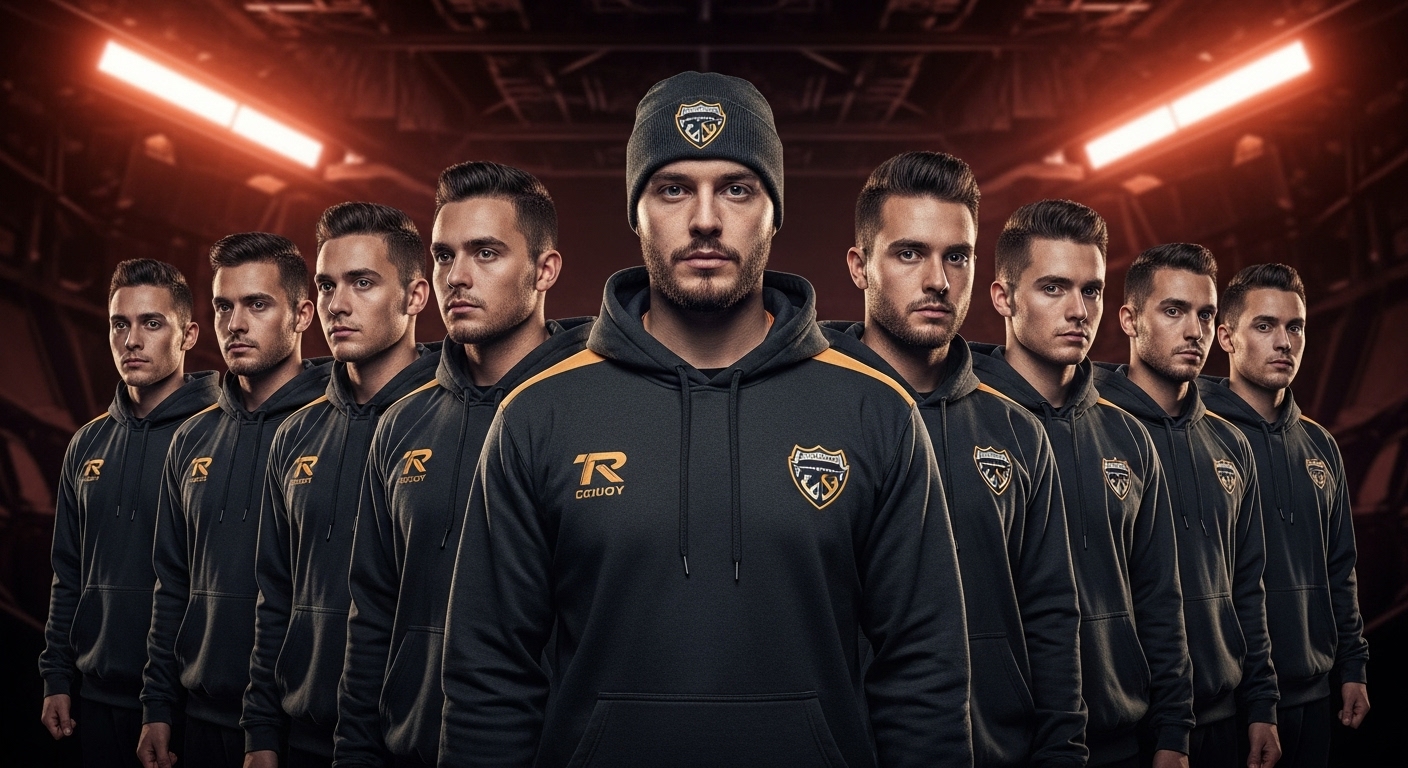
Major organizations have emerged, functioning much like traditional sports franchises. Teams such as Fnatic, Cloud9, T1, and Team Liquid manage rosters of players, sign sponsorship deals, and build global fan bases. Many teams operate training facilities where players practice under structured schedules, receive physical and mental health support, and engage in strategy sessions with coaches.
Education has also started to embrace esports. Universities and high schools in various countries now offer esports scholarships and academic programs focused on game design, event management, and digital media. These initiatives recognize the legitimacy and potential of the industry, providing pathways for young enthusiasts to turn their passion into sustainable careers.
The Economic Power of Esports
The economics of esports are astonishing. Industry analysts estimate the global esports market to be worth billions of dollars, with revenue streams coming from sponsorships, advertising, media rights, merchandise, ticket sales, and digital purchases. Major corporations across technology, energy drinks, and even traditional sports sectors invest heavily in esports partnerships, seeing the potential to reach younger, tech-savvy audiences.
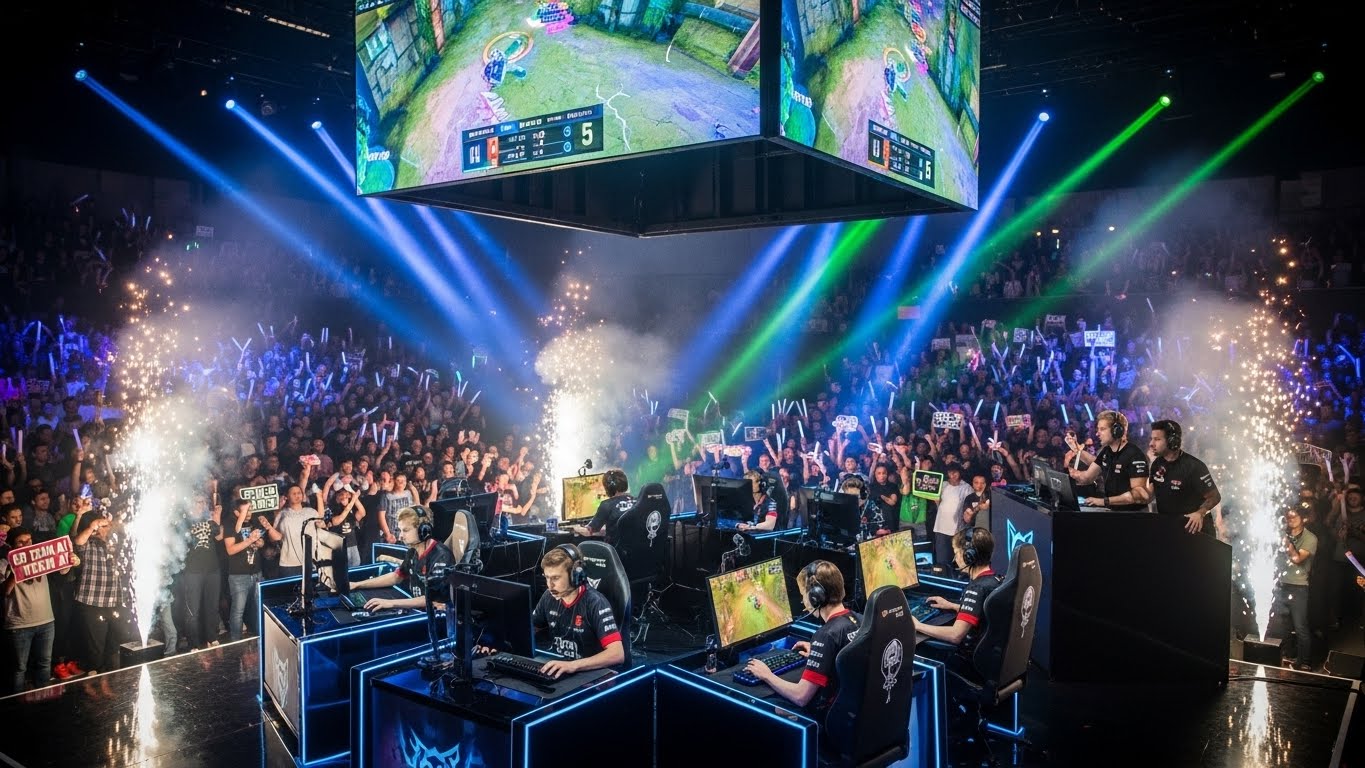
Tournaments attract massive audiences both online and in physical venues. The League of Legends World Championship regularly draws more viewers than major sports finals, with millions tuning in across multiple platforms. The Fortnite World Cup in 2019 awarded a staggering $30 million in prize money, signaling the financial potential of the industry.
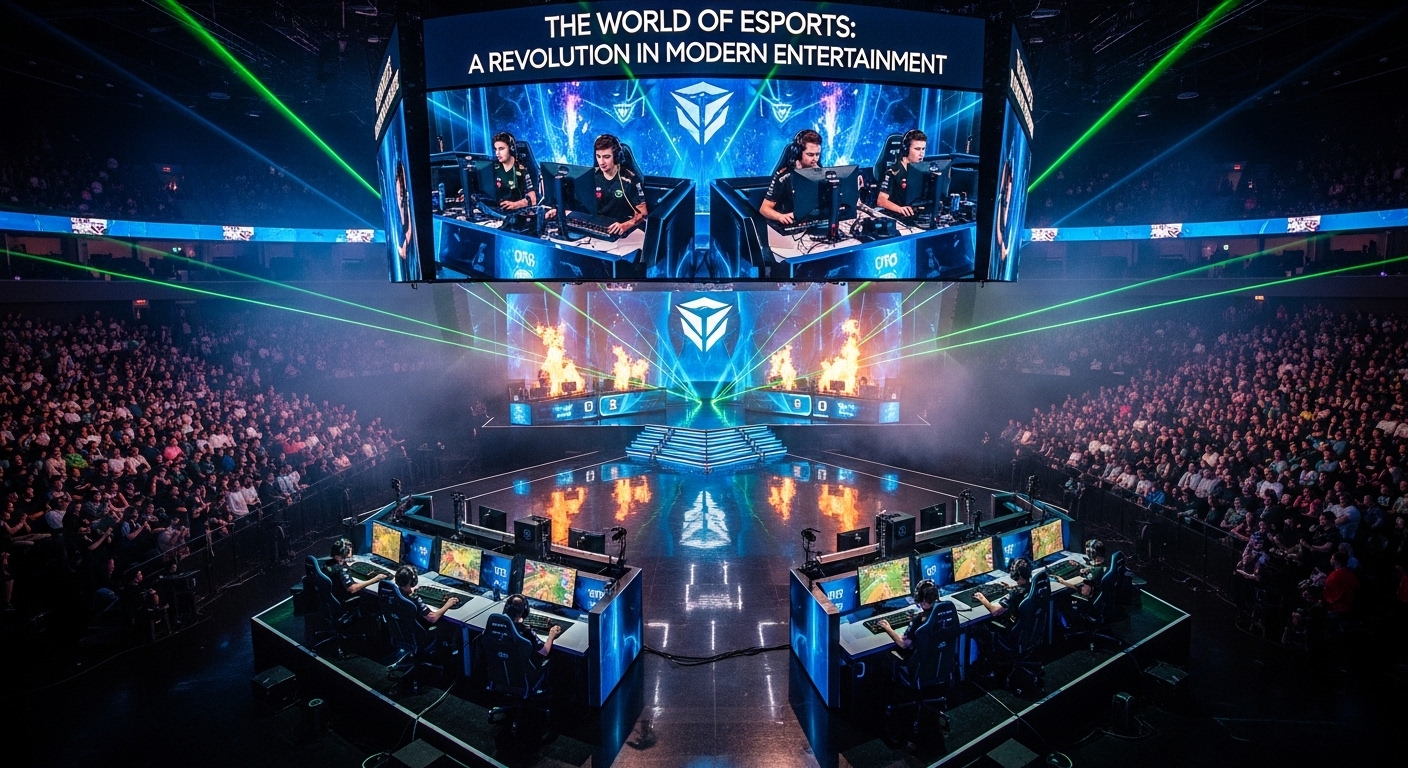
Esports events also contribute to local economies. Cities compete to host tournaments, recognizing their ability to drive tourism, hotel bookings, and global exposure. Just as traditional sports have their iconic arenas, esports now boasts world-class venues equipped with cutting-edge technology, immersive screens, and elaborate stage designs. This economic ecosystem underscores the legitimacy of esports as a pillar of the modern entertainment landscape.
Cultural Impact and Mainstream Recognition
Beyond its economic success, esports has profoundly influenced global culture. It represents the convergence of technology, entertainment, and youth culture. Esports athletes are now recognized as celebrities, commanding millions of followers on social media and inspiring younger generations. The aesthetics of gaming — from fashion to music — have seeped into mainstream culture, influencing design, media, and storytelling.
Traditional sports organizations have also taken notice. Many professional sports teams, such as those in basketball, soccer, and Formula 1, have launched their own esports divisions. These partnerships bridge the gap between digital and physical sports, introducing esports to broader audiences while offering new engagement channels for fans.
Esports has also played a significant role in fostering diversity and inclusion. Although the industry still faces challenges with representation, it provides a platform where skill, strategy, and teamwork take precedence over physical attributes. Gamers from all walks of life can compete on equal footing, transcending geographical and cultural boundaries. Online communities have become spaces for social connection, collaboration, and creativity — particularly important in an increasingly digital and globalized world.
Challenges in the Esports Industry
Despite its success, esports faces numerous challenges. One of the most significant is sustainability. The intense competition and demanding schedules can lead to burnout among players, many of whom retire at a young age due to physical or mental strain. Maintaining balance, health, and long-term well-being is a growing concern that organizations and leagues are beginning to address through structured training, counseling, and health support programs.
Another challenge lies in regulation and governance. Unlike traditional sports with unified governing bodies, esports remains fragmented, with each game publisher controlling its own competitive ecosystem. This can lead to inconsistencies in rules, tournament structures, and player rights. As the industry matures, calls for standardized regulations, player unions, and ethical guidelines have grown louder.
Toxicity and online harassment also remain issues within gaming communities. While competitive environments can be intense, fostering respect, inclusivity, and positive behavior is essential for the long-term health of esports culture. Many organizations and platforms are now investing in moderation systems and educational initiatives to create safer, more welcoming environments for players and fans alike.
The Role of Technology in Shaping Esports
Technology lies at the heart of esports. The evolution of gaming hardware, software, and network infrastructure has directly influenced how esports is played, viewed, and experienced. High-performance PCs, advanced graphics, and low-latency internet connections allow for seamless global competition. Virtual reality (VR), augmented reality (AR), and artificial intelligence (AI) are beginning to reshape how players train and fans engage with the action.
The use of analytics and data science has also become a cornerstone of competitive gaming. Teams now employ analysts to study player performance, develop strategies, and gain insights into opponents’ playstyles. Just as in traditional sports, data-driven decision-making enhances performance and raises the competitive bar.
Streaming technology continues to innovate as well. Advances in real-time broadcasting, camera integration, and interactive overlays have turned esports viewing into an immersive experience. Spectators can choose multiple camera angles, follow individual players, and engage in live discussions. The digital nature of esports makes it uniquely adaptable to technological advancement, ensuring it remains at the forefront of entertainment innovation.
The Future of Esports
Looking ahead, the future of esports appears brighter than ever. As gaming continues to expand across platforms — from consoles and PCs to mobile devices and cloud gaming — the potential for growth seems limitless. Mobile esports, in particular, has opened new frontiers in regions such as Southeast Asia, India, and Latin America, where accessibility drives participation and fandom.
Esports may also become an integral part of future Olympic and international sporting events. The International Olympic Committee has already hosted esports showcases, and discussions continue about full inclusion in future games. Such recognition would further validate esports as a legitimate athletic pursuit, combining digital skill with mental agility and teamwork.
The integration of artificial intelligence, metaverse environments, and interactive technologies could redefine how fans engage with esports. Virtual arenas, personalized viewing experiences, and enhanced interactivity may make esports even more immersive and accessible. As society continues to embrace digital transformation, esports stands poised to remain a central pillar of global entertainment.
Conclusion
From its humble beginnings in university labs and local arcades to the grand arenas of global championships, esports has undergone a remarkable journey. It has redefined competition, community, and culture for a new generation raised in the digital age. More than just a form of entertainment, esports represents innovation, inclusivity, and the boundless creativity of human connection through technology.
The industry continues to grow, evolve, and inspire. Whether through the cheers of fans in massive arenas, the quiet focus of a player perfecting their craft, or the global audience united by a shared passion for gaming, esports stands as a testament to how far digital culture has come — and how much further it can go.
In the end, esports is more than a game; it is a mirror of modern society — fast, interconnected, and ever-evolving. Its impact on technology, economy, and culture will continue to shape the world for generations to come. And as we look to the future, one thing is clear: the game is far from over.