Esports has rapidly transformed from a niche hobby into a global phenomenon that rivals traditional sports in popularity, viewership, and revenue. What was once considered a pastime for casual gamers is now a professional industry with millions of fans, multimillion-dollar tournaments, and players who are celebrated like conventional athletes. This blog explores the evolution of esports, its economic and cultural impact, technological drivers, challenges, and the promising future of competitive gaming.
The Origins and Evolution of Esports
The roots of competitive gaming trace back to the early 1980s when arcade games like Pac-Man and Space Invaders hosted tournaments for players. These events were often small and localized, but they planted the seeds for organized competitive gaming. The 1990s saw the rise of multiplayer computer games such as StarCraft, Quake, and Counter-Strike, which allowed players to compete across networks.
South Korea emerged as a pioneer in professional gaming, particularly in the late 1990s and early 2000s. Esports became mainstream, with televised competitions and full-time professional players earning salaries. The introduction of broadband internet and online gaming platforms allowed tournaments to reach global audiences, turning gaming into a spectator sport.
Modern esports spans a variety of genres, from first-person shooters like Call of Duty and Counter-Strike to multiplayer online battle arenas like League of Legends and Dota 2. Battle royale games such as Fortnite and Apex Legends have also contributed to the explosive growth of esports, creating new opportunities for professional competition.
The Esports Ecosystem
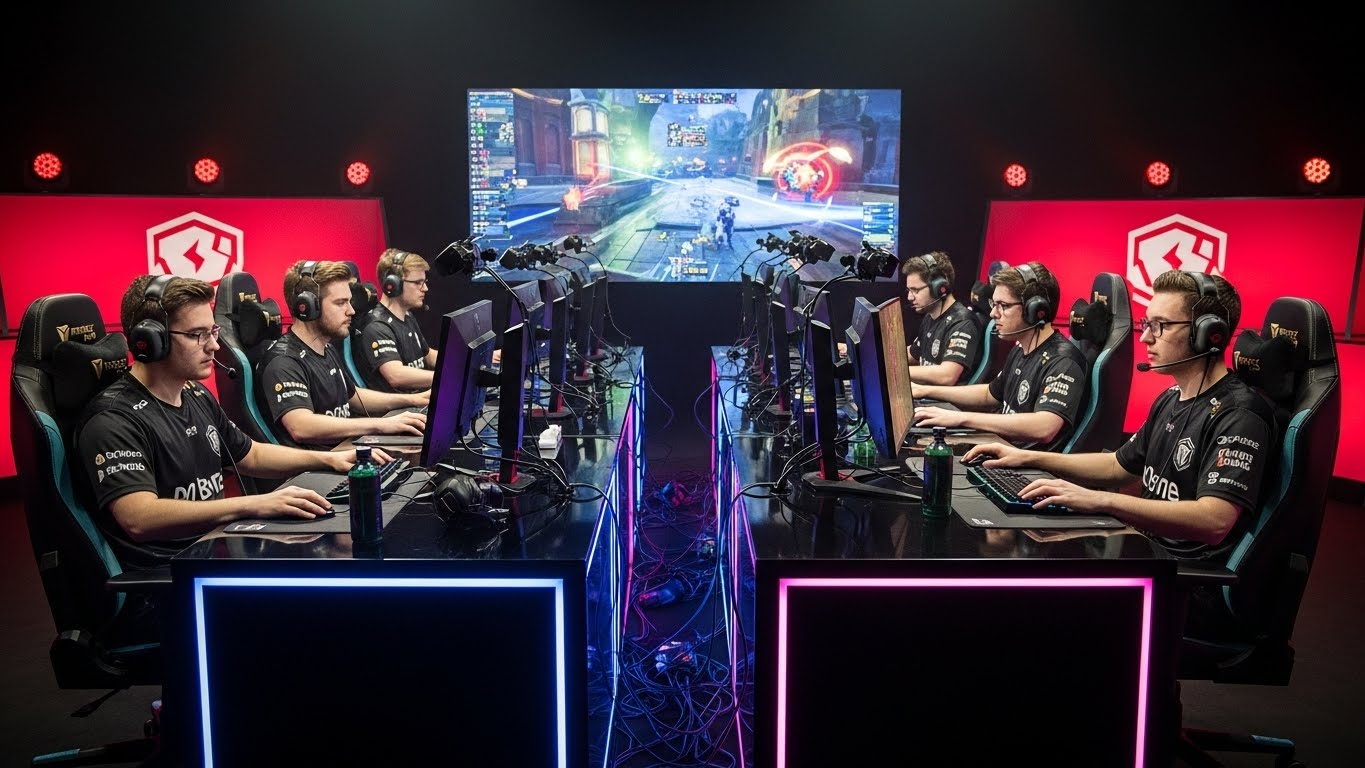
Esports is much more than just players competing in a game. It is a vast ecosystem that includes professional teams, tournament organizers, broadcasters, coaches, analysts, content creators, and sponsors. Teams like Cloud9, T1, G2 Esports, and Fnatic operate like traditional sports franchises, complete with training facilities, coaching staff, and performance analytics.
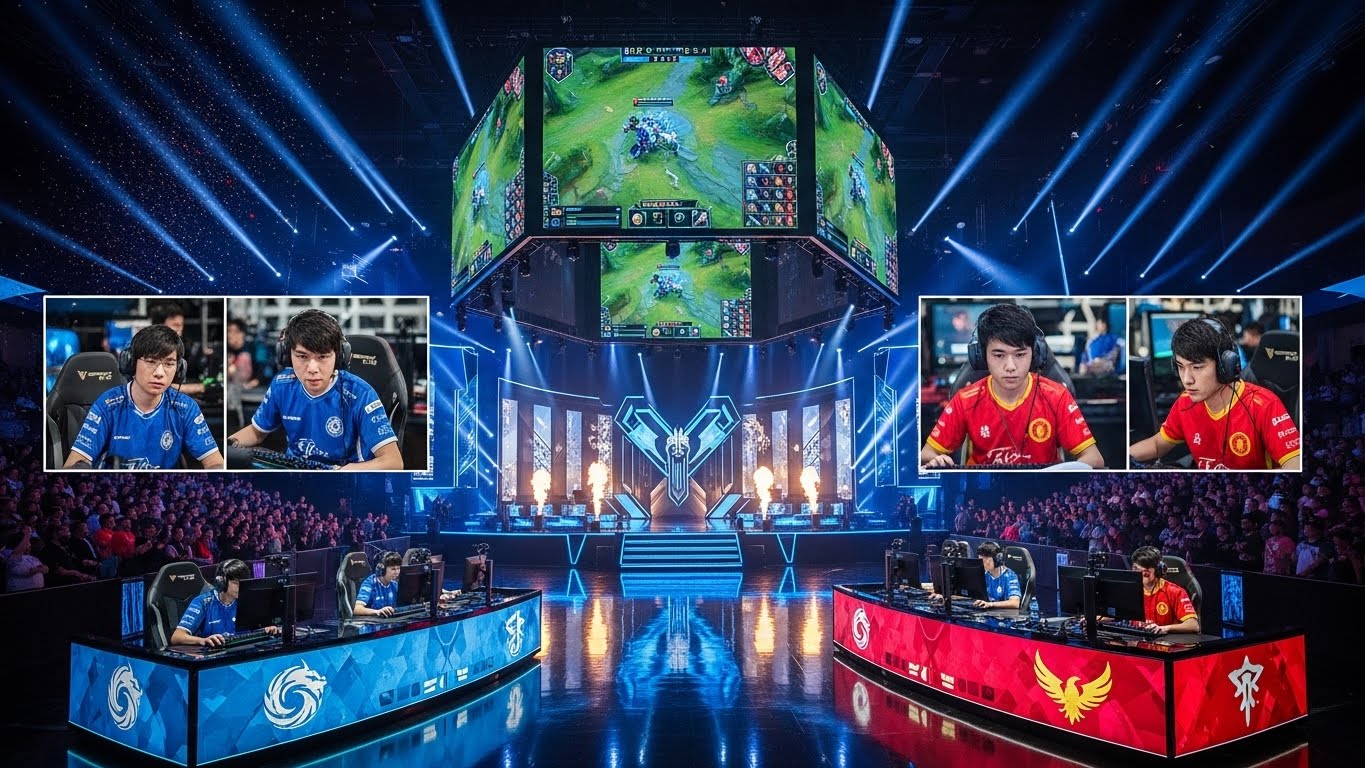
Tournament organizers such as ESL, DreamHack, and Riot Games host events with prize pools that can exceed millions of dollars. These tournaments are watched by millions of viewers online and in live stadiums, creating a vibrant and profitable market for esports events.
Sponsorships and brand partnerships are vital to the ecosystem. Companies invest in teams, tournaments, and players to reach the highly engaged and digitally native audience of esports fans. Merchandising, including jerseys, peripherals, and branded apparel, adds another revenue stream, further solidifying esports as a lucrative industry.
Technology Driving Esports Growth
Technology is at the heart of esports’ rapid growth. High-performance gaming hardware, including ultra-fast monitors, specialized keyboards, and advanced graphics cards, enables players to perform at their peak. Low-latency internet connections are crucial for fair and competitive gameplay, particularly in fast-paced games where milliseconds can determine the outcome.
Streaming platforms have revolutionized the way audiences engage with esports. Viewers can watch live tournaments, follow favorite players, and interact with communities in real time. Virtual and augmented reality technologies are beginning to enhance both player performance and viewer experiences, creating immersive digital environments for competition.
Artificial intelligence and data analytics are increasingly used in professional esports. AI can analyze gameplay patterns, track performance metrics, and identify strategic advantages. Machine learning also helps with matchmaking, ensuring balanced competitions and fair play across different skill levels.
Esports as a Spectator Sport
Esports has become a mainstream form of entertainment, attracting millions of viewers worldwide. Unlike traditional sports, esports offers multiple ways to engage audiences. Fans can watch live tournaments, catch highlights on streaming platforms, follow team channels, and participate in community discussions.
Professional commentators, known as casters, play a critical role in creating an engaging experience. They provide real-time analysis, strategic insight, and narrative storytelling, turning matches into compelling spectacles. The combination of high-level gameplay, commentary, and audience interaction creates an ecosystem that rivals traditional sports in terms of excitement and viewer loyalty.
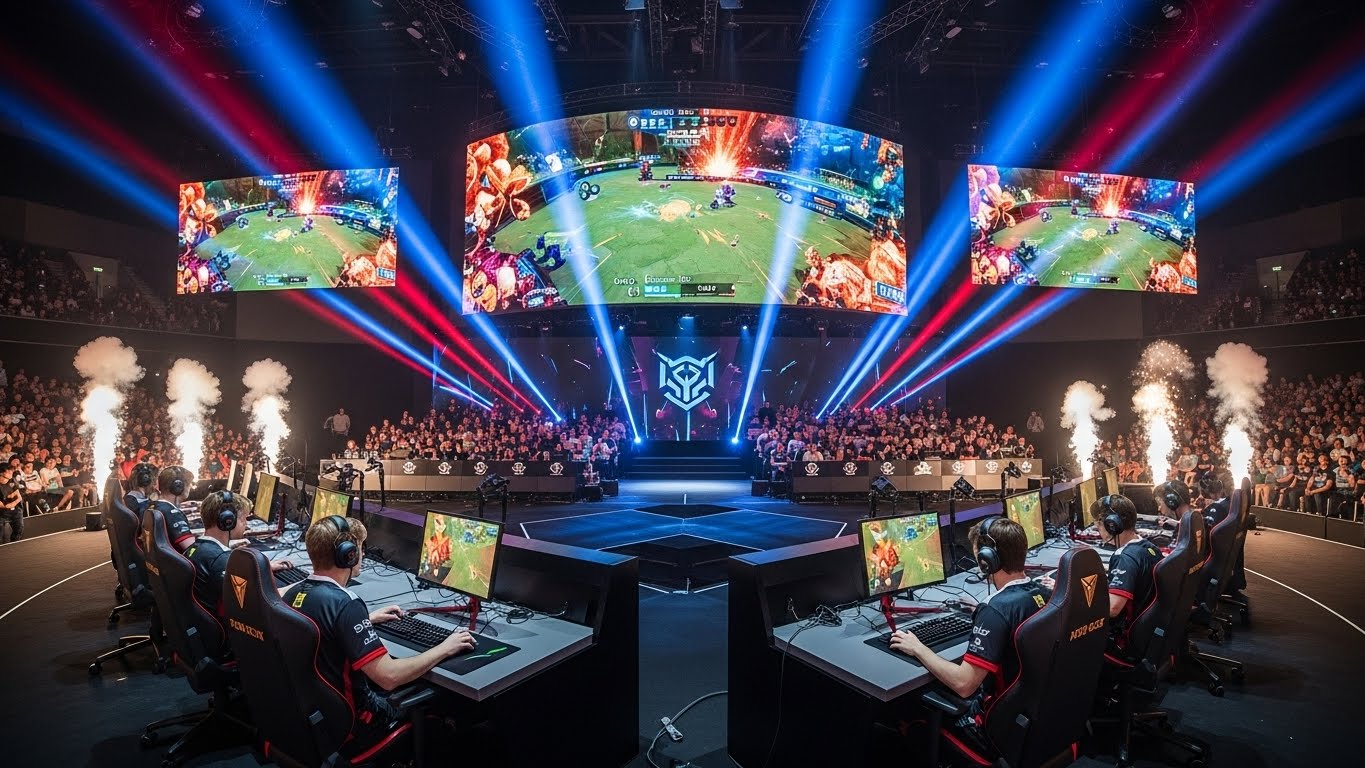
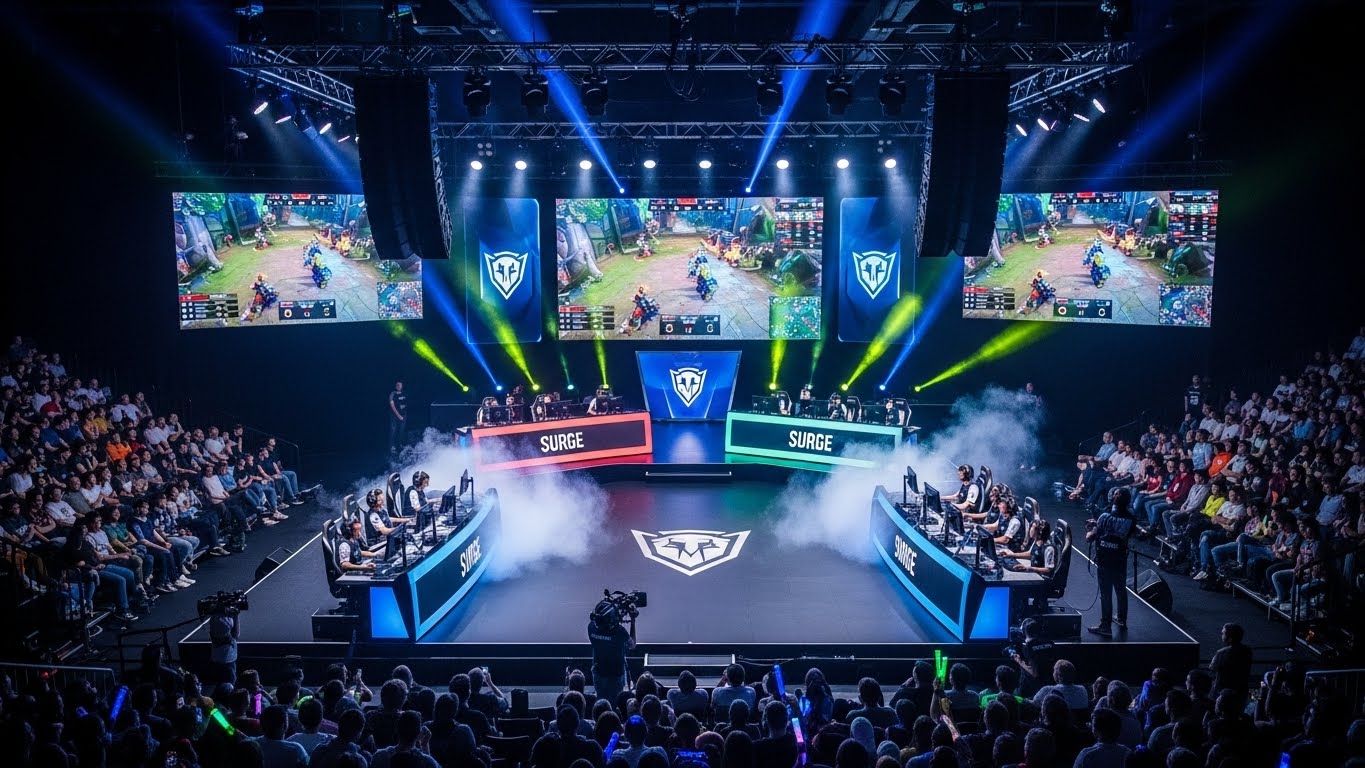
Major esports tournaments now fill arenas, with tens of thousands of spectators attending live events. Global events like the League of Legends World Championship, The International for Dota 2, and Fortnite World Cup demonstrate the immense popularity and economic potential of esports.
The Economic Impact of Esports
Esports is a multi-billion-dollar industry with a diverse revenue model. Beyond tournament prize pools, the industry generates income through sponsorships, advertising, media rights, merchandising, and ticket sales. Teams and players earn significant salaries, while organizations profit from brand partnerships and event hosting.
The economic influence of esports extends beyond professional players. Analysts, coaches, content creators, marketing specialists, and event organizers contribute to the industry’s growth, creating a wide range of job opportunities. Universities and training academies are now offering courses and scholarships in esports management, game design, and digital media, emphasizing the legitimacy of esports as a professional career path.
Social and Cultural Impact
Esports has a profound social and cultural impact, particularly among younger generations. Online gaming communities foster social interaction, teamwork, and communication skills. Multiplayer games often require strategy, coordination, and leadership, which translate into real-world competencies.
Esports is also becoming a platform for inclusivity. Female players, individuals from diverse backgrounds, and players with disabilities are gaining visibility and success in competitive gaming. While challenges remain, such as gender inequality and toxicity in online spaces, esports continues to make strides in promoting diversity and representation.
Furthermore, esports has influenced education and lifestyle trends. Schools and universities are incorporating esports programs, while players often become content creators, influencers, and role models in their communities. The culture of esports emphasizes skill, dedication, and creativity, reshaping perceptions of gaming as more than just entertainment.
Challenges Facing Esports
Despite its growth, esports faces several challenges. Player health is a major concern. Long hours of practice, high-pressure competition, and sedentary lifestyles can lead to burnout, stress, and physical strain. Professional organizations are increasingly prioritizing wellness programs, including fitness regimens, mental health support, and structured practice schedules.
Regulatory and ethical issues also pose challenges. Cheating, match-fixing, doping, and copyright infringement threaten the integrity of competitions. Ensuring fair play, transparency, and accountability is essential for the credibility and long-term sustainability of the industry.
Societal perceptions of esports remain mixed. While the industry is gaining recognition, some still view gaming as a leisure activity rather than a legitimate career. Advocating for esports as a professional and cultural pursuit is critical to overcoming these biases.
The Future of Esports
The future of esports is bright and full of innovation. Advancements in technology, including 5G networks, cloud gaming, and virtual reality, will make esports more accessible and immersive. AI-driven analytics will enhance training and strategy, while new game genres and formats will expand the scope of competition.
Globalization will continue to shape esports. Emerging markets in Asia, Europe, and North America provide opportunities for cross-border competitions, international leagues, and diverse fan communities. As the industry matures, esports may adopt structures similar to traditional sports, with standardized rules, governing bodies, and long-term career pathways for players.
Esports also has the potential to influence broader societal trends. Its emphasis on strategy, creativity, teamwork, and digital literacy aligns with the skills required in the modern workforce. By integrating technology and community engagement, esports may redefine how people learn, work, and connect in the digital era.
Conclusion: Esports as a Cultural and Economic Force
Esports has transformed competitive gaming into a global cultural and economic powerhouse. It combines entertainment, technology, and community, creating opportunities for professional players, organizations, and fans alike. The rise of esports reflects broader trends in media, technology, and society, challenging traditional notions of sports and careers.
With responsible growth, inclusive practices, and continued technological innovation, esports is poised to become an even more central part of global entertainment and culture. It is not just a game; it is a dynamic ecosystem where talent, technology, and passion converge, redefining what competition and community can look like in the 21st century.
Esports represents the future of digital entertainment, a space where players achieve greatness, communities flourish, and innovation drives new possibilities. The journey is only beginning, and its influence will continue to expand far beyond the digital screen.