Introduction: The Rise of a Digital Battleground
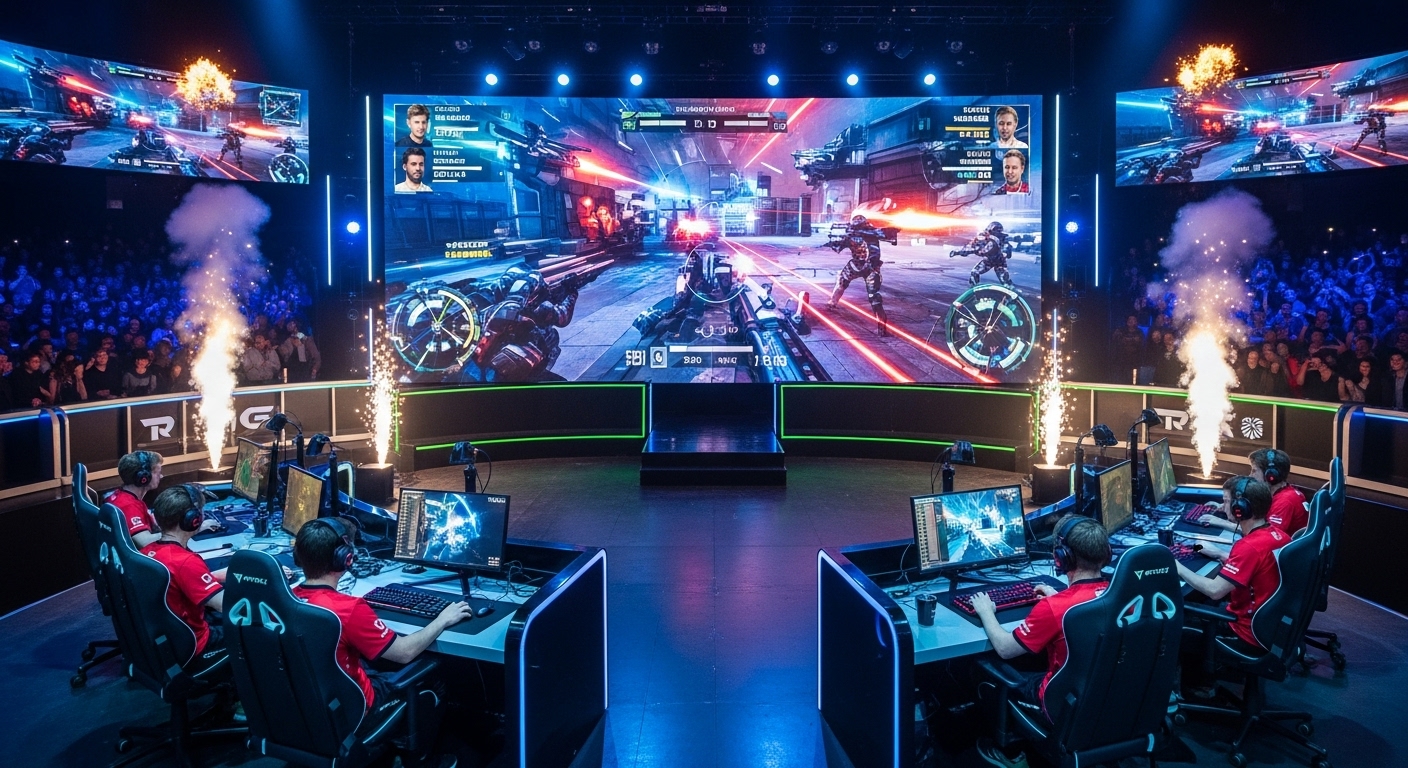
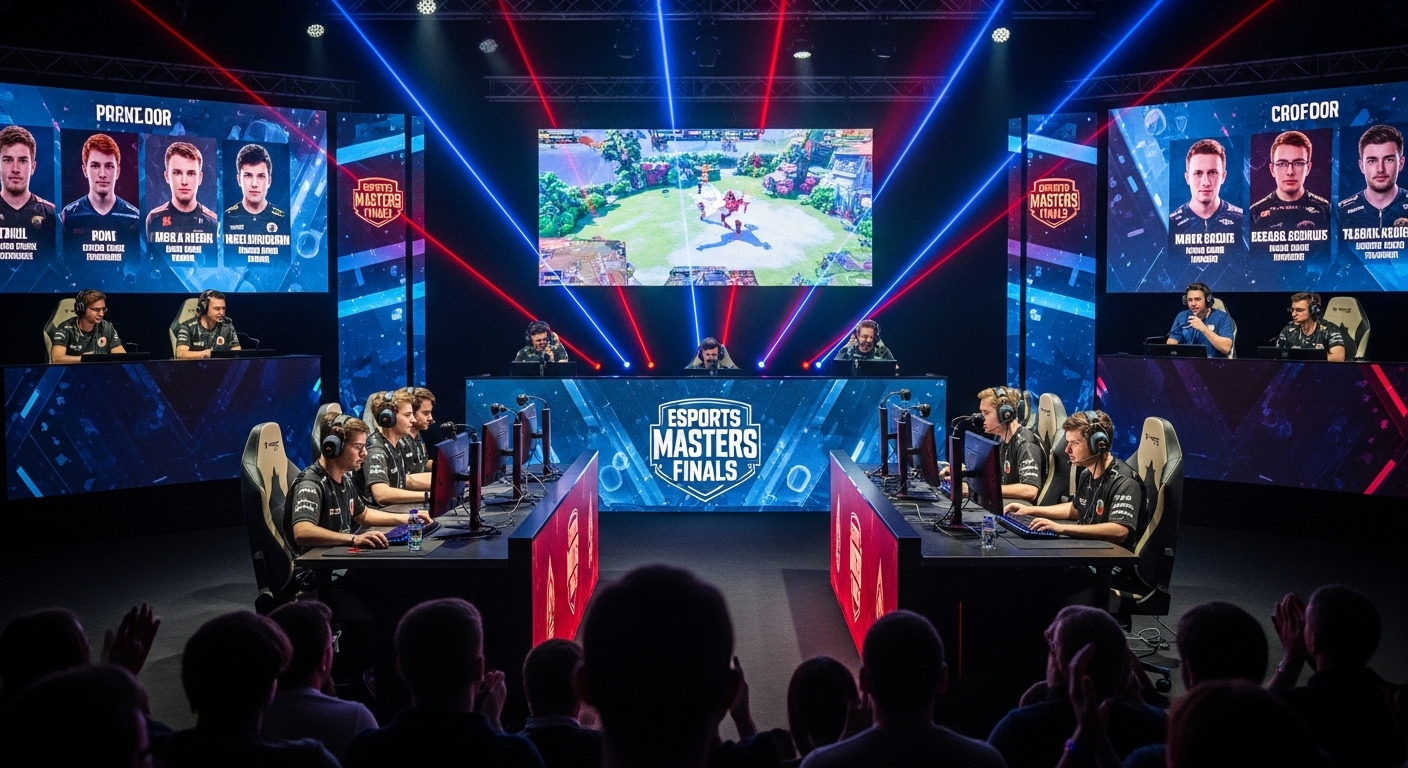
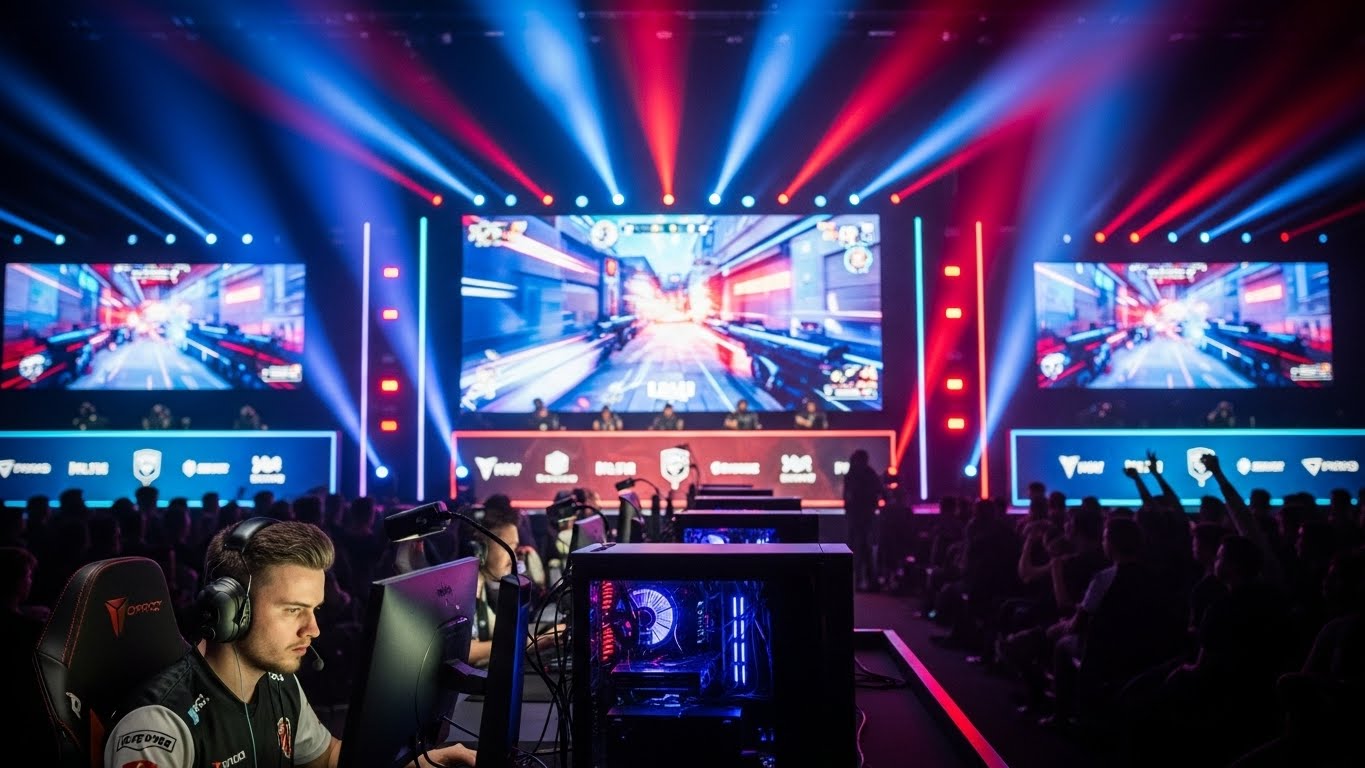
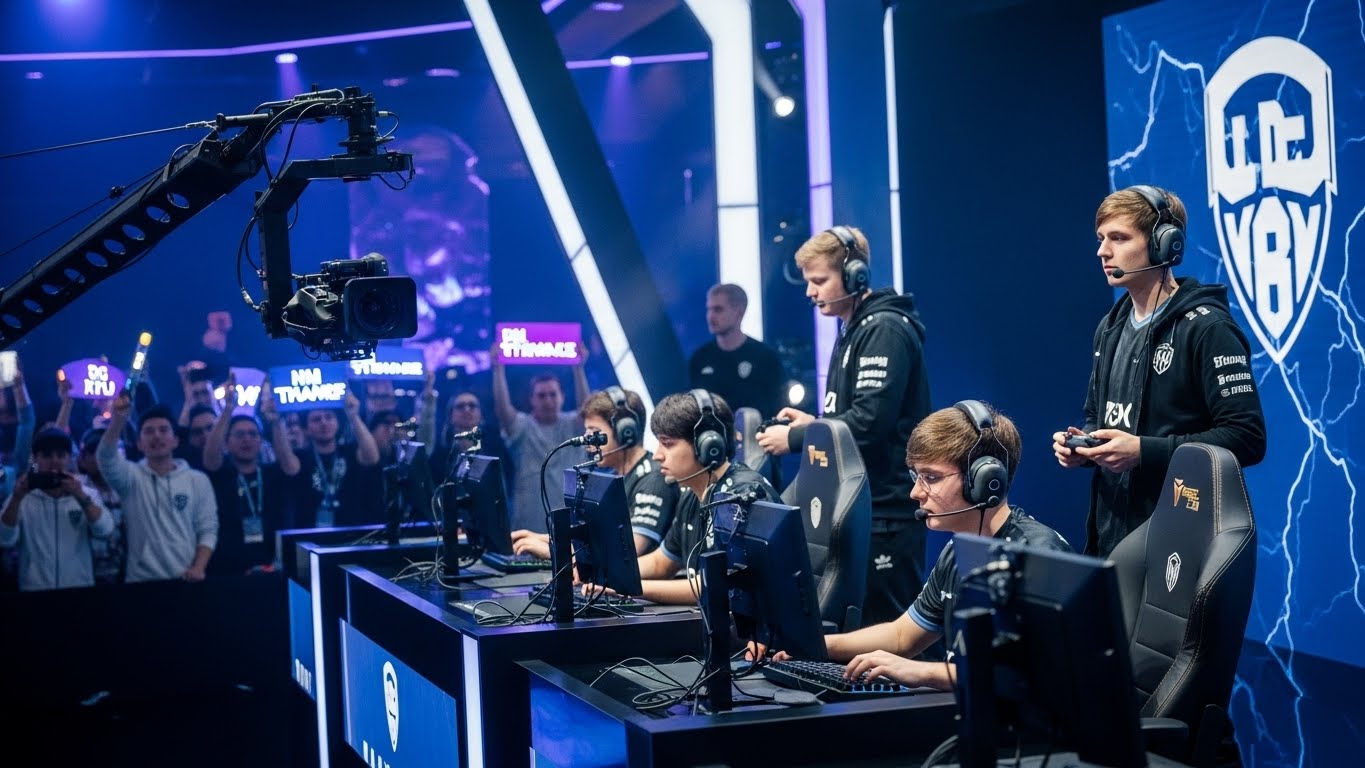
Not long ago, competitive gaming was seen as a hobby confined to bedrooms, internet cafés, and small community tournaments. Today, esports stands as a global phenomenon, filling massive arenas, attracting millions of online viewers, and creating career paths that rival those in traditional sports. Esports is no longer just about playing video games; it is about strategy, teamwork, discipline, entertainment, and an entire ecosystem built around digital competition. This blog explores how esports evolved, why it matters, and where it is headed in the modern world.
Understanding What Esports Really Is
Esports, short for electronic sports, refers to organized competitive gaming where professional or semi-professional players compete against each other in video games. These competitions can be individual-based or team-based and are often structured into leagues, seasons, and tournaments. What separates esports from casual gaming is the level of skill, preparation, and organization involved. Players train for hours daily, analyze opponents, and work with coaches, analysts, and support staff to refine their performance.
A Brief History of Competitive Gaming
The roots of esports can be traced back to the early days of video games, when players competed for high scores in arcades. As technology advanced and the internet became widespread, competitive gaming shifted online. Multiplayer games allowed players from different regions to compete in real time, laying the foundation for modern esports. Over time, tournaments grew larger, prize pools increased, and sponsors began to recognize the marketing potential of competitive gaming. What started as small gatherings eventually transformed into global events with professional standards.
Popular Esports Genres and Games
Esports is not limited to one type of game. It spans multiple genres, each offering a unique competitive experience. Multiplayer online battle arena games emphasize strategy, teamwork, and map control. First-person shooters focus on precision, reflexes, and tactical coordination. Real-time strategy games challenge players to manage resources and make split-second decisions. Sports simulation games replicate real-world athletics in a digital format. This diversity allows esports to appeal to a wide range of players and audiences.
The Professional Esports Athlete
Contrary to outdated stereotypes, professional esports players are highly disciplined individuals. Their daily routines often include practice sessions, strategy discussions, physical exercise, and mental conditioning. Reaction time, hand-eye coordination, and decision-making speed are crucial skills. Many teams employ nutritionists, psychologists, and fitness trainers to help players maintain peak performance. The competitive pressure is intense, and careers can be short, making dedication and resilience essential traits.
Esports Teams and Organizations
Esports teams function much like traditional sports franchises. They have management, coaching staff, analysts, and marketing departments. Teams recruit talent from around the world, sign players to contracts, and compete in various leagues and tournaments. Branding plays a significant role, as teams build fan bases through social media, merchandise, and live events. Successful organizations are not just focused on winning matches but also on building sustainable businesses.
The Role of Streaming and Spectatorship
One of the defining features of esports is its strong connection to online streaming. Fans watch matches live, interact with commentators, and engage with other viewers in real time. This interactive experience creates a sense of community that traditional sports often struggle to replicate. Spectators can follow their favorite players closely, learn strategies, and even influence trends within the gaming world. The accessibility of streaming has been a major driver of esports’ rapid growth.
Economic Impact and Career Opportunities
Esports has evolved into a multi-billion-dollar industry. Revenue comes from sponsorships, advertising, merchandise, ticket sales, and media rights. Beyond players, esports creates jobs for coaches, commentators, event organizers, graphic designers, marketers, and software developers. Educational institutions have also begun offering esports programs and scholarships, recognizing the industry’s potential as a legitimate career path.
Esports and Youth Culture
Esports resonates strongly with younger generations who grew up with digital technology. It reflects their interests, communication styles, and entertainment preferences. For many young people, esports provides a sense of identity and belonging. It also encourages skills such as teamwork, strategic thinking, and problem-solving. When approached responsibly, esports can be a positive influence, fostering creativity and social connection.
Challenges Facing the Esports Industry
Despite its success, esports faces several challenges. Player burnout is a significant concern due to intense schedules and high expectations. Issues such as fair play, cheating, and performance-enhancing software must be carefully managed. There are also ongoing discussions about player rights, contracts, and long-term career security. As the industry matures, addressing these challenges will be crucial for sustainable growth.
The Global Nature of Esports
Esports transcends geographical boundaries. Players and fans from different countries come together through shared passion. International tournaments highlight cultural diversity and foster global connections. This worldwide appeal sets esports apart from many traditional sports, which are often regionally concentrated. The digital nature of esports makes it accessible to anyone with an internet connection, further expanding its reach.
Technology and Innovation in Esports
Advancements in technology continue to shape esports. Faster internet speeds, improved hardware, and immersive viewing experiences enhance both gameplay and spectatorship. Data analytics plays a growing role in strategy development and performance evaluation. Virtual reality and augmented reality may further redefine how esports is played and watched in the future, pushing the boundaries of digital competition.
Esports Compared to Traditional Sports
While esports and traditional sports differ in physical demands, they share many similarities. Both require discipline, practice, teamwork, and strategic thinking. Both inspire passionate fan bases and generate significant economic activity. Esports challenges conventional definitions of sport by emphasizing mental agility over physical strength, but its competitive integrity and cultural impact are undeniable.
The Future of Esports
The future of esports looks promising. As technology continues to evolve and acceptance grows, esports is likely to become even more integrated into mainstream culture. Increased regulation, improved player welfare, and broader educational support will help legitimize the industry further. Esports may also play a role in shaping how future generations view competition, entertainment, and digital interaction.
Conclusion: A New Era of Competition
Esports represents a new chapter in the history of competition. It blends technology, creativity, and human skill into a form of entertainment that resonates with millions worldwide. What began as casual gaming has transformed into a professional, global industry with profound cultural and economic influence. As esports continues to grow, it challenges us to rethink what it means to compete, to be an athlete, and to connect through shared passion in a digital age.