Esports, or electronic sports, has evolved from a niche hobby into a global phenomenon, captivating millions of fans and transforming the gaming industry into a multi-billion-dollar enterprise. What once was perceived as a pastime for a select few has now become a legitimate form of competitive entertainment with professional players, teams, sponsorships, and international tournaments. This blog explores the journey of esports, its impact on modern culture, and why it continues to grow at an unprecedented rate.
The Origins of Esports
The origins of competitive gaming can be traced back to the 1970s and 1980s, when early video games such as Pong and Space Invaders were gaining popularity. The concept of playing for a prize or recognition began to emerge with local arcade competitions. In 1980, the Space Invaders Championship held in the United States saw thousands of participants competing for glory, marking one of the first known large-scale video game competitions.
By the 1990s, the rise of personal computers and local area networks (LANs) allowed gamers to compete more easily. Titles like Doom, Quake, and StarCraft paved the way for organized tournaments. South Korea, in particular, became a pioneer in professional gaming, with StarCraft: Brood War becoming a national obsession and laying the foundation for professional esports leagues.
The Explosion of Multiplayer Online Games
The early 2000s saw a dramatic shift with the introduction of massively multiplayer online games (MMOs) and multiplayer online battle arenas (MOBAs). Games like World of Warcraft, League of Legends, and Dota 2 offered players complex strategies, team dynamics, and competitive depth that attracted both casual and hardcore gamers. These games were not just about skill but also about teamwork, communication, and mental agility.
The growth of online gaming platforms also made esports more accessible. Players could now compete with others around the world, breaking the limitations of local competitions. This global connectivity set the stage for esports to become a worldwide phenomenon.
Esports as a Professional Career
One of the most transformative aspects of esports is its professionalization. Players today are not just hobbyists; they are athletes with rigorous training schedules, coaching staff, nutrition plans, and mental health support. Top esports athletes earn substantial incomes through tournament winnings, sponsorships, streaming, and team salaries.
Professional teams are now treated like traditional sports franchises, with management, marketing, and branding strategies. For example, the League of Legends Championship Series (LCS) and Dota 2’s The International have prize pools reaching millions of dollars, rivaling traditional sports tournaments. The legitimacy of esports as a career has inspired a new generation to pursue gaming professionally, changing the perception of gaming from a casual activity to a serious pursuit.
The Role of Streaming Platforms
The rise of platforms like Twitch, YouTube Gaming, and Facebook Gaming has significantly contributed to the growth of esports. These platforms allow fans to watch live competitions, interact with players, and follow their favorite teams. Streaming has also provided players with a way to monetize their skills directly, through subscriptions, donations, and sponsorships.
Streaming has made esports more personal and engaging. Fans are no longer just passive spectators; they are part of a community, interacting with players in real time. This engagement has helped build loyal fanbases and created a sense of culture around esports that is unparalleled in traditional sports.
Esports Tournaments and Global Events
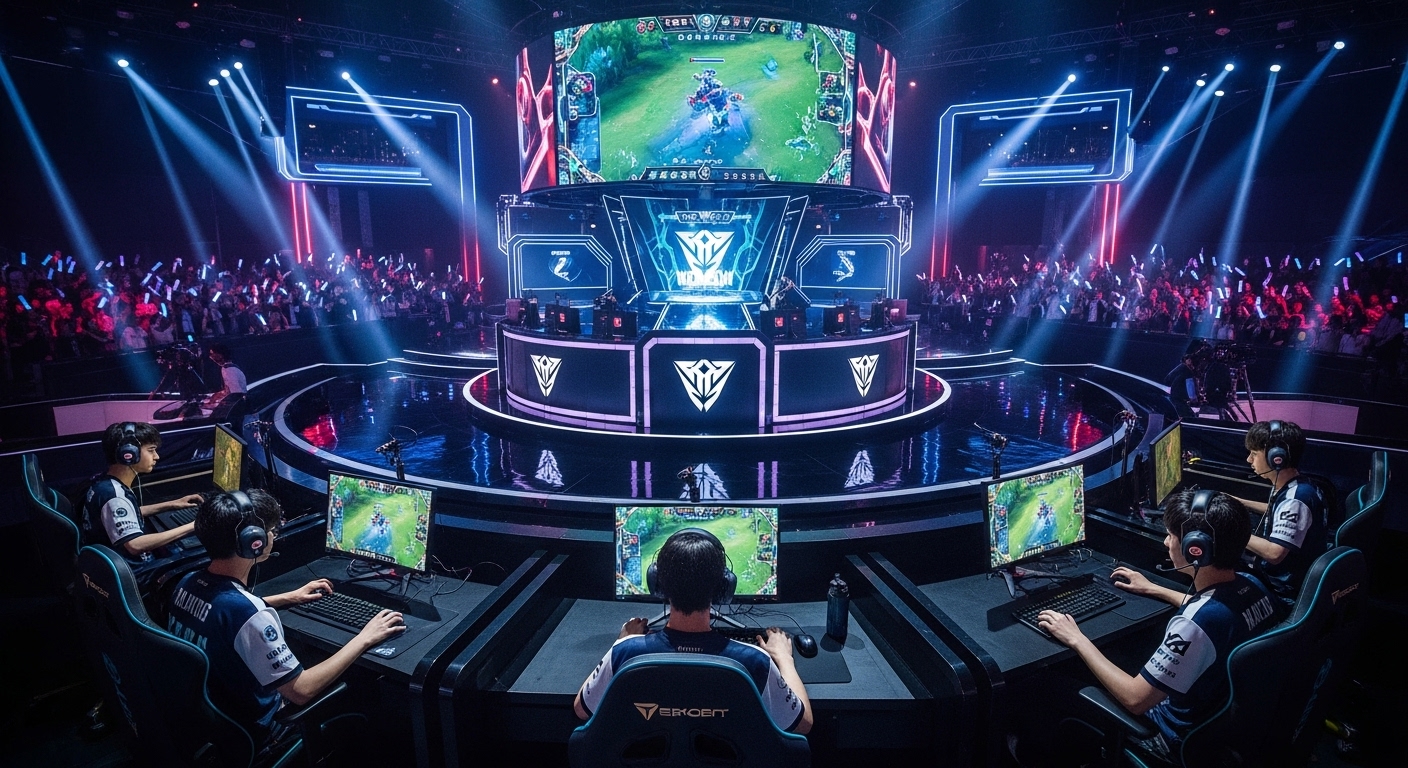
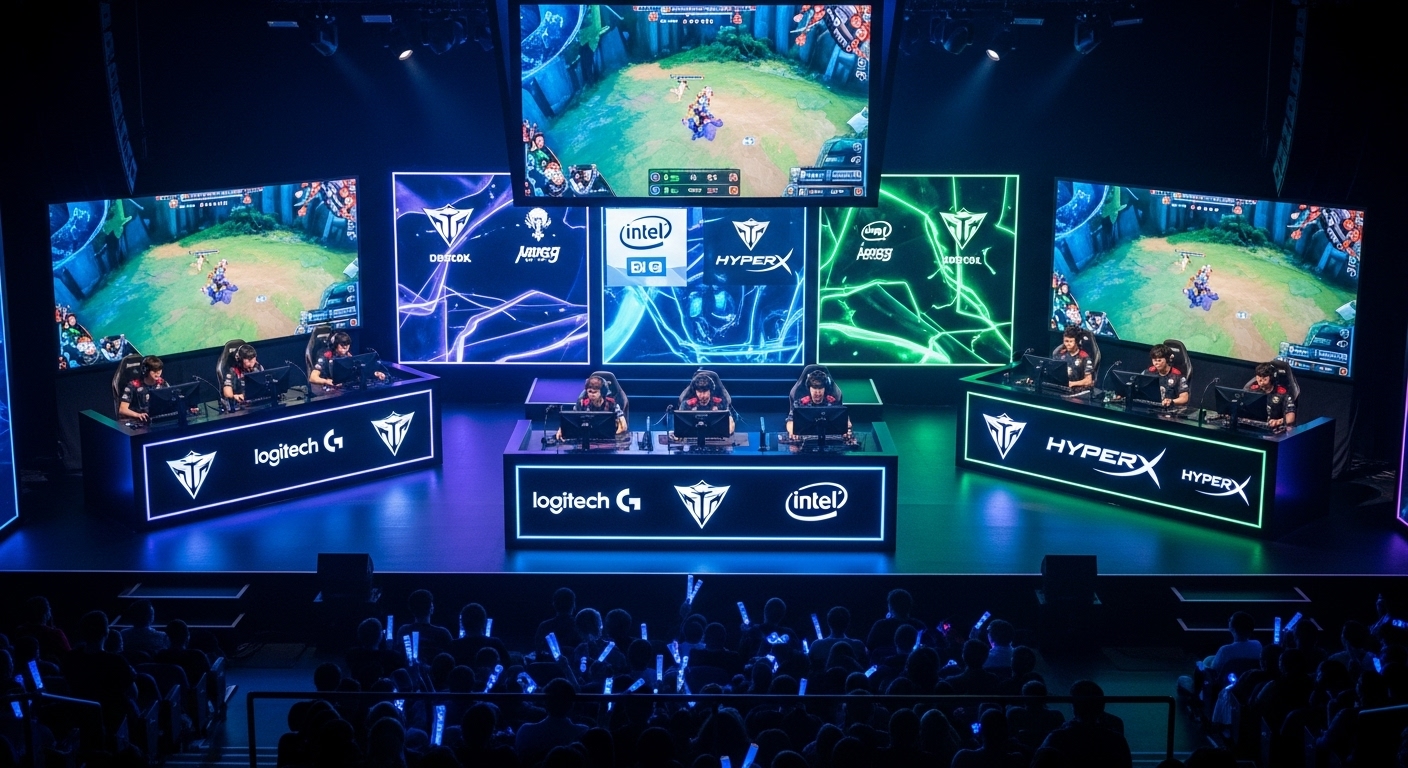
Esports tournaments are now massive spectacles, attracting millions of viewers worldwide. Competitions like the League of Legends World Championship, Dota 2’s The International, and the Overwatch League have stadiums filled with cheering fans and online viewership in the tens of millions.
The production quality of these events rivals that of traditional sports, with live commentary, professional analysis, cinematic opening ceremonies, and intricate stage designs. The sense of excitement and community generated by these events has played a significant role in legitimizing esports as a mainstream form of entertainment.
The Economics of Esports
The financial ecosystem of esports has grown exponentially. Sponsorships, advertising, merchandising, ticket sales, and media rights form the backbone of the industry’s revenue. Companies like Intel, Red Bull, and Nike invest heavily in esports marketing, recognizing the influence and reach of gaming audiences.
Prize pools for tournaments have reached unprecedented levels. Dota 2’s The International 2023 had a prize pool exceeding 40 million dollars, demonstrating the financial viability of esports. This economic growth has also led to the creation of specialized roles, including analysts, commentators, coaches, and event organizers, further solidifying esports as a professional industry.
The Cultural Impact of Esports
Esports has influenced popular culture in numerous ways. It has inspired movies, documentaries, fashion lines, music collaborations, and even academic studies. Gaming slang, memes, and personalities have entered mainstream culture, bridging the gap between digital entertainment and traditional media.
Moreover, esports has also challenged stereotypes around gaming. Once seen as an antisocial or purely recreational activity, esports now represents skill, strategy, teamwork, and dedication. Its acceptance in educational institutions, with scholarships and varsity esports programs, signifies a shift in how society perceives competitive gaming.
Technological Advancements and Esports
The growth of esports is closely tied to advancements in technology. High-speed internet, cloud gaming, virtual reality, and advanced graphics have all contributed to a richer gaming experience. Technology also allows for better analytics, enabling teams to study gameplay, track performance metrics, and refine strategies.
Artificial intelligence is now being integrated into esports training. AI systems can analyze opponents, predict outcomes, and provide strategic insights that give players a competitive edge. As technology continues to evolve, esports is likely to become even more sophisticated and immersive.
Challenges Facing the Esports Industry
Despite its success, esports faces several challenges. Player burnout, mental health issues, and rigorous travel schedules are significant concerns. The competitive nature of esports often leads to stress, anxiety, and physical strain, such as repetitive strain injuries.
Additionally, the industry must navigate issues of fairness, cheating, and doping. Game developers and tournament organizers continuously work to ensure fair play and maintain the integrity of competitions. Regulation and standardization of rules across leagues and regions remain an ongoing challenge.
The Future of Esports
The future of esports looks promising. With increasing mainstream acceptance, technological innovation, and global expansion, esports is poised to rival traditional sports in popularity and revenue. Emerging trends include mobile esports, which allows players to compete on smartphones, expanding accessibility in regions with limited access to PCs or consoles.
Virtual reality esports and augmented reality experiences may redefine how fans interact with competitions. Moreover, continued integration of esports into education, sponsorship, and media ensures that its influence will only grow. Esports is no longer just a hobby; it is a cultural movement shaping entertainment, technology, and society.
Esports and Education
Universities and schools around the world are recognizing the potential of esports in education. Competitive gaming programs are being introduced to teach teamwork, strategic thinking, and digital literacy. Scholarships for esports athletes are becoming increasingly common, providing opportunities for talented gamers to pursue higher education while honing their skills.
These initiatives also help combat the stigma often associated with gaming, highlighting its cognitive and social benefits. Educational institutions are using esports to prepare students for careers in technology, management, media, and entertainment, making it a viable pathway for personal and professional growth.
Esports Communities and Social Impact
Esports is built on communities. Online forums, Discord servers, social media groups, and fan clubs create spaces where players and fans connect, share strategies, and celebrate achievements. These communities foster inclusion, diversity, and collaboration, bringing together people from different backgrounds, cultures, and countries.
Esports also has the power to inspire social change. Charity tournaments, awareness campaigns, and collaborations with nonprofits demonstrate the industry’s potential to positively impact society. By leveraging its reach, esports is contributing to causes beyond entertainment.
Conclusion
Esports has transformed from a niche hobby into a global cultural force. Its evolution reflects broader trends in technology, entertainment, and society. Today, esports represents skill, strategy, innovation, and community. With its rapid growth, increasing legitimacy, and cultural influence, esports is not just a trend but a defining feature of modern entertainment.
As the lines between gaming, sports, and digital culture continue to blur, esports will undoubtedly remain a powerful force, shaping the future of how we play, watch, and experience competitive gaming.