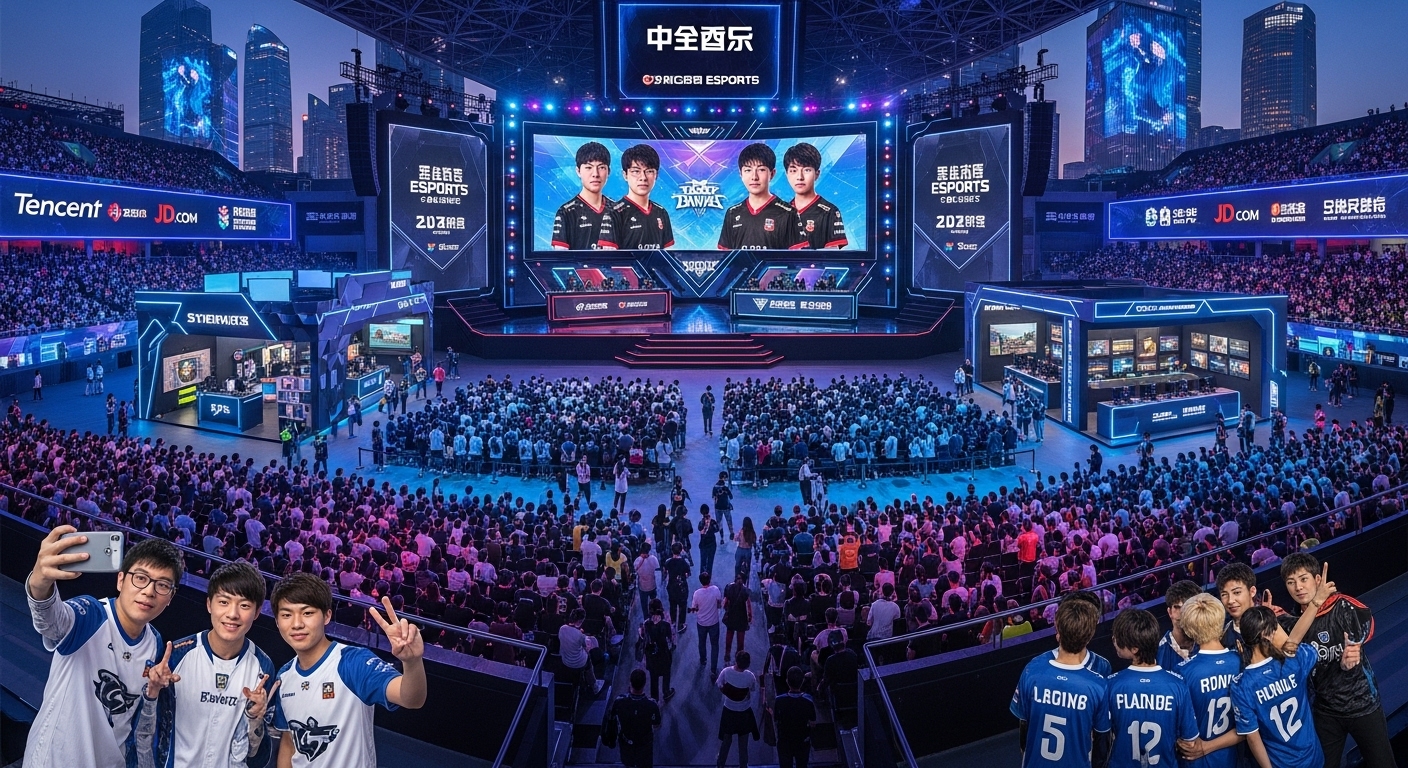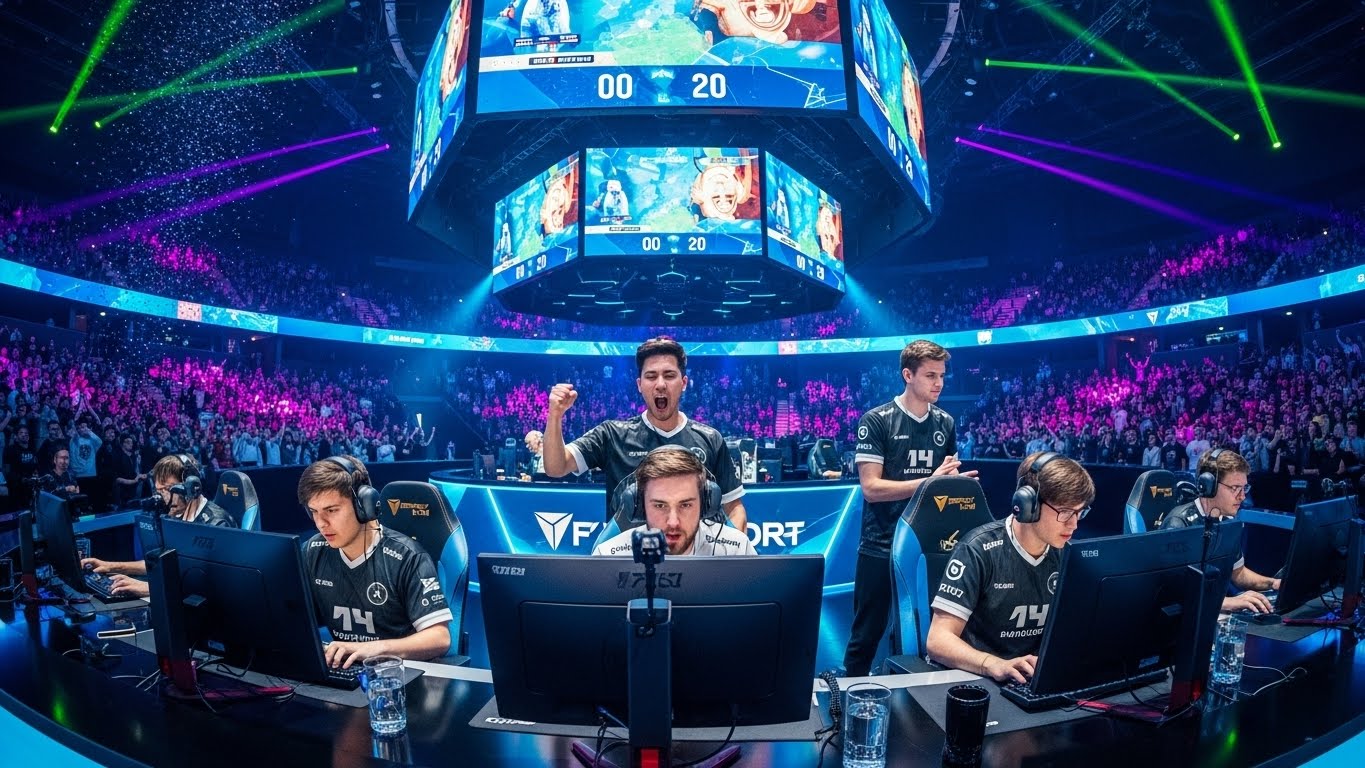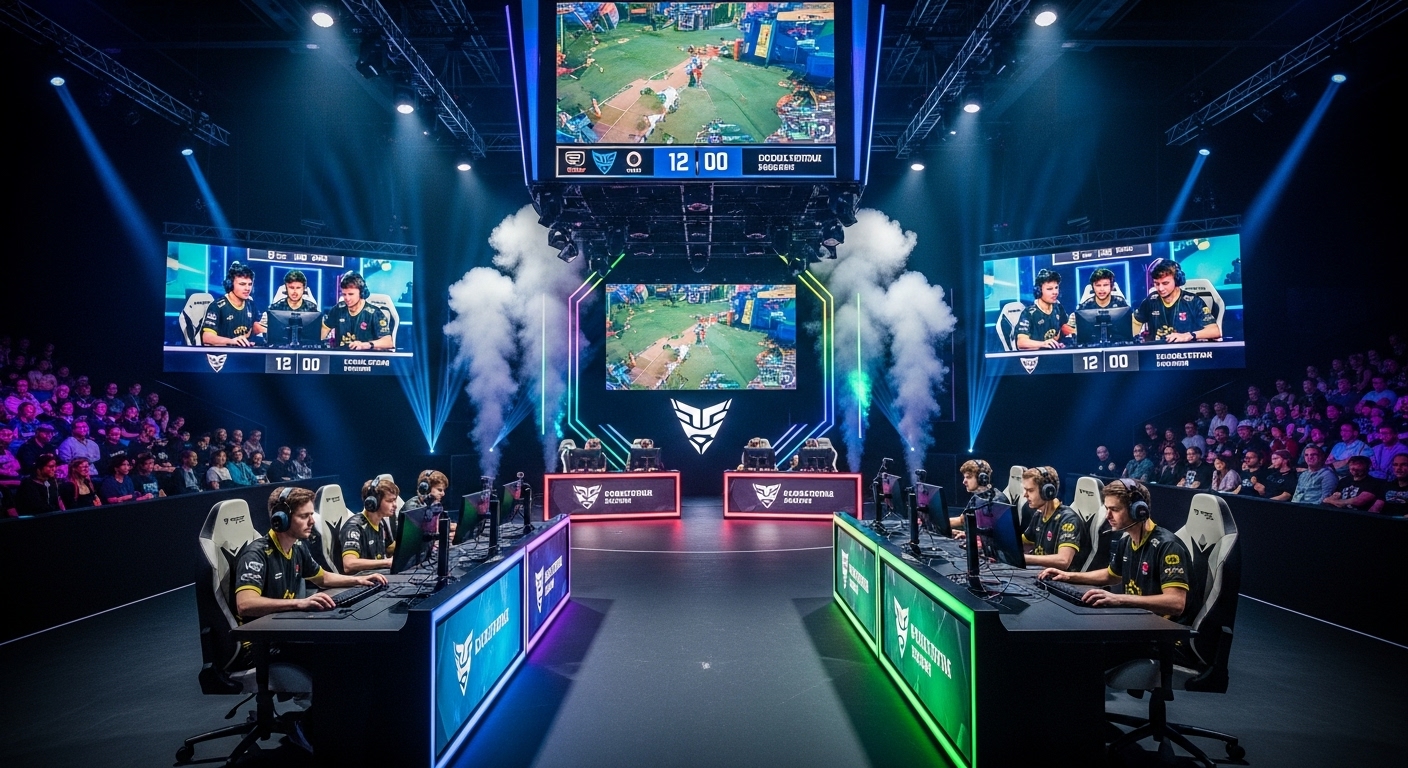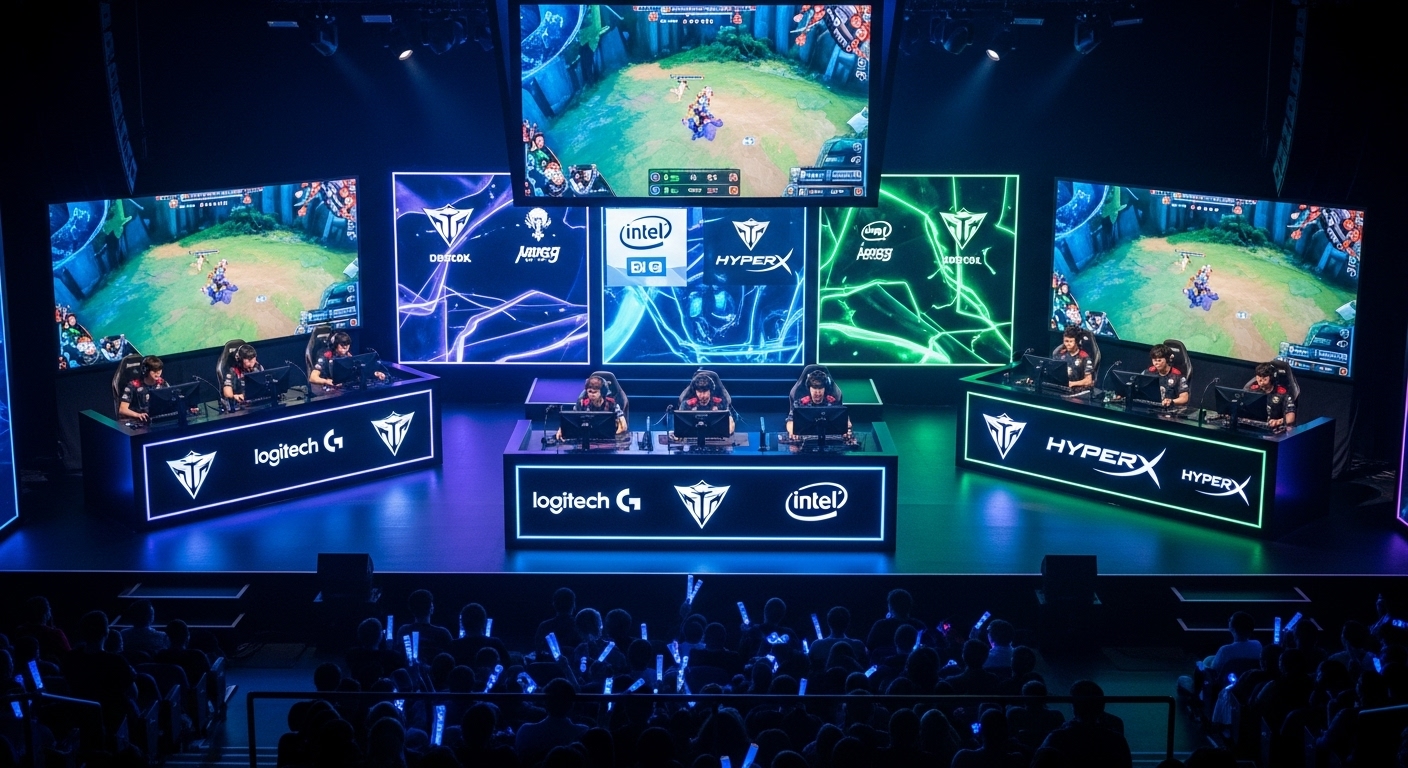
Esports, or competitive video gaming, has evolved from a niche hobby into a global entertainment and business juggernaut. What was once an underground scene, mostly consisting of amateur competitions and hobbyists playing in basements or local arcades, has transformed into a billion-dollar industry with millions of fans, professional teams, sponsorships, and media coverage. As gaming continues to be an integral part of pop culture, the world of esports is rapidly growing, and its influence is becoming impossible to ignore. In this blog post, we’ll explore how esports has grown over the years, its current impact on both the gaming industry and society, and what the future holds for this global phenomenon.
The Birth of Esports: From Casual Play to Competitive Tournaments
The origins of esports can be traced back to the early days of video gaming itself. In the late 1970s and early 1980s, video games began gaining popularity in arcades. Games like Pong, Space Invaders, and Pac-Man were not only fun to play but also became the focal points of competitive high-score challenges. However, it wasn’t until the rise of personal computers and local area networks (LANs) in the 1990s that gaming competitions began to take a more organized shape.
The 1990s saw the introduction of LAN parties, where gamers gathered in large spaces to connect their computers and play multiplayer games. This was a crucial moment in the history of esports, as it allowed players to compete against each other in real-time without needing to be in the same room. Games like Quake and StarCraft were early staples of competitive gaming, leading to the first organized tournaments.
One of the earliest and most significant milestones was the Red Annihilation tournament in 1997, a Quake event that marked the beginning of a new era of competitive gaming. The winner, Dennis “Thresh” Fong, received a Ferrari 328 GTS as his prize, showcasing the growing potential for esports to attract large audiences and significant rewards.
The Emergence of Global Esports Competitions
By the 2000s, the internet and broadband connections began to change the landscape of gaming. Competitive gaming no longer needed to be limited to in-person LAN parties; players could compete against one another across continents. The rise of online multiplayer games such as Warcraft III, Counter-Strike, and StarCraft II allowed players to battle it out on a global scale, fueling the growth of esports competitions worldwide.
One of the key players in this growth was Major League Gaming (MLG), founded in 2002. MLG was one of the first organizations to bring esports into the mainstream by organizing tournaments for games like Halo, StarCraft, and Call of Duty. They were pioneers in professionalizing the gaming industry by introducing prize money, sponsorships, and broadcasting of live events, establishing the groundwork for what would eventually become a massive industry.
Simultaneously, the rise of The World Cyber Games (WCG), which began in 2000, introduced the concept of a global esports championship. The WCG was one of the first large-scale, international esports tournaments and offered a platform for players from various countries to compete on the world stage. As more professional tournaments like these emerged, esports began attracting larger and more diverse audiences, both in person and online.
The Growth of Streaming and the Mainstreaming of Esports
The rise of Twitch in 2011 marked a pivotal moment in the development of esports. Twitch, a streaming platform dedicated to live broadcasts of video games, allowed fans to watch esports tournaments and individual streams of players in real time. The accessibility and interactivity of streaming platforms like Twitch democratized esports, making it easier for anyone with an internet connection to tune into their favorite games and players.
By offering viewers the ability to engage with streamers through live chats and donations, Twitch turned competitive gaming into a participatory experience. It also made it possible for gamers to build personal brands, earn money through advertisements and sponsorships, and cultivate dedicated fanbases. As the platform grew, so did the popularity of esports. Major tournaments began streaming on Twitch, attracting millions of viewers. The League of Legends World Championship, for example, began drawing more viewers than traditional sporting events like the Super Bowl.
The growing media presence of esports also helped normalize competitive gaming, pushing it into the mainstream and breaking down long-held stereotypes about gamers. What was once considered a niche activity was now being seen by millions of people as a legitimate sport, worthy of sponsorships, media coverage, and financial investment.
Esports Today: A Multi-Billion Dollar Industry
Fast forward to today, and esports is a global industry with a projected value of over $1 billion. From professional teams and players to corporate sponsors and streaming platforms, the economic impact of esports is staggering. Prize pools for major tournaments are now often in the millions of dollars, and players can make a living competing in games like Dota 2, Counter-Strike: Global Offensive, Fortnite, and League of Legends.
Esports organizations such as Team Liquid, Cloud9, Fnatic, and G2 Esports are now household names, with professional rosters that compete across a range of games. These teams are not just about the players; they are complete brands, with merchandise, sponsorships, fan engagement, and extensive media coverage. Some esports organizations have even branched out into other business ventures, like content creation, apparel, and talent management.
Sponsorships and corporate partnerships are a major revenue stream for esports teams and events. Companies like Intel, Red Bull, Coca-Cola, and Mercedes-Benz have partnered with esports leagues and tournaments to reach a large, young, tech-savvy audience. These sponsorships are essential to the growth and sustainability of esports, as they allow for more elaborate events, higher prize pools, and professional infrastructure.
The rise of esports has also had a significant impact on the gaming industry itself. Game developers are increasingly designing titles specifically for competitive play, knowing that esports tournaments are an important driver of engagement and long-term player retention. In addition, many esports games have regular updates, patches, and seasonal events that help keep the competitive scene fresh and exciting.
The Players: The Stars of the Esports World
At the center of every esports event are the players—the athletes who dedicate their time, energy, and skill to mastering their chosen games. Becoming a professional esports player requires a level of commitment comparable to that of athletes in traditional sports. Hours of practice, rigorous strategies, and constant learning are all essential for success.
Players like Faker (Lee Sang-hyeok), N0tail (Johan Sundstein), and s1mple (Oleksandr Kostyliev) have become global stars in games like League of Legends, Dota 2, and Counter-Strike. These players not only earn significant prize money but also enjoy sponsorship deals, streaming revenue, and a dedicated fanbase that supports them through social media and live streaming platforms.
In esports, skill, teamwork, and adaptability are paramount. While traditional sports are often about physical strength or endurance, esports demands high levels of mental acuity, strategic thinking, and quick reflexes. The most successful players are those who can consistently perform at a high level, adjust their strategies on the fly, and maintain their focus under intense pressure.
The Cultural Impact of Esports
Esports has had a profound cultural impact, particularly among younger generations. Gaming, once seen as a solitary activity, is now a social experience where people connect with others, watch competitions together, and even attend live events. Esports tournaments attract tens of thousands of fans to stadiums and arenas, while millions more watch online through streaming platforms.
Moreover, esports has helped foster a sense of community among fans. Online communities dedicated to games, teams, and players have become major hubs for social interaction. Platforms like Reddit, Discord, and Twitter allow fans to discuss strategies, share content, and interact directly with their favorite players.
Esports has also challenged traditional ideas of what a sport is. It has raised questions about what it means to be an athlete and whether the mental skill required to succeed in video games is on par with the physical abilities needed for traditional sports. As a result, esports is increasingly being viewed as a legitimate form of competition, deserving of recognition and respect.
In fact, some have even argued that esports should be included in the Olympics. While this is still a topic of debate, the growing acceptance of esports in mainstream culture suggests that it may one day be regarded alongside traditional sports in the Olympic Games.
The Future of Esports
Looking ahead, the future of esports appears bright. As the industry continues to grow, we can expect more innovation in terms of both the games themselves and the platforms that support them. Virtual reality (VR) and augmented reality (AR) are expected to play an increasingly significant role in esports, offering new ways for players and spectators to interact with the games.
New competitive formats, such as mobile esports, are also on the rise. Mobile gaming has exploded in popularity in recent years, and titles like PUBG Mobile, Arena of Valor, and Clash Royale are attracting large audiences and growing esports scenes. Mobile esports tournaments are becoming more common, and they have the potential to further expand the reach of competitive gaming.
Esports is also likely to become even more integrated with mainstream media and entertainment. As esports viewership grows, we can expect to see more television networks and streaming platforms broadcasting esports events, along with larger corporate investments that will fuel the development of bigger and more exciting tournaments.