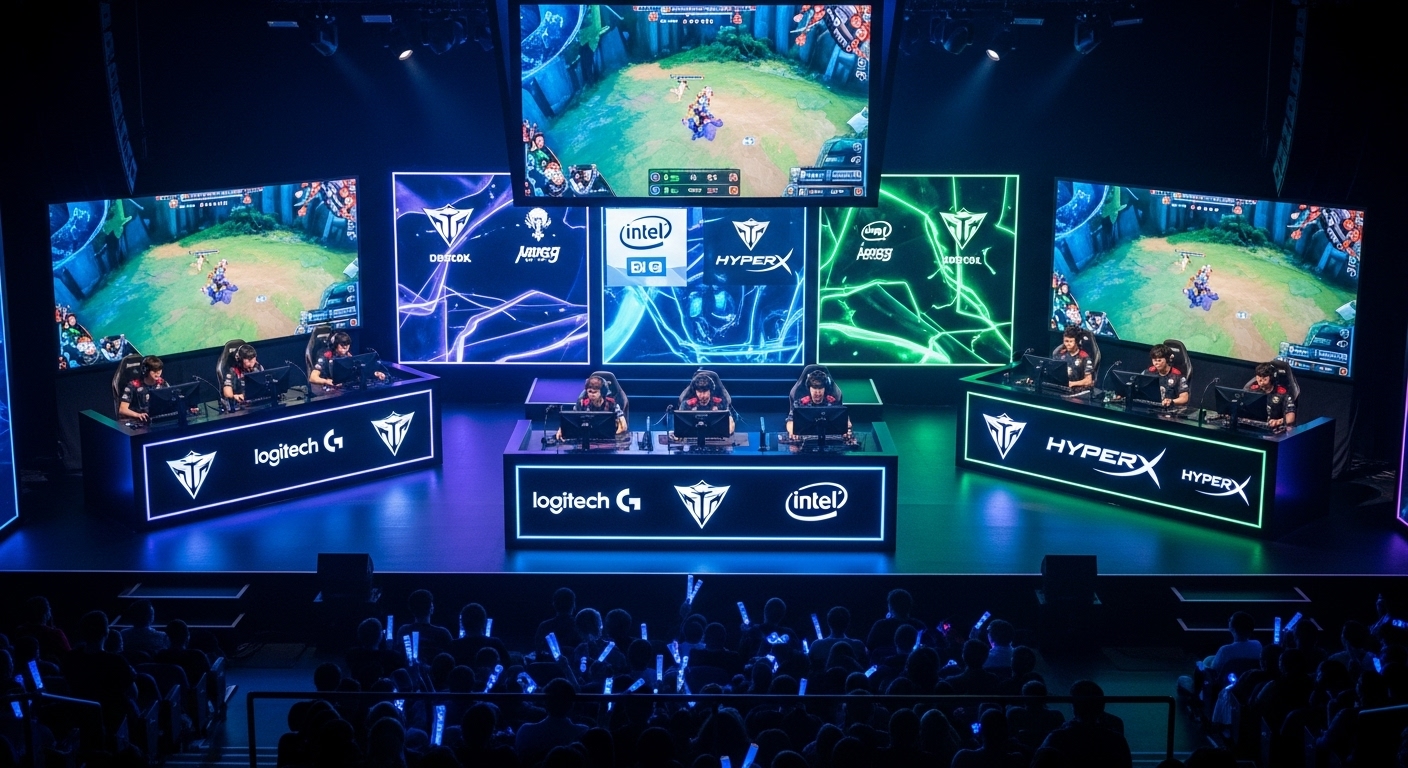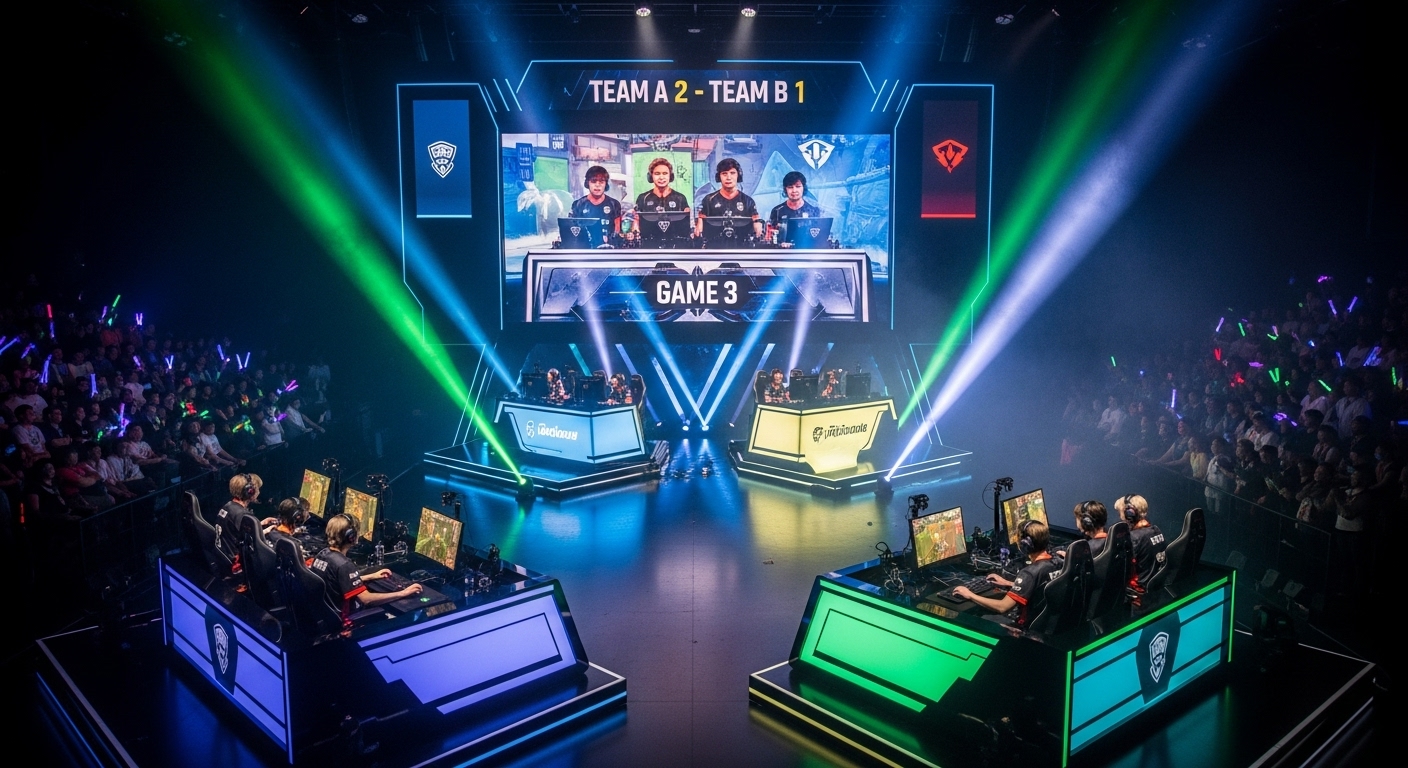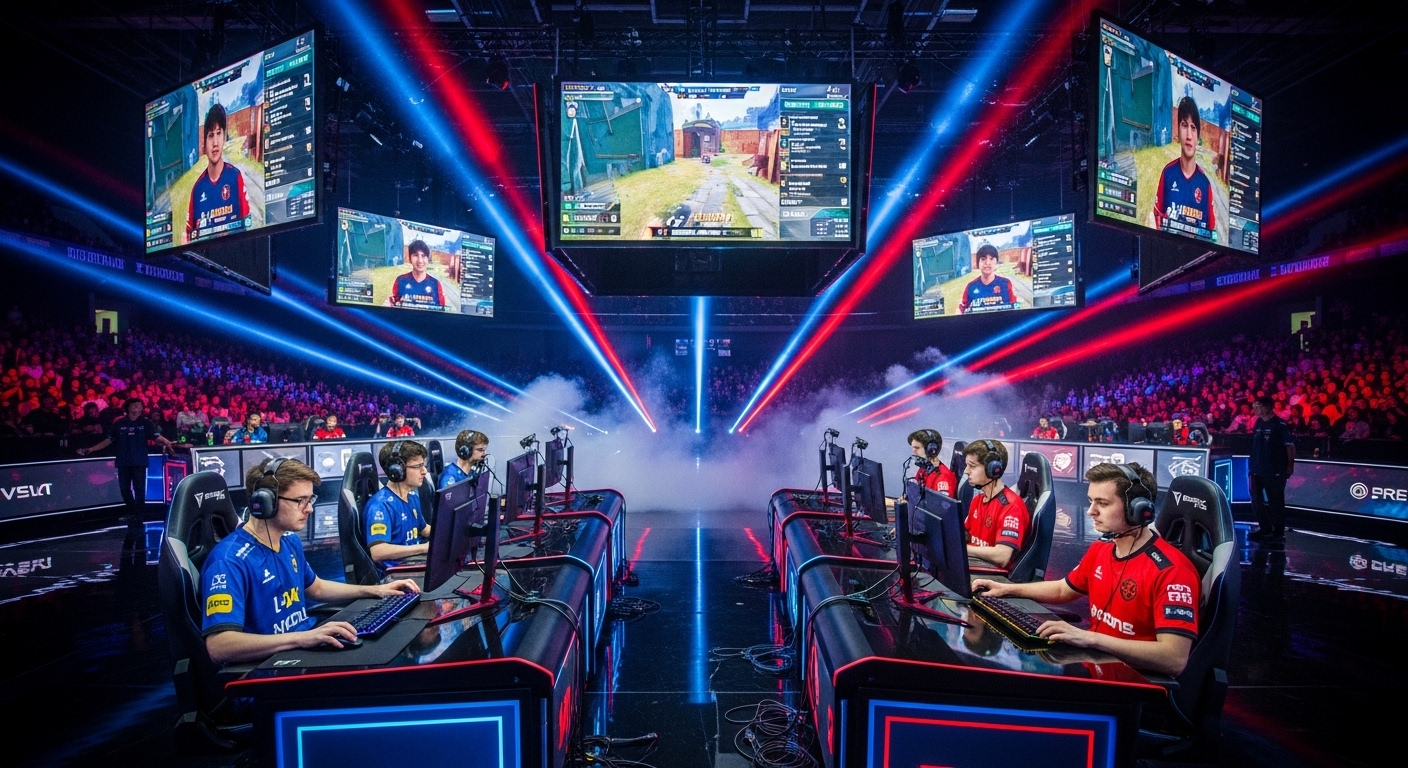
Esports, short for electronic sports, has become one of the most rapidly growing sectors in the entertainment industry. What was once considered a niche hobby for hardcore gamers has now evolved into a multi-billion dollar global industry, drawing millions of fans, players, and viewers worldwide. With the advent of new technologies, the rise of streaming platforms, and the growing cultural acceptance of gaming, esports is reshaping the way we think about competitive play, entertainment, and even careers. This blog post will explore the rise of esports, its cultural impact, and the factors driving its growth, as well as what the future holds for this dynamic and ever-expanding field.
The Early Days of Esports: A Subculture Emerges
Esports may seem like a modern concept, but its origins trace back to the very beginning of video gaming. In the 1970s, as the first arcade machines became popular, competitive gaming began to take shape. The first recorded esports event occurred in 1972 at Stanford University, where students competed in a tournament for the game Spacewar! Over the next few decades, competitive play remained relatively underground, but it began to gain momentum in the 1990s with the rise of multiplayer online games.
The late 1990s and early 2000s saw the creation of several iconic games that laid the foundation for esports as we know it today. Quake, StarCraft, and Warcraft were some of the earliest games that fostered a competitive scene. At the same time, professional gaming tournaments like the World Cyber Games (WCG) and Major League Gaming (MLG) began to emerge, offering players the opportunity to compete for cash prizes and recognition. These events attracted gamers from around the world, and slowly but surely, the seeds of esports began to take root.
The Rise of Streaming: A Game-Changer for Esports
In the mid-2000s, the landscape of gaming began to change dramatically. The rise of high-speed internet, the proliferation of powerful personal computers, and the launch of online streaming platforms fundamentally transformed esports. Twitch, launched in 2011, was a key player in this transformation. It allowed players to broadcast their gameplay to a global audience, making it easier than ever for viewers to watch live esports events, follow their favorite players, and interact with gaming communities.
For the first time, esports became accessible to a massive audience. Fans could tune in to watch top players compete in real-time, engage with them through live chats, and build relationships with other viewers. This direct connection between players, teams, and fans gave esports a sense of community that set it apart from traditional sports and entertainment. At the same time, the platform provided a means for players to monetize their content through donations, subscriptions, and sponsorships, turning professional gaming into a legitimate career option.
The combination of streaming, social media, and online communities allowed esports to thrive in a way that was previously unimaginable. Twitch, YouTube Gaming, and other streaming platforms played an instrumental role in expanding the reach of esports and connecting fans to the games and players they loved.
The Professionalization of Esports: A Thriving Industry
As esports gained popularity, it began to undergo professionalization. The casual, grassroots tournaments of the past gave way to more structured leagues, professional teams, coaches, analysts, and even commentators. Major esports titles like League of Legends, Dota 2, and Counter-Strike: Global Offensive now feature well-established competitive circuits with annual tournaments, regular seasons, and lucrative prize pools. These events attract tens of thousands of live spectators and millions of viewers online, turning esports into a form of entertainment on par with traditional sports.
One of the most significant indicators of esports’ professionalization is the rise of esports organizations. Teams like Team Liquid, Cloud9, and Fnatic have become household names, and many of these organizations now compete in multiple games across different titles. These teams hire coaches, analysts, and support staff to help players perform at their peak. Similar to traditional sports, esports players have rigorous training schedules, and many even attend boot camps to hone their skills and develop team strategies.
Sponsorship deals have also played a crucial role in the growth of esports. Major brands like Coca-Cola, Intel, Red Bull, and Mercedes-Benz have partnered with esports organizations, teams, and events to capitalize on the growing audience. Sponsorships provide teams and players with the financial backing they need to compete at the highest level, and in turn, these companies gain access to the rapidly growing esports fanbase.
Esports as a Career Path: Beyond Gaming
For many players, esports has evolved from a hobby to a full-fledged career. Professional gamers can earn substantial incomes from tournament winnings, sponsorships, and streaming revenue. Top-tier players in games like League of Legends and Dota 2 can earn six-figure salaries, and the top prize pools for esports events can reach tens of millions of dollars. The rise of esports has made it possible for talented gamers to make a living doing what they love.
But esports careers don’t end with playing. Behind the scenes, there is a wide array of career opportunities within the industry. Event organizers, broadcasters, analysts, coaches, content creators, and social media managers are all integral to the success of the esports ecosystem. As esports continues to grow, the demand for skilled professionals in these areas will only increase. Educational institutions are beginning to recognize the career potential of esports, with colleges offering scholarships and degree programs in fields like game design, digital media, and esports management.
Additionally, many players use their platform to launch personal brands, becoming influencers and streamers in their own right. Through platforms like Twitch, YouTube, and social media, esports professionals can grow their fanbases, promote products, and engage in content creation. This rise in personal branding has allowed players to expand their careers beyond competitive gaming, making esports a gateway to a wide range of opportunities in digital media and entertainment.
The Global Appeal of Esports: A Cultural Shift
One of the most fascinating aspects of esports is its global appeal. Esports is not confined to any one country or region; it is a truly international phenomenon. In places like South Korea, esports is considered a national pastime, with games like StarCraft and League of Legends enjoying mass popularity. In North America, Europe, and China, esports has become an integral part of popular culture, with millions of fans tuning in to watch their favorite teams and players compete.
The global nature of esports has also led to the formation of international leagues and tournaments. The League of Legends World Championship, The International (Dota 2), and Overwatch League are just a few examples of how esports has transcended geographical boundaries. Players from all over the world come together to compete at the highest level, often overcoming language and cultural barriers to work as cohesive teams.
The sense of community within esports is another factor contributing to its widespread appeal. Fans from diverse backgrounds can come together to share their love for a particular game, player, or team. Social media platforms like Twitter, Reddit, and Discord have enabled fans to connect and engage in discussions, creating an inclusive and supportive environment where people from all walks of life can share their passion for gaming.
The Future of Esports: What’s Next?
The future of esports looks incredibly bright, with new technologies and innovations on the horizon that could further revolutionize the industry. One of the most exciting developments is the integration of virtual reality (VR) and augmented reality (AR) into gaming. These technologies have the potential to create more immersive and interactive esports experiences, offering players and viewers a whole new way to engage with competitive gaming.
Additionally, the expansion of 5G technology will play a pivotal role in the future of esports. With faster internet speeds and lower latency, 5G will enable players to compete at even higher levels of performance, while also improving the viewing experience for fans.
Esports is also likely to continue its integration with traditional sports. Major sports organizations, including the NBA and NFL, have already begun to invest in esports, recognizing the massive potential of the market. It’s possible that in the future, esports will be included in major sporting events, such as the Olympics, further legitimizing its place in the world of competitive entertainment.
Conclusion: Esports is Here to Stay
Esports has come a long way since its humble beginnings in the 1970s. Today, it is a global phenomenon that has transformed the way we view gaming, entertainment, and competition. With its growing fanbase, lucrative sponsorships, and diverse career opportunities, esports is more than just a passing trend—it’s a cultural movement that is reshaping the entertainment landscape.
As the industry continues to grow and evolve, esports is poised to become a dominant force in global entertainment, attracting millions of fans and offering new opportunities for players, teams, and professionals alike. Whether you’re a casual gamer, a competitive player, or a fan of the action, one thing is clear: esports is here to stay, and its future looks incredibly bright.