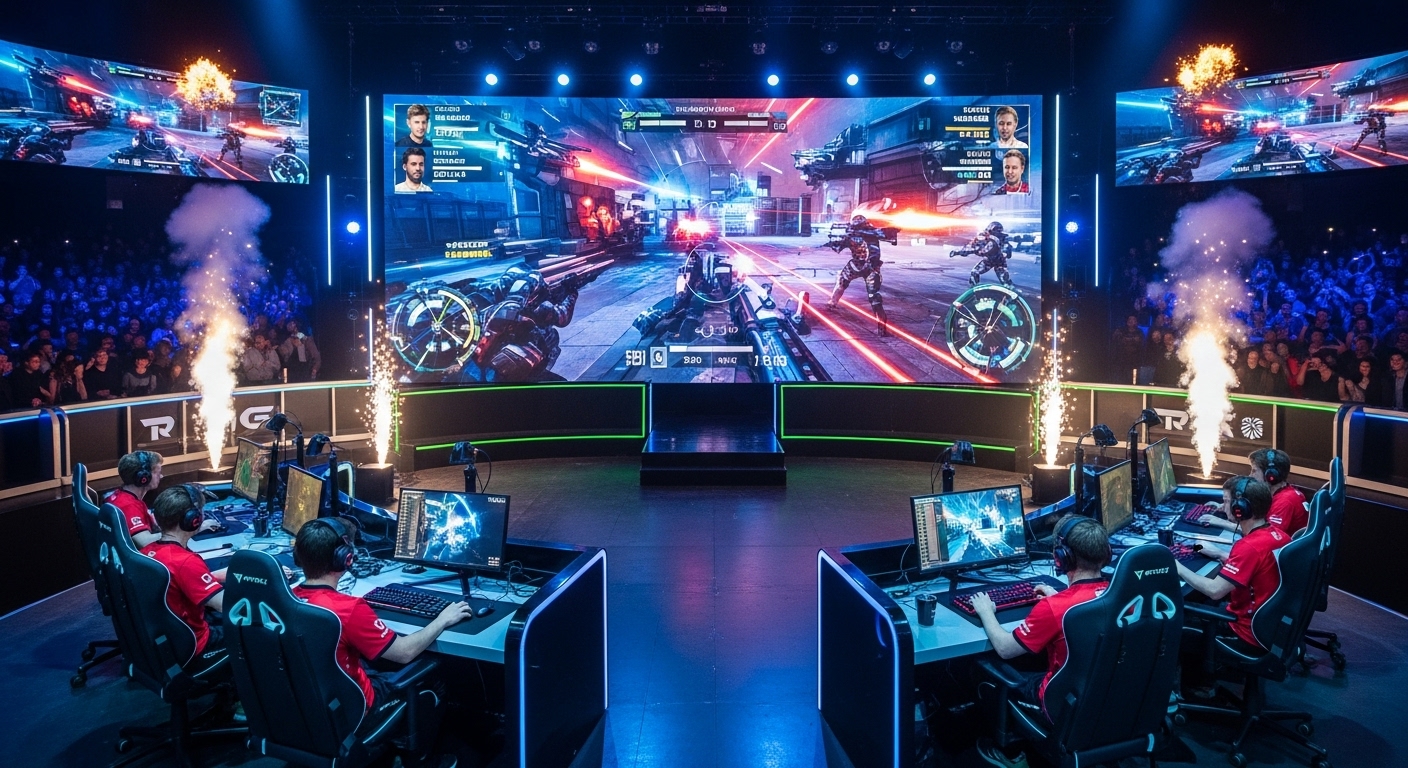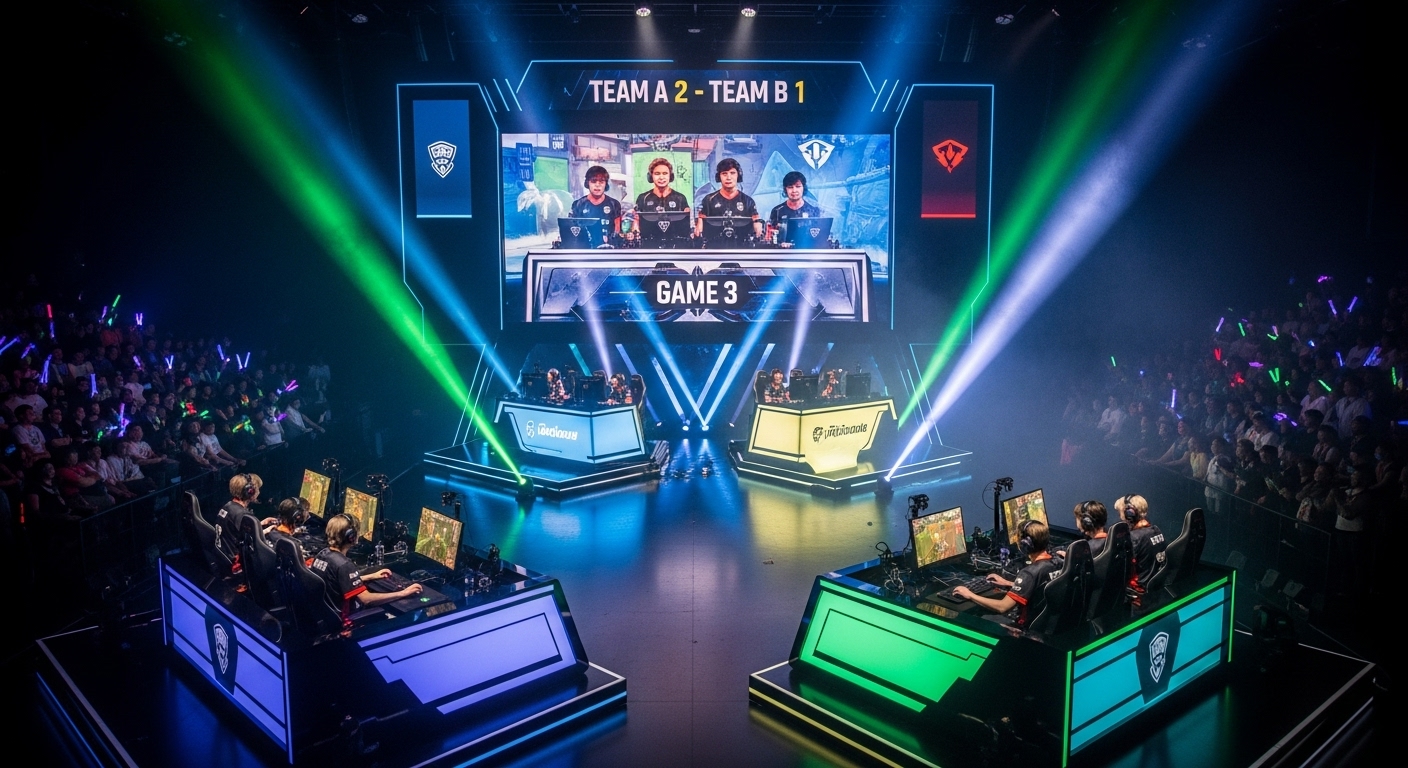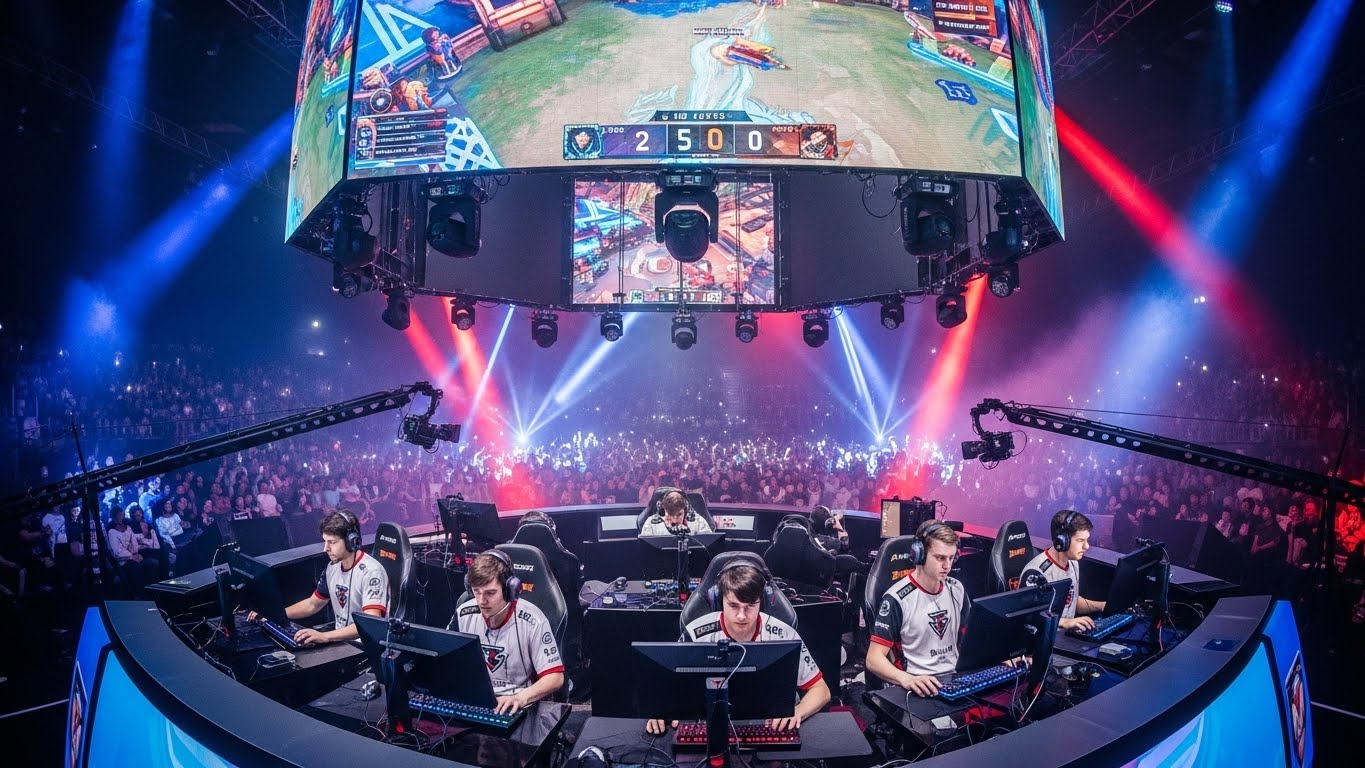
In the last decade, esports has undergone an extraordinary transformation, emerging from the shadows of niche gaming into the spotlight of global entertainment. Esports is now more than just a competitive activity—it is a thriving industry, a career path, and a cultural phenomenon that has captured the attention of millions. What once was considered a hobby by many is now recognized as a legitimate sport, complete with sponsorships, professional leagues, and millions of fans worldwide. In this blog post, we will dive deep into the world of esports, exploring its origins, growth, and the significant role it plays in shaping the future of entertainment.
The Early Days of Esports
The roots of esports can be traced back to the 1970s when competitive gaming was still in its infancy. One of the first recognized instances of competitive gaming occurred in 1972, when Stanford University hosted the “Spacewar” tournament, marking the beginning of a long journey toward modern esports. Although this event was small, it laid the foundation for what would eventually become a massive industry.
Throughout the 1980s and 1990s, esports remained a niche activity with limited reach. Gaming tournaments, often local in nature, were primarily organized around arcade games and early computer games. As personal computers and consoles became more widely available in the 1990s, competitive gaming began to take on a more organized form. Games like Doom and StarCraft provided the foundation for the development of competitive online gaming, but it wasn’t until the late 1990s and early 2000s that esports started to gain more widespread attention.
The turning point for esports came with the advent of online multiplayer gaming. The ability for players to connect with one another via the internet opened up new possibilities for competitive gaming. It was during this period that gaming clans, online tournaments, and leagues began to emerge, setting the stage for the future of esports.
The Growth of Esports in the 2000s
As the internet became more accessible and faster, multiplayer games such as Warcraft III, Counter-Strike, and Quake began to dominate the competitive gaming scene. These games not only introduced competitive mechanics but also allowed players from around the world to face off against each other in virtual arenas. This global accessibility was one of the key drivers behind the rise of esports.
Online platforms like Battle.net for StarCraft and World of Warcraft played a crucial role in bringing people together to compete in a more organized manner. Tournaments such as the World Cyber Games (WCG) and Electronic Sports World Cup (ESWC) became significant milestones in the early days of esports, helping to legitimize competitive gaming and offering players the opportunity to showcase their skills on the global stage. The increasing visibility of these events started to attract sponsorships and media attention, paving the way for the next phase of esports’ evolution.
The Role of Streaming Platforms
As competitive gaming grew in popularity, the rise of streaming platforms like Twitch in the late 2000s marked a pivotal moment in the growth of esports. Streaming allowed gamers to broadcast their gameplay to a global audience, and it wasn’t long before professional players, commentators, and content creators began to cultivate large, dedicated followings. Twitch, in particular, played a central role in making esports more accessible to fans who couldn’t attend live events. This made it easier for fans to follow their favorite players, teams, and tournaments in real-time.
The Importance of Social Media
Social media also became an essential tool in the growth of esports. Platforms like Twitter, Instagram, and Reddit allowed fans to engage with esports content in real-time, sharing their opinions, reactions, and excitement. Esports organizations and players themselves also began to use social media to connect directly with fans, giving rise to a new kind of fan culture that was more interactive and participatory than traditional sports.
Esports in the 2010s: The Boom
By the 2010s, esports had truly hit the mainstream, with major corporations, investors, and traditional sports organizations recognizing the potential of competitive gaming as an entertainment and business opportunity. Esports exploded in popularity, and several factors played a role in this growth.
High-Profile Tournaments and Big Prize Pools
Tournaments such as The International (for Dota 2), League of Legends World Championship, and Overwatch League became the cornerstone of esports, drawing massive audiences both online and in person. The prize pools for these tournaments grew exponentially, with The International offering a record-breaking $25 million prize pool in 2018. These large-scale events not only offered players substantial rewards but also solidified esports as a legitimate form of competition.
In addition to the tournaments, live broadcasts and video content became a central part of the esports ecosystem. Major events, once only available to a small number of viewers, were now being streamed to millions across the globe. These tournaments began to rival the viewership of traditional sports, with some events attracting more viewers than major league games in traditional sports like football or basketball.
Investment and Sponsorship
As esports grew in popularity, it began attracting attention from major investors and brands. Tech giants like Intel, Coca-Cola, Mercedes-Benz, and Red Bull poured millions of dollars into the industry, sponsoring tournaments, teams, and players. This influx of sponsorships not only brought financial stability to the industry but also helped increase its credibility. Esports organizations like Cloud9, Team Liquid, and Fnatic became household names, thanks in part to these sponsorships.
Traditional sports franchises also took notice of esports’ potential. Established sports teams such as the Philadelphia 76ers, FC Schalke 04, and Paris Saint-Germain started acquiring esports teams, signaling the growing overlap between traditional and digital sports. Esports leagues, such as the League of Legends Championship Series (LCS) and Overwatch League (OWL), adopted a franchise-based model similar to major sports leagues, creating a more structured environment for teams and players.
The Professionalization of Esports
One of the most significant developments of the 2010s was the professionalization of esports. Players began to earn substantial salaries, with top-tier competitors raking in six-figure incomes from tournament winnings, sponsorships, and streaming revenues. This helped esports attract a new generation of players who viewed professional gaming as a viable career path.
The establishment of esports academies and the rise of university esports programs also helped foster talent development. These programs provided young gamers with the tools they needed to turn their passion for gaming into a professional career, whether that be as a player, coach, analyst, or content creator. The influx of young talent into the industry further fueled esports’ rapid growth.
Esports Today: A Multibillion-Dollar Industry
As of today, esports has become a fully-fledged global industry with an estimated worth of over $1 billion. The market has seen rapid expansion, with increasing interest from not only traditional media but also from emerging technologies like virtual reality (VR) and augmented reality (AR). Esports is no longer just about playing video games; it is a dynamic, multifaceted industry that includes broadcasting, advertising, event management, and more.
Esports as Mainstream Entertainment
Esports has evolved from a niche activity to mainstream entertainment, and its impact is felt across various sectors. Brands are constantly looking to tap into the massive audiences esports attracts, with partnerships and sponsorships becoming a critical revenue stream for both players and organizations. Esports content now fills primetime slots on major streaming platforms like Twitch, YouTube, and Facebook Gaming, and the viewership for esports events often rivals or exceeds that of traditional sports.
The Global Appeal of Esports
One of the most remarkable aspects of esports is its global appeal. Competitive gaming transcends borders, and the digital nature of esports means that anyone, anywhere, can participate in tournaments or follow their favorite teams and players. Major events are held in cities around the world, from Los Angeles to Shanghai to Berlin, drawing in fans from all corners of the globe. Esports has created a truly global community, with a fanbase that spans different cultures, languages, and regions.
The Future of Esports
Looking ahead, the future of esports appears bright, with continued growth expected across several areas. The expansion of esports into new territories, the development of new games, and the integration of emerging technologies like VR and AR will undoubtedly continue to shape the landscape. Furthermore, there is growing interest in esports being included in the Olympic Games, although this remains a topic of debate.
One thing is for certain: esports is here to stay. It has already redefined what it means to be an athlete, a fan, and a creator in the modern world. The next chapter of esports is likely to be even more exciting, as the industry continues to evolve and push the boundaries of entertainment.
Conclusion
Esports has come a long way from its humble beginnings, evolving into a billion-dollar industry with millions of fans and players around the world. What started as a hobby for passionate gamers has transformed into a global spectacle that captivates audiences and generates revenue on par with traditional sports. As esports continues to grow and expand, it is clear that it will remain a dominant force in the world of entertainment for years to come. Whether you’re a competitive gamer, a casual viewer, or someone just discovering the world of esports, one thing is certain: the future of gaming is bright, and it’s only getting started.