Introduction: The Rise of Competitive Gaming
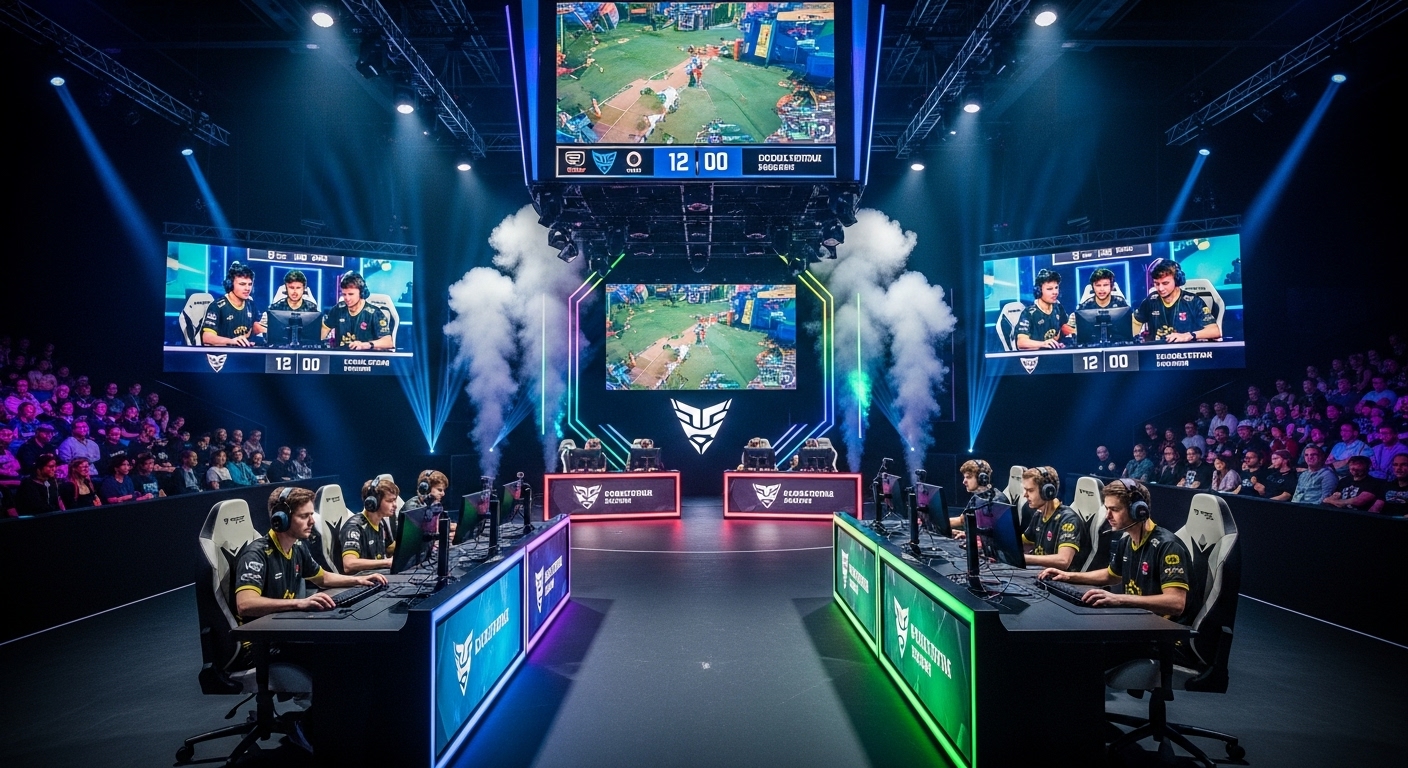
Esports has evolved from a niche hobby into a global cultural phenomenon that attracts millions of players and viewers worldwide. Once, competitive gaming was limited to local arcades or small LAN events, but today, esports stands as a professional industry with organized leagues, global tournaments, and lucrative sponsorship deals. It is no longer merely about playing games; it has become a form of entertainment, a career path, and a social movement. The rise of esports reflects the changing landscape of entertainment and the growing influence of digital culture. In this blog, we will explore the origins, evolution, ecosystem, and future of esports.
The Origins of Esports: From Arcades to Competitive Platforms
The concept of competitive gaming began decades ago when players competed in arcades or school-based tournaments. In the early 1980s, events like the Space Invaders Championship provided a glimpse of organized gaming competitions, attracting thousands of participants. Prizes were modest, often consisting of trophies or local recognition, but the enthusiasm for competition laid the foundation for the esports industry.
The 1990s introduced a new era with games such as Doom, Quake, and Warcraft, where players began competing for prestige and small cash rewards. LAN tournaments allowed players to connect and compete locally, and these competitions highlighted the growing desire for structured competitive gameplay. The Red Annihilation tournament for Quake, held in 1997, is often cited as one of the first major esports events, with players traveling internationally to compete for the top spot.
The Internet Era: Global Competition and Connectivity
The widespread availability of the internet in the late 1990s and early 2000s transformed esports by enabling global online competition. Players no longer needed to be in the same physical space to compete. Online multiplayer games such as StarCraft, Counter-Strike, and Warcraft III allowed gamers to connect from different countries, fostering international competition and collaboration.
South Korea became a global leader in esports during this period. The game StarCraft captured national attention, leading to professional leagues and televised matches. Top players became celebrities, and competitive gaming was recognized as a serious career option. South Korea’s model demonstrated the potential of esports to attract massive audiences and professionalize gaming, influencing the industry worldwide.
The Professionalization of Esports: Leagues, Teams, and Sponsorships
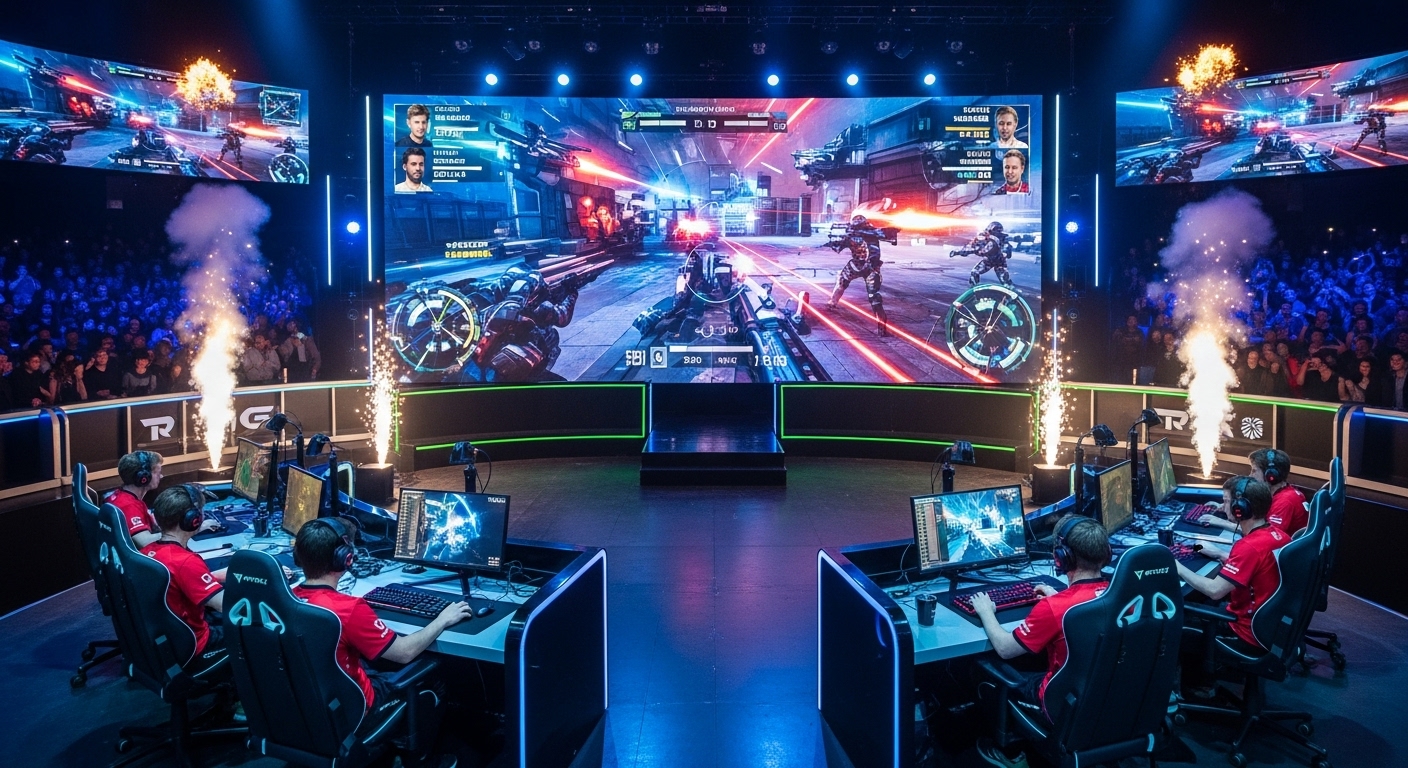
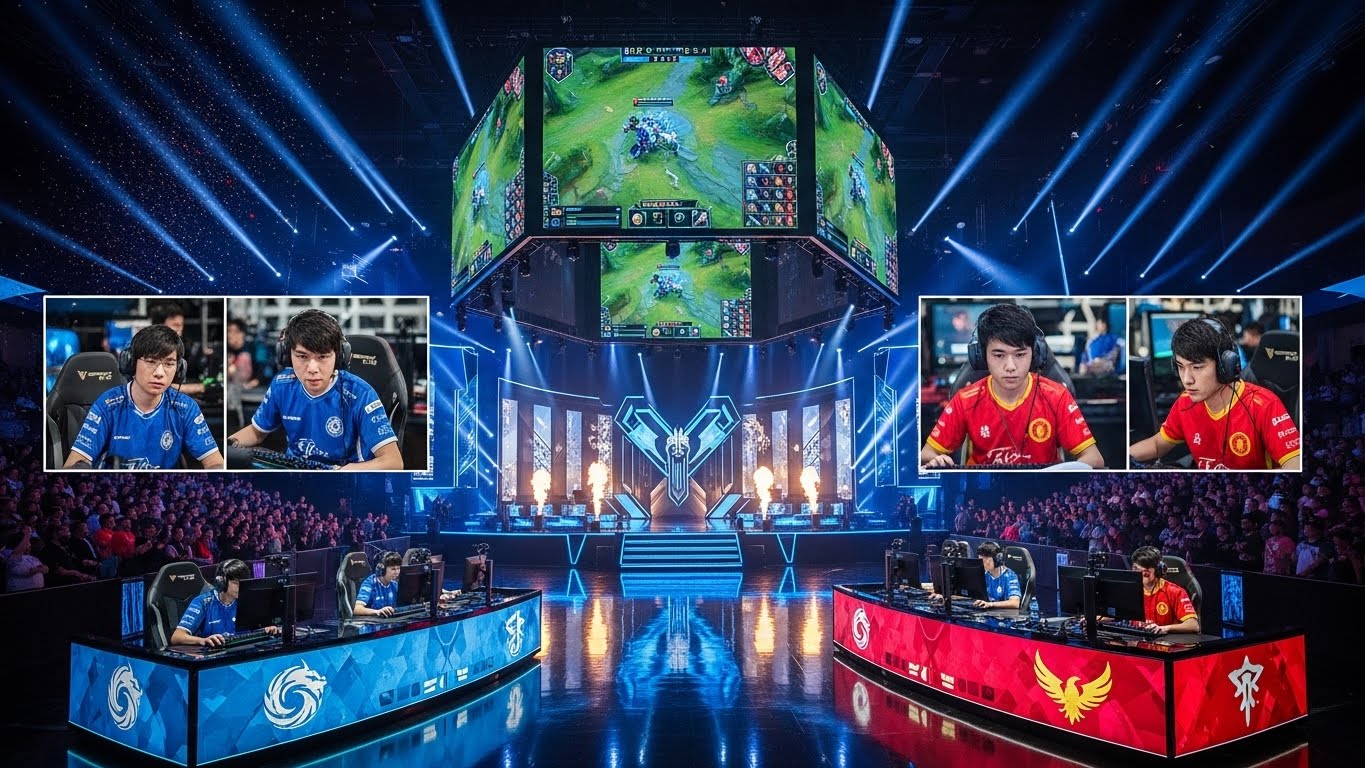
By the 2010s, esports had become a structured, professional industry. Developers began creating games designed for competitive play, offering features that made games suitable for both players and spectators. Titles such as League of Legends, Dota 2, and Counter-Strike: Global Offensive became the backbone of professional esports, each with organized leagues, professional teams, and fan communities.
Professional leagues offered salaried positions for players, coaching staff, and management teams. Sponsorships and brand partnerships became a significant part of the esports ecosystem, with major companies recognizing the marketing potential of reaching a young, tech-savvy audience. These sponsorships allowed for larger tournaments, bigger prize pools, and improved production quality, further legitimizing esports as an industry.
The Esports Ecosystem: Players, Teams, and Fans
Esports is supported by a complex ecosystem of players, teams, organizations, and fans. Unlike traditional sports, physical attributes are less important than skill, strategy, and mental agility. This inclusivity has allowed a diverse group of individuals to compete professionally.
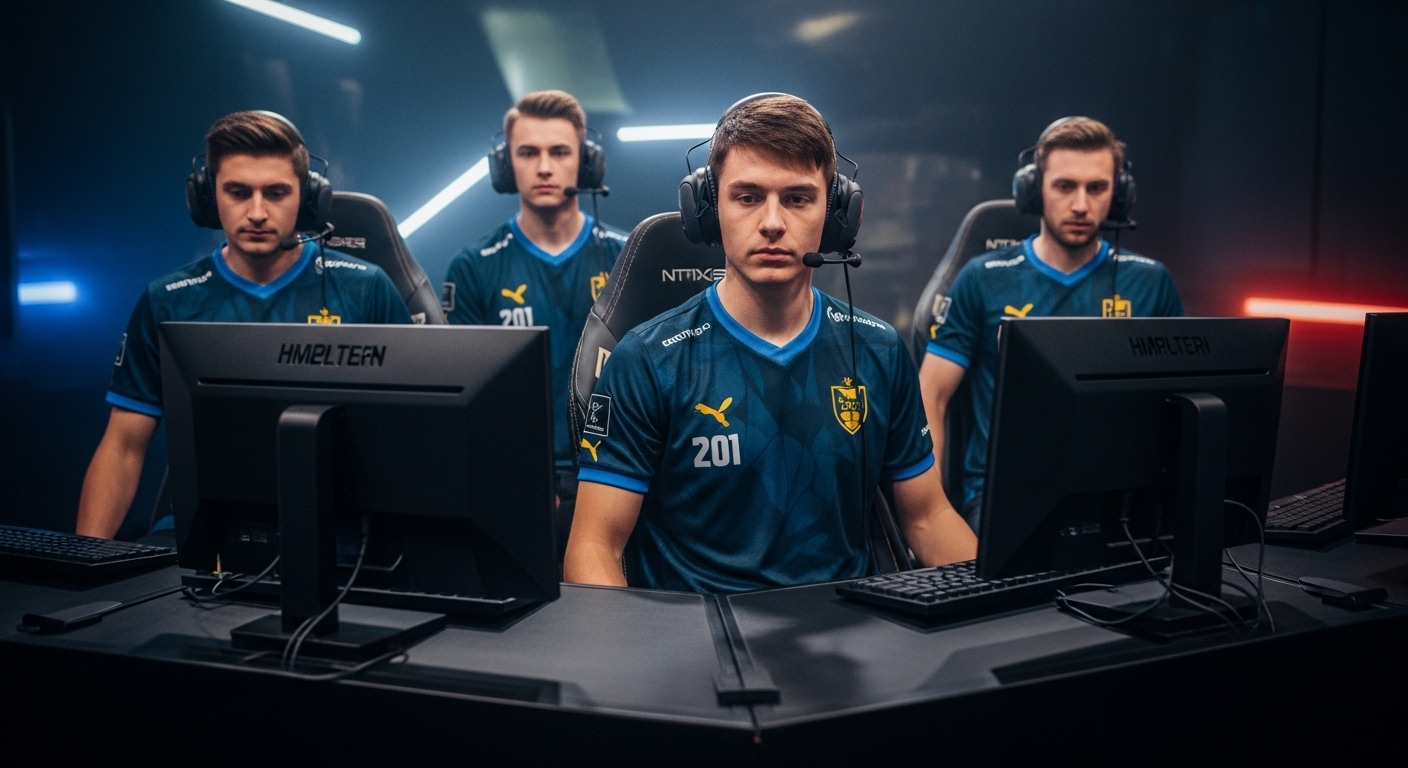
Teams typically consist of players, coaches, analysts, and managers. Coaches develop strategies, while analysts examine opponents to identify weaknesses. Managers oversee logistics, sponsorships, and team coordination. Esports organizations often manage multiple teams across different games, providing stability and resources for professional growth.
Fans play a critical role in esports. They engage with players through social media, live streams, and online communities, creating a unique interactive culture. Merchandise, fan events, and community interactions foster loyalty and strengthen the connection between players and audiences. The fanbase is not limited geographically; esports has a truly global audience that follows competitions from all corners of the world.
Streaming Platforms: Expanding the Audience and Experience
The rise of streaming platforms has been a major factor in esports growth. Platforms like Twitch and YouTube Gaming allow gamers to broadcast matches live, interact with fans in real-time, and monetize their content through subscriptions and donations. This accessibility has transformed the way esports is consumed, making it possible for anyone with an internet connection to participate in or watch competitive gaming.
Streaming has also democratized exposure for aspiring professional players. Many top esports professionals started by streaming their gameplay, building audiences, and attracting attention from teams and sponsors. Live streams enhance engagement by allowing viewers to interact directly with players, ask questions, and even influence gameplay decisions, creating a unique participatory culture.
Esports as a Career: Opportunities and Challenges
Esports offers legitimate career opportunities for players, coaches, analysts, commentators, and content creators. Professional players can earn income through salaries, tournament winnings, sponsorships, and streaming revenue. Major tournaments often feature prize pools in the millions, making esports financially rewarding for top talent.
However, pursuing a career in esports comes with challenges. The competitive nature of the industry requires long hours of practice, mental resilience, and strategic thinking. Players often experience physical strain and burnout due to intense schedules and repetitive movements. Early retirement is common, but many retired players transition to coaching, content creation, or management roles, allowing them to remain active within the industry.
Cultural and Societal Impact of Esports
Esports has had a significant impact on global culture. It creates social connections among people who share a passion for gaming, transcending language and geographic barriers. Fan communities organize events, online discussions, and viewing parties, cultivating a sense of belonging.
Education has embraced esports as well. Many colleges offer scholarships for esports players, while schools incorporate esports programs to teach teamwork, strategy, and leadership. The industry has also driven technological innovation, including improvements in gaming hardware, high-speed internet infrastructure, and broadcast technology. Game developers continue to design titles with competitive play in mind, fostering innovation in both gameplay and spectator experience.
The Future of Esports: Innovation and Growth
The future of esports promises continued growth and innovation. With increasing global audiences, larger tournaments, and mainstream media coverage, esports is becoming a leading form of entertainment. Emerging technologies such as virtual reality and augmented reality may create new competitive formats, while mobile esports is expanding access to competitive gaming worldwide.
Esports may also intersect with traditional sports, sharing venues, broadcasting strategies, and audience engagement methods. Discussions about esports inclusion in global sporting events, including the Olympics, highlight its growing legitimacy and recognition. As the industry evolves, esports will continue to innovate, inspire, and redefine what it means to compete in the digital age.
Conclusion: Esports as a Cultural and Competitive Revolution
Esports has transformed from a small hobby into a global phenomenon that impacts entertainment, technology, and culture. It has created opportunities for professional careers, inspired global communities, and established itself as a legitimate industry. From its origins in arcades and LAN tournaments to the international championships of today, esports exemplifies the power of digital innovation and human skill.
As esports continues to grow, its influence will expand across education, technology, and entertainment. It is more than just a game; it is a cultural movement that unites players, fans, and innovators worldwide. Esports is redefining competition for the digital age, proving that the arena of the future is not defined by a stadium, but by connection, skill, and imagination.