Introduction: From Passion to Profession
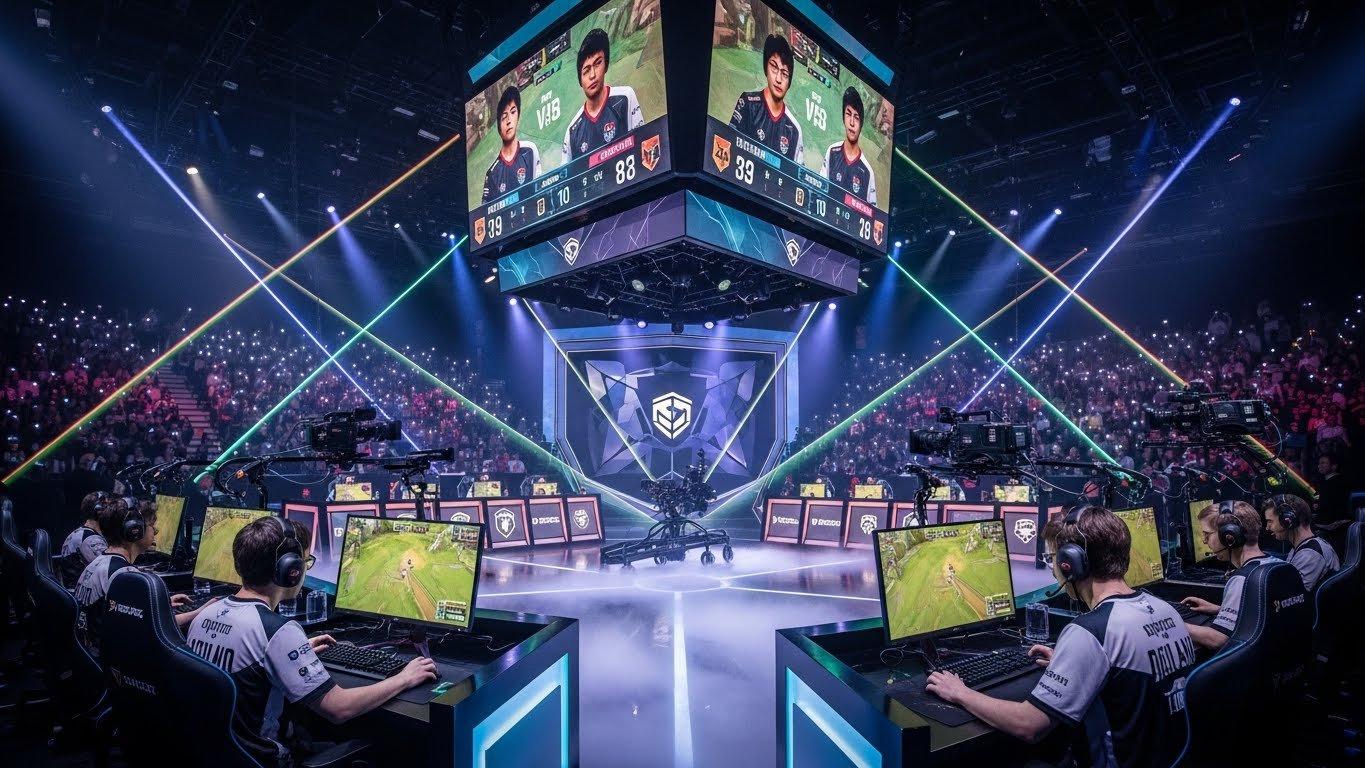
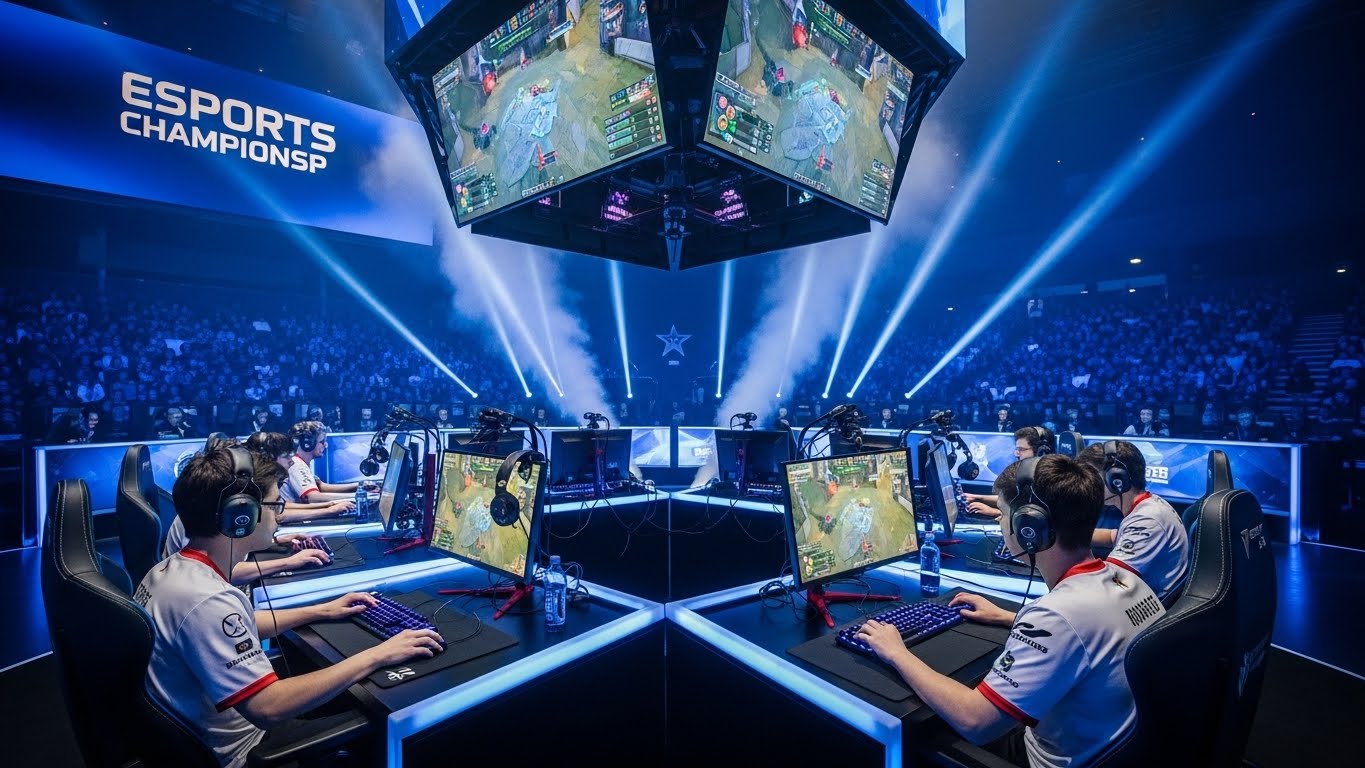
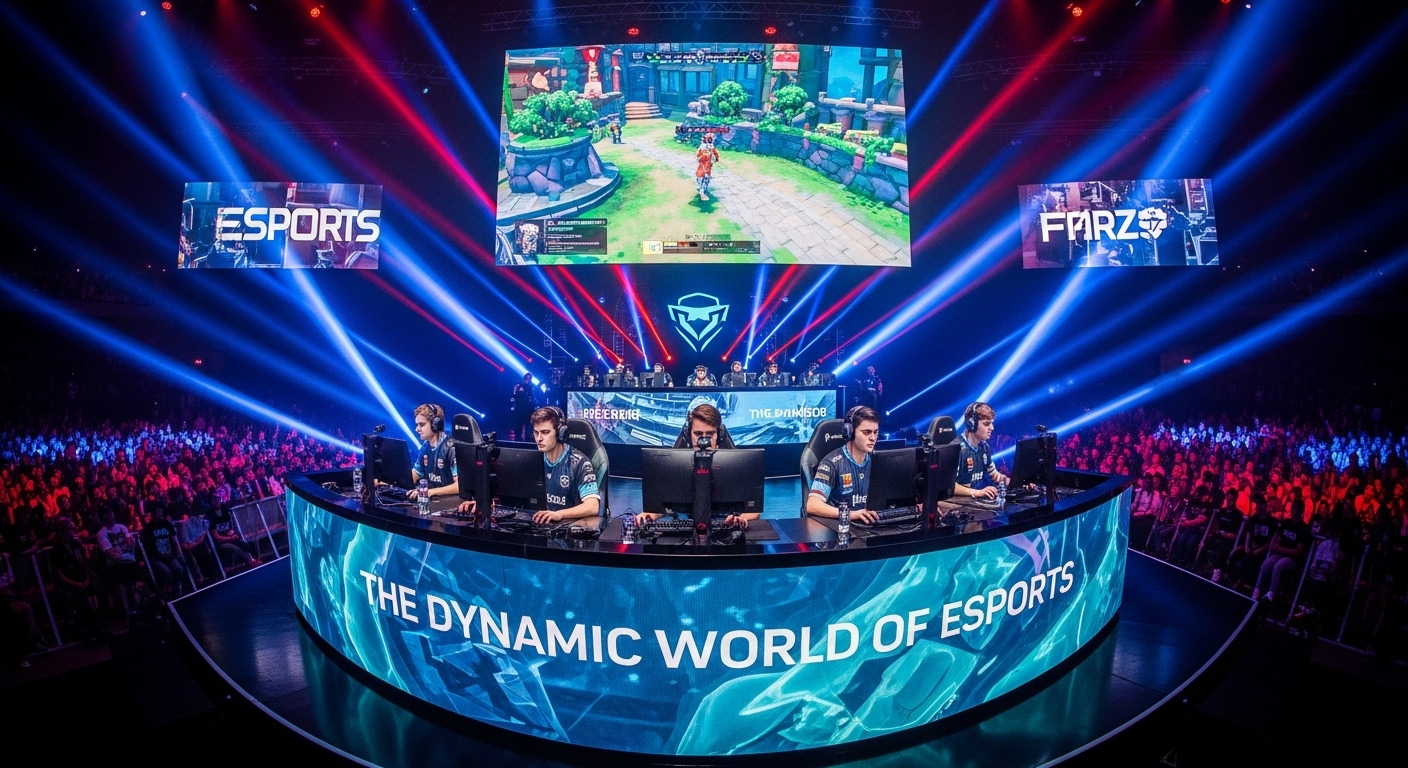
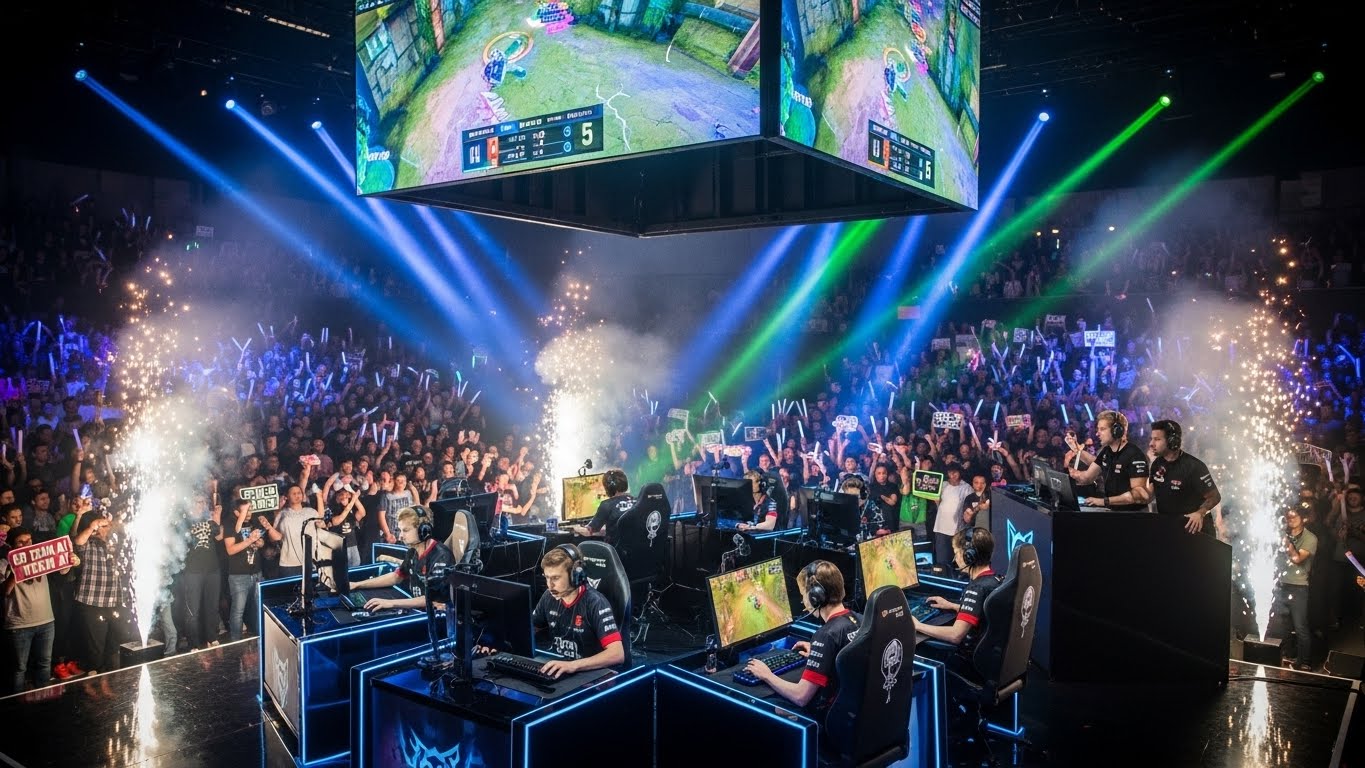
In the past few decades, esports—competitive video gaming—has skyrocketed in popularity, transforming from a niche hobby into a global phenomenon. What was once considered a casual pastime has now evolved into a multi-billion-dollar industry with professional athletes, global tournaments, and millions of passionate fans. In this post, we will explore the rise of esports, its cultural impact, and its journey from the living room to the main stage. Whether you’re a casual gamer, an esports enthusiast, or someone curious about the phenomenon, this post will provide a comprehensive look at the world of competitive gaming.
The Early Days of Competitive Gaming
The roots of esports trace back to the early days of gaming itself. While video games have existed since the late 20th century, it wasn’t until the 1990s that competitive gaming began to take shape. In its early form, gaming competitions were small-scale affairs, often held in local arcades or school hallways. One of the first major milestones in competitive gaming was the 1997 Red Annihilation tournament, which saw players from around the world compete in Quake, a first-person shooter that quickly gained a reputation as a competitive game.
These early competitions laid the groundwork for esports as we know it today. They fostered a sense of community among players who shared a passion for gaming, even if it was a niche interest at the time. The events were grassroots in nature—there were no massive sponsorship deals, no major media coverage, and little monetary reward. But they sparked something much bigger: a shared belief that video games could be more than just entertainment—they could be a competitive sport.
The Internet and the Birth of Online Esports
As the internet became more widespread in the late 1990s and early 2000s, the possibilities for competitive gaming expanded. The shift from localized LAN (local area network) tournaments to global online competitions was a game-changer. Online multiplayer games allowed players to compete against opponents from all corners of the globe without leaving their homes.
Games like StarCraft, Warcraft III, and Counter-Strike became iconic in the early years of online esports. These titles introduced strategic gameplay, teamwork, and competitive formats that would go on to define modern esports. StarCraft, for example, became an obsession in South Korea, where it helped foster a professional gaming scene that continues to thrive today. Korean players achieved rock-star status, with dedicated fans filling stadiums to watch their favorite competitors.
The rise of esports websites and streaming platforms also made a massive difference in the growth of the industry. Twitch, for example, launched in 2011 and quickly became the go-to platform for watching live gaming streams. It provided a place for players to showcase their talents, for fans to engage with their favorite competitors, and for sponsors to advertise directly to the gaming community.
Professionalization and the Rise of Esports Organizations
As esports began to grow, so too did the need for more structured competition. Professional teams, coaches, analysts, and managers started to emerge, mirroring traditional sports teams. Organizations like Team Liquid, Cloud9, and Fnatic formed in the mid-2000s, signing players to contracts, providing salaries, and supporting their efforts to become professional competitors. These teams helped establish the framework for what would later become esports leagues.
In 2013, the creation of the League of Legends Championship Series (LCS) by Riot Games marked a significant step in the professionalization of esports. The LCS allowed players to compete in a structured, franchised league with regular seasons, playoffs, and finals. This helped turn esports into a spectator sport, attracting millions of viewers. Over time, other major titles such as Dota 2, Counter-Strike: Global Offensive, and Overwatch followed suit, creating their own professional leagues and tournaments.
Esports organizations began to establish a variety of different positions within their teams. Players were no longer just playing for fun—they were part of a bigger system that included managers, analysts, coaches, and fitness experts. This shift reflected the growing recognition of esports as a legitimate career path, with players now able to support themselves financially through sponsorships, team salaries, and tournament winnings.
The Global Esports Industry: Sponsorship, Media, and Money
Today, esports is a multi-billion-dollar industry. It’s no longer just about passionate fans cheering from the sidelines—it’s a global business. A significant portion of esports revenue comes from sponsorships and advertising. Brands from all over the world are eager to tap into the lucrative esports market, which has a young, tech-savvy audience. Companies like Intel, Coca-Cola, Nike, and Red Bull have all signed major sponsorship deals with esports teams and tournaments, bringing a level of financial stability and professionalism to the industry.
The growing popularity of esports has also led to increased media coverage and broadcasting deals. Major media companies like ESPN, Disney, and NBC now cover esports events, broadcasting tournaments and matches to a wider audience. Streaming platforms such as Twitch, YouTube, and Facebook Gaming have also played a pivotal role, providing a direct connection between fans and players. In fact, the global viewership of esports tournaments is now rivaling that of traditional sports. For example, the League of Legends World Championship draws millions of viewers each year, and The International (a Dota 2 tournament) is one of the largest prize pool events in the world.
Esports’ economic impact goes beyond just prize money and sponsorships. It has also spurred the growth of esports journalism, event organizing, merchandise sales, and esports-related content creation. Some esports players have even become influencers, streaming content, creating YouTube channels, and growing massive followings across social media platforms.
Esports and Cultural Impact
Esports has had a profound impact on global culture, particularly within the gaming community. It has become more than just a form of entertainment; it’s a way of life for many people. Fans engage with esports on a deep level, not just by watching tournaments but by creating and sharing content related to their favorite players and teams. From fan art to memes, esports culture has permeated mainstream social media, and players themselves often become influencers in their own right.
Esports also has the power to bring people together from diverse backgrounds. One of the defining features of esports is its inclusivity. Players from all over the world, with different cultural backgrounds and languages, come together to compete on the same stage. This international aspect has created a global community that transcends geographical borders. Esports provides a unique opportunity for people to form friendships and connections with others who share a similar passion, regardless of where they come from.
Moreover, esports has led to the rise of gaming as a respected career. What was once seen as a waste of time is now viewed as a legitimate profession. Universities and schools around the world are offering esports scholarships and even establishing their own esports programs. In some cases, esports athletes are seen as role models for the younger generation, inspiring them to pursue careers in gaming, content creation, and even game development.
The Future of Esports
The future of esports is bright, with the industry expected to continue its growth in the coming years. Several factors will contribute to this expansion. First and foremost, the rise of virtual reality (VR) and augmented reality (AR) technology could open up new possibilities for competitive gaming, creating immersive, next-generation experiences that will attract even more viewers and participants.
Another major factor is the increasing recognition of esports as a legitimate sport. We have already seen major organizations like the International Olympic Committee (IOC) express interest in including esports in the Olympic Games, though debates about whether esports should be classified as a “real” sport continue to surface. Regardless of the debate, esports is rapidly becoming an integral part of mainstream culture.
Esports will also continue to expand into new markets around the world, including regions like Asia, Latin America, and Africa, where gaming culture is thriving. As more players and fans join the esports ecosystem, the industry’s potential will continue to grow, both financially and culturally.
Conclusion: The New Frontier of Sports and Entertainment
Esports has evolved from a niche hobby into a global cultural and economic powerhouse. It’s no longer just about playing games for fun—it’s about building careers, establishing brands, and fostering a new kind of competition that transcends geographical and cultural boundaries. As esports continues to grow, it will undoubtedly change the way we think about entertainment, competition, and even the future of sports themselves. For players, fans, and industry stakeholders alike, esports is no longer a question of “if” but “when” the next great moment in the history of gaming will unfold. The digital arena is ready, and the world is watching.