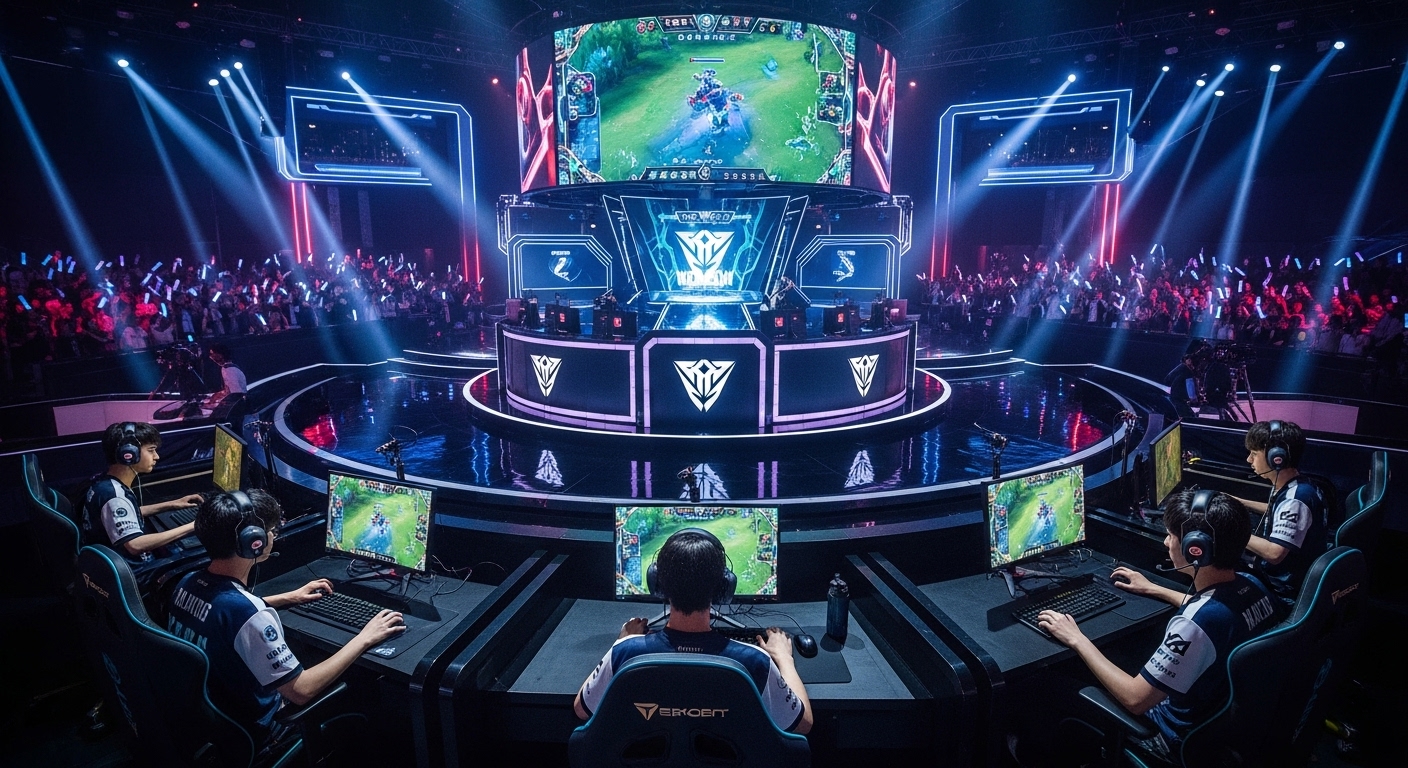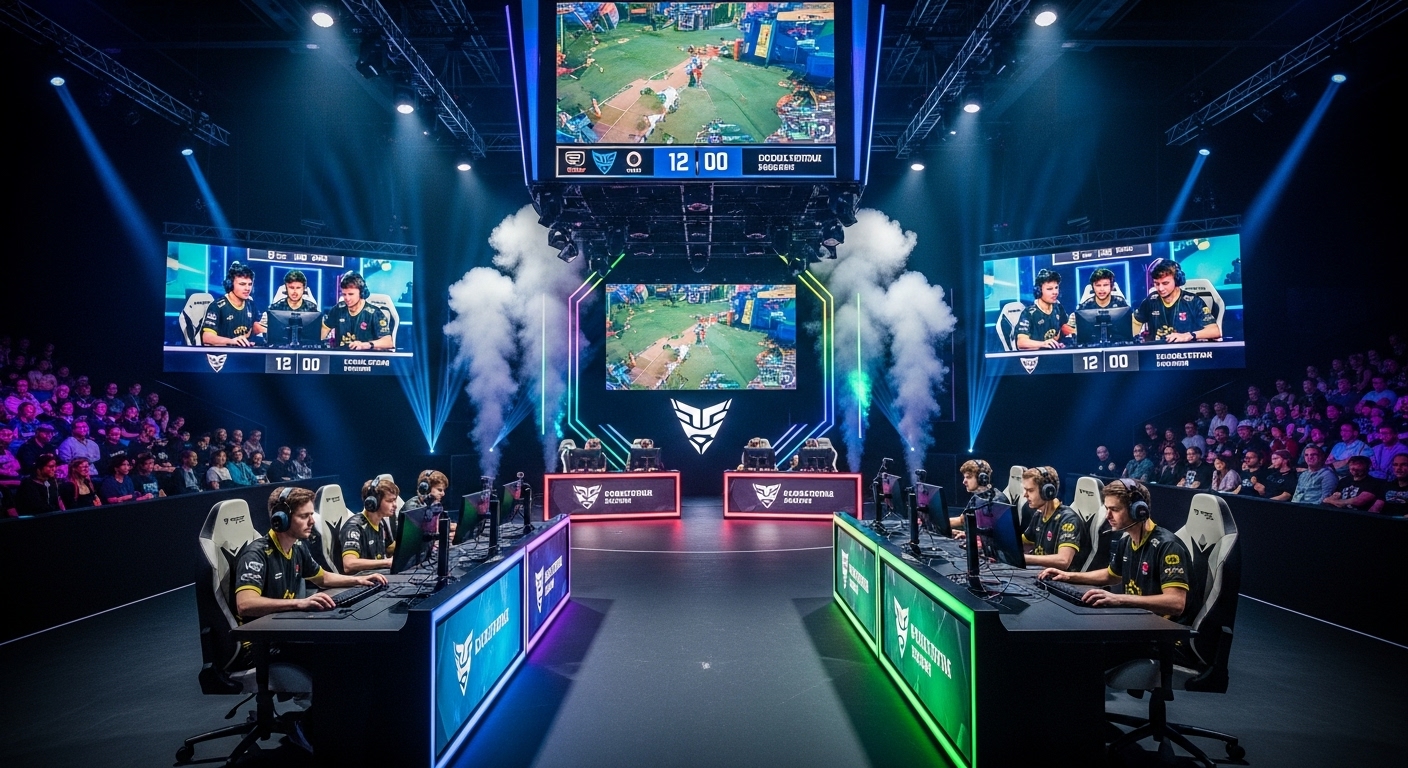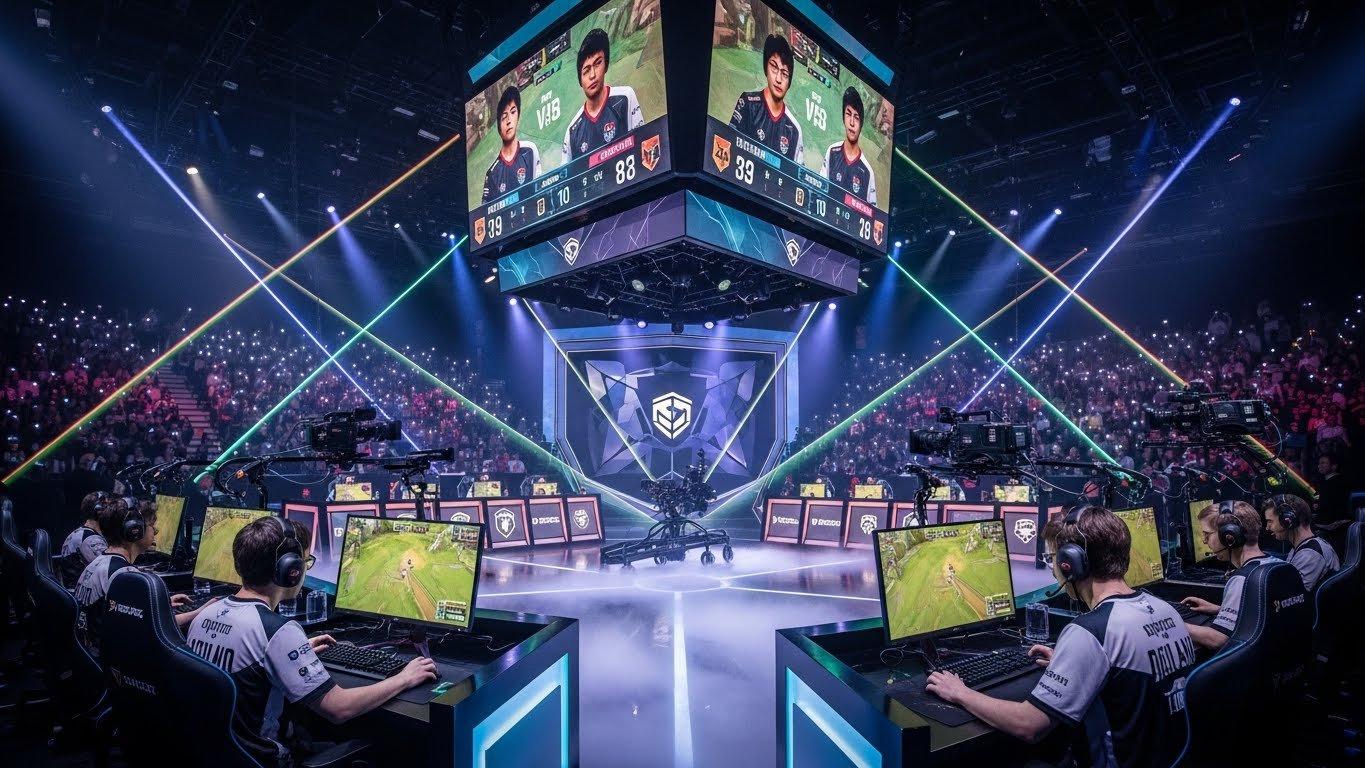
Esports has emerged as one of the most significant cultural phenomena of the 21st century. From humble beginnings in the form of local tournaments and gaming communities to becoming a multi-billion-dollar industry with global appeal, competitive gaming has redefined entertainment for millions. What was once a pastime for hobbyists has grown into a professional career path, with players, coaches, analysts, and content creators now thriving within the esports ecosystem. But how did we get here, and what does the future hold for esports as it continues to break new ground in the world of sports and entertainment?
In this post, we’ll take a deep dive into the evolution of esports, its rise to global prominence, the factors driving its success, and what makes this industry one of the most exciting and dynamic sectors of the entertainment world today.
The Humble Beginnings of Esports
The story of esports begins with the early days of competitive gaming. In the late 1990s and early 2000s, video games were primarily seen as a form of entertainment for casual players. Yet, as more players began to compete in multiplayer games like StarCraft, Quake, and Warcraft, small local tournaments began to emerge. These competitions, often held at LAN (Local Area Network) centers or conventions, were grassroots events designed for players to test their skills against one another in a competitive setting.
One of the first significant milestones in esports was the formation of organized leagues such as the Cyberathlete Professional League (CPL) in 1997. The CPL, which was one of the earliest gaming tournaments to offer cash prizes, laid the foundation for the concept of professional esports. While the prize pools were modest compared to the multi-million-dollar tournaments we see today, this was a crucial step toward legitimizing esports as a competitive pursuit.
As the years went on, more tournaments began to emerge. Events like World Cyber Games (WCG), Electronic Sports World Cup (ESWC), and DreamHack attracted players from around the world, turning esports into a global phenomenon. However, it wasn’t until the late 2000s and early 2010s that esports truly began to gain mainstream attention.
The Rise of Streaming Platforms and Global Reach
One of the most transformative developments in the rise of esports was the advent of streaming platforms. In 2011, the launch of Twitch, a live streaming platform dedicated to video game content, changed the landscape of competitive gaming forever. Twitch enabled gamers to broadcast their gameplay to a global audience in real time, allowing fans to watch, interact, and engage with their favorite players. This revolutionized the way people consumed gaming content and created a direct connection between players and viewers.
The introduction of Twitch helped shift the dynamics of esports in several ways. It allowed esports organizations and tournament organizers to broadcast events live, attracting millions of viewers from across the world. With the ability to showcase events in real time, esports grew from a niche interest to a cultural phenomenon. Major tournaments like the League of Legends World Championship and The International (Dota 2’s premier event) began to generate millions of viewers online, cementing esports as a legitimate form of entertainment.
The global reach of streaming also opened up opportunities for aspiring players to build fan bases and for sponsors to reach a highly engaged and tech-savvy audience. By 2014, Amazon’s acquisition of Twitch for nearly $1 billion was a clear indication of the massive potential of esports and live streaming as a business model.
The Professionalization of Esports
As esports gained popularity, it evolved into a fully professionalized industry. What started as a hobby for passionate gamers became a career path for players, coaches, analysts, and commentators. Teams were no longer just groups of friends playing together; they became well-structured organizations with coaches, managers, sponsors, and support staff working to maximize performance.
The rise of esports organizations such as Team Liquid, Fnatic, Cloud9, and SK Telecom T1 marked the beginning of a new era for competitive gaming. These organizations began to invest heavily in player development, offering salaries, housing, and training facilities to their players. Teams became more competitive, with structured training regimens that mirrored those of traditional sports teams.
Professional esports players, much like athletes in other sports, began to gain significant recognition and financial reward. Top-tier players from games like League of Legends, Counter-Strike: Global Offensive (CS:GO), and Overwatch could command six-figure salaries, and the prize pools for major tournaments reached millions of dollars. In 2018, the League of Legends World Championship offered a prize pool of over $6 million, while The International in Dota 2 consistently raises prize pools through crowd funding, with the 2019 event surpassing $34 million.
Sponsorships became a vital revenue stream for esports organizations. Global brands such as Intel, Coca-Cola, Nike, and Red Bull signed multi-million-dollar deals with teams and tournaments, further validating esports as a serious business. Esports was no longer just a hobby; it was a highly competitive and profitable industry.
Esports and Traditional Sports: A Growing Intersection
Over the past decade, we have witnessed a fascinating convergence between traditional sports and esports. As the esports industry continued to grow, traditional sports teams and leagues began to take notice. In 2018, Overwatch League launched, featuring professional esports teams representing cities, much like major sports leagues such as the NBA or NFL. Teams like the Los Angeles Gladiators, Boston Uprising, and London Spitfire attracted mainstream attention and sponsorships from major sports companies.
Major sports organizations also started to invest in esports teams and leagues. The Philadelphia 76ers, New England Patriots, and Dallas Cowboys are just a few examples of traditional sports teams that have entered the esports space. This shift helped further legitimize esports and drew comparisons to traditional sports leagues in terms of organization, fanbase, and sponsorships.
Another major milestone in the intersection of esports and traditional sports came in 2020 when the NBA 2K League (a professional esports league for the NBA 2K video game) gained prominence. The NBA’s involvement in esports demonstrated how video games could serve as a digital extension of traditional sports, attracting a younger demographic and expanding the global reach of both industries.
The Financial Power of Esports
Esports has quickly become one of the most lucrative industries in entertainment. According to recent reports, the global esports market is expected to generate more than $1.6 billion in revenue by 2024. This growth is driven by multiple revenue streams, including sponsorships, advertising, media rights, merchandise, and ticket sales for live events.
The sheer scale of esports tournaments also contributes to the growing financial power of the industry. Major esports events, such as the League of Legends World Championship and The International, sell out large arenas and generate millions of dollars in ticket sales and merchandise. These events are broadcast to millions of fans across the globe, with streaming platforms and television networks sharing in the revenue generated from viewership.
With its massive global audience and increasing corporate investment, esports is poised to continue growing as a financial powerhouse. However, the continued success of the industry will depend on its ability to adapt to shifting market dynamics and attract new sponsors, viewers, and players.
The Global Appeal of Esports
One of the most remarkable aspects of esports is its ability to unite people from all corners of the globe. Unlike traditional sports, which may have regional limitations due to language barriers, geography, or infrastructure, esports thrives on the internet and can be enjoyed by anyone with a computer or a mobile device. Whether it’s a high-stakes Dota 2 tournament in Shanghai or a League of Legends match in Los Angeles, esports brings people together in a way that few other forms of entertainment can.
Countries like South Korea, China, the United States, and Europe have been at the forefront of esports development, with professional leagues, organizations, and tournaments firmly established in these regions. However, esports is rapidly growing in regions like Southeast Asia, Latin America, and the Middle East, where mobile gaming is particularly popular. The universal appeal of gaming and the digital nature of esports make it a truly global entertainment medium.
Esports in Education and Career Development
As esports becomes more integrated into mainstream culture, educational institutions are beginning to embrace competitive gaming as a viable career path. Colleges and universities around the world are offering scholarships to esports players and creating formal programs focused on game design, esports management, and broadcasting.
In fact, many high schools have also begun to establish esports teams, allowing students to compete in regional and national tournaments. This provides young players with opportunities to develop their skills and potentially pursue a professional career in esports. As the industry matures, we can expect to see a growing number of educational programs and career pathways dedicated to various aspects of esports.
Looking Ahead: The Future of Esports
The future of esports is incredibly bright, with several key trends poised to shape the industry in the coming years. As technology continues to evolve, so too will the way fans experience esports. Advances in virtual reality (VR) and augmented reality (AR) could transform live-streaming and tournament spectating, providing more immersive experiences for viewers.
Additionally, the rise of mobile gaming will continue to expand the reach of esports to new audiences. Games like PUBG Mobile and Free Fire have seen significant growth in regions such as Southeast Asia, Latin America, and India, and mobile esports will likely become a central part of the global esports ecosystem.