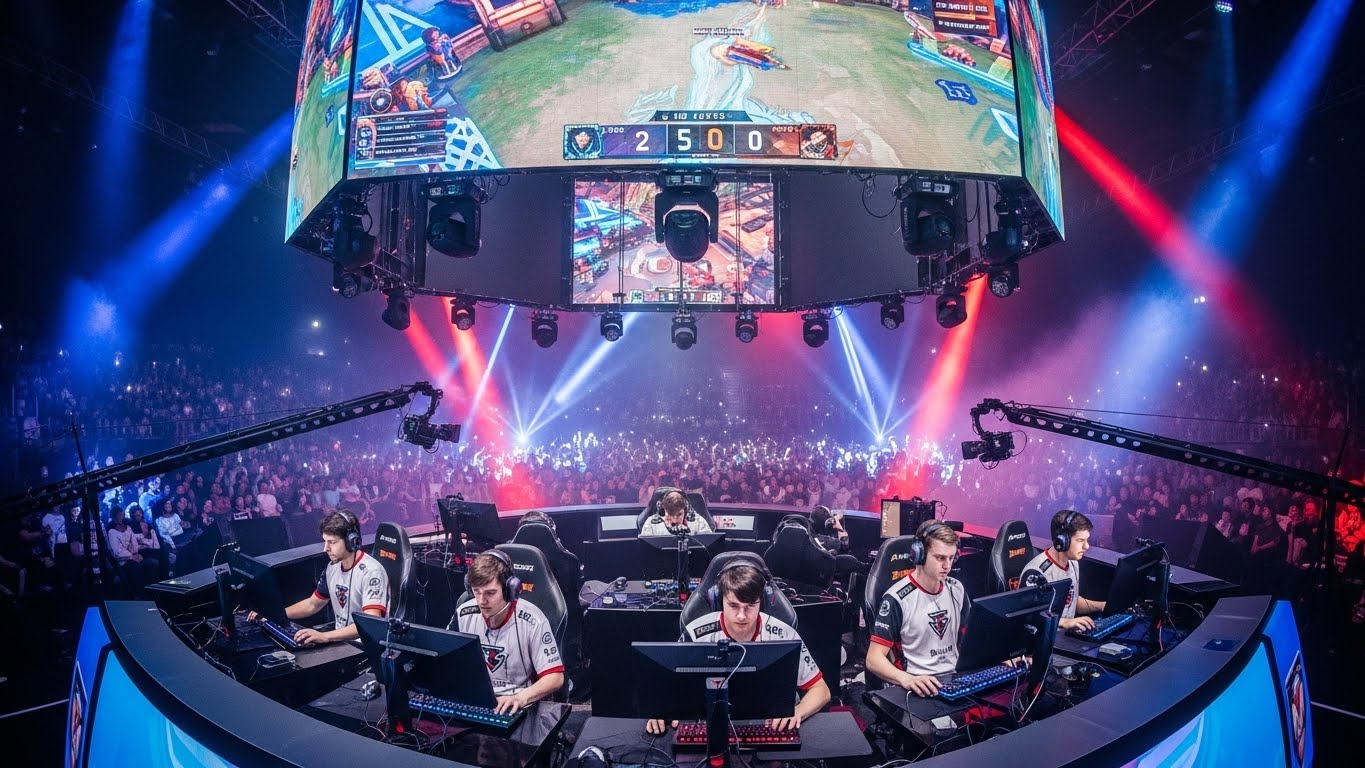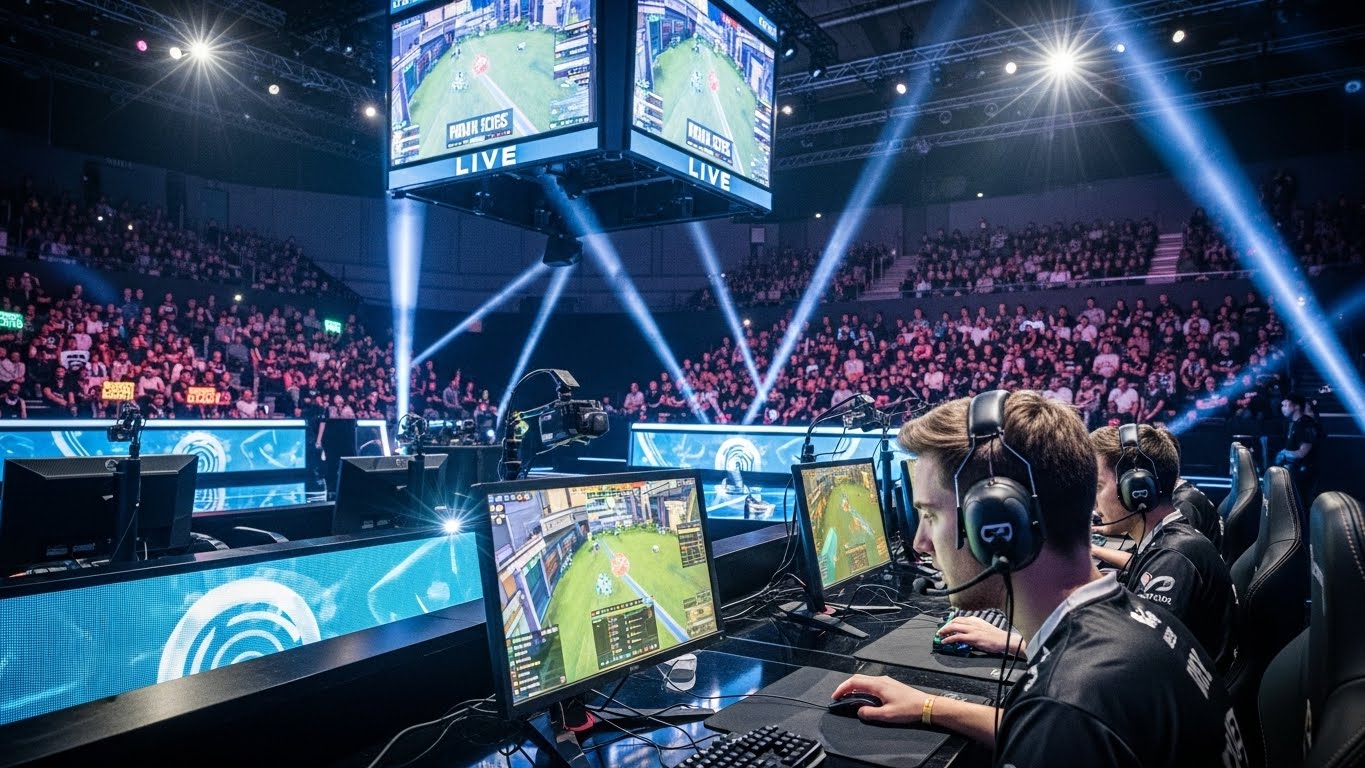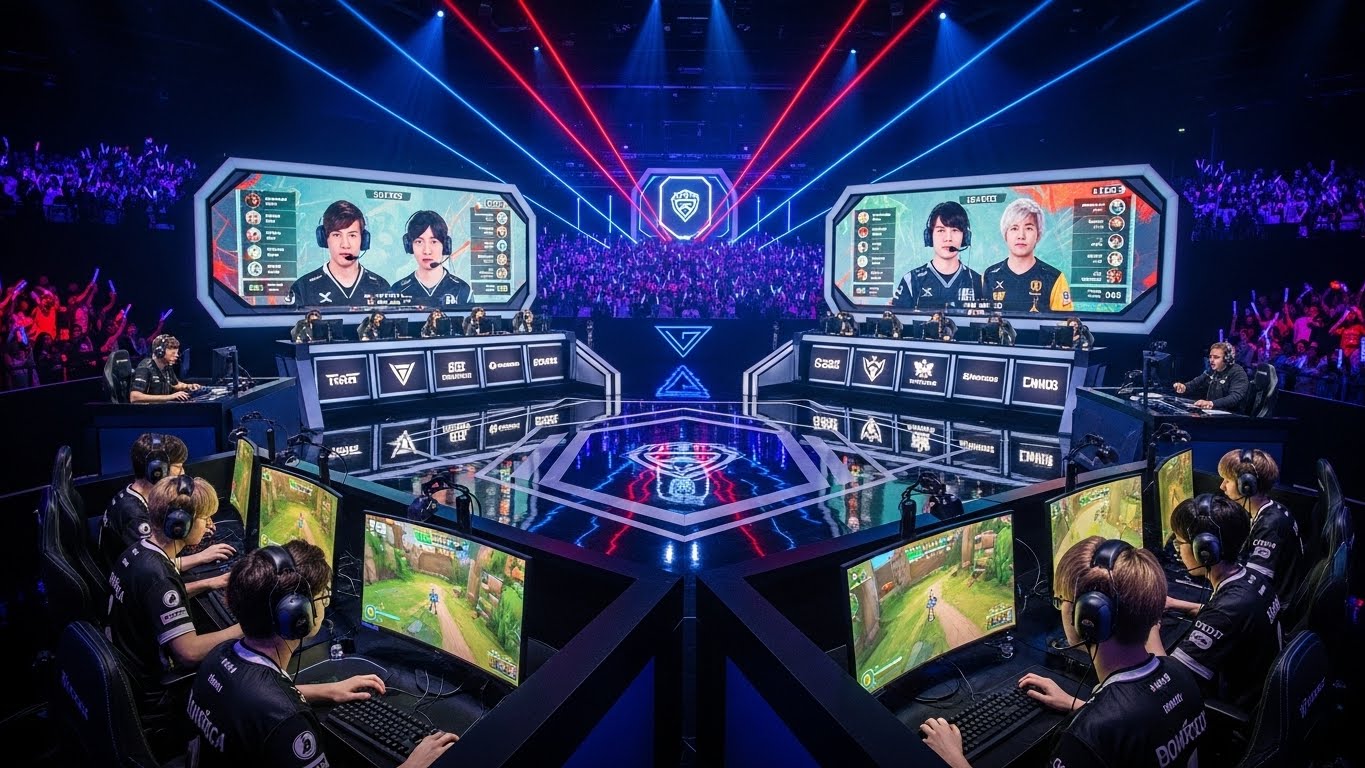
Esports, short for electronic sports, has evolved from a niche hobby into a global phenomenon, captivating millions of fans and redefining the concept of competition. What started as casual gaming among friends has transformed into a multi-billion-dollar industry, complete with professional teams, international tournaments, and dedicated fanbases. This post explores the world of esports, its growth, influence on culture, challenges, and its potential to shape the future of entertainment and sports alike.
Understanding Esports: More Than Just Gaming
At its core, esports refers to competitive video gaming where players or teams face off in structured tournaments. Popular games include first-person shooters, strategy games, sports simulations, and multiplayer online battle arenas. Unlike traditional sports, esports relies heavily on digital platforms, advanced technology, and a highly connected global audience. However, just like conventional sports, esports demands strategy, teamwork, skill, and rigorous training. The intensity of competition and the skill level of professional players often mirrors that of top-tier athletes.
The Explosive Growth of Esports
The growth of esports over the past decade has been nothing short of extraordinary. With millions of viewers tuning in to major tournaments, esports has become a mainstream form of entertainment. Events like the League of Legends World Championship or Dota 2’s The International attract audiences comparable to traditional sports finals. Streaming platforms and social media have amplified this growth, enabling fans to watch live gameplay, interact with players, and participate in virtual communities. The accessibility and digital nature of esports have made it a truly global phenomenon, connecting players and fans across continents.
Esports as a Career Path
Esports is no longer just a hobby; it offers viable career opportunities. Professional players earn substantial salaries, sponsorship deals, and tournament winnings. Beyond playing, careers in esports include coaching, commentary, team management, event organization, marketing, and content creation. Universities and institutions are even offering esports scholarships, recognizing the skills and dedication required to excel in this field. For many young enthusiasts, esports represents a legitimate and rewarding career path, transforming passion into profession.
Mental and Cognitive Benefits of Esports
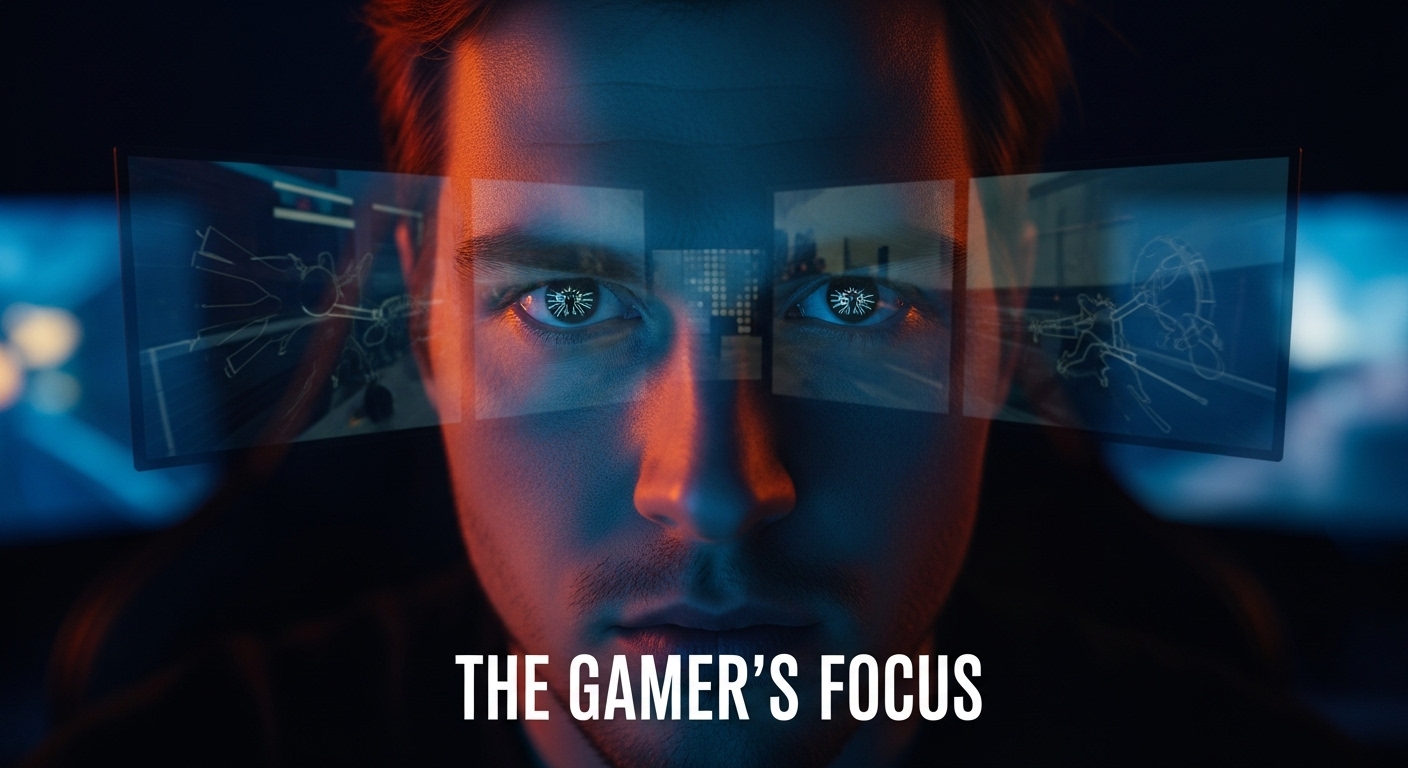
Contrary to the stereotype that gaming is purely recreational, esports can provide significant cognitive benefits. Competitive gaming enhances problem-solving skills, strategic thinking, and quick decision-making. Players must analyze opponents’ strategies, adapt in real-time, and anticipate outcomes—skills that translate into real-world scenarios. Coordination, reflexes, and multitasking abilities improve as players navigate complex in-game mechanics. Additionally, esports fosters persistence and resilience, teaching players to learn from mistakes and continuously strive for improvement.
The Social and Community Aspect of Esports
Esports is inherently social. Players often form teams, clans, or guilds, building strong communities around shared interests. Fans engage in forums, streaming chats, and social media discussions, creating a sense of belonging and camaraderie. For many, esports is not just about playing games—it’s about being part of a community that celebrates competition, teamwork, and shared passion. Online tournaments and LAN events further reinforce social bonds, offering opportunities for players and fans to connect in both virtual and physical spaces.
The Role of Technology in Esports
Technology is the backbone of esports. High-performance computers, gaming consoles, streaming platforms, and advanced networking infrastructure enable seamless competition and engagement. Game developers continuously innovate, introducing new features, balancing mechanics, and creating immersive experiences that enhance the competitive landscape. Analytics and performance-tracking tools allow players to refine strategies and improve skills, while streaming technology enables real-time broadcasting to millions of viewers worldwide. The interplay between technology and esports ensures that the industry evolves rapidly, maintaining its relevance and excitement.
Esports and Its Cultural Impact
Esports has become a cultural force, influencing fashion, entertainment, and media. Popular players achieve celebrity status, inspiring fans and shaping trends. Esports tournaments often include music performances, cosplay events, and interactive fan experiences, blending gaming culture with broader entertainment. Moreover, esports has played a role in breaking down stereotypes about gaming, showcasing the skill, strategy, and professionalism required at the highest levels. The integration of esports into mainstream culture reflects its growing legitimacy and significance.
Economic Influence of Esports
The esports industry generates significant economic impact. Revenue streams include tournament prize pools, sponsorships, advertising, merchandise, and streaming subscriptions. Major tournaments draw global audiences, attracting corporate partnerships and investments. The growth of esports infrastructure, such as dedicated arenas, training facilities, and production studios, contributes to job creation and local economies. Even casual esports events at schools and communities stimulate interest and engagement, demonstrating that the financial potential of esports extends from grassroots to professional levels.
Challenges Facing the Esports Industry
Despite its rapid rise, esports faces several challenges. The industry grapples with issues such as burnout among professional players, unequal representation, and lack of standardized regulations. Mental and physical health concerns, including stress, repetitive strain injuries, and sedentary lifestyles, require attention. Additionally, esports must address accessibility barriers to ensure inclusivity across gender, socioeconomic status, and geography. Overcoming these challenges is essential to sustain growth, maintain competitive integrity, and protect the well-being of participants.
Esports and Education
Education is increasingly recognizing the value of esports. Schools and universities are incorporating esports programs to teach teamwork, leadership, communication, and technology skills. Competitive gaming can enhance learning outcomes, promoting engagement and motivation among students. Academic courses in esports management, game design, and broadcasting prepare students for industry careers. By integrating esports into education, institutions equip students with practical skills while fostering creativity, strategic thinking, and collaboration.
Esports as a Tool for Global Connectivity
Esports transcends borders. Online competitions and international tournaments connect players from different cultures, languages, and regions. These interactions promote cultural exchange, global understanding, and collaboration. Unlike traditional sports, esports eliminates many logistical barriers, enabling participation from anywhere with an internet connection. This global accessibility makes esports a powerful medium for connecting people, promoting unity, and celebrating diversity.
The Future of Esports
The future of esports looks dynamic and promising. Advancements in virtual reality, augmented reality, and artificial intelligence could redefine gaming experiences and competition formats. Emerging markets are likely to expand esports’ reach, introducing new audiences and talent. Inclusivity, sustainability, and ethical governance will shape industry standards, ensuring equitable opportunities for participants. As technology continues to evolve and cultural acceptance grows, esports is poised to remain a central part of entertainment, sports, and digital culture for years to come.
Conclusion: Esports as a Modern Phenomenon
Esports represents a remarkable shift in how competition, entertainment, and culture intersect. It combines skill, strategy, technology, and community, creating an immersive and impactful experience for players and fans alike. From cognitive and social benefits to economic and cultural influence, esports demonstrates that gaming is far more than a pastime—it is a profession, a lifestyle, and a global movement. As it continues to grow, esports challenges traditional notions of sports, inspiring a new generation to level up, both on and off the screen.