Esports, or electronic sports, is no longer a niche subculture. What began as a small community of competitive gamers has exploded into a global phenomenon, shaping the entertainment industry, and attracting millions of fans and players from around the world. From thrilling tournaments to massive sponsorship deals, esports has firmly established itself as a legitimate sport, with a cultural impact far beyond the gaming world. But what does the rise of esports mean for the future of entertainment, sports, and society as a whole? Let’s dive into the history, the evolution, and the significance of esports today.
The Early Days: From Arcades to Online Tournaments
Esports has roots that stretch back decades, beginning with the rise of competitive gaming in the late 20th century. In the 1980s and 1990s, arcades were the epicenters of gaming competition. Players competed against each other in classic games like Pac-Man, Space Invaders, and Street Fighter, but these contests were informal and local, lacking the structure and global appeal we associate with modern esports.
The turning point came in the late 1990s and early 2000s, with the advent of the internet and online multiplayer games. Titles such as Quake, StarCraft, and Warcraft III enabled players from different corners of the world to face off against each other in virtual arenas. These games formed the backbone of the first large-scale online tournaments and set the stage for the esports industry to evolve.
In 1997, the Red Annihilation tournament for Quake marked one of the first significant esports competitions, with a grand prize that included a Ferrari. This tournament, among others, demonstrated the potential for esports to be a serious, competitive pursuit, attracting attention from outside the gaming world. Fast forward to 2000, and the World Cyber Games (WCG) was launched, further cementing the idea of esports as a global, professional endeavor.
The Growth of Esports: Professionalization and Global Appeal
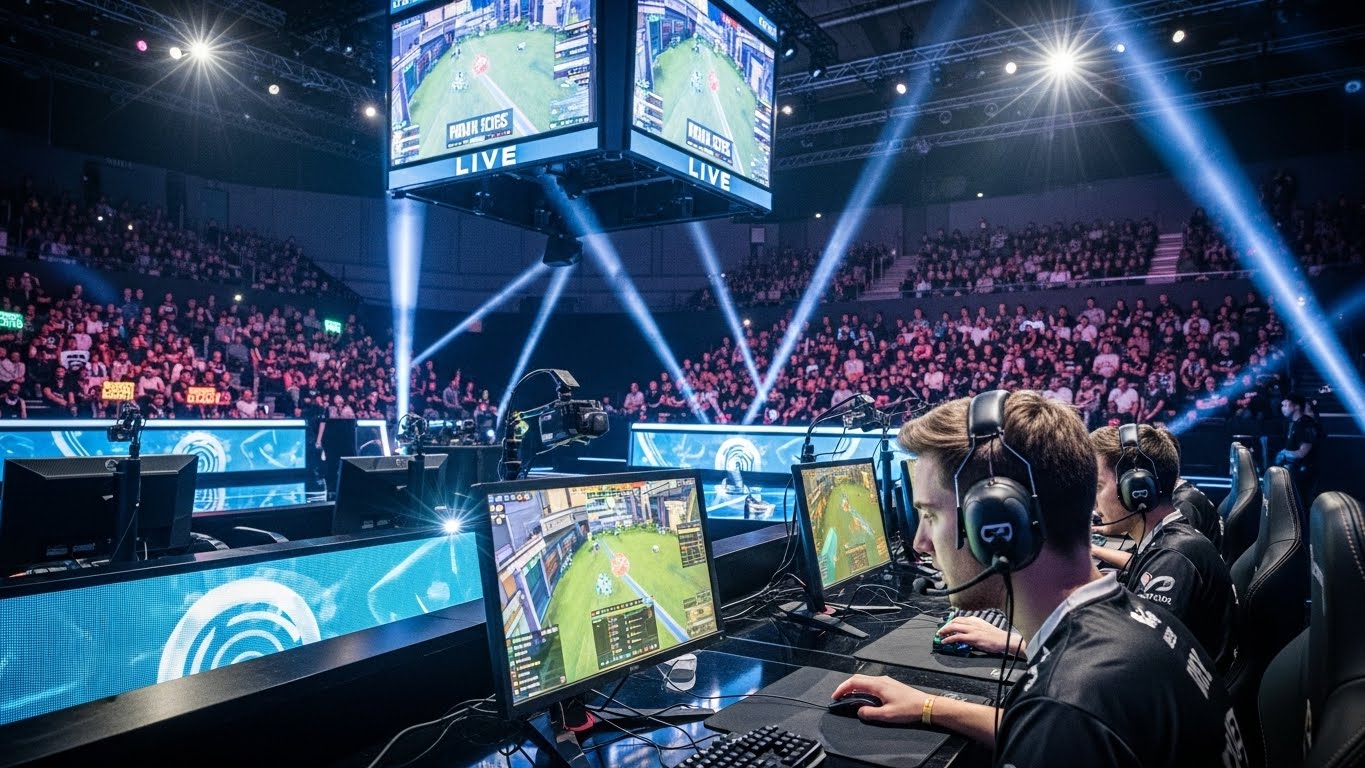
The real growth of esports began in the 2010s. Streaming platforms like Twitch, YouTube, and later Facebook Gaming allowed fans to watch their favorite players and teams compete live. The accessibility of these platforms dramatically expanded the global reach of esports, bringing competitive gaming into the homes of millions.
One of the key factors in the success of esports has been its ability to create both a viewing and playing experience that mirrors traditional sports. Much like a football game or a basketball match, esports tournaments feature high levels of skill, teamwork, and drama. Games like League of Legends, Dota 2, Counter-Strike: Global Offensive, and Overwatch provide complex mechanics and strategies that keep both players and spectators engaged for hours. Esports also fosters a sense of community, with teams, fanbases, and content creators building brands around popular games.
As competitive gaming gained traction, sponsors began to take notice. Major brands such as Coca-Cola, Intel, and Red Bull started investing in esports teams and events. These sponsorships helped esports professionals and organizations grow financially, offering cash prizes, merchandise deals, and endorsement contracts. Esports’ massive audience, with millions of viewers watching online streams and live broadcasts, has proven to be highly attractive to advertisers, leading to a massive increase in funding and infrastructure.
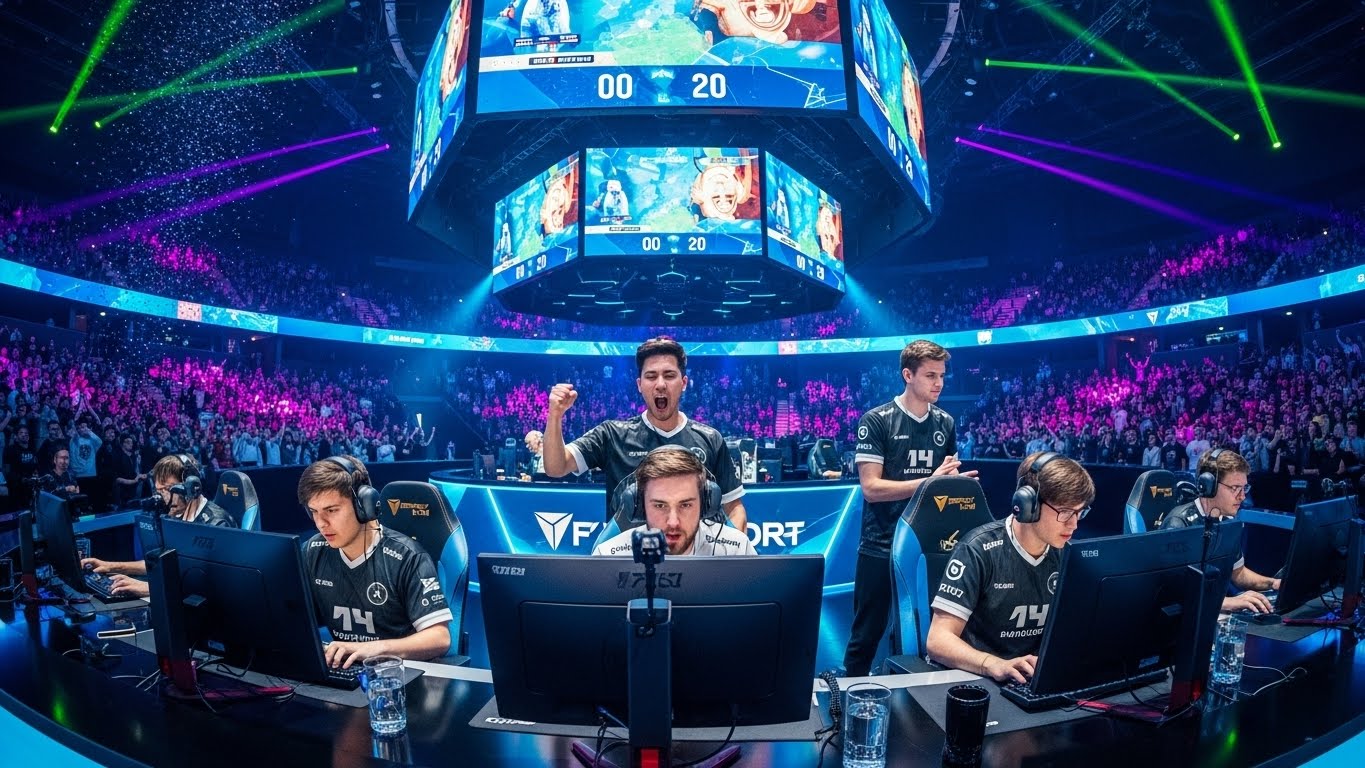
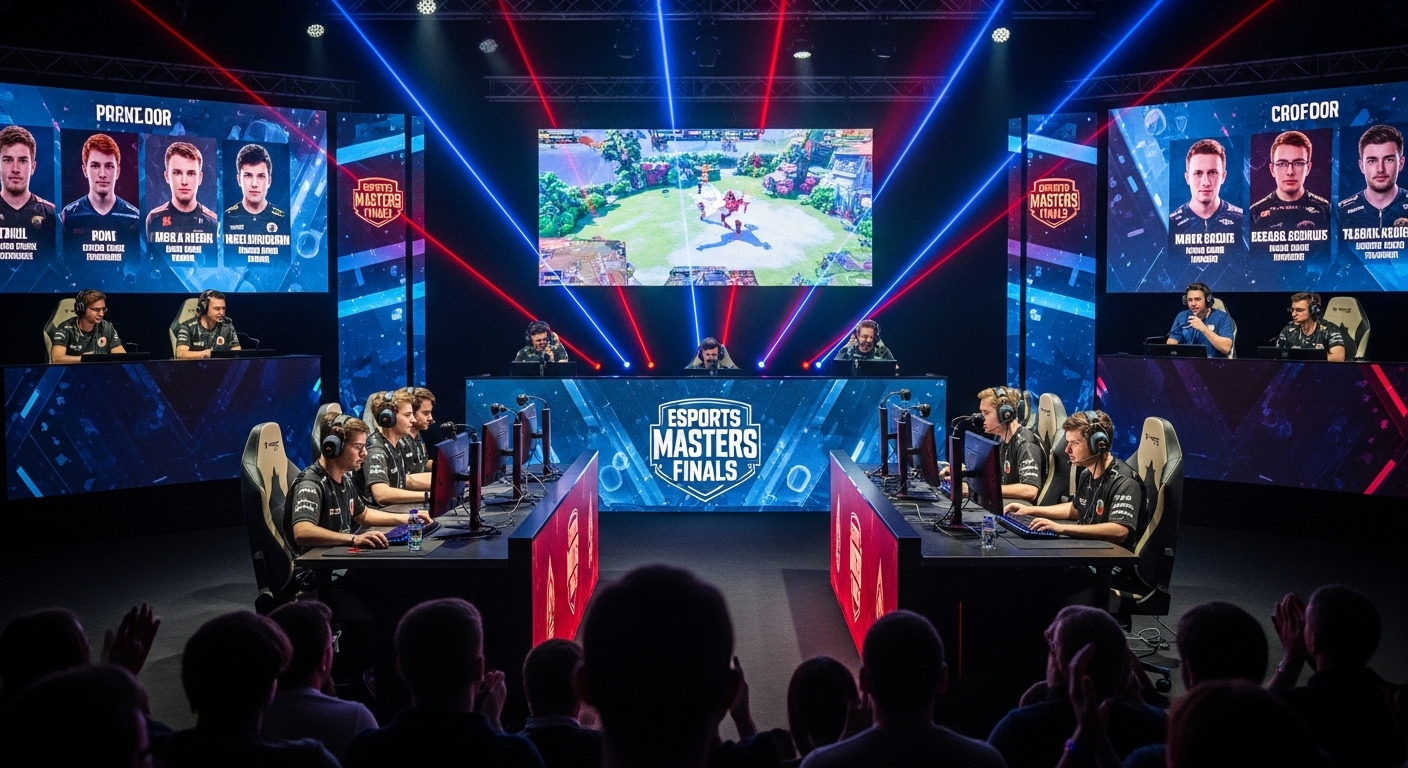
By 2018, the global esports industry was worth over $1 billion, and this number has only continued to grow. Esports events now fill stadiums, such as the League of Legends World Championship Finals at the AccorHotels Arena in Paris, or The International for Dota 2, which has taken place at iconic venues like the Rogers Arena in Vancouver. The popularity of these events has shown that esports is no longer confined to the realm of niche hobbies; it has emerged as a legitimate form of entertainment with the same cultural relevance as traditional sports.
The Esports Ecosystem: Teams, Tournaments, and Content Creators
The esports ecosystem is a complex web of organizations, players, fans, and content creators, all contributing to the continued growth and popularity of competitive gaming. Understanding how this ecosystem works is essential to grasp the full scale of esports’ impact.
Professional Esports Teams
At the heart of the esports industry are the professional teams. These teams, much like in traditional sports, sign players to multi-year contracts and train them to compete at the highest level. These players often undergo intense practice schedules, spending hours each day perfecting their skills. Teams may compete in multiple games, or they may specialize in one title, such as League of Legends or CS:GO.
Esports organizations are similar to traditional sports franchises in terms of branding, merchandising, and fan engagement. Teams like Cloud9, Fnatic, and T1 have loyal followings, and players such as Faker (Lee Sang-hyeok) and s1mple (Oleksandr Kostyliev) have reached celebrity status. These players not only represent their teams but also build their own personal brands, collaborating with sponsors and creating content for their fans.
Tournaments and Leagues
Esports tournaments are the lifeblood of competitive gaming. Major tournaments like The International, League of Legends World Championship, and CS:GO Majors attract millions of viewers worldwide, and the prize pools for these events can be staggering. The International 2021, for example, had a prize pool of over $40 million, much of which was funded by the community through in-game purchases.
Tournaments typically follow a league structure, with qualifying rounds and regional leagues leading up to major international events. These tournaments are broadcasted live on platforms like Twitch, with commentators and analysts providing insights into the action. The format of esports events often mirrors traditional sports leagues, with seasons, playoffs, and finals creating a dynamic and compelling viewing experience.
Content Creators and Streamers
In addition to professional players, content creators play a crucial role in the growth of esports. Streamers on platforms like Twitch and YouTube produce content that spans beyond gameplay. They engage with their audiences through Q&A sessions, behind-the-scenes footage, tutorials, and casual gaming streams. These creators help to build the community around esports, providing fans with access to exclusive content and helping to shape the culture of competitive gaming.
The influence of content creators has grown to such an extent that many of them have become celebrities in their own right. Streamers like Ninja (Tyler Blevins), PewDiePie (Felix Kjellberg), and Pokimane (Imane Anys) have millions of followers, and their reach extends far beyond gaming enthusiasts. The ability to connect with a broad audience has made content creators important figures in both the esports and entertainment industries.
Esports as a Career: The Professional Path
While playing video games may seem like a dream job to many, the road to becoming a professional esports player is anything but easy. Like traditional sports, it requires an immense amount of dedication, talent, and perseverance. Players must hone their skills, often spending upwards of 10-12 hours a day practicing. In addition to gameplay, players must also stay on top of the evolving meta of each game, adapting to balance changes, new strategies, and shifting team dynamics.
For most esports athletes, the journey begins at a young age. Many top-tier players start their careers as teenagers, participating in local tournaments and building a reputation in the online community. Once they gain recognition, they may be scouted by professional organizations, where they will enter into training programs and eventually compete in larger tournaments.
However, the career lifespan of an esports player is relatively short. The average age of a professional gamer is around 20-25 years, after which many players transition into coaching, broadcasting, or content creation. Despite this, the potential for high earnings is significant, with top players making millions of dollars through tournament prizes, sponsorships, and streaming deals.
Esports and Its Global Impact
Esports has transcended borders, with players, teams, and fans from all over the world coming together to celebrate competitive gaming. The global appeal of esports is one of the key factors in its meteoric rise. Esports tournaments are broadcast in multiple languages, and many games are designed to cater to different cultural preferences.
The rise of esports has also led to increased recognition of gaming as a legitimate form of entertainment. Governments and organizations have started to invest in esports infrastructure, with countries like South Korea leading the way in terms of government-backed esports programs and facilities. Many universities in the United States and Europe are offering esports scholarships and even creating dedicated esports programs for students.
The Future of Esports: A Growing Industry
Looking ahead, the future of esports is bright. As technology continues to evolve, we can expect more immersive and interactive esports experiences. Virtual reality (VR) and augmented reality (AR) could change the way fans engage with esports, allowing them to experience matches from the players’ perspectives or participate in the action themselves. Additionally, the increasing integration of artificial intelligence (AI) into esports could lead to more advanced training tools for players and more dynamic, unpredictable gameplay.
Esports is also likely to become a larger part of mainstream entertainment. With major media companies investing in esports broadcasting and rights deals, it is not far-fetched to imagine esports becoming as prevalent as traditional sports on television networks and streaming platforms.
Conclusion
Esports has gone from a niche hobby to a global entertainment juggernaut. With its massive online following, professional organizations, and widespread cultural impact, esports is a force to be reckoned with. As the industry continues to grow and evolve, one thing is clear: the future of competitive gaming has never looked brighter. Whether you’re a player, fan, or sponsor, there’s no doubt that esports is here to stay, and it will continue to shape the world of entertainment for years to come.