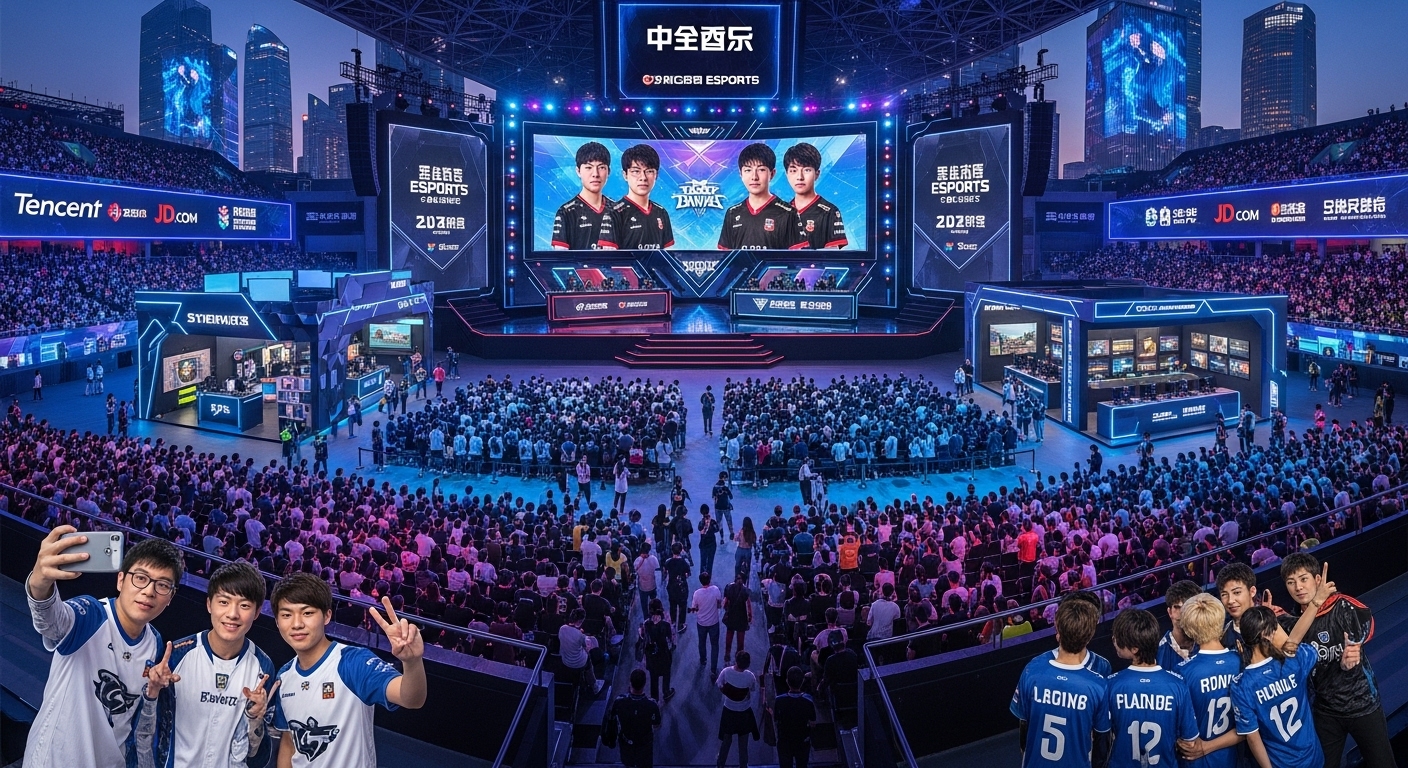
Mobile esports has evolved from a niche hobby to a global phenomenon, attracting millions of players and viewers worldwide. This transformation has been fueled by advancements in mobile technology, with 5G standing out as a pivotal enabler. The introduction of 5G networks brings unprecedented speed, low latency, and enhanced connectivity, all of which are crucial for the fast-paced and competitive nature of esports. In this comprehensive exploration, we delve into how 5G is reshaping mobile esports, from gameplay enhancements to the broader implications for the industry.
1. Understanding 5G Technology
Before delving into its impact on mobile esports, it’s essential to grasp what 5G technology entails. 5G, or fifth-generation wireless technology, is designed to provide faster speeds, lower latency, and more reliable connections compared to its predecessors. Key features include:
- Enhanced Data Speeds: 5G networks can deliver download speeds up to 10 Gbps, significantly surpassing 4G capabilities.
- Ultra-Low Latency: Latency can be reduced to as low as 1 millisecond, crucial for real-time applications like gaming.
- Increased Connectivity: 5G can support a massive number of devices simultaneously, ensuring stable connections even in crowded environments.
These advancements lay the foundation for a more immersive and responsive mobile esports experience.
2. Reducing Latency for Competitive Edge
In mobile esports, milliseconds can determine the outcome of a match. Traditional mobile networks often introduce latency, causing delays between a player’s action and the game’s response. This lag can be detrimental, especially in high-stakes competitions.
5G’s ultra-low latency addresses this issue by enabling near-instantaneous communication between the player’s device and the game server. This reduction in lag ensures that players’ actions are reflected in real-time, providing a more responsive and fair gaming environment.
3. Enhancing Gameplay with Higher Speeds
The high data transfer rates of 5G networks facilitate smoother gameplay by allowing for faster data transmission. This enhancement is particularly beneficial in mobile esports, where quick reflexes and real-time strategy are paramount.
- Faster Matchmaking: Players can connect to matches more swiftly, reducing wait times and improving the overall gaming experience.
- Seamless Game Updates: Game patches and updates can be downloaded rapidly, ensuring players have access to the latest features and fixes without prolonged downtime.
These improvements contribute to a more fluid and engaging esports experience.
4. Enabling Cloud Gaming on Mobile Devices
Cloud gaming allows players to stream games directly from servers, eliminating the need for high-end hardware. 5G’s high-speed connectivity makes cloud gaming more viable on mobile devices by:
- Reducing Buffering: The increased bandwidth ensures that game data is transmitted without interruptions, minimizing buffering times.
- Supporting High-Quality Graphics: 5G can handle the large data requirements of graphically intensive games, enabling high-resolution streaming on mobile devices.
This accessibility democratizes esports, allowing players with modest devices to participate in high-quality gaming experiences.
5. Facilitating Real-Time Multiplayer Experiences
Multiplayer games are a cornerstone of mobile esports. 5G enhances these experiences by:
- Supporting Large-Scale Matches: The increased bandwidth allows for more players to participate in a single match without compromising performance.
- Enabling Real-Time Interactions: Players can communicate and coordinate strategies with minimal delay, enhancing teamwork and competition.
These capabilities foster a more dynamic and interactive esports environment.
6. Empowering Developers with New Possibilities
The capabilities of 5G open new avenues for game developers in the mobile esports sector:
- Advanced Game Mechanics: Developers can implement more complex game mechanics that require real-time data processing.
- Enhanced Augmented Reality (AR) and Virtual Reality (VR) Integration: 5G’s low latency and high speeds enable more immersive AR and VR experiences, adding depth to mobile esports games.
- Dynamic Content Delivery: Developers can push real-time updates and content to players, keeping the gaming experience fresh and engaging.
These innovations contribute to the evolution of mobile esports, offering players more diverse and immersive experiences.
7. Expanding the Mobile Esports Ecosystem
5G’s impact extends beyond gameplay to the broader mobile esports ecosystem:
- Improved Live Streaming: Viewers can enjoy high-quality, lag-free streams of esports events, enhancing the spectator experience.
- Enhanced Spectator Engagement: Interactive features, such as real-time statistics and multi-angle views, become feasible with 5G, enriching audience participation.
- Global Accessibility: The widespread availability of 5G networks allows players and viewers from different regions to connect and participate in esports events seamlessly.
These developments contribute to the global growth and inclusivity of mobile esports.
8. Addressing Challenges and Considerations
While 5G offers numerous benefits, its implementation in mobile esports also presents challenges:
- Infrastructure Requirements: The deployment of 5G networks requires significant investment in infrastructure, which may not be uniformly available in all regions.
- Device Compatibility: Not all mobile devices are equipped to support 5G connectivity, potentially limiting access for some players.
- Data Consumption: The high data usage associated with 5G can lead to increased costs for players, especially in regions without unlimited data plans.
Addressing these challenges is crucial to fully realize the potential of 5G in mobile esports.
9. The Future of Mobile Esports with 5G
Looking ahead, the integration of 5G into mobile esports is poised to drive further innovations:
- Integration with Artificial Intelligence (AI): AI can be leveraged to create adaptive and personalized gaming experiences, enhancing player engagement.
- Development of New Game Genres: The capabilities of 5G may lead to the emergence of new game genres that capitalize on real-time data processing and connectivity.
- Expansion of Esports Tournaments: With improved connectivity, organizing large-scale, global esports tournaments becomes more feasible, promoting the growth of mobile esports as a mainstream entertainment form.
These advancements suggest a vibrant future for mobile esports, driven by the continued evolution of 5G technology.
10. Conclusion
5G technology is a game-changer for mobile esports, offering enhancements in speed, latency, and connectivity that are essential for competitive gaming. By addressing current limitations and enabling new possibilities, 5G is not only improving the player experience but also expanding the reach and inclusivity of mobile esports.