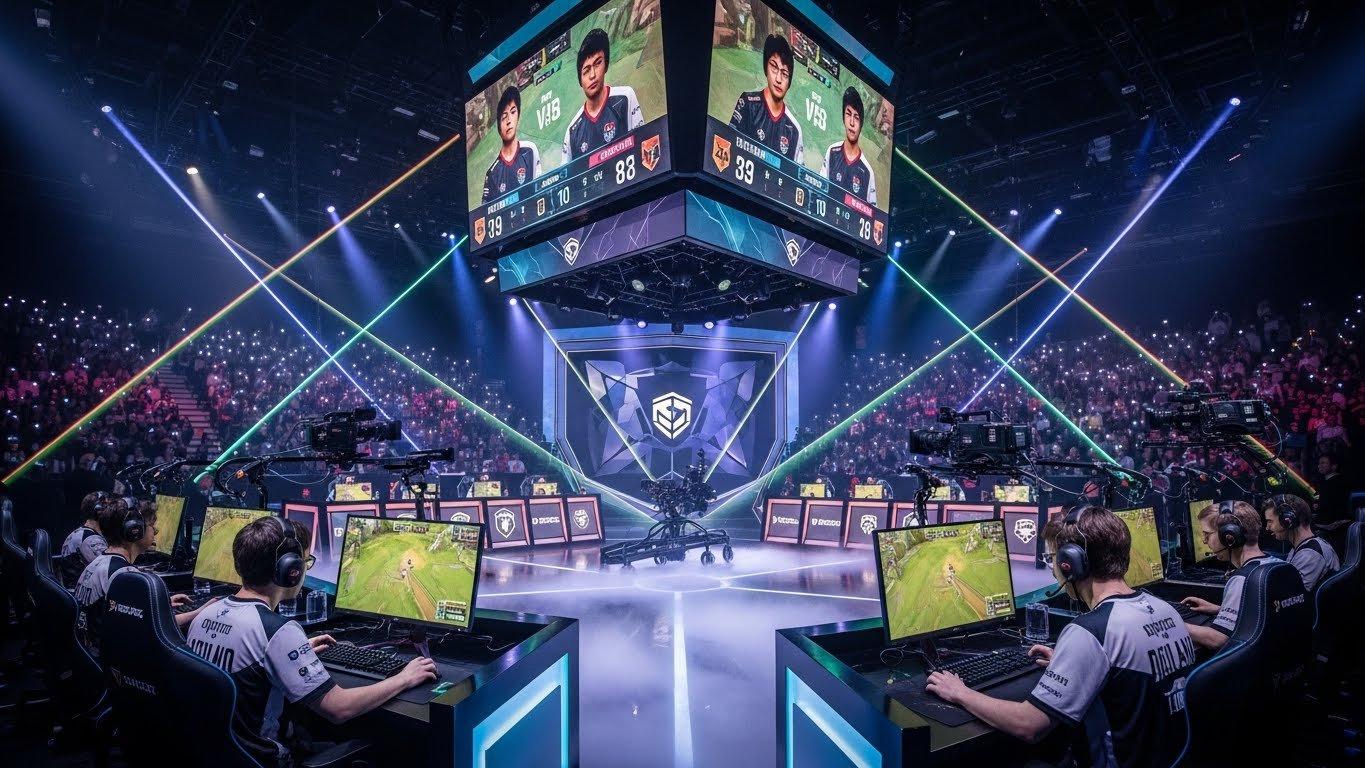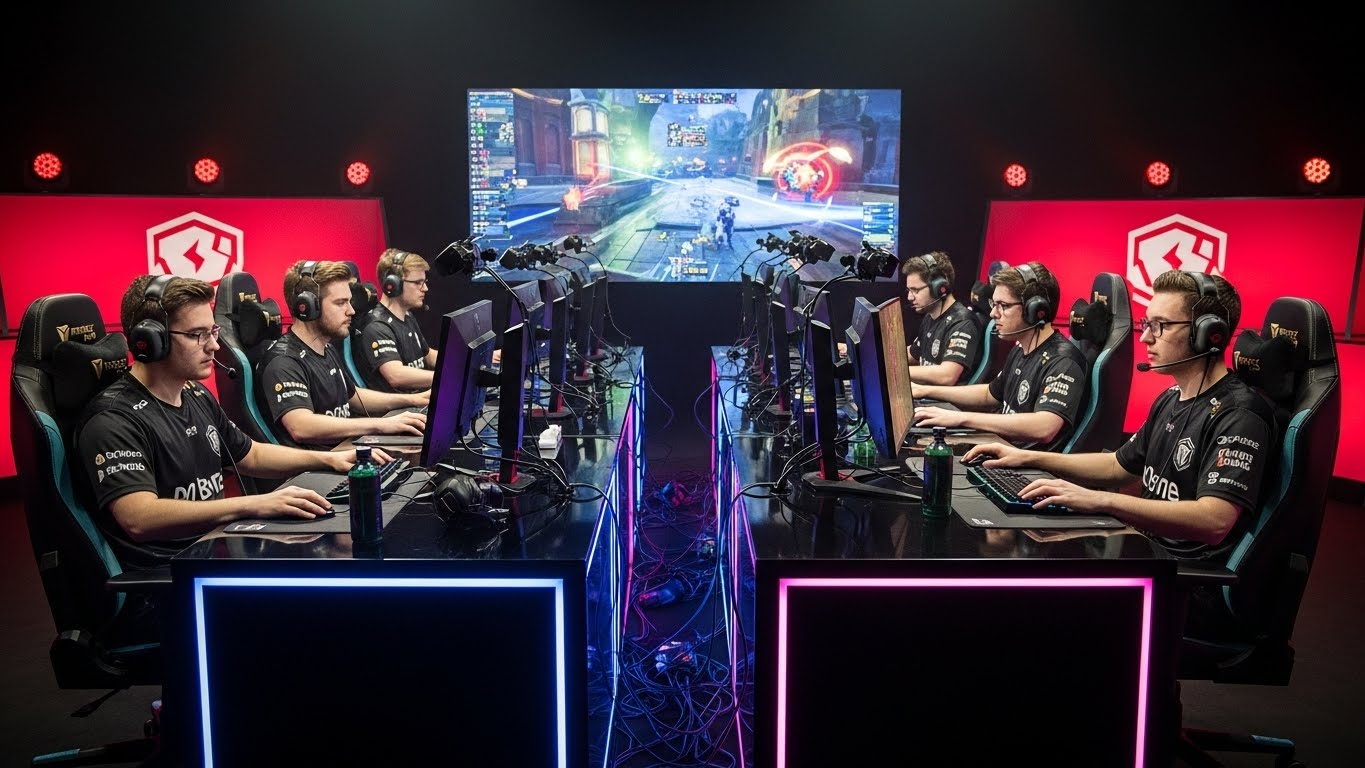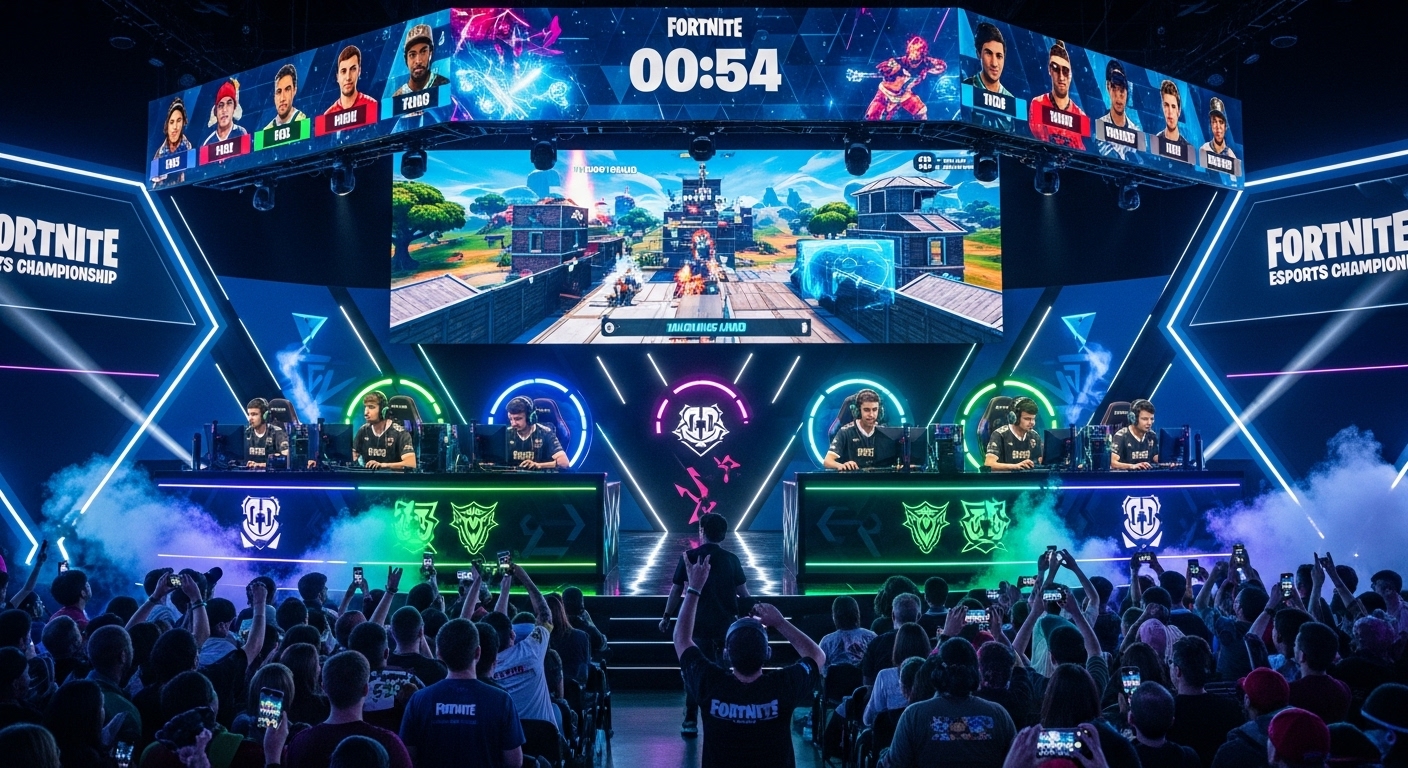
Esports has evolved dramatically over the past decade, transforming from niche online competitions into a global phenomenon with professional leagues, sponsorships, and multimillion-dollar tournaments. While skill, dedication, and strategy have always been fundamental to success, a new player has entered the field: Artificial Intelligence (AI). From analyzing gameplay to optimizing strategies, AI is reshaping how professional gamers train, learn, and improve their performance. This article explores the multifaceted ways AI is changing esports training and why it is becoming an indispensable tool in competitive gaming.
The Rising Importance of Training in Esports
Professional esports players spend hours each day honing their skills, practicing mechanics, studying opponents, and perfecting strategies. Unlike traditional sports, where physical conditioning and muscle memory dominate, esports emphasizes cognitive performance, reaction time, decision-making, and game sense. The pressure to perform at the highest level means that even minor improvements can have significant impacts on match outcomes.
Historically, training in esports relied on repetition, coaching feedback, and video reviews. Players would watch recordings of their matches, manually analyze mistakes, and refine strategies with the guidance of coaches. While effective, this approach has limitations: it is time-consuming, prone to human bias, and often misses nuanced patterns that could provide a competitive edge.
AI addresses these challenges by offering precision, speed, and scalability, enabling players and teams to train smarter, not just harder.
AI-Powered Analytics: A Game-Changer for Performance Tracking
One of the most profound ways AI is transforming esports training is through data analytics. Modern games generate massive amounts of data, including player movement, in-game decisions, reaction times, and even mouse and keyboard inputs. AI algorithms can process this data faster and more accurately than humans, identifying patterns that might go unnoticed in traditional review sessions.
Key Benefits of AI Analytics in Esports
- Performance Metrics: AI can calculate detailed performance metrics, such as optimal positioning, reaction times, skill usage efficiency, and decision-making accuracy. These insights allow players to pinpoint specific areas of improvement.
- Predictive Modeling: Machine learning models can forecast potential outcomes based on player behavior and strategies. For example, an AI system could predict likely enemy movements in a match, helping teams plan counter-strategies.
- Personalized Feedback: Unlike generalized coaching advice, AI can provide highly individualized recommendations. Each player receives tailored insights, ensuring that training focuses on their unique weaknesses and strengths.
Several professional esports organizations, including those in games like League of Legends, Dota 2, and CS:GO, have adopted AI-driven analytics tools to gain a competitive edge. These tools allow teams to refine strategies with a precision that manual analysis cannot match.
AI and Simulated Training Environments
Beyond analytics, AI is revolutionizing the way players practice through simulated training environments. Traditional practice often requires teammates or opponents, limiting flexibility. AI-powered simulators, however, can replicate virtually any in-game scenario, allowing players to train under highly controlled conditions.
Benefits of AI Simulations
- Endless Practice Opportunities: AI bots can mimic real opponents with varying difficulty levels, giving players the chance to practice endlessly without fatigue or scheduling constraints.
- Scenario-Specific Training: Players can focus on specific game scenarios, such as clutch situations, team fights, or strategic rotations, to improve decision-making under pressure.
- Adaptive Difficulty: Advanced AI bots can adapt to a player’s skill level, providing a continuously challenging environment that promotes growth without overwhelming the player.
For example, companies like DeepMind and startups in the esports AI space have created AI agents capable of competing against top-tier human players, providing a training benchmark for professionals. These agents learn from millions of matches, often uncovering innovative strategies that humans may not consider.
Enhancing Team Coordination with AI
Esports is not only about individual skill—it is a team-based endeavor in many games. Effective communication, coordination, and synergy can determine the outcome of a match. AI tools are increasingly being used to improve team dynamics by analyzing interactions, predicting team movements, and optimizing strategies.
AI in Team-Based Training
- Analyzing Team Composition: AI can assess which player combinations, strategies, or roles yield the best results, helping coaches make informed roster decisions.
- Strategy Simulation: Teams can simulate various tactical approaches against AI-generated scenarios, identifying potential weaknesses and strengths.
- Real-Time Insights: During live matches, AI systems can provide real-time feedback, such as predicting enemy rotations or suggesting optimal positioning for team engagements.
This application of AI not only enhances performance but also fosters better decision-making and cohesion among team members, transforming how professional squads approach the competitive landscape.
Cognitive and Psychological Training with AI
While mechanical skill is critical, esports players also need mental resilience, focus, and strategic thinking. AI is being applied in cognitive training programs to enhance these psychological attributes.
Applications of AI in Cognitive Training
- Reaction Time Improvement: AI-driven exercises can help players improve reflexes by adapting the speed, complexity, and unpredictability of challenges.
- Decision-Making Under Pressure: AI simulations can recreate high-stress match scenarios, helping players practice quick decision-making and stress management.
- Fatigue Monitoring: Wearable devices and AI can monitor player stress levels, eye movement, and physical fatigue, optimizing practice schedules to prevent burnout.
This holistic approach ensures that players not only refine mechanical skills but also maintain peak mental performance, a critical differentiator at the highest level of competition.
Case Study: AI in Competitive Gaming
Several esports organizations and players have already started harnessing AI to improve training outcomes. For example:
- Team Liquid has partnered with AI analytics companies to monitor player performance and optimize in-game strategies.
- Fnatic has implemented AI-driven scrimmage analysis to understand opponent tendencies and enhance team coordination.
- In Dota 2, AI research has been used to simulate “perfect games” that explore innovative strategies and push the boundaries of conventional play.
These examples highlight that AI is no longer an experimental tool—it is becoming a standard part of professional esports training, much like video review in traditional sports.
Challenges and Limitations of AI in Esports Training
While AI offers numerous advantages, it is not without challenges.
- High Costs: Developing AI tools and infrastructure can be expensive, making it difficult for smaller teams to access these technologies.
- Over-Reliance: Excessive dependence on AI can stifle creativity and intuition, which are essential for adapting in unpredictable scenarios.
- Ethical Concerns: Questions around fairness arise when AI provides significant advantages, raising debates about whether AI-assisted training should have limits.
Despite these challenges, the benefits of AI in esports training far outweigh the drawbacks, particularly for teams competing at the highest levels.
The Future of AI in Esports Training
The future of AI in esports is promising and multi-dimensional. Potential developments include:
- Full Match AI Analysis: Systems capable of analyzing entire tournaments in real-time, providing strategic insights and predictive models for future competitions.
- VR and AR Integration: AI-powered virtual and augmented reality training environments that offer immersive and highly interactive practice sessions.
- Personal AI Coaches: Advanced AI assistants that offer continuous feedback, track progress over time, and design customized training regimens.
As AI continues to evolve, it may redefine the very nature of competitive gaming, creating new standards for training efficiency, strategic depth, and player performance.
Conclusion
AI is no longer a futuristic concept in esports—it is a present-day reality that is reshaping the way players train, strategize, and compete. By offering advanced analytics, adaptive simulations, cognitive training, and team coordination insights, AI allows esports professionals to refine their skills with unprecedented precision. While challenges remain, the integration of AI into esports training promises a future where human potential is augmented by intelligent systems, pushing the boundaries of what players can achieve.