Esports, short for electronic sports, has transformed from a niche pastime for a small group of gaming enthusiasts into a global entertainment industry attracting millions of viewers, professional players, and multi-million-dollar tournaments. What began as casual competition among friends has evolved into a professionalized ecosystem with leagues, sponsors, and fans spanning every continent. The growth of esports reflects not only the increasing popularity of video games but also the rise of digital culture, technological innovation, and global connectivity.
In this blog, we will explore the origins of esports, the evolution of its competitive scene, the rise of professional players and teams, technological advancements, global impact, and the future of competitive gaming.
The Origins of Competitive Gaming
Competitive gaming dates back to the late 1970s and early 1980s, when video games began gaining mainstream attention. Arcades were the hub of early gaming culture, and players competed for high scores in titles such as Space Invaders, Pac-Man, and Donkey Kong. These informal competitions created local communities of players and fostered rivalries that mirrored those in traditional sports.
The first major organized gaming event is often cited as the 1980 Space Invaders Championship in the United States, which drew thousands of participants nationwide. While primitive by modern standards, these early tournaments demonstrated the potential for video games to capture the competitive spirit of players and audiences alike. High scores and leaderboards became the initial measure of skill, setting the stage for structured competitive gaming.
The Rise of LAN Parties and Multiplayer Gaming
The 1990s brought the proliferation of personal computers and multiplayer games, which dramatically shifted competitive gaming. Titles like Doom, Quake, and Warcraft III allowed players to compete in real-time over Local Area Networks (LANs). LAN parties emerged as a cultural phenomenon, bringing players together to compete, socialize, and refine strategies.
LAN events emphasized teamwork, communication, and strategy. Players learned that success in multiplayer games required more than individual skill; it demanded coordination and tactical thinking. Early tournaments often had modest prize pools, but they cultivated a passionate community and laid the foundation for organized esports leagues.
South Korea: The Birthplace of Professional Esports
South Korea played a pivotal role in establishing esports as a professional industry. In the late 1990s and early 2000s, StarCraft: Brood War became a national obsession. Professional players achieved celebrity status, with sponsorships, salaries, and media attention. Dedicated television channels broadcast StarCraft matches to millions of viewers, legitimizing competitive gaming as a form of entertainment.
The infrastructure in South Korea included professional leagues, coaching staff, and structured training programs. Players practiced for hours daily, focusing on strategy, reflexes, and team coordination. This level of professionalism elevated esports to new heights and provided a model for other countries to emulate.
The Impact of Online Streaming
The rise of online streaming platforms has revolutionized esports. Platforms such as Twitch and YouTube Gaming allow fans to watch live competitions, interact with players, and engage with global communities. Streaming has democratized access to esports, allowing viewers from around the world to participate virtually and follow professional players in real-time.
Streaming also created new revenue opportunities. Subscriptions, advertising, donations, and sponsorships allowed players and organizations to generate income outside traditional tournaments. Social media amplified the reach of esports, turning top players and streamers into influencers with global audiences. This transformation helped elevate esports from a niche interest to mainstream entertainment.
Popular Esports Genres and Titles
Esports encompasses a wide range of game genres, each with unique appeal and competitive structures. Multiplayer Online Battle Arenas (MOBAs) like League of Legends and Dota 2 dominate the scene due to their strategic depth and emphasis on teamwork. First-Person Shooters (FPS) such as Counter-Strike: Global Offensive, Overwatch, and Call of Duty highlight reflexes, precision, and tactical awareness.
Battle Royale games, including Fortnite and PUBG, have introduced massive online competitions and innovative tournament formats. Fighting games such as Street Fighter, Tekken, and Super Smash Bros. focus on individual skill and timing. Strategy and card games, including Hearthstone and Magic: The Gathering Arena, emphasize analytical thinking and long-term planning. The diversity of game genres ensures that esports can attract a wide variety of players and audiences.
The Professionalization of Players and Teams
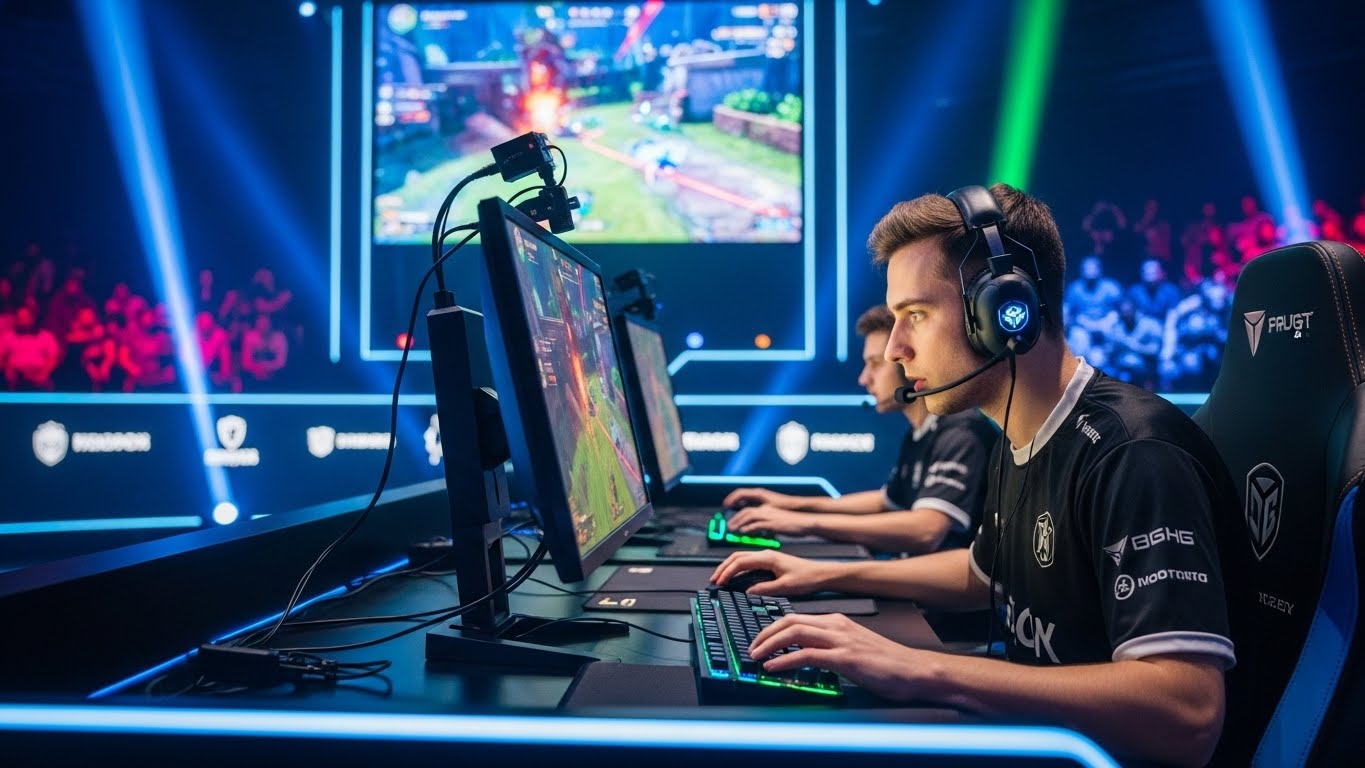
Esports has evolved into a fully professionalized industry. Players now follow structured training regimens that include strategic planning, physical fitness, and mental conditioning. Nutrition, exercise, and recovery have become essential to maintaining peak performance during long competitive seasons.
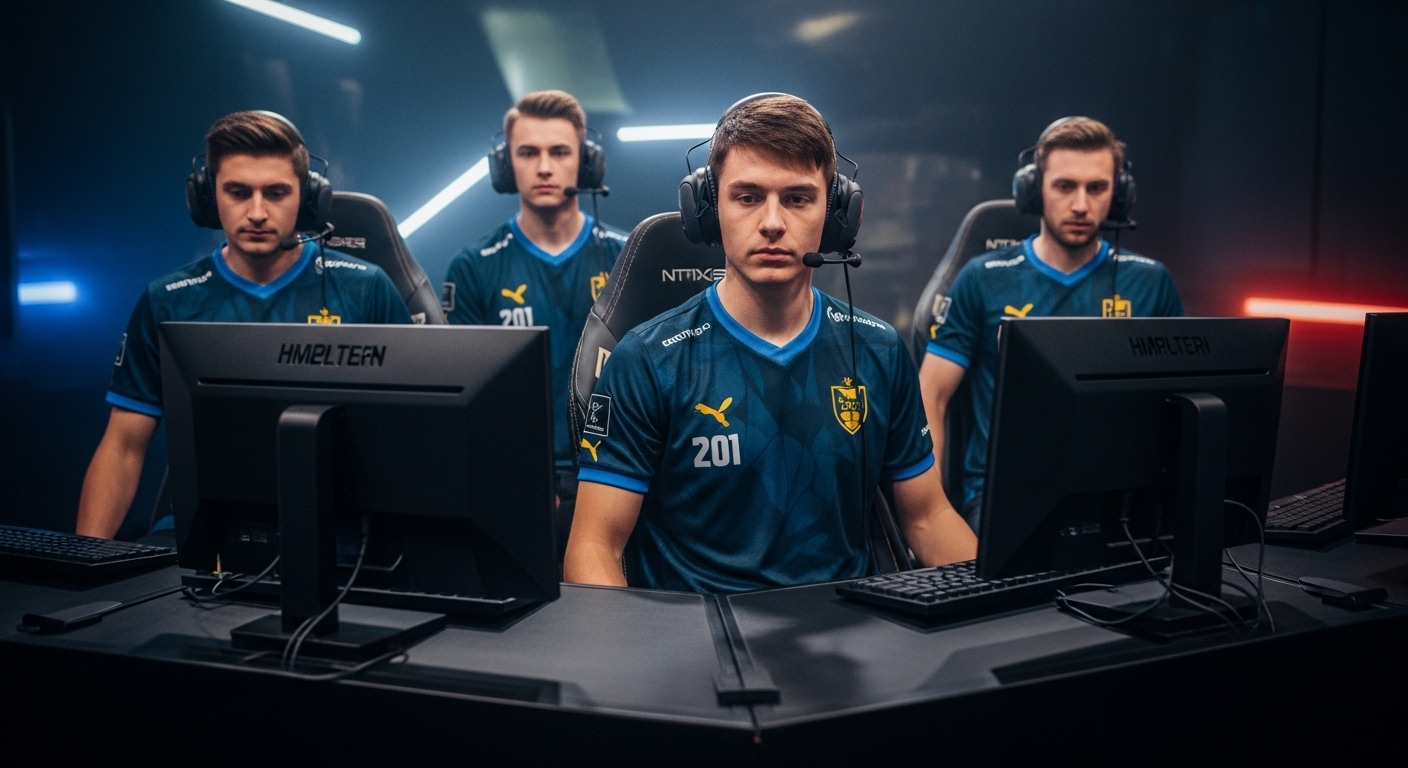
Teams operate much like traditional sports franchises. They employ coaches, analysts, psychologists, and support staff to optimize performance. Sponsorships, branding, and contracts are meticulously managed to balance competitive success with financial sustainability. Multi-game organizations maintain teams across multiple titles, increasing brand visibility and fan engagement. Professionalization has brought credibility and stability to esports, attracting major investment and mainstream recognition.
Major Esports Tournaments
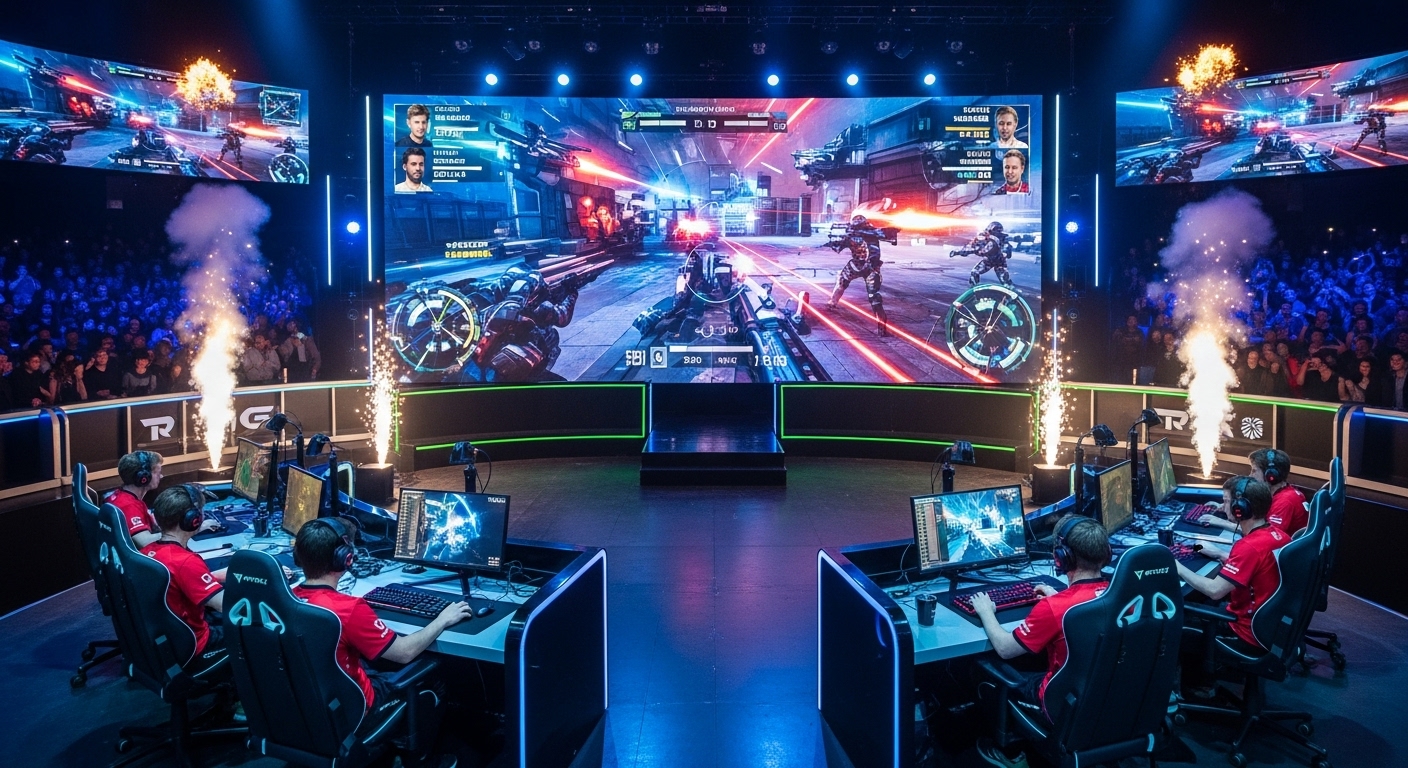
Esports tournaments have become global spectacles, drawing millions of viewers both online and in stadiums. The League of Legends World Championship is one of the most watched esports events in the world, while Dota 2’s The International is renowned for its multi-million-dollar prize pools.
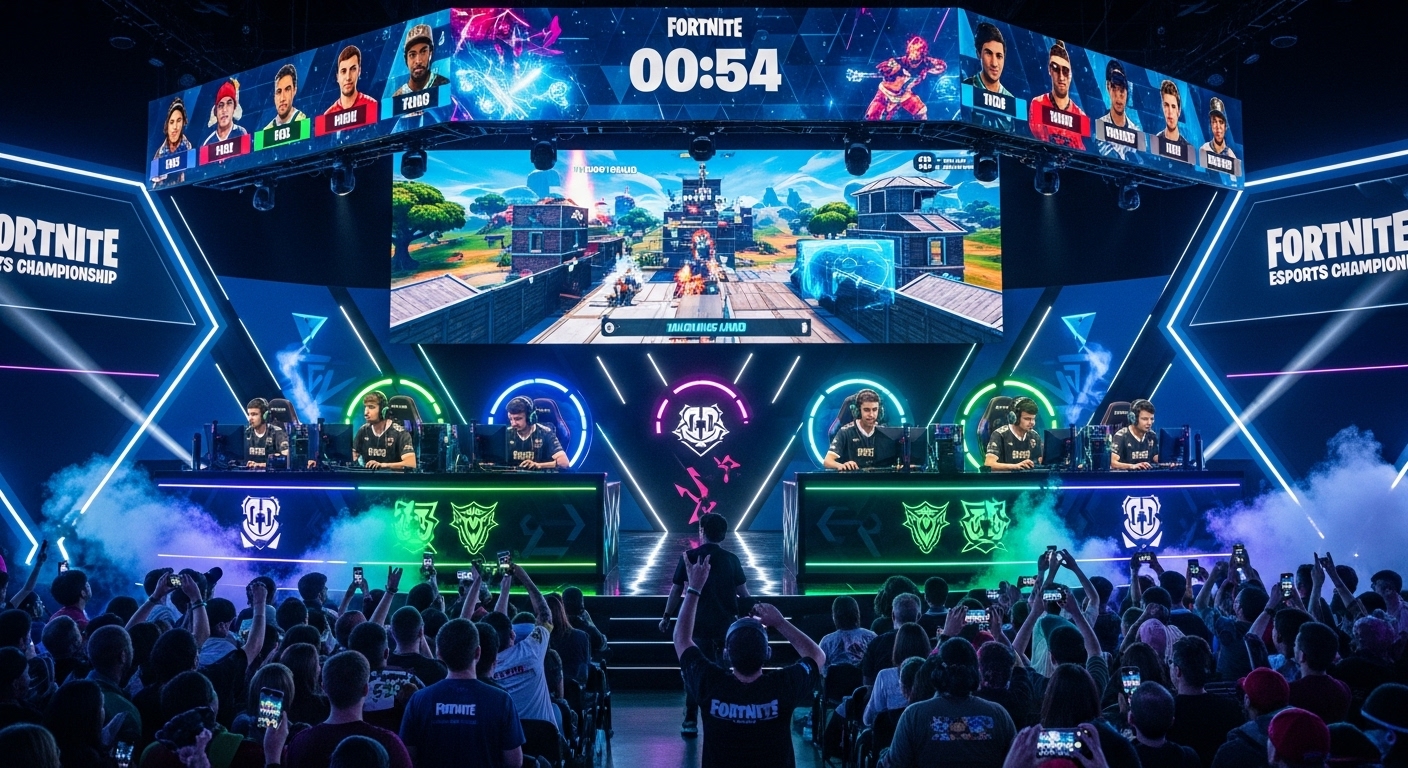
Other major competitions include the Fortnite World Cup, Call of Duty League Championship, and Overwatch League Finals. These events combine competitive gameplay with entertainment, featuring live commentary, interactive fan experiences, and elaborate production design. Major tournaments have established esports as a viable industry, with opportunities for sponsorship, media partnerships, and international fan engagement.
Integration with Traditional Sports
Traditional sports organizations have increasingly recognized the potential of esports. Football clubs, basketball franchises, and other sports entities have launched esports divisions, competing in virtual leagues and tournaments. The NBA 2K League exemplifies the integration of traditional sports with competitive gaming.
This partnership benefits both industries. Traditional sports gain access to digitally native audiences, while esports receives legitimacy, exposure, and financial resources. Collaborative marketing campaigns and cross-industry sponsorships have strengthened the cultural relevance of esports and expanded its global reach.
Economic Impact of Esports
Esports has emerged as a multi-billion-dollar industry with diverse revenue streams. Sponsorships, advertising, ticket sales, merchandise, media rights, and streaming subscriptions all contribute to its economic impact. Brands target esports audiences due to their engagement, loyalty, and digital literacy, making esports sponsorships highly valuable.
Professional players earn income through tournament winnings, streaming, and brand partnerships. Esports organizations reinvest revenue into infrastructure, content creation, marketing, and talent acquisition. Ancillary industries such as gaming hardware, event production, and digital media also benefit from the growth of esports. The economic footprint of competitive gaming continues to expand globally.
Esports Culture and Community
Esports has developed a vibrant culture that extends beyond gameplay. Fans engage deeply with players, teams, and tournaments, creating discussions, fan art, memes, and rituals. Streaming platforms facilitate real-time interaction between fans and players, fostering a sense of connection and participation.
Amateur competitions and online leagues allow new players to enter the competitive scene, cultivating talent and sustaining the ecosystem. Esports culture emphasizes creativity, community, and engagement, distinguishing it from traditional sports while maintaining the core elements of competition and skill.
Challenges Facing Esports
Despite its success, esports faces several challenges. Player burnout, mental health concerns, and physical strain are common due to long practice hours and high-stakes competition. Organizations are increasingly implementing wellness programs, mental health support, and ergonomic considerations to promote longevity.
Regulatory challenges also exist, including fair play enforcement, anti-cheating measures, and contractual disputes. Diversity and inclusion remain ongoing concerns, as the industry seeks equitable opportunities for women and underrepresented groups. Addressing these challenges is crucial to ensuring sustainable growth and maintaining the credibility of competitive gaming.
Global Reach of Esports
Esports is a global phenomenon with major hubs in Asia, Europe, and North America. South Korea, China, and Japan lead in professional gaming culture and infrastructure, while North America and Europe host major tournaments and leagues. Emerging markets in Latin America, Southeast Asia, and the Middle East are experiencing rapid growth.
International competitions foster collaboration and rivalry across borders, while fans from different cultures connect through streaming and social media. Esports has become a unifying global community, demonstrating the universal appeal of competitive digital entertainment.
Technological Advancements in Esports
Technology has been a critical driver of esports’ growth. High-speed internet, powerful gaming hardware, advanced graphics, and online platforms have enabled competitive play and enhanced spectator experiences. Streaming technology allows fans to watch events in real-time, while analytics tools improve player performance and strategy.
Emerging technologies such as virtual reality, augmented reality, and artificial intelligence are set to further transform esports. VR and AR will create immersive experiences for players and spectators alike, while AI can provide advanced coaching, performance analysis, and personalized training tools. Innovation will continue to expand the possibilities of esports in the coming years.
The Future of Esports
The future of esports is promising, with opportunities for expansion, technological integration, and mainstream recognition. Collegiate esports programs, youth leagues, and scholarship initiatives are creating structured pathways for aspiring professional players. Integration with traditional sports, media, and entertainment industries will continue to enhance credibility and visibility.
Advancements in technology will enable more immersive experiences, while a focus on player wellness, diversity, and inclusion will ensure sustainable growth. Esports is poised to remain a major global force in entertainment, culture, and economics for decades to come.
Conclusion: Esports as a Cultural and Economic Force
Esports has evolved from informal gaming competitions into a global industry with professional players, massive audiences, and billion-dollar tournaments. It combines skill, strategy, technology, and community, redefining the concept of competition and entertainment. Beyond gameplay, esports fosters creativity, connection, and cultural exchange across borders.
The rise of esports represents a cultural revolution, proving that competitive gaming is more than a hobby—it is a legitimate career, entertainment medium, and social phenomenon. Its influence on technology, media, and global culture continues to grow, shaping the future of digital competition and interactive entertainment.
Esports is no longer just about playing games; it embodies dedication, strategy, skill, and the shared excitement of competition in a connected digital world. Its journey from niche hobby to global spectacle illustrates the transformative power of technology, passion, and human ingenuity.