Introduction
The world of competitive gaming, known as esports, has transformed dramatically over the last two decades. What once began as casual competitions among friends or local arcade tournaments has grown into a global phenomenon, attracting millions of viewers, offering multi-million-dollar prize pools, and shaping an entirely new form of digital culture. Esports is now recognized as a legitimate industry, with professional teams, sponsorships, streaming platforms, and even educational programs dedicated to cultivating the next generation of gamers. Beyond entertainment, esports reflects the intersection of technology, human skill, and cultural evolution, offering insights into how digital competition has become a central force in modern society.
The Origins of Competitive Gaming
Competitive gaming traces its roots back to the early 1970s, when students and hobbyists began testing their skills in early arcade games. The first widely documented video game competition took place in 1972 at Stanford University, where participants competed in the game Spacewar for a magazine subscription as a prize. Though modest by today’s standards, this event laid the foundation for the idea that gaming could be more than a pastime—it could be a competitive pursuit.
The 1980s introduced iconic arcade games like Pac-Man, Donkey Kong, and Space Invaders. These games incorporated high scores and leaderboards, cultivating a culture of competition and achievement among players. Small local competitions began to emerge, creating communities centered around shared gaming experiences. By the 1990s, personal computers and networked gaming accelerated this trend, allowing players to compete over local networks and eventually the internet. Titles like Doom, Quake, and Warcraft ushered in the era of multiplayer competition, attracting organized tournaments and fostering the early esports culture.
The Professionalization of Esports
The 2000s marked a turning point in esports. Games like Counter-Strike, StarCraft, and Defense of the Ancients (DotA) began to define professional competition. South Korea emerged as a global epicenter of esports, particularly with StarCraft: Brood War, where televised matches and sponsored teams helped professionalize gaming. Players became celebrities, commanding fan followings and corporate sponsorships. This period established the blueprint for esports as a legitimate career, including structured teams, coaching, and strategic training.
International tournaments such as the World Cyber Games and Major League Gaming provided platforms for professional players to demonstrate their skills. Organizations developed professional infrastructures resembling those of traditional sports franchises. The emphasis on training, teamwork, and strategy underscored that esports demanded discipline and focus comparable to established sports.
The Role of Streaming Platforms
The explosive growth of esports is closely tied to the rise of streaming platforms in the 2010s. Platforms such as Twitch and YouTube Gaming revolutionized how audiences engage with competitive gaming. Fans could watch live matches, interact with players in real time, and develop deep connections with gaming personalities. This direct interaction transformed esports athletes into digital celebrities, with fan bases rivaling traditional sports stars.
Streaming democratized access to competitions. Viewers no longer needed to attend live events to witness high-level play. This accessibility contributed to exponential growth in audience numbers, allowing global tournaments to attract millions of viewers simultaneously. Games like League of Legends, Dota 2, and Fortnite reached international prominence, with world championships becoming cultural events celebrated by fans worldwide.
Esports Titles That Defined the Industry
Certain games have played a defining role in shaping the esports landscape. League of Legends created one of the most structured competitive ecosystems, featuring regional leagues that culminate in a world championship. Dota 2 introduced crowdfunded prize pools with its annual event, The International, setting new financial benchmarks. Counter-Strike: Global Offensive remained a staple in competitive first-person shooters, while Overwatch and Valorant offered team-based, tactical experiences appealing to broad audiences.
Battle royale titles like Fortnite and PUBG attracted younger audiences and casual gamers, further expanding esports’ reach. The diversity of games ensures that esports appeals to a variety of interests, from strategic, team-based gameplay to high-intensity individual skill-based competition.
The Economics of Esports
Esports is now a multi-billion-dollar industry. Revenue streams include sponsorships, advertising, ticket sales, merchandising, and media rights. Global brands recognize the marketing potential of esports, targeting tech-savvy and engaged audiences. Major corporations, from hardware manufacturers to energy drink companies, sponsor teams, tournaments, and streaming personalities.
Esports organizations function similarly to traditional sports franchises. Teams recruit players, manage contracts, develop brand identities, and create merchandising opportunities. Organizations like Team Liquid, Fnatic, and Cloud9 have expanded beyond competitive gaming into lifestyle branding, content creation, and media production. This multifaceted economic model ensures that esports is not just about gameplay—it is about building communities, media, and commercial ecosystems.
The Esports Athlete
Professional esports athletes are highly skilled and disciplined individuals. Contrary to common stereotypes, they undergo rigorous training, often practicing several hours daily. Training includes mechanical skill improvement, strategic analysis, communication drills, and psychological preparation. Team coordination is critical, particularly in games like League of Legends and Overwatch, where synergy determines success.
Mental toughness is equally important. High-stakes competitions generate stress comparable to traditional sports. Many organizations employ psychologists and performance coaches to help players maintain focus, resilience, and emotional stability. Physical health is also emphasized, as long hours of gameplay demand attention to posture, nutrition, and exercise to prevent burnout and injury.
Educational Opportunities in Esports
The influence of esports has extended into education. Universities now offer scholarships to competitive gamers and programs in game design, digital media, and esports management. High schools have established esports clubs and competitive leagues, cultivating early talent and promoting teamwork and problem-solving skills.
Educational programs recognize that esports teaches transferable skills such as leadership, communication, critical thinking, and strategic planning. Beyond playing professionally, students can pursue careers in coaching, event management, broadcasting, and analytics. The integration of esports into academia reflects its legitimacy and societal value.
Cultural Impact of Esports
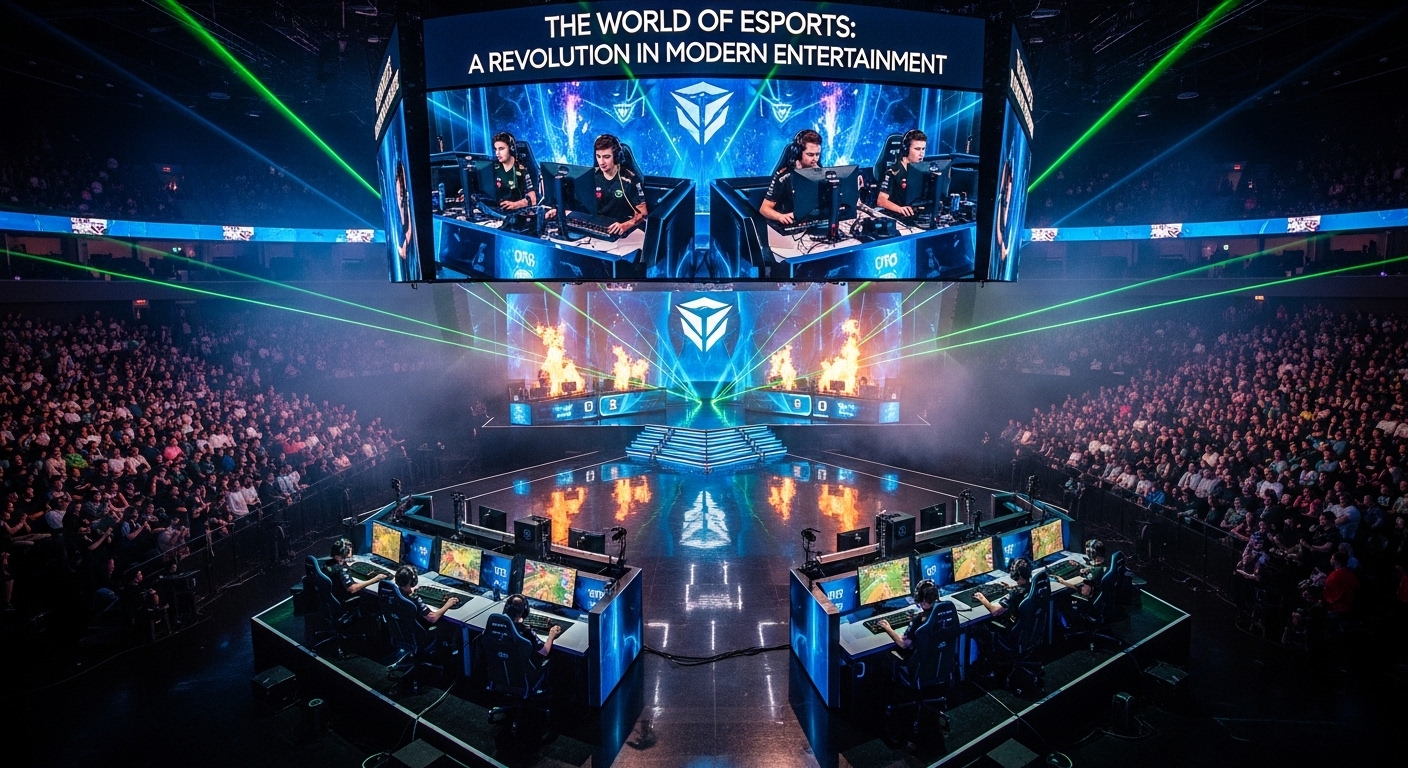
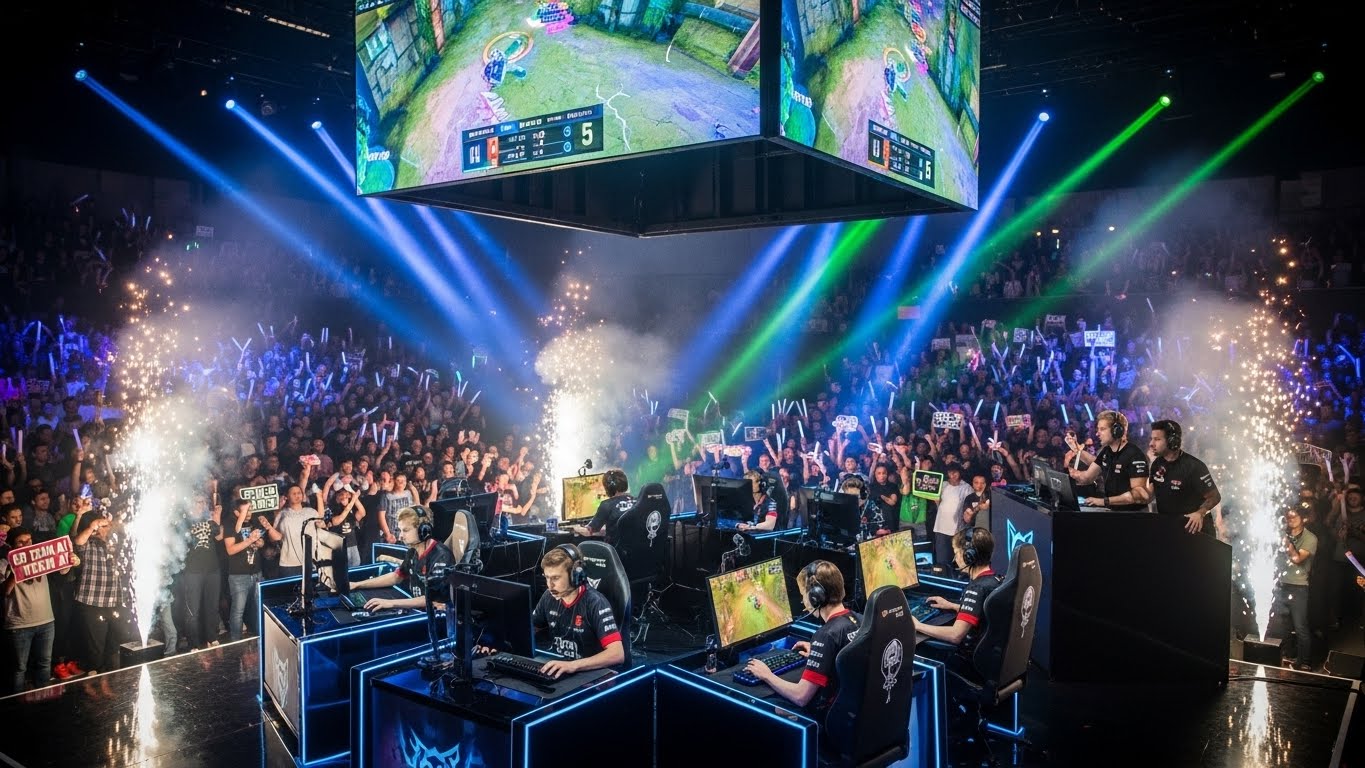
Esports has become a global cultural phenomenon. Major tournaments now resemble entertainment spectacles, featuring elaborate stage designs, live music, and interactive fan engagement. Stadiums hosting esports events rival those of traditional sports, with fans attending live matches or streaming online from around the world.
Esports also influences fashion, music, and popular culture. Collaborations between gaming and lifestyle brands have produced highly sought-after apparel. Music performances at tournaments and documentaries highlighting esports players contribute to the merging of gaming with mainstream culture. The rise of esports fandom represents a shift in global entertainment, blending technology, competition, and social connection.
Technological Advancements and Esports
Technology drives the growth of esports. High-speed internet, advanced graphics, and powerful gaming hardware enable competitive gameplay at the highest level. Cloud gaming and 5G connectivity are expanding access, allowing players from diverse regions to compete without high-end hardware.
Virtual reality and augmented reality offer new possibilities for immersive esports experiences. Fans may soon experience games from within the digital world, while players could participate in hybrid physical-digital competitions. Artificial intelligence is also shaping coaching, analytics, and game design, optimizing both performance and spectator experience.
Challenges Facing the Industry
Despite its growth, esports faces challenges. Player burnout is a major concern, as intense practice and travel schedules can lead to mental and physical exhaustion. Many professional gamers retire in their twenties, highlighting the need for better health support and career planning.
Regulatory standards are fragmented. Different game publishers and organizations operate with varying rules, leading to inconsistencies in contracts, tournament structures, and competitive integrity. Addressing these issues is essential for long-term stability.
Inclusivity remains another challenge. While esports is accessible, female players and minority groups are underrepresented in professional competition. Initiatives promoting diversity and creating safer, inclusive environments are essential to ensure the industry grows equitably.
Esports and Traditional Sports
The relationship between esports and traditional sports has evolved significantly. Many professional sports organizations now operate esports teams or host competitions in popular titles. The NBA 2K League, for instance, allows gamers to represent official basketball franchises, merging digital and physical sports.
Traditional athletes are increasingly engaging with esports, streaming gameplay, investing in gaming organizations, or participating in tournaments. This crossover legitimizes esports in the public eye and exposes traditional sports audiences to competitive gaming culture.
The Pandemic and Esports Growth
The global pandemic accelerated esports’ prominence. While traditional sports faced cancellations, esports seamlessly transitioned to online formats, allowing competitions to continue. Viewership increased dramatically, as millions sought digital entertainment and social interaction.
The pandemic highlighted esports’ resilience as a digital-first industry. Hybrid models combining online and live events have persisted, ensuring accessibility and global reach. This adaptability reinforces esports’ position as a major entertainment sector capable of thriving under changing circumstances.
Global Community and Cultural Exchange
Esports transcends national and cultural boundaries. Players from different countries compete on equal footing, and fans connect across the globe through shared passion. Tournaments are hosted internationally, creating cross-cultural experiences and fostering understanding among diverse audiences.
Esports also nurtures community engagement. Online forums, streaming chats, and fan communities provide social connection and collaboration. The sense of belonging within esports culture contributes to its rapid growth and sustained popularity.
Future Prospects of Esports
The future of esports is expansive. As technology evolves, new forms of gameplay, immersive experiences, and global connectivity will shape the industry. Virtual reality, artificial intelligence, and cloud gaming will redefine competitive and spectator experiences.
Esports may also gain recognition in global sporting events, including potential inclusion in the Olympics. Such recognition would validate the years of effort invested in professional gaming and further cement esports’ status as a legitimate athletic discipline.
The cultural, technological, and economic influence of esports is poised to continue growing. It represents a digital-first model of entertainment that resonates with younger generations and reflects the changing ways humans interact, compete, and create communities in the modern world.
Conclusion
Esports has evolved from a niche hobby into a global industry that shapes entertainment, culture, and technology. It reflects human creativity, strategic skill, and adaptability, proving that competition can thrive in digital spaces. Professional players, global tournaments, streaming platforms, and dedicated fan communities demonstrate that esports is more than a pastime—it is a defining force in contemporary society.
The growth of esports highlights how technology can create new avenues for connection, opportunity, and achievement. From early arcade competitions to packed stadiums and millions of online viewers, esports represents the merging of passion and innovation. As digital gladiators continue to compete on virtual arenas, one thing is clear: esports is not merely a trend; it is a transformative force in global entertainment and culture.