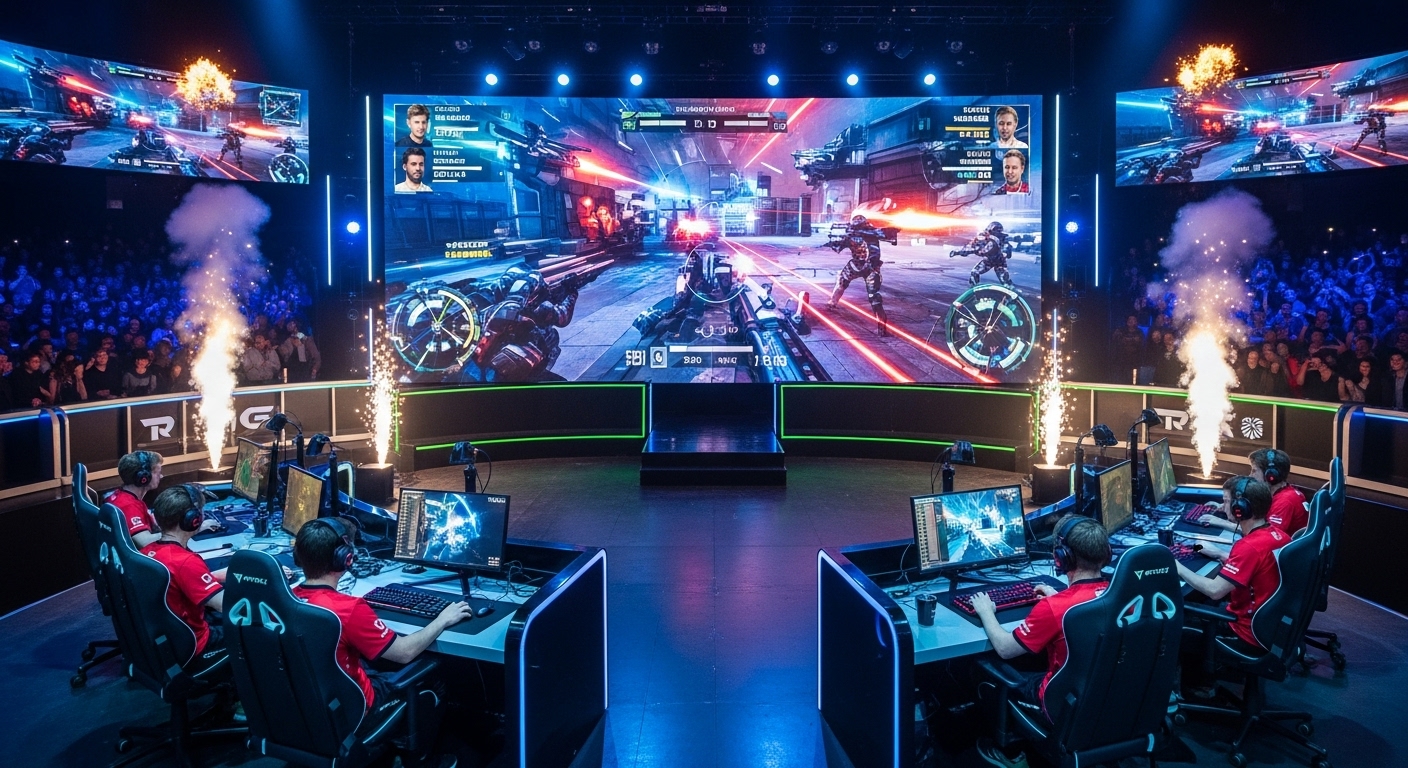
Esports has quickly grown from a niche hobby to a worldwide industry, captivating millions of players and fans across the globe. Once a pastime reserved for a small group of passionate gamers, it has now become a thriving multi-billion-dollar ecosystem, complete with professional leagues, massive prize pools, and a rapidly expanding fan base. But what makes esports so special, and how did it reach this extraordinary level of success? In this blog post, we will explore the rise of esports, its influence on the gaming industry, and the exciting future that lies ahead for competitive gaming.
The Beginnings of Esports: A Digital Playground for Gamers
The roots of esports can be traced back to the 1990s when players began to compete against each other in local area network (LAN) events. These early competitions, centered around games like Doom, StarCraft, and Warcraft, were small, often informal gatherings where gamers tested their skills against one another. While these events were far from the large-scale tournaments we see today, they planted the seeds for what would eventually become the esports phenomenon.
The internet’s widespread adoption in the early 2000s changed everything. Players from around the world could now compete in online tournaments, allowing competitive gaming to grow beyond local communities and reach a global audience. Online platforms like Battle.net and GameRanger helped build a foundation for the esports scene, and as the internet infrastructure improved, so did the quality and scope of competitive gaming.
However, it wasn’t until the mid-2010s that esports began to truly take off. With the advent of games like League of Legends, Dota 2, and Counter-Strike: Global Offensive, esports transitioned into a more organized, professional landscape, attracting sponsorships, media attention, and millions of dollars in prize pools. The stage was set for esports to become a global entertainment force.
The Players: Esports Athletes Who Push the Limits of Gaming
Esports players are digital athletes who devote countless hours to perfecting their craft. Just like traditional sports players, they need exceptional skill, strategic thinking, and mental toughness to compete at the highest levels. The difference? Their arena is digital, and their tools are keyboards, mice, and gaming controllers.
Professional esports players train rigorously, practicing their games for hours each day, studying opponent strategies, and staying up to date with game updates and patches. Many players start young—some even as young as 14 or 15—devoting their childhood and teenage years to mastering their favorite games. While their physical training might not be as intense as that of traditional athletes, esports players face their own unique challenges, including the risk of burnout, mental fatigue, and physical strain due to prolonged hours of gaming.
As the esports scene has become more professional, players are supported by coaches, analysts, and psychologists who help them maintain peak performance. Esports organizations have also grown significantly, providing players with a structured environment where they can focus on training, strategizing, and competing without worrying about the business side of things.
For top-tier players, esports has become a full-time career. Beyond tournament winnings, many earn significant income through sponsorships, streaming deals, and merchandise sales. Some esports stars, like Ninja and Shroud, have built multi-million-dollar careers through platforms like Twitch and YouTube, making them some of the most recognized figures in the gaming world.
Esports as a Spectator Sport: A New Era of Entertainment
What has truly propelled esports into the mainstream is its ability to attract viewers from all over the world. While traditional sports rely on stadiums and arenas to host spectators, esports has thrived on digital platforms, allowing fans to watch live tournaments from the comfort of their own homes. Streaming platforms like Twitch and YouTube Gaming have revolutionized the way esports is consumed, giving fans instant access to their favorite games and players.
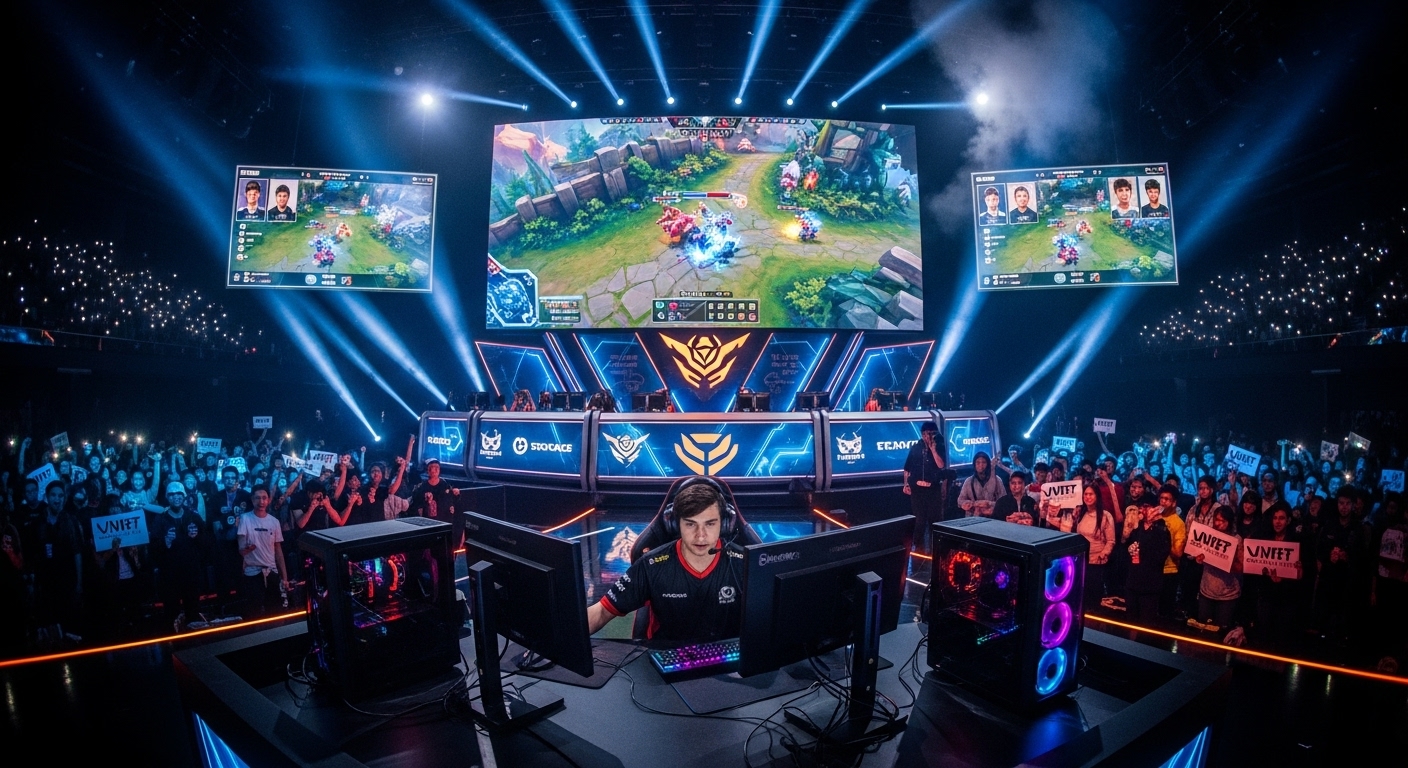
Major esports tournaments like The International (Dota 2), the League of Legends World Championship, and Overwatch League have attracted millions of viewers globally. These events are broadcast in real-time, often featuring expert commentary and analysis that enhances the viewer experience. Fans can watch as their favorite teams compete for large prize pools, cheering them on from online chat rooms, social media, and even in person at sold-out arenas.
The rise of esports as a spectator sport is particularly appealing to younger audiences, who enjoy the interactive and community-driven nature of the experience. Fans don’t just watch the games—they engage with the players, interact with other fans, and become part of the esports culture. Live streams also provide opportunities for fans to contribute to the conversation, share their thoughts on game strategies, and participate in polls and challenges.
In some ways, esports is even more engaging than traditional sports because of the level of fan interaction it offers. Viewers can directly communicate with streamers, donate to their favorite players, and be part of the action, even from thousands of miles away. This sense of community is a key factor in the explosive growth of esports as a spectator sport.
The Business of Esports: From Hobby to Multi-Billion Dollar Industry
Esports is no longer just a hobby—it’s a full-fledged industry. In 2021, the global esports industry was valued at over $1.1 billion, and it is expected to continue growing at a rapid pace in the coming years. Sponsorships, broadcasting rights, ticket sales, and merchandise all contribute to the revenue stream of the industry. As more major brands—from Coca-Cola to Intel—enter the esports ecosystem, the financial power of esports continues to expand.
For esports organizations and teams, sponsorship deals are a major source of income. Many top teams are backed by global brands that see the value in connecting with the young, tech-savvy demographic that makes up the majority of the esports audience. These partnerships help fund player salaries, team facilities, travel expenses, and more. In return, brands gain access to millions of dedicated esports fans and potential customers.
Media rights are another lucrative revenue stream. With platforms like Twitch and YouTube broadcasting live events, and traditional sports networks such as ESPN airing esports content, the media rights for major tournaments have grown in value. These deals allow organizers to monetize their events on a global scale and further cement esports as a mainstream entertainment industry.
Furthermore, esports has sparked an explosion in gaming-related content creation. From professional game commentators to vloggers and streamers, many individuals have carved out successful careers by creating content around esports. This has led to an entire ecosystem of influencers, analysts, and broadcasters who are helping to shape the culture of competitive gaming.
The Future of Esports: Expanding Horizons and New Opportunities
The future of esports is incredibly bright, with several trends that will continue to drive its growth. One major development is the rise of mobile esports. Games like PUBG Mobile, Free Fire, and Mobile Legends have seen explosive growth in markets like Southeast Asia and Latin America, where mobile phones are the primary gaming platform. As mobile devices continue to evolve in terms of performance and connectivity, mobile esports could soon rival PC and console gaming in terms of viewership and competition.
Another exciting area of growth for esports is virtual reality (VR) and augmented reality (AR). These technologies could revolutionize the way esports is played and experienced by both competitors and viewers. Imagine stepping into a fully immersive VR environment, where you can interact with the game world and other players in real-time. As VR and AR technology become more mainstream, esports is likely to embrace these innovations, further enhancing the spectator experience.
Esports will also continue to expand globally, with regions like Africa and the Middle East showing increased interest in competitive gaming. As internet infrastructure improves and more countries invest in esports development, we can expect to see new talent emerge from previously untapped markets.
Despite these promising trends, the industry will need to address certain challenges, such as player health and welfare, the risk of cheating, and maintaining fair competition. Ensuring that the industry remains ethical, sustainable, and player-focused will be crucial for its continued success.
Conclusion: Esports is Here to Stay
Esports has evolved from a niche hobby into a global phenomenon, and its impact on the gaming industry and entertainment as a whole cannot be overstated. With a growing fan base, rising sponsorships, and increasingly professional organizations, esports is reshaping what it means to be a competitive athlete in the digital age. The future of esports looks incredibly bright, with new technologies and expanding markets driving its continued growth. Whether you’re a player, fan, or industry professional, it’s clear that esports is here to stay—and it’s only going to get bigger and more exciting.