Introduction
eSports has rapidly evolved into a global phenomenon that combines competition, technology, and entertainment. What began as casual gaming among friends has now become a professional industry with international tournaments, dedicated fans, and career opportunities. eSports is not just about playing video games—it is about skill, strategy, teamwork, and passion.
The Rise of eSports
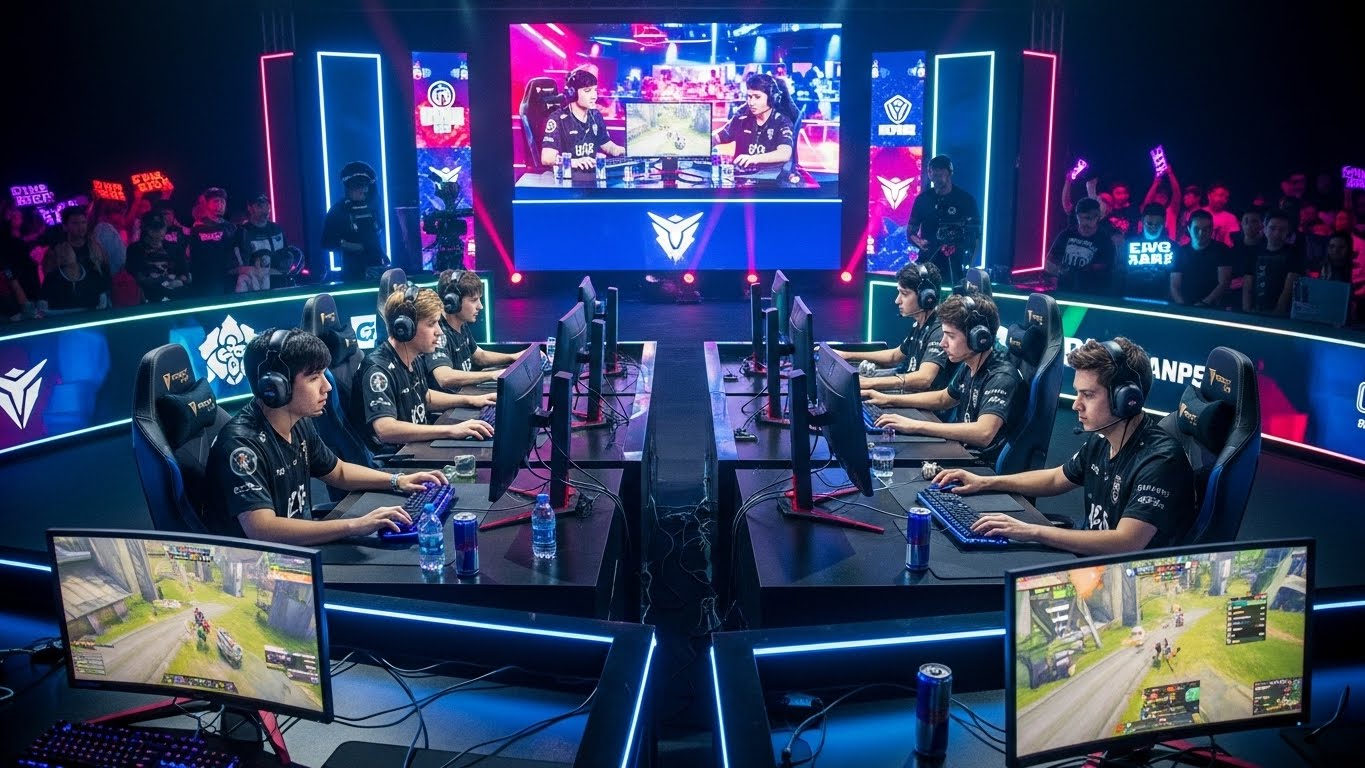
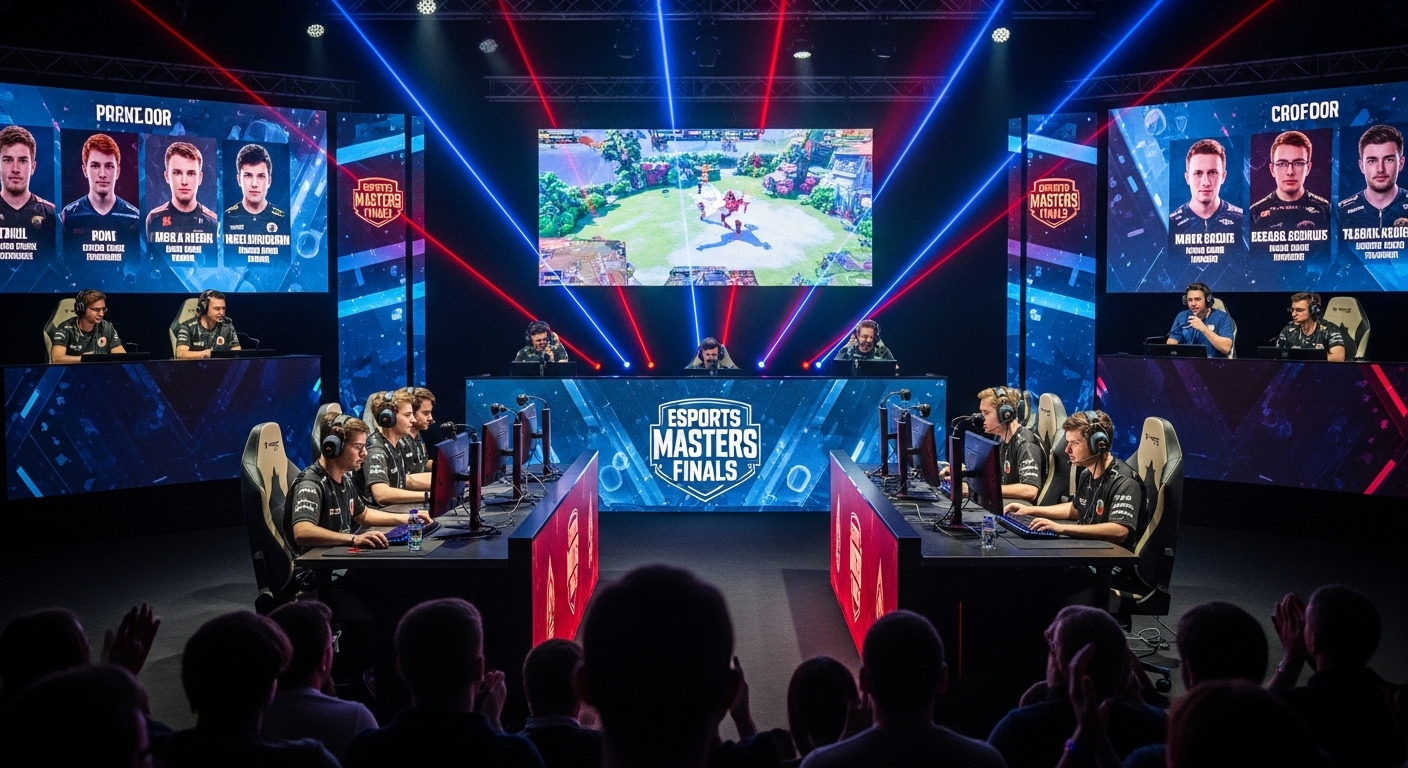
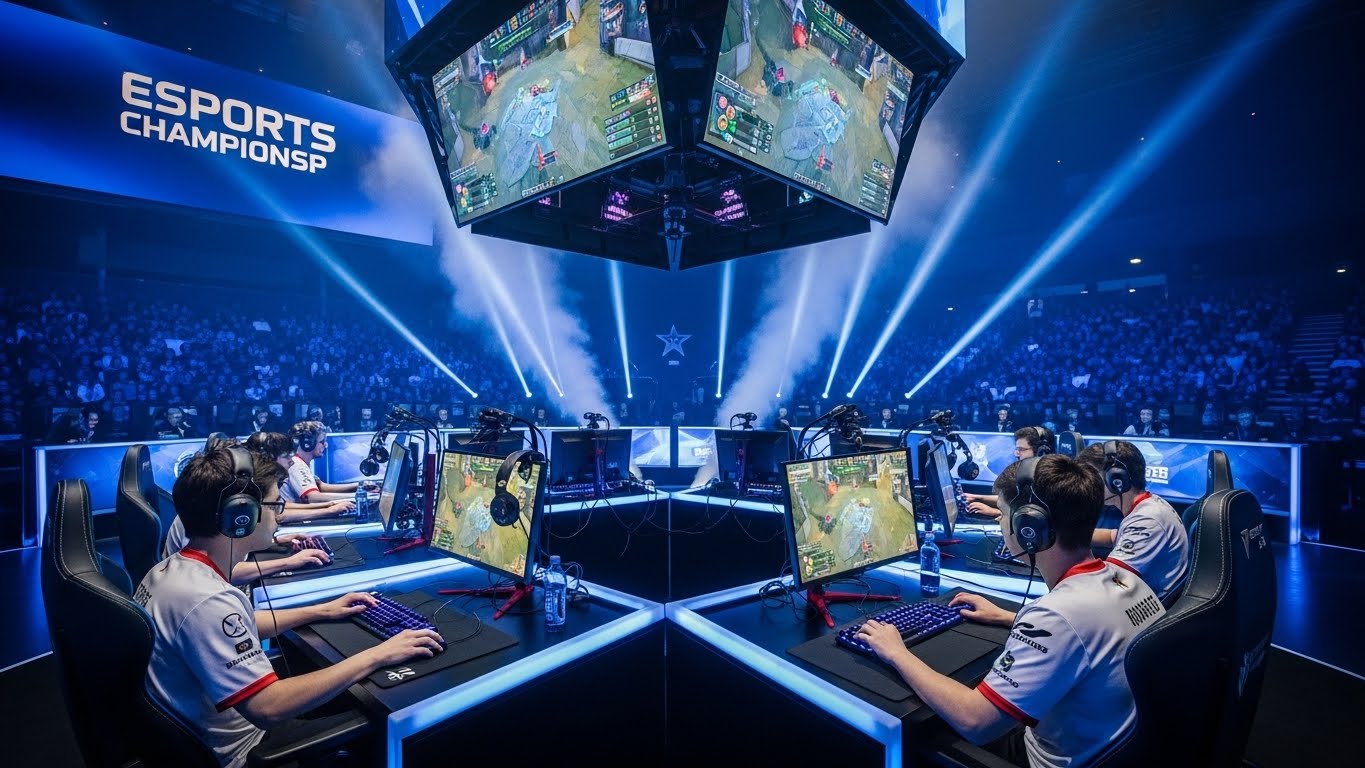
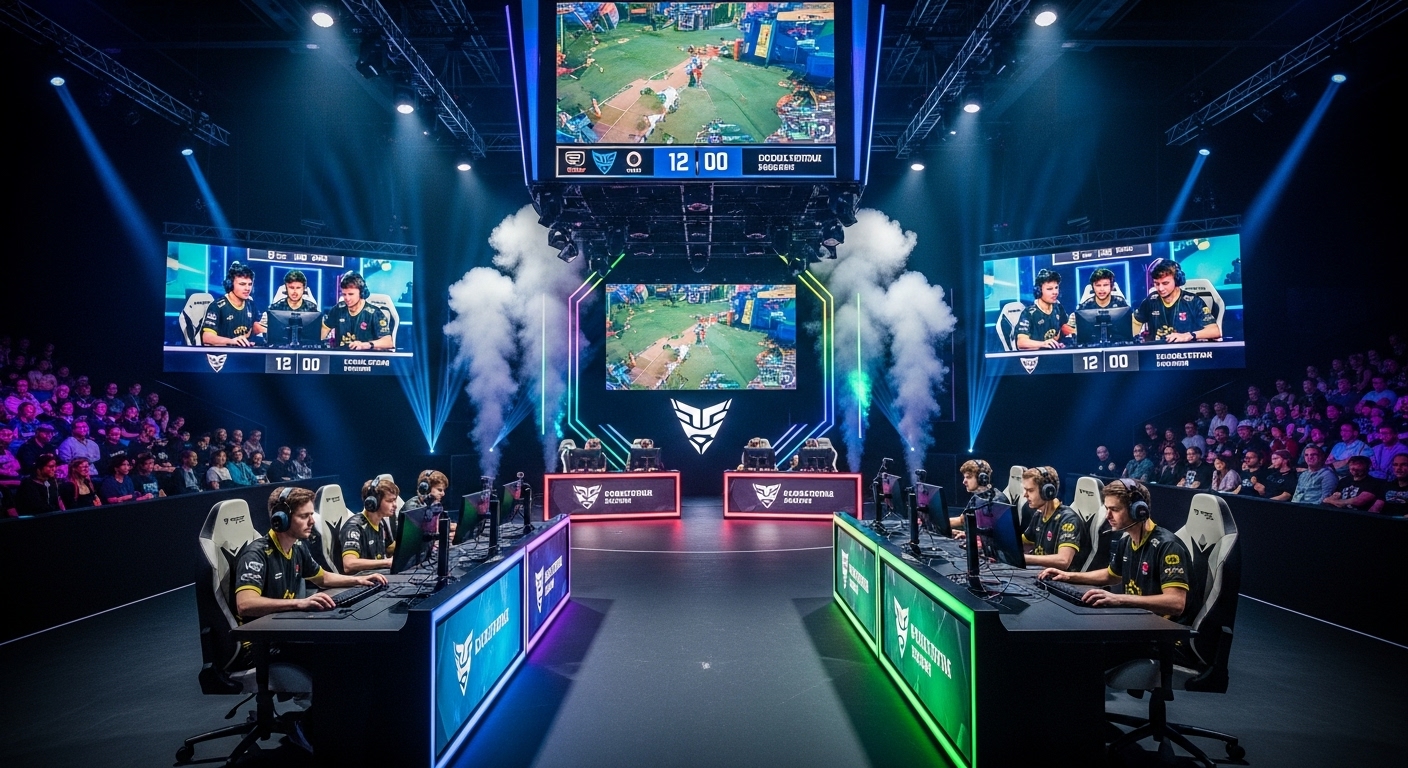
Over the past decade, eSports has grown tremendously. With advancements in internet connectivity and gaming technology, players can compete from anywhere, and fans can watch tournaments live on various platforms. Major championships now fill arenas with thousands of spectators and attract millions of online viewers, demonstrating the widespread appeal and legitimacy of competitive gaming.
Skills and Training
Professional eSports players dedicate countless hours to mastering their craft. Success requires quick reflexes, strategic thinking, and excellent communication. Training involves analyzing opponents’ tactics, practicing under pressure, and constantly refining gameplay. Like traditional athletes, eSports players rely on discipline, focus, and resilience to perform at the highest level.
Technology Driving eSports
Technology is at the core of the eSports industry. High-performance computers, gaming consoles, streaming platforms, and real-time analytics provide a seamless and immersive experience. Innovations such as virtual reality and augmented reality are creating even more interactive and realistic gameplay, expanding the possibilities for players and fans alike.
Community and Culture
eSports has fostered a strong global community. Fans follow their favorite teams, join online forums, and attend live events. This shared passion creates a sense of belonging and connection, breaking down cultural and geographical barriers. eSports culture emphasizes creativity, dedication, and collaboration, making it a unique and inclusive space for people worldwide.
Career Opportunities
The growth of eSports has opened diverse career paths. Beyond playing professionally, opportunities exist in coaching, content creation, event management, marketing, and game development. Educational institutions have begun offering programs focused on eSports, reflecting its recognition as a legitimate and expanding industry.
Challenges and Future Outlook
Despite its success, eSports faces challenges such as player burnout, maintaining fair play, and managing online toxicity. Addressing these issues is essential for sustainable growth. As technology continues to advance and the community becomes more inclusive, eSports is poised to reach even greater heights, shaping the future of competitive entertainment.
Conclusion
eSports has transformed gaming into a respected global competition. Combining skill, strategy, technology, and community, it entertains, inspires, and connects millions of people worldwide. As the industry continues to grow, eSports will remain at the forefront of modern digital entertainment, proving that competitive gaming is both serious and exciting.