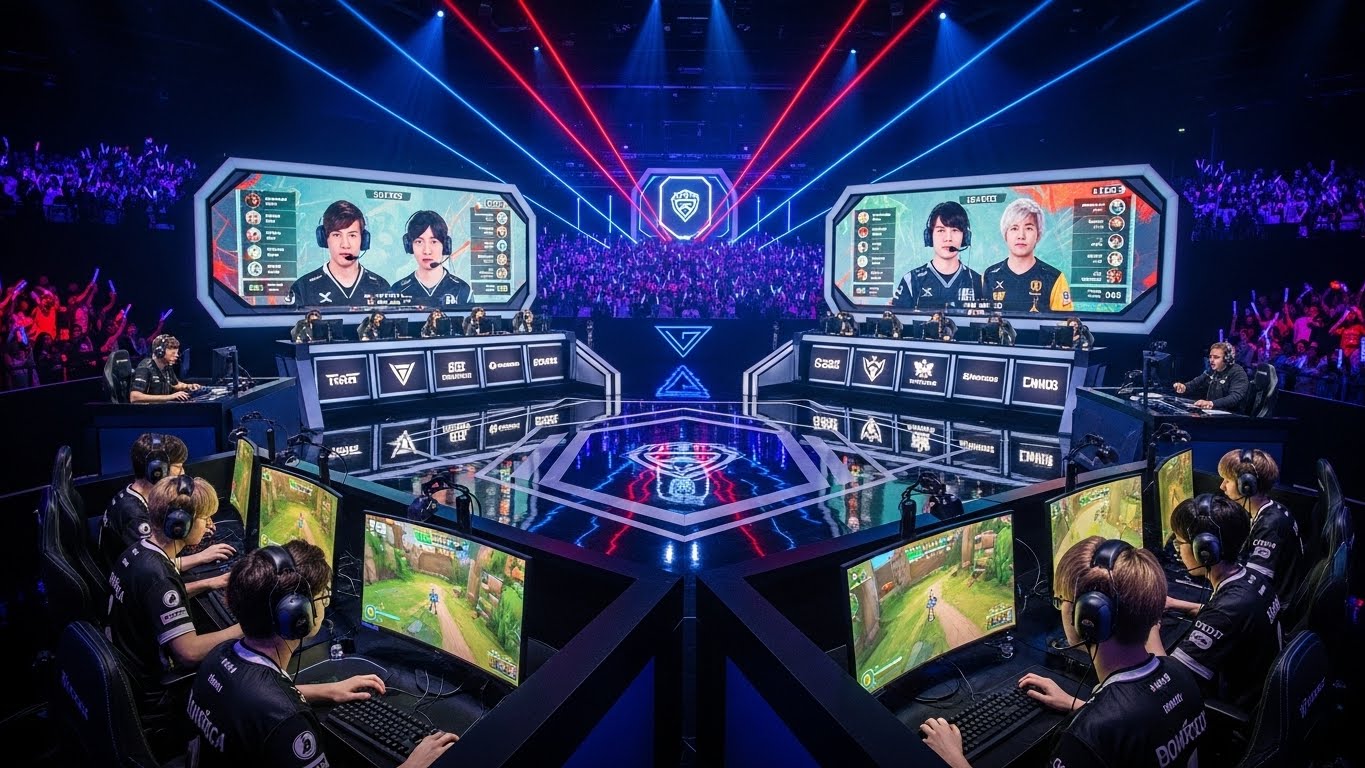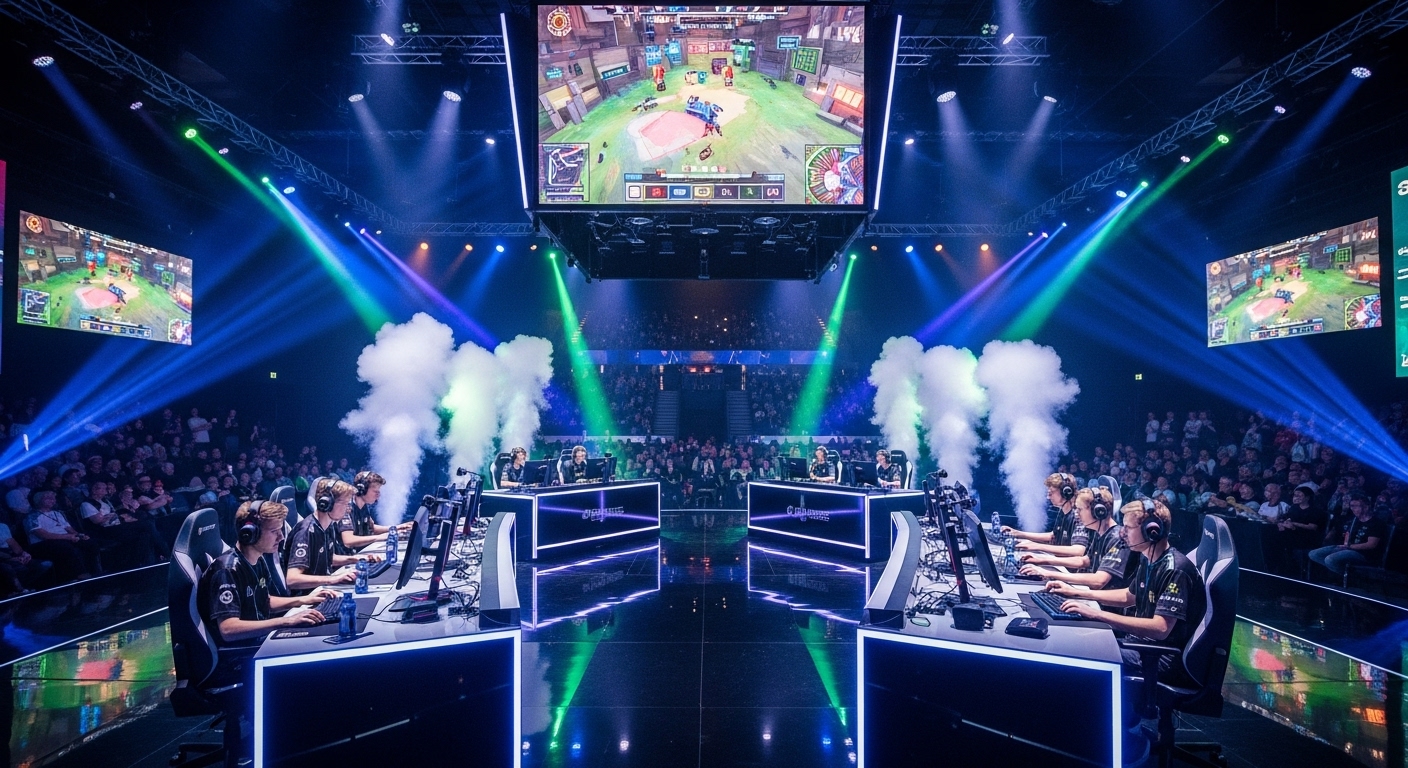
Esports has grown from a niche hobby into a global phenomenon, reshaping the world of competitive entertainment. Millions of players, fans, and organizations are now involved in this fast-paced digital revolution, making it one of the most exciting industries of the modern era. This blog explores the evolution of esports, its impact, and what the future holds for competitive gaming.
The Birth of Esports
Esports, short for electronic sports, refers to organized competitive video gaming. While casual gaming has existed for decades, esports emerged as a professional field when tournaments and leagues began offering recognition and prizes to top players. Games like StarCraft, Counter-Strike, and Warcraft paved the way, building communities and inspiring early competitions. Today, esports encompasses a wide variety of games and attracts players and spectators from around the globe.
Popular Esports Genres
Esports covers a broad range of game types, each offering unique challenges and experiences:
1. Multiplayer Online Battle Arenas (MOBA)
MOBA games, such as League of Legends and Dota 2, require teamwork, strategy, and fast decision-making. These games dominate esports with large-scale tournaments and passionate fanbases.
2. First-Person Shooters (FPS)
FPS games like Counter-Strike and Call of Duty test precision, reflexes, and tactical thinking. They are known for high-intensity gameplay and professional leagues that attract worldwide attention.
3. Real-Time Strategy (RTS)
RTS games challenge players to manage resources, plan strategies, and react quickly to opponents’ moves. Games like StarCraft II continue to maintain a competitive presence in esports history.
4. Sports and Racing Simulations
Digital sports games such as FIFA and racing simulations like Forza allow players to compete in realistic virtual environments, blending the thrill of real-world sports with interactive gameplay.
The Rise of Professional Esports
The esports industry has transformed into a billion-dollar global enterprise. Professional teams, sponsorship deals, and broadcasting rights now offer viable career paths for talented players. Major tournaments draw large audiences both in arenas and through online streaming platforms. Cash prizes, endorsements, and media coverage have elevated esports to the status of mainstream professional competition.
Impact on Players and Fans
Esports provides significant benefits for both players and audiences. Players develop skills in strategy, teamwork, and quick decision-making, while fans engage in communities, follow their favorite teams, and experience the excitement of live competitions. Interactive streaming platforms allow real-time engagement, bringing fans closer to the action than ever before.
Challenges Facing Esports
Despite its rapid growth, esports faces challenges. Player burnout, mental health concerns, and high-pressure competition are common issues. Fair play, anti-cheating measures, and proper regulation remain critical to maintaining the integrity of the industry. Additionally, creating sustainable career opportunities for players is essential as esports continues to expand.
The Future of Esports
The future of esports is bright, driven by advancements in technology such as virtual reality, augmented reality, and artificial intelligence. These innovations will create more immersive experiences, expand audiences, and enhance training methods for players. Esports is poised to merge further with mainstream entertainment and traditional sports, redefining how competition is experienced worldwide.
Conclusion
Esports has evolved far beyond casual gaming, establishing itself as a professional, competitive, and global entertainment phenomenon. It connects players and fans, encourages skill development, and offers exciting career opportunities. As technology continues to advance, esports will grow even more influential, shaping the future of digital competition and interactive entertainment.