Introduction
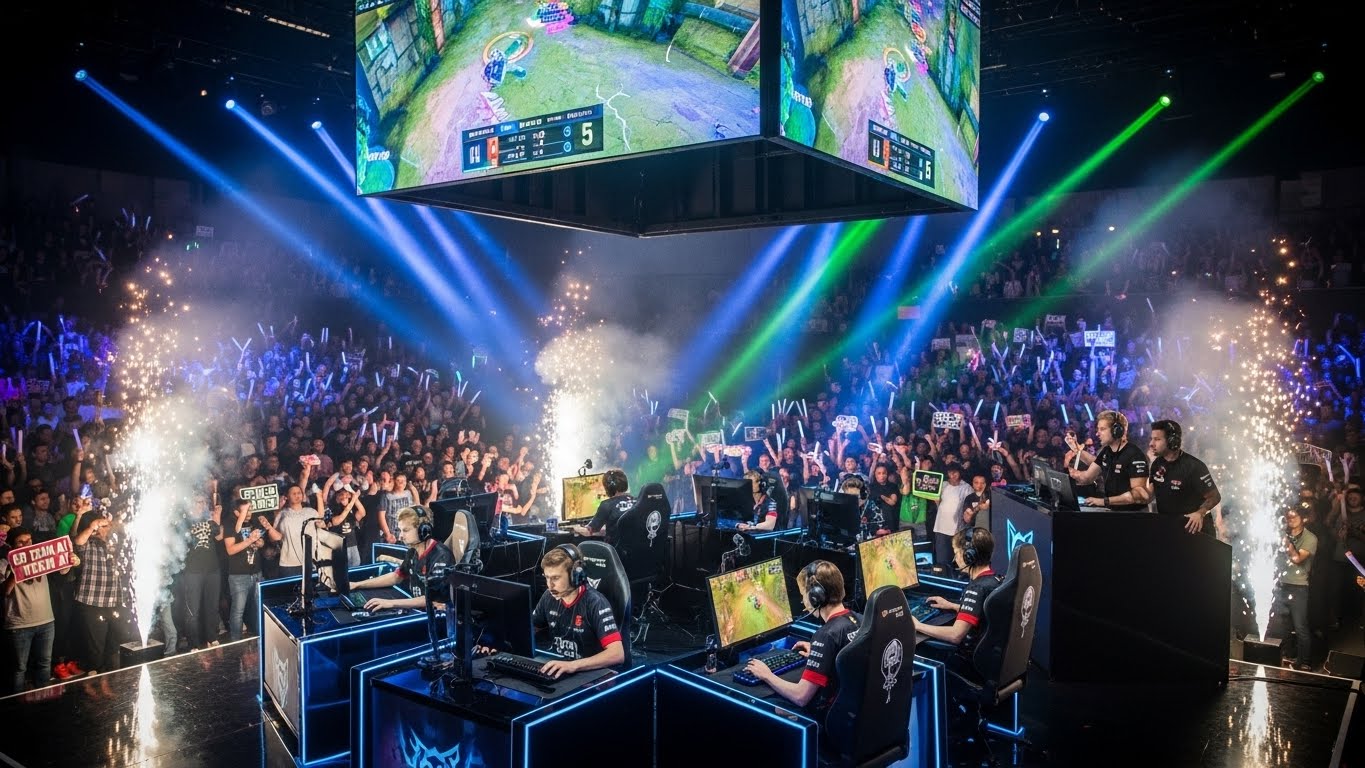
Esports is no longer the quirky cousin of traditional sports that people once dismissed as teenagers tapping furiously on keyboards in their bedrooms. It has grown into a global phenomenon with packed stadiums, roaring crowds, multimillion dollar prize pools, and players treated like rock stars of the digital battlefield. The evolution of Esports represents one of the most fascinating cultural shifts of the twenty first century, driven by technological innovation, online communitites, and the universal love for competition. From LAN gatherings in small basements to grand international events viewed by millions, Esports has become a beacon of entertainment, ambition, and passion. In this blog, we will take a deep dive into the electrifying world of Esports, its past, its present, and the dazzling possibilities that lie ahead.
The Origins of Competitive Gaming
Before Esports had sponsorships, televised tournaments, and franchised leagues, it had humble beginnings. The earliest roots of competitive gaming can be traced back to the 1970s and 1980s when arcades were the epicenters of video game glory. Players inserted coin after coin into games like Space Invaders and Pac Man, chasing the highest score like knights hunting for legendary treasure. A player who held the top score became a neighborhood champion, celebrated by peers and feared by rivals. Bragging rights were the currency of the arcade.
By the 1990s, gaming machines became household objects, and home consoles ignited friendly rivalry among siblings and neighbors. Titles like Street Fighter and Super Smash Bros brought tournament style fighting into living rooms. Meanwhile, PC gaming discovered the thrill of network play. With the emergence of early internet connectivity, players could finally test their skills against strangers beyond their zip code. This was the first spark of international competitive gaming.
These foundations grew into more organized communities as tournaments emerged, with the famous Space Invaders Championship of 1980 often considered one of the first true Esports events. Crowds gathered like pilgrims, amazed that digital competition could draw so much excitement. No one yet knew these small gatherings would one day turn into spectacles filling colossal stadiums.
LAN Parties The Birthplace of Legends
The late 90s and early 2000s saw the rise of LAN parties, where players carried gigantic computers like proud warriors transporting battle gear. They would connect everything together using tangled cables to play games such as Counter Strike, StarCraft, and Warcraft III. These environments became breeding grounds for teamwork, strategy, and eye hand coordination worthy of the Olympic stage. Future Esports legends first tasted victory in these makeshift arenas, fueled by cheap energy drinks and friendship.
LAN gaming taught the world one crucial lesson. Video games are not just entertainment. They are skill based, tactical, mentally demanding contests. They are sports, just in a different language.
The Global Boom of Esports
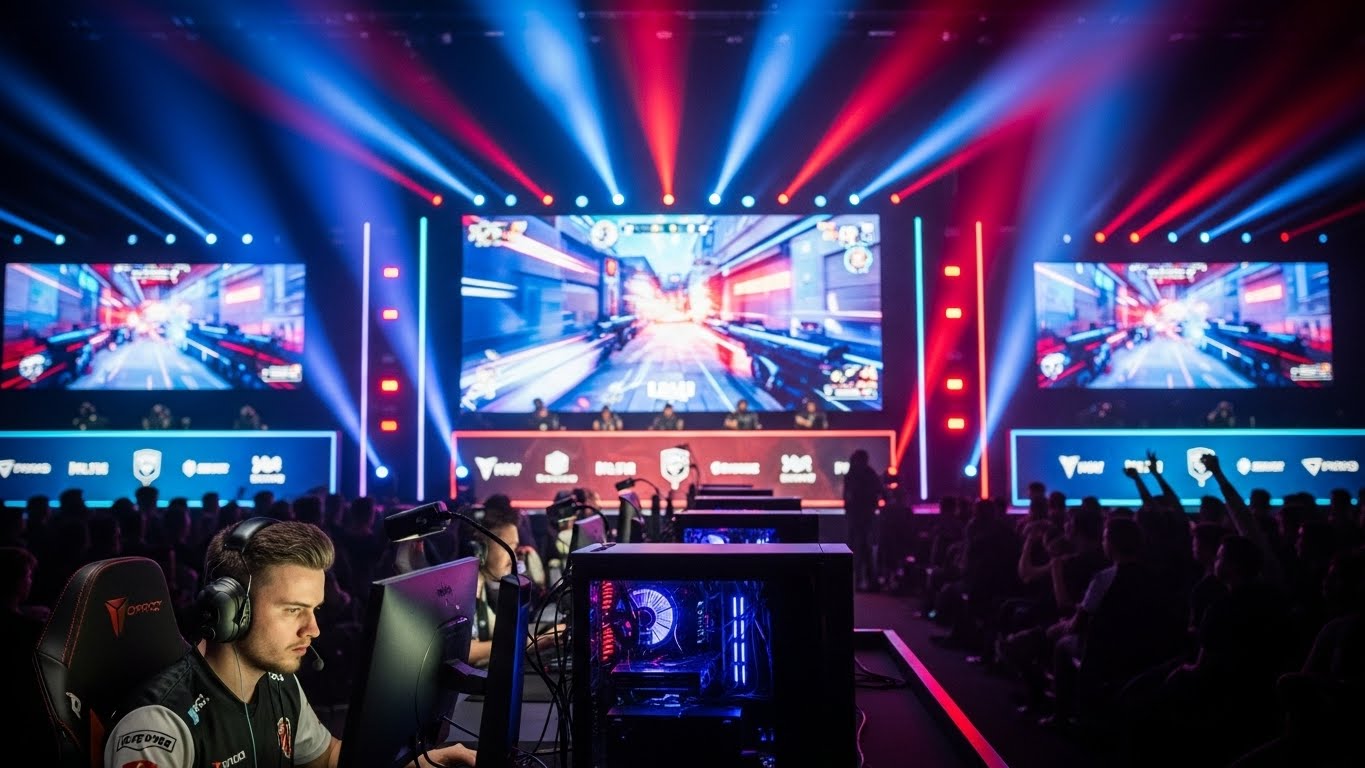
The 2010s were the true ignition point of Esports as a worldwide industry. High speed internet made streaming possible, giving fans from every continent the chance to watch competitive matches live. Platforms that allowed players to broadcast themselves turned Esports into a spectator sport overnight.
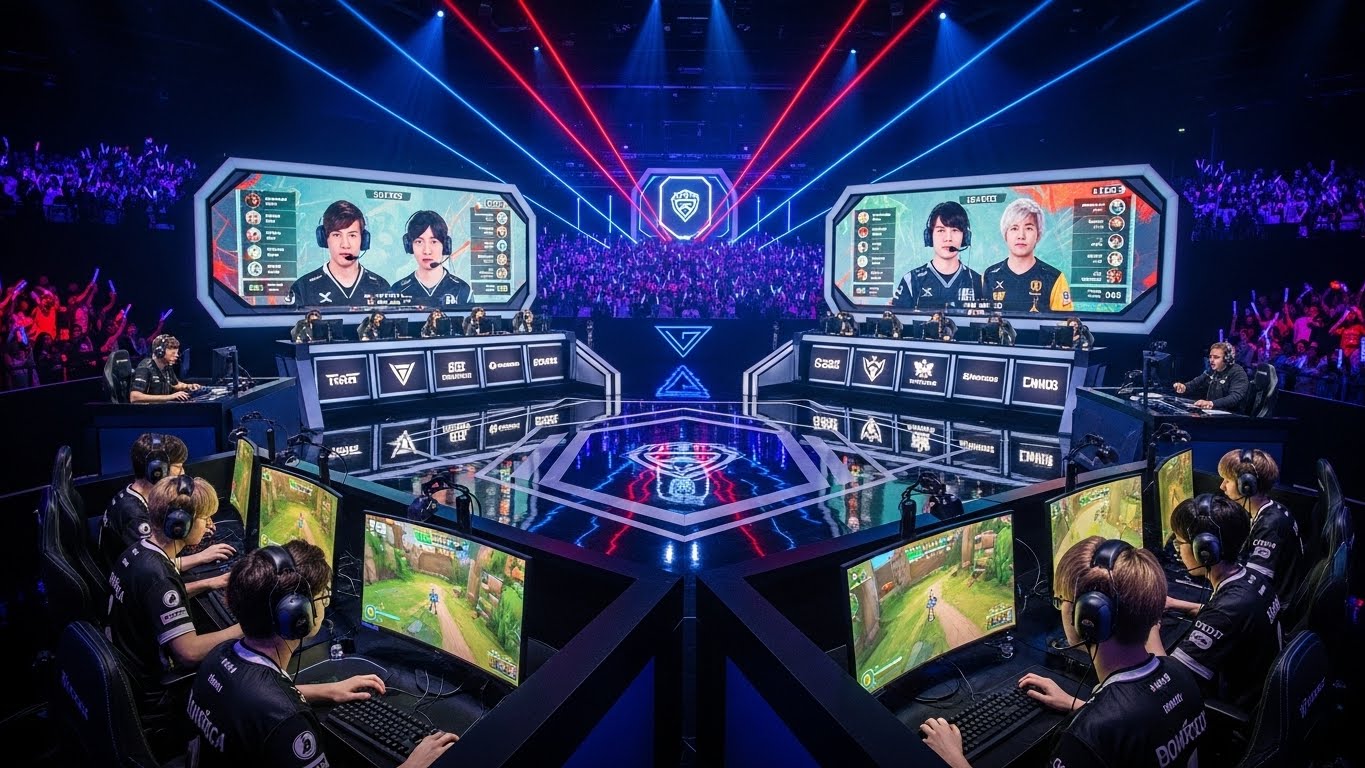
Suddenly, the world was cheering for digital heroes. Teams became brands. Players became celebrities. Coaches, analysts, and commentators enhanced the industry with expertise and showmanship. Tournament production evolved into theatrical experiences, with pyrotechnics, elaborate stages, and storylines that rival the drama of traditional sports.
Today, Esports draws millions of viewers for major championship events. Grand finals often reach higher viewership than professional hockey or baseball games. Young players no longer dream only of becoming football stars. Many now aspire to lift trophies in games like Dota 2, League of Legends, Valorant, and Rocket League. The transformation rivals the rise of cinema or television in terms of cultural impact.
The Most Celebrated Esports Titles
Esports is a universe filled with distinct galaxies of games, each with its own passionate community. Some of the most influential include:
League of Legends. Known for its huge global presence, intense team play, and incredible world championship events. Players must combine strategy, communication, and mechanical precision as if performing a choreographed dance at turbo speed.
Dota 2. Famous for its sky high prize pools and complex gameplay. Winning requires a level of tactical mastery that would make military commanders sweat.
Counter Strike. A cornerstone shooter of skill, where accuracy is a form of art and split second decisions determine victory or defeat.
Valorant. A newer title blending tactical gunplay with colorful superpowers, giving every match a spark of unpredictability.
Fortnite. The battle royale phenomenon that rewrote the rules of both gaming and streaming culture.
Rocket League. Soccer meets rocket powered cars, a spectacle of physics and aerial stunts that defies gravity and expectations alike.
There are countless more. Fighting games, sports simulations, mobile titles, and card battlers each bring their own flavor to Esports. What unites them is the thrill of competition and the shared joy of spectators who love watching mastery in motion.
The Rise of Professional Gamers
Professional gamers were once stereotypes in outdated jokes, imagined as people hiding in dim rooms. The modern pro is the opposite. They are disciplined athletes who train with the same dedication as Olympians. They study opponents, practice mechanics for hours a day, analyze gameplay footage, and follow strict diets and sleep schedules to stay sharp.
Teams provide gaming houses or training facilities with cutting edge equipment, psychological support, medical guidance, and performance coaching. Fitness training is now part of every top player’s routine because stamina, posture, and reflexes all influence results.
The journey to becoming a pro is filled with pressure. Careers are short since young reflexes often dominate the field. Fans expect excellence. Sponsors expect results. Every game can determine whether a future contract is earned or lost. Yet the passion of these competitors keeps them battling forward, driven by the dream of holding a shining trophy in front of roaring fans.
Esports and the Economy
Esports is more than entertainment. It is a thriving industry that pumps billions into the global economy every year. Revenue flows from advertising, sponsorships, ticket sales, media rights, and merchandise. Brands from luxury clothing to computer hardware align themselves with gaming because they know the audience is enormous and fiercely loyal.
The industry creates jobs far beyond just players. There are commentators who narrate explosive battles with theatrical flair. Analysts who transform complex tactics into digestible insights. Event producers who orchestrate tournaments like grand festivals. Software engineers, marketers, designers, community managers, medical professionals, and translators all play a role. Esports has become a giant network of opportunity for the digital age.
Streaming The Stadium of the Internet
Virtual arenas do not need physical seats. They are built from the pixels of livestreams watched on screens big and small. Streaming has turned Esports into something everyone can experience from home. Fans cheer in chat windows, share memes in real time, and feel every emotional swing of the game as if inside the arena.
Streamers build personal fanbases that rival the popularity of movie actors. Their charisma keeps viewers returning daily to laugh, learn, and bond with others who share their love for gaming. Streaming has democratized Esports. Anyone with a microphone and ambition can try to become a star.
Collegiate Esports and Scholarships
Esports found a surprising home in education. Schools and universities realized that gamers are talented, committed, and highly skilled both strategically and socially. Competitive programs offer scholarships to rising players just like traditional sports teams. Seasoned coaches manage rosters, and students proudly represent their institutions in national tournaments.
For many youngsters, this creates a new pathway toward education and careers. Gaming is no longer seen as a distraction. It can be a bridge that unlocks opportunities beyond the console or keyboard.
Esports and Health The Balancing Act
Professional gamers face health challenges that require constant attention. The human body was not designed to remain still for hours on end while hands perform rapid motions like hummingbirds. Injuries such as carpal tunnel syndrome or neck strain are common. Mental health, stress, and burnout are also important concerns.
To counter this, organizations invest in wellness programs. Stretching routines, ergonomic equipment, and regular physical activity are encouraged. The modern gamer athlete is learning how to take care of both mind and body to maintain peak performance.
Cultural Impact A New Era of Heroes
Esports has changed how society views competition, community, and even storytelling. Digital warriors have become role models. Fans follow their favorite players like travelers following constellations through the night sky. Some pros have millions of followers who admire not only their skill but their personality and journey.
Gaming narratives have woven themselves into modern culture. Characters from Esports franchises are icons. Game soundtracks are played at music festivals. Animation and film projects are built from the worlds of Esports titles. There is a shared mythology that gamers understand without speaking a word. It is a universal language of pixels and passion.
The Inclusivity Revolution
Esports has opened doors for players from all walks of life. Physical limitations do not define success in the digital arena. Anyone with a love for games and determination to improve can compete. Gender, nationality, and background blur into insignificance when everyone plays behind the same virtual curtain.
Communities grow from shared enthusiasm, where friendships form across continents. This inclusivity has the power to reshape how society thinks about sports and fairness. Diversity only makes Esports stronger and more vibrant.
The Challenges Esports Must Overcome
Like any industry expanding at lightning speed, Esports faces difficulties. Stability of player careers must improve. Sustainability for smaller teams and games is a constant issue. Toxic behavior in gaming spaces needs ongoing attention to ensure everyone feels welcome.
There are also complex questions about competitive integrity, such as preventing cheating, hacking, and match fixing. As the industry becomes more mainstream, rules must evolve, governance must mature, and the well being of everyone involved must remain the highest priority.
The Future Written in Pixels
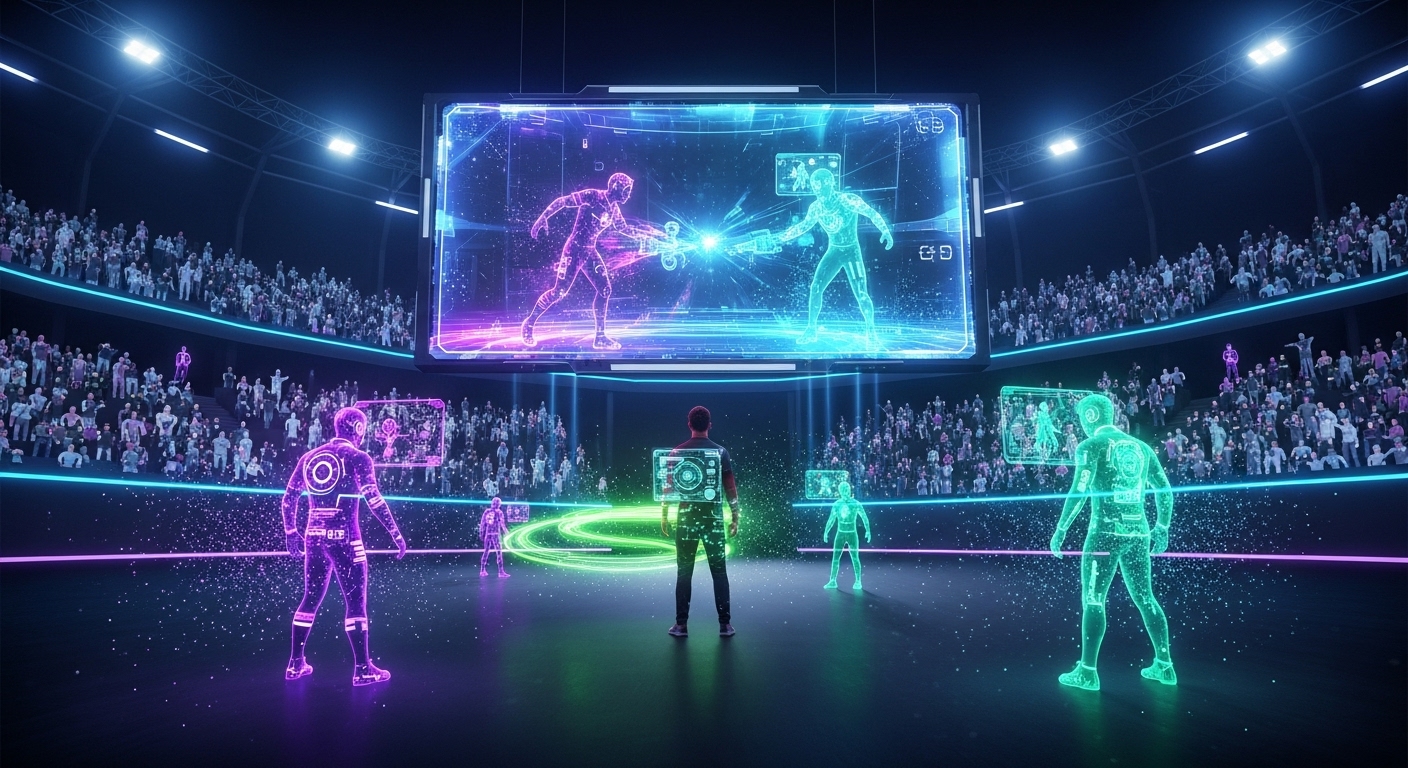
What comes next for Esports The future is bright and brimming with innovation. Virtual reality competitions may one day make audiences feel as if they are physically inside the game. Augmented reality could bring holographic effects to live events, blending digital and physical cheering as one.
More schools and nations will adopt Esports programs. More athletes will rise from unexpected places where passion thrives. Prize pools will grow, fan culture will expand, and new genres of competitive games will captivate the world.
Esports has crossed the boundary between niche hobby and mainstream excitement. Now it sets its sights on something greater. It wants to stand side by side with the biggest sports in the world and declare that digital competition is every bit as thrilling, strategic, and awe inspiring.
Conclusion A Celebration of Human Passion
Esports is more than screens and controllers. It is ambition electrified. It is teamwork, creativity, and skill put to the ultimate test. It is cheering crowds, dramatic victories, heartbreaking defeats, and unforgettable stories of perseverance.
Whether someone plays, watches, coaches, supports, or simply marvels at the spectacle, Esports brings people together in ways no one ever imagined a few decades ago. The meteoric rise of this industry shows that human competition does not need grass fields or physical stadiums. It thrives wherever passion takes hold.