Introduction: The Rise of Esports
In the past decade, esports has emerged from a niche hobby into a global cultural and professional phenomenon. What began as casual gaming among friends has evolved into organized competitions, professional leagues, and international tournaments that attract millions of spectators. Esports combines strategy, skill, teamwork, and entertainment, offering an experience that rivals traditional sports in excitement and engagement.
Beyond the competitive aspect, esports has influenced technology, education, career paths, and global culture. It has created opportunities for professional players, content creators, and entrepreneurs, while also fostering inclusive communities and reshaping how society perceives competition. This blog explores the history, impact, and future of esports, illustrating how digital gaming has transformed into a powerful global industry.
The Origins of Esports
Esports has its roots in the late 1970s and early 1980s with the advent of arcade games. Players competed informally in games like Space Invaders, Pac-Man, and Tetris, often aiming for high scores to earn bragging rights. These early competitions laid the foundation for competitive gaming and demonstrated that digital games could cultivate skill, strategy, and competition.
In the 1990s, online multiplayer gaming became possible, creating the first true esports communities. Games such as StarCraft, Counter-Strike, and Warcraft III became central to competitive gaming culture. South Korea, in particular, developed esports into a professional industry, complete with leagues, professional players, and dedicated training facilities. These developments set the stage for esports as a structured, global phenomenon.
The Growth of Esports as an Industry
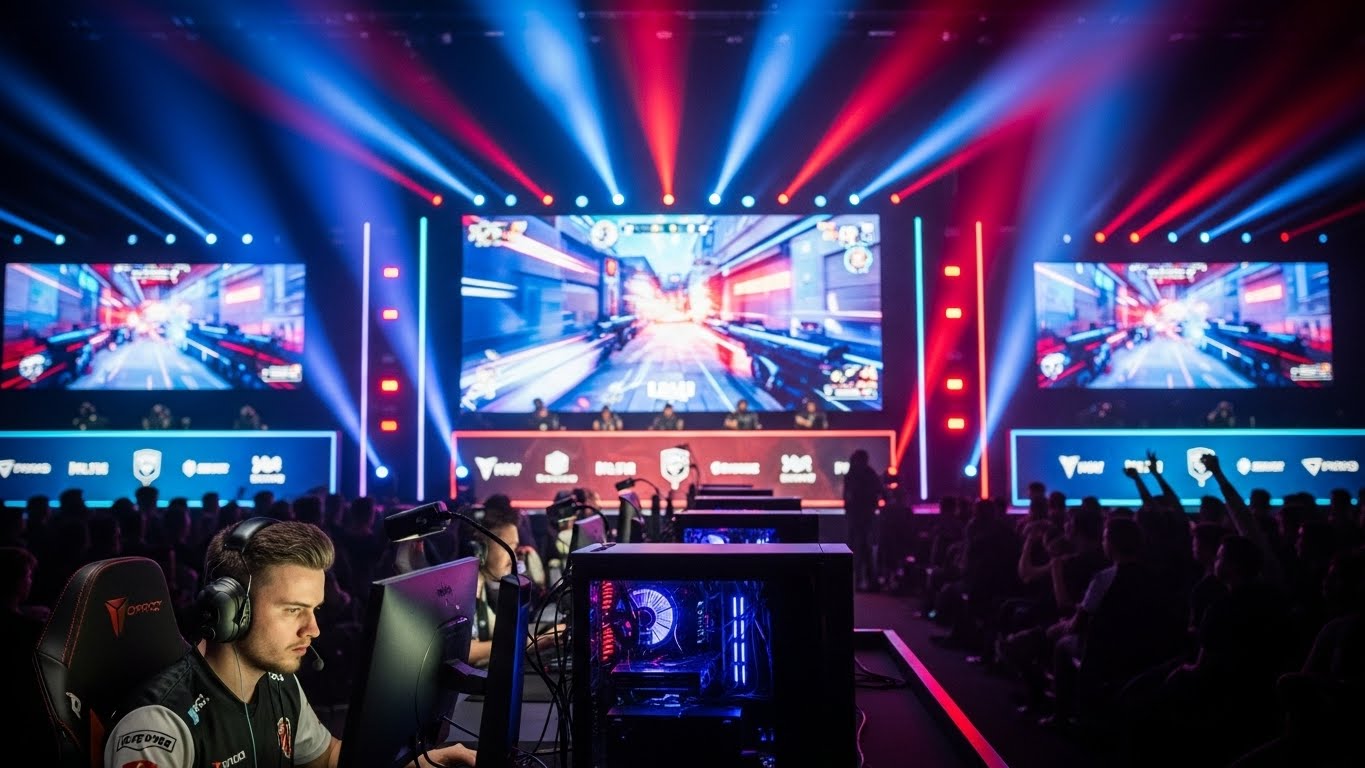
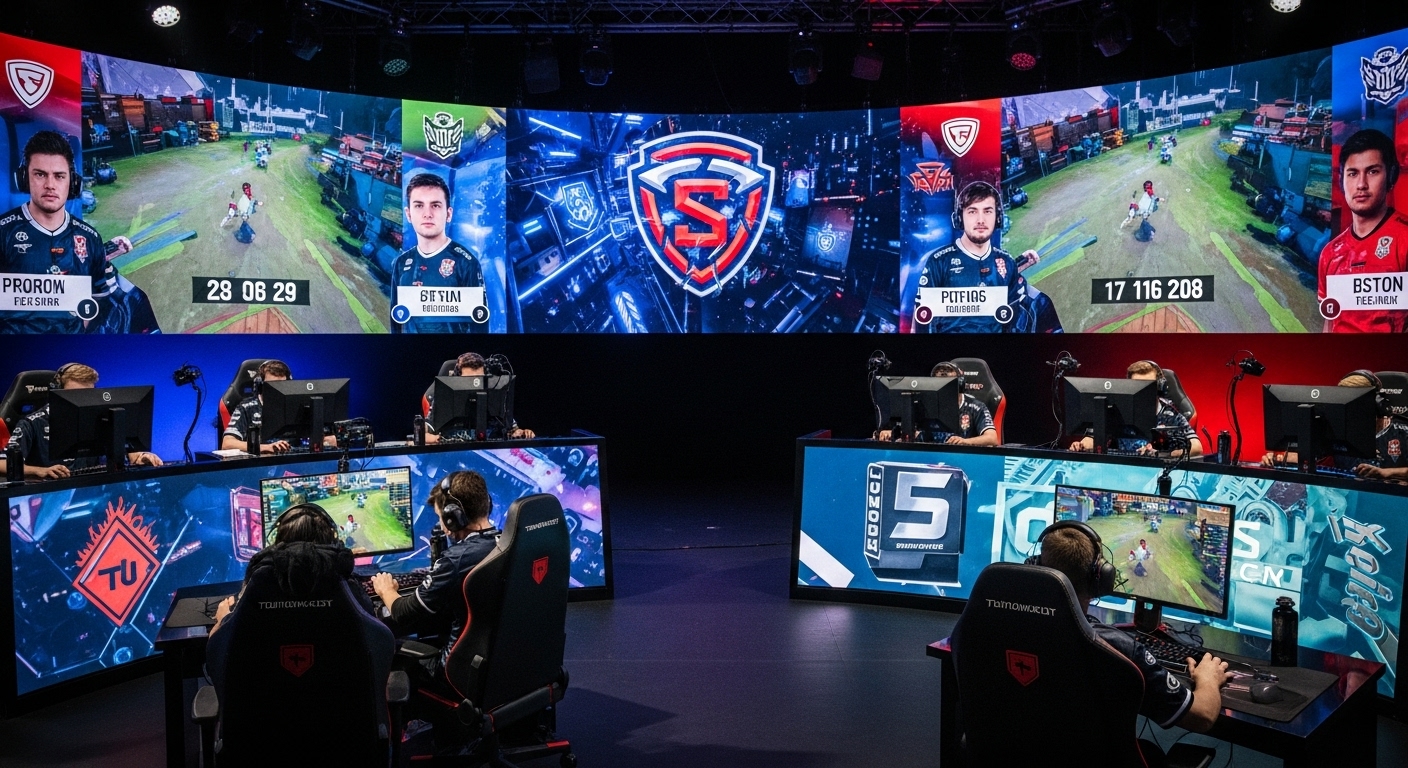
Today, esports is a multi-billion-dollar industry with extensive reach. Major tournaments like The International, League of Legends World Championship, and the Fortnite World Cup feature prize pools in the millions, drawing audiences in the tens of millions worldwide. Professional players adhere to rigorous training schedules that include skill practice, strategic analysis, physical conditioning, and mental health management.
Teams have become sophisticated organizations, employing coaches, analysts, managers, and content creators. Sponsorship deals, advertising revenue, media rights, and merchandise sales provide additional financial support. This professionalization has transformed esports from a pastime into a legitimate career pathway, offering opportunities for individuals across a range of roles.
Popular Esports Games and Genres
Esports encompasses a wide variety of games and genres, each requiring distinct skills. Multiplayer online battle arena (MOBA) games like League of Legends and Dota 2 focus on strategy, teamwork, and tactical execution. First-person shooters (FPS) like Counter-Strike: Global Offensive and Call of Duty emphasize precision, reflexes, and coordination. Battle royale titles such as Fortnite and PUBG challenge players’ adaptability and survival instincts.
Other esports genres include fighting games, real-time strategy games, sports simulations, and collectible card games. This variety ensures that both players and audiences have diverse options to explore, helping esports attract a global and highly engaged following.
The Professional Player: Training and Discipline
Becoming a professional esports player requires discipline, dedication, and skill. Players often practice for 8 to 12 hours per day, focusing on game mechanics, teamwork, strategy, and mental preparation. Physical fitness and health are also essential, as long hours of gaming can strain the eyes, wrists, and posture.
Mental resilience is equally important. Players must maintain focus under pressure, analyze complex situations in real time, and recover quickly from mistakes. Professional esports training mirrors traditional athletic preparation, demonstrating that competitive gaming is as demanding and structured as any conventional sport.
Esports Teams and Organizations
Professional esports teams operate similarly to sports franchises. They recruit talent, develop strategies, and manage players’ physical and mental well-being. Teams often have dedicated coaching staff, analysts, psychologists, and nutritionists to ensure optimal performance.
Major organizations compete in leagues and tournaments globally, building brand recognition and fan loyalty. Team dynamics are crucial, especially in multiplayer games, where coordination, communication, and trust directly impact results. The growth of professional esports teams reflects the increasing sophistication and organization of the industry.
The Global Audience of Esports
One of the most striking features of esports is its massive and engaged audience. Millions of fans follow tournaments online, watch live streams, and interact with players through social media. Streaming platforms like Twitch and YouTube Gaming allow spectators to experience competitions in real time, providing interactive experiences with live commentary, chat features, and fan engagement.
Esports has transcended geographical boundaries. South Korea, China, Europe, and North America are major hubs, but tournaments are viewed globally. The accessibility of esports makes it possible for players and fans from nearly any location to participate or spectate, contributing to its rapid global expansion.
The Role of Technology in Esports
Technology is central to esports. High-performance gaming computers, consoles, and peripherals ensure precision and responsiveness, while reliable internet connections allow for real-time global competition. Analytics and performance tracking help players and teams refine strategies, improve reaction times, and optimize gameplay.
Emerging technologies such as virtual reality and augmented reality are beginning to enhance esports experiences. These innovations promise more immersive gameplay and interactive spectating, blurring the lines between traditional sports and digital entertainment.
Esports as a Cultural Phenomenon
Esports has had a profound impact on global culture. Professional players have become celebrities, inspiring fan communities, merchandise, and creative content. Tournaments and conventions celebrate esports, providing platforms for fans to connect, socialize, and participate in the culture.
Esports also promotes inclusivity. Players from diverse backgrounds, genders, and nationalities compete on a level playing field, encouraging respect, collaboration, and cultural exchange. The rise of esports has changed how society views competition, demonstrating that skill and strategy can transcend traditional physical limitations.
Esports in Education
Educational institutions are increasingly embracing esports as a tool for learning and personal development. Universities and colleges now offer scholarships, create esports teams, and establish competitive collegiate leagues. Participation teaches students teamwork, strategic thinking, communication, and leadership skills, all of which have real-world applications.
Esports also connects with STEM education, including game development, programming, and analytics. By integrating esports into education, institutions provide students with opportunities to pursue careers in gaming, technology, and digital media, while also enhancing critical thinking and problem-solving abilities.
Mental and Physical Challenges in Esports
While esports may seem purely digital, it requires significant mental and physical endurance. Players must remain focused during long competitions, make split-second decisions, and handle the pressures of high-stakes play. Repetitive movements and extended screen time can lead to physical strain, requiring proper posture, exercise, and eye care.
Mental wellness is equally critical. Many professional teams employ psychologists or mental coaches to help players manage stress, maintain motivation, and avoid burnout. The combination of mental acuity, strategic thinking, and physical discipline makes esports a rigorous and demanding field.
Career Opportunities Beyond Playing
Esports is more than just playing games professionally. The industry offers numerous career paths, including coaching, event management, broadcasting, content creation, marketing, and game development. Streamers and influencers create engaging content, building fan bases and monetizing through sponsorships and advertising.
This diversity of roles makes esports a sustainable industry for many individuals. Whether on the competitive stage or behind the scenes, professionals contribute to the growth, innovation, and entertainment of esports worldwide.
The Future of Esports
The future of esports is full of potential. Virtual reality, augmented reality, and cloud gaming are poised to enhance the player and spectator experience. Accessibility improvements will allow more players from diverse backgrounds to participate competitively.
Esports is also likely to gain greater recognition as a professional sport. Collegiate programs, international leagues, and standardized governance structures will strengthen legitimacy. As technology advances and audiences grow, esports will continue to shape how people compete, interact, and experience entertainment in the 21st century.
Conclusion: Esports as a Global Phenomenon
Esports has transformed gaming into a global cultural, professional, and technological phenomenon. It offers opportunities for personal growth, career development, and social connection, while pushing the boundaries of innovation and entertainment.
From amateur tournaments to international championships, esports demonstrates that competitive gaming is more than a pastime—it is a legitimate, influential, and growing industry. As the world continues to embrace digital entertainment, esports will remain at the forefront, shaping the future of competition, culture, and technology.