Introduction
Esports has become one of the most dynamic and fast-growing industries in the world. What was once seen as a casual hobby has evolved into a professional and global phenomenon. It brings together millions of players and fans who share a common passion for competitive gaming. From virtual battles to world championships, esports has reshaped how people experience sports and entertainment in the digital age.
The Beginning of Esports
The story of esports began with small-scale gaming contests in the late 20th century. Early computer and console games sparked the competitive spirit among players. As internet technology advanced, online gaming created a platform where players from around the globe could challenge each other. This marked the rise of organized tournaments and professional gaming leagues that gave esports its identity.
The Growth of the Industry
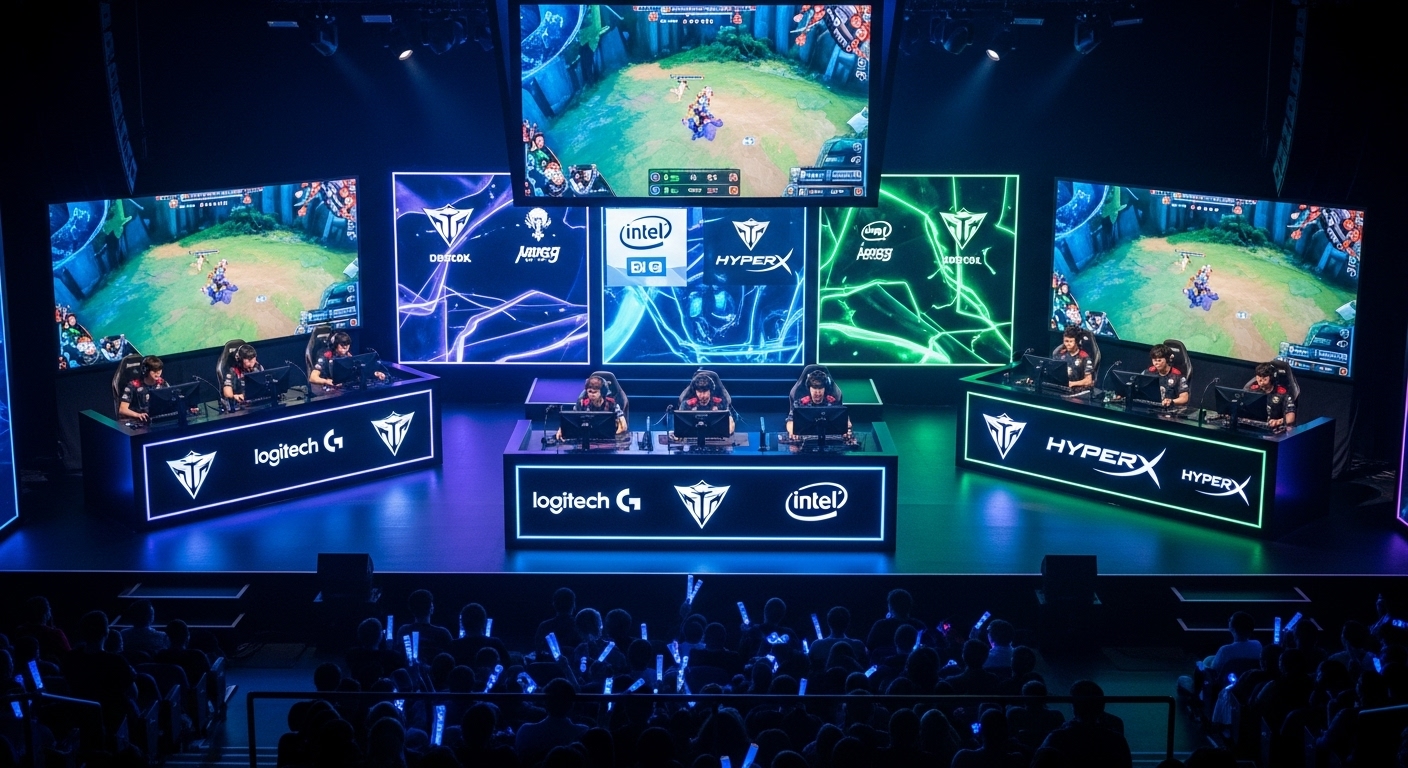
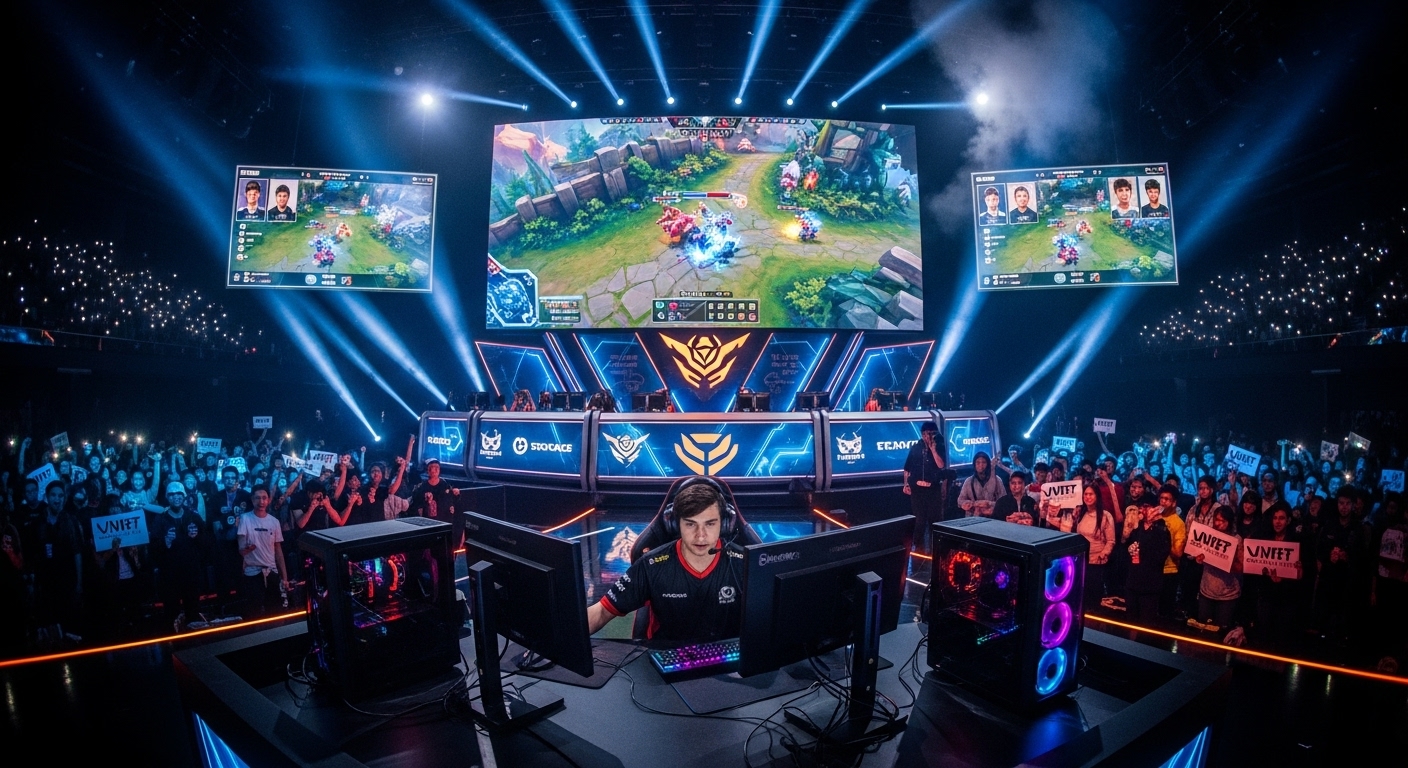
In recent years, esports has achieved tremendous growth. Popular games such as League of Legends, Valorant, Dota 2, and Counter-Strike have become household names. Major tournaments attract massive crowds, both in arenas and through online streaming. The prize pools for these competitions reach millions of dollars, proving that esports is not just entertainment but a powerful industry that rivals traditional sports in revenue and audience size.
Professional Players and Teams
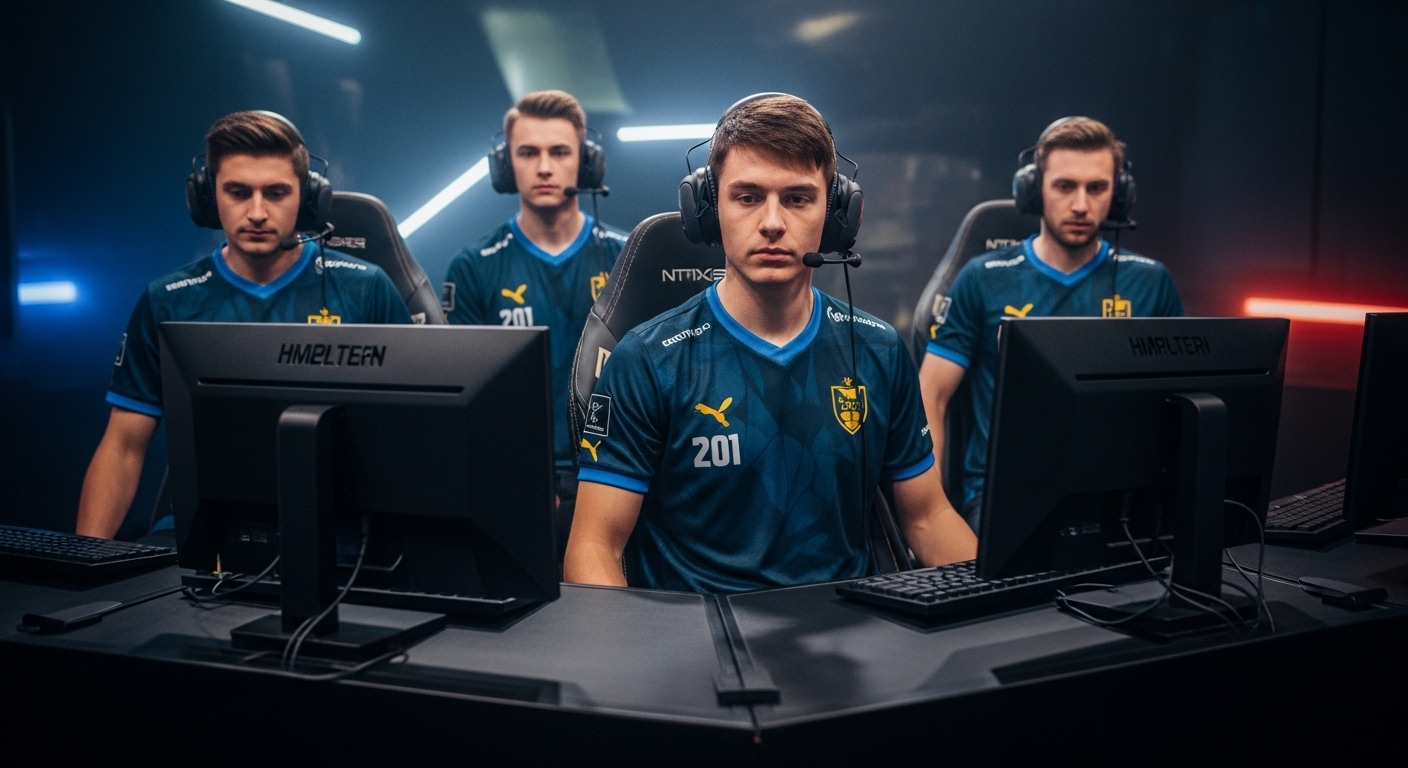
Professional gamers are at the heart of this digital revolution. They train daily, develop strategies, and work closely with their teams to master the game. These players are no longer just gamers; they are athletes with coaches, analysts, and managers supporting their journey. Their success stories inspire young gamers worldwide to pursue esports as a legitimate career.
The Role of Technology in Esports
Technology has been the backbone of esports growth. High-speed internet, advanced gaming hardware, and live-streaming platforms have connected millions of fans to live events. Innovations such as virtual reality and artificial intelligence are shaping the next phase of esports, making gaming experiences more interactive and realistic. Technology continues to push the boundaries, ensuring that esports remains at the cutting edge of entertainment.
Cultural and Social Impact
Esports has become more than just a competition; it is a cultural movement. It unites people from different countries, languages, and backgrounds. Fans cheer for their favorite teams just as they do in traditional sports. Esports also promotes teamwork, creativity, and quick decision-making skills. For many young people, it has become a source of inspiration and a way to express their passion for gaming.
Challenges in Esports
Despite its success, esports faces challenges that must be addressed. Issues such as player burnout, online toxicity, and lack of regulation can affect the growth of the industry. Ensuring fair play, mental health support, and better working conditions for players are essential for a sustainable future. The industry must continue to evolve responsibly while maintaining its excitement and competitiveness.
The Future of Esports
The future of esports looks incredibly bright. With growing investments, global recognition, and advancements in technology, it is set to become an even bigger force in entertainment. Schools and universities are starting to include esports in their programs, recognizing its educational and career potential. In the coming years, esports may even be featured alongside traditional sports in global events, marking its full acceptance as a mainstream competition.
Conclusion
Esports has redefined the meaning of sports and competition in the modern world. It showcases the power of technology, talent, and teamwork coming together on a global stage. From passionate players to dedicated fans, everyone contributes to this thriving digital community. As esports continues to grow, it will keep inspiring people to dream big, play smart, and embrace the limitless possibilities of the digital age.