Introduction: The New Era of Sports
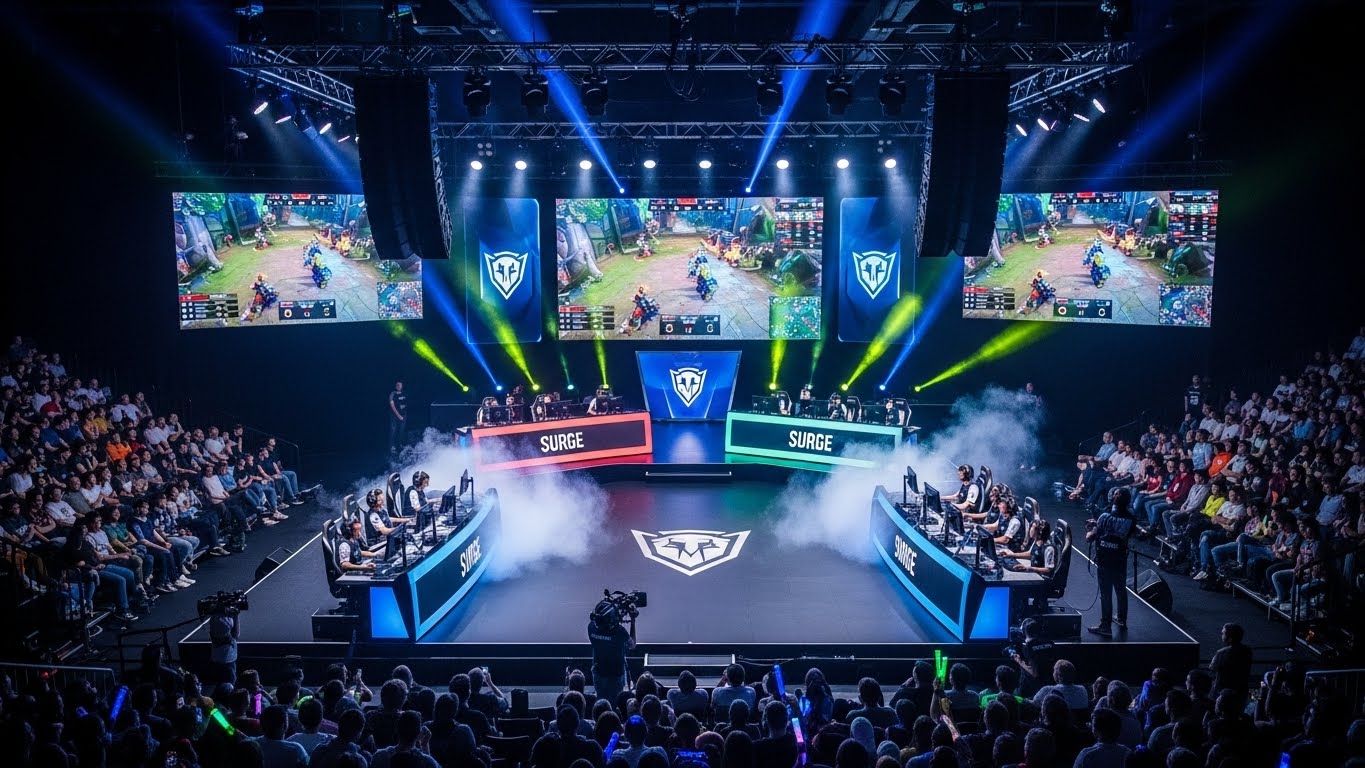
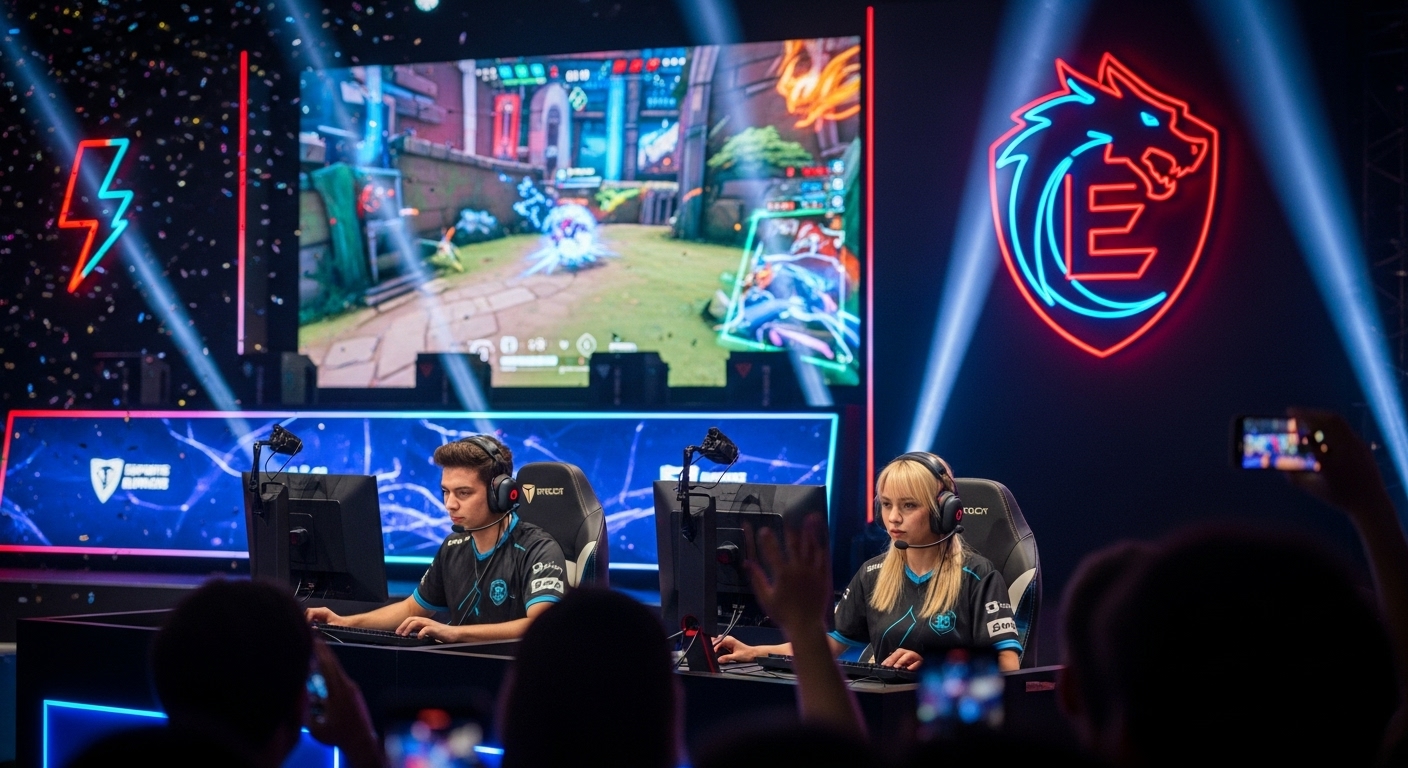
Esports, or competitive video gaming, has evolved from small online matches to a global phenomenon. Unlike traditional sports, esports thrives in a digital environment where players from different continents can compete simultaneously. With professional teams, tournaments, and dedicated fan bases, esports has established itself as more than just a hobby—it is a legitimate and influential industry.
The Explosive Growth of Esports
Over the last decade, esports has seen exponential growth. International tournaments now fill stadiums, and millions of fans tune in online to watch live streams. Games like League of Legends, Dota 2, and Counter-Strike: Global Offensive dominate the competitive scene. Sponsorship deals, advertising revenue, and merchandise sales have turned esports into a multi-billion-dollar industry, rivaling some traditional sports leagues in popularity and reach.
Technology: The Backbone of Esports
Advanced technology is at the heart of esports. High-speed internet, powerful gaming PCs, and sophisticated streaming platforms allow seamless gameplay and global viewership. Emerging technologies like virtual reality and augmented reality are creating new ways for players and audiences to experience competitions, making esports increasingly immersive and engaging.
Community: The Soul of Esports
The esports community is one of its most vital components. Online forums, social media groups, and fan events create a sense of belonging and camaraderie. Communities organize tournaments, provide tutorials, and celebrate achievements, nurturing aspiring players and helping the industry thrive. This collective enthusiasm has played a significant role in esports’ rapid expansion.
Opportunities and Challenges
Esports offers many opportunities, including professional careers, scholarships, and global recognition. However, it also faces challenges such as mental and physical strain on players, long practice hours, and the need for fair play regulations. Addressing these issues is essential for ensuring the sustainable growth and credibility of esports as a professional field.
The Future of Esports
The future of esports looks promising. Universities and institutions are increasingly recognizing esports as a legitimate competitive activity, offering scholarships and training programs. Traditional sports organizations are investing in esports teams, and technological innovations continue to redefine gameplay. Esports is no longer confined to screens—it is a cultural phenomenon that is shaping the future of competition and entertainment.
Conclusion: Beyond Gaming
Esports represents a shift in how we perceive sports, competition, and community. It combines skill, strategy, and entertainment in ways that transcend traditional boundaries. As esports continues to grow, it will inspire new generations of gamers and spectators alike, proving that the digital arena is as thrilling and meaningful as any physical sports field.