Introduction: The Surprising Growth of Esports
Esports, once a niche segment of the gaming community, has transformed into a global phenomenon over the past two decades. Competitive gaming, once considered an obscure hobby, now attracts millions of viewers, sponsors, and players worldwide. Today, it’s not only a form of entertainment but also a multi-billion-dollar industry that rivals traditional sports in both viewership and profitability.
The rapid rise of esports has fundamentally altered the landscape of digital entertainment. With professional players, lucrative sponsorships, huge prize pools, and global tournaments, esports has solidified its place in the mainstream. This blog post will explore the origins of esports, the rise of professional players, its economic impact, and what the future holds for competitive gaming.
The Early Days of Competitive Gaming
The concept of competitive gaming dates back to the 1970s, when early arcade games such as Space Invaders held local competitions to crown the best players. In these early days, competitive gaming was informal and often localized to arcades and schools. Players competed for high scores and bragging rights rather than large prizes.
The real turning point came in the 1990s with the advent of the internet and the emergence of multiplayer games. The first real taste of what we now call esports came from games like Quake, Warcraft, and StarCraft, which introduced competitive online play. In these early days, players would connect via dial-up internet, challenging each other to battles across the globe. However, it wasn’t until the early 2000s that competitive gaming began to evolve into a professional industry.
The formation of organizations like Major League Gaming (MLG) in 2002 helped provide the infrastructure needed to formalize competitive gaming. Tournaments began to be organized on a larger scale, attracting both players and sponsors. It was during this period that esports first began to take shape as an organized, spectator-driven event.
Esports Becomes a Global Industry
By the mid-2000s, competitive gaming had begun to gain significant traction, with games like Counter-Strike, Warcraft III, and Halo 2 being played in tournaments worldwide. Players competed for substantial cash prizes, and viewership of events began to rise. One of the key developments that accelerated the growth of esports was the rise of streaming platforms like Twitch.
Launched in 2011, Twitch revolutionized esports by offering a platform for players to stream their gameplay in real-time. The ability for gamers to showcase their skills and interact directly with their audiences created a new form of engagement. Viewers could watch professional players in action, ask questions, and even participate in live discussions. Twitch not only gave esports a place to grow but also helped bridge the gap between players and fans.
As streaming gained popularity, esports events began attracting massive audiences. Major tournaments like The International for Dota 2 and the League of Legends World Championship started to draw in millions of viewers. These tournaments offered life-changing prize pools, with some events offering prizes in excess of $20 million. The increasing size of these tournaments made it clear that esports had become a serious industry with enormous potential.
The Professionalization of Esports Players and Teams
One of the most significant developments in the esports world has been the professionalization of its players and teams. While early esports tournaments were relatively informal, the emergence of dedicated organizations and teams helped transform the scene into a highly competitive, organized sport.
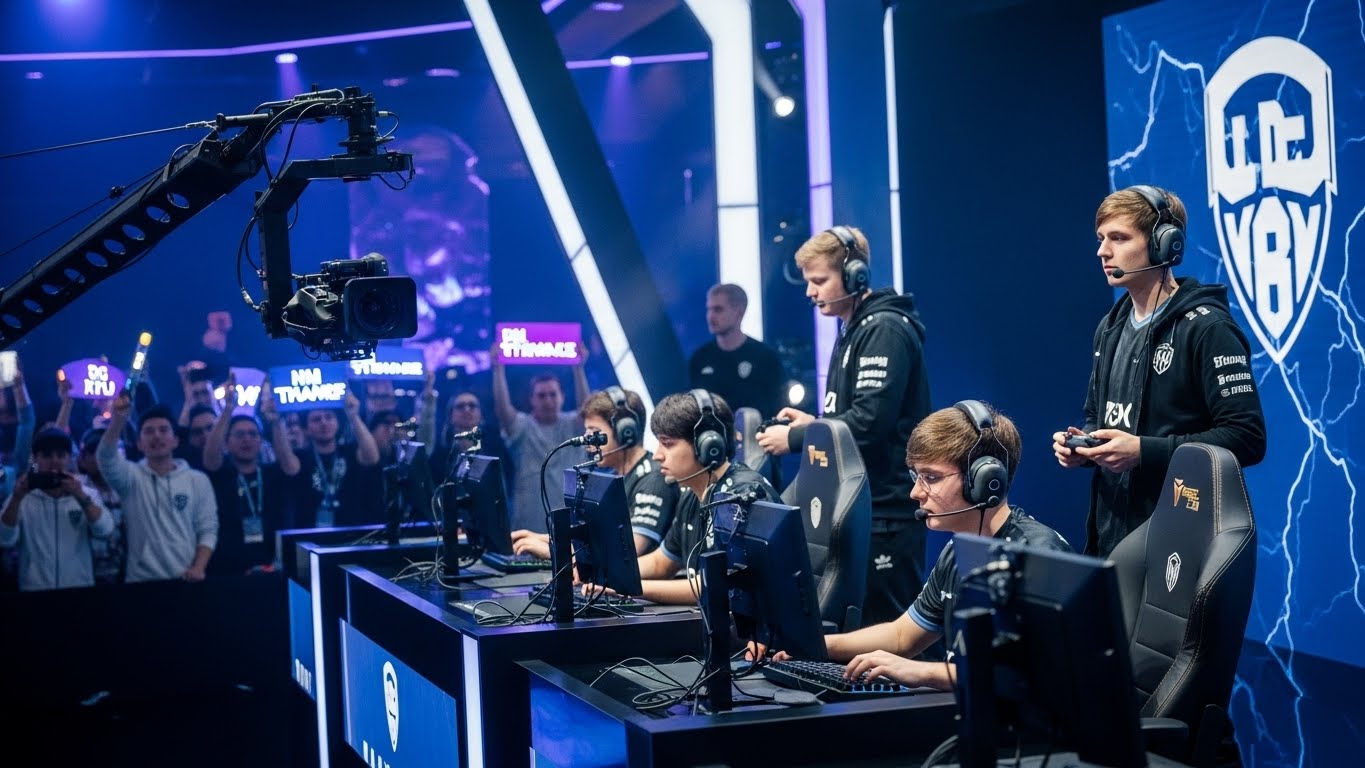
Esports teams now operate similarly to traditional sports teams. They recruit top-tier players, hire coaches, analysts, and team managers, and invest heavily in training facilities and travel. These teams participate in leagues and tournaments, competing for sponsorships, prize money, and global recognition.
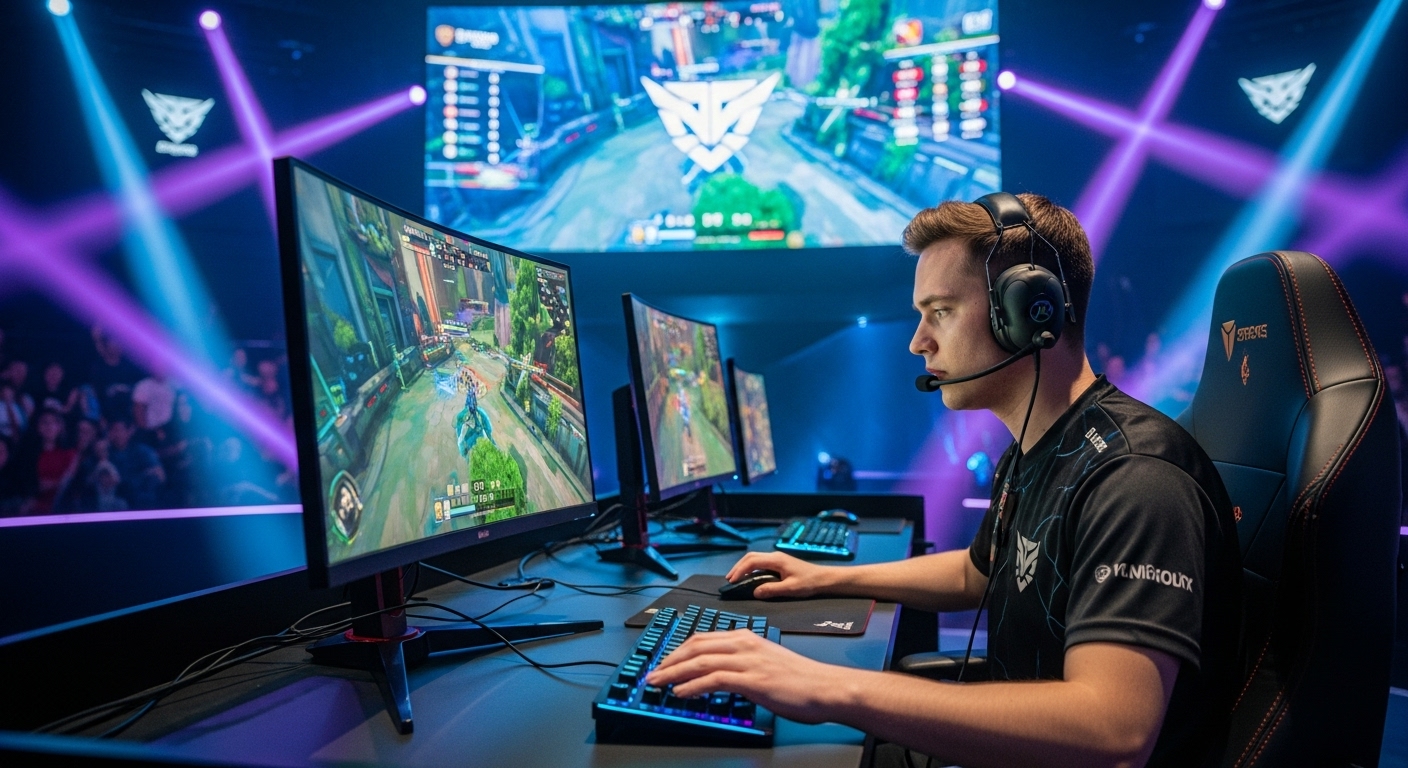
The rise of esports as a career option has been a game-changer for many aspiring players. Today, professional gamers dedicate themselves to their craft, training for hours each day, studying game mechanics, and honing their skills. To become a top-tier esports player, the level of dedication required is immense—much like in any traditional sport.
Some of the biggest names in esports, like Faker from League of Legends and N0tail from Dota 2, have achieved worldwide fame and financial success, earning millions of dollars from sponsorships, prize money, and streaming. In fact, N0tail, a player in Dota 2, holds the record for the highest career earnings in esports, surpassing $7 million.
This level of success and recognition has made esports a legitimate career path for many young players, with some even starting their professional careers as teenagers.
The Role of Sponsorships and Media Rights in Esports
A key factor in the explosion of esports has been the significant influx of sponsorships from major brands. Just as traditional sports rely on sponsorships to fund events and teams, esports has benefited from the support of major companies across various industries. Brands such as Intel, Coca-Cola, Red Bull, and Nike have partnered with esports organizations, recognizing the opportunity to engage with a young, tech-savvy audience.
These sponsorships provide teams with the financial backing they need to remain competitive and support their players. Sponsors help fund travel, accommodations, equipment, and salaries, allowing teams to focus on what they do best—competing at the highest level.
Additionally, media rights deals have become an increasingly important revenue stream for esports organizations. Companies like YouTube and Twitch have paid millions for exclusive broadcasting rights to esports tournaments. The availability of live-streamed content and the increasing number of viewers has attracted advertisers, further fueling the financial growth of the industry.
Esports as a Cultural Movement
Esports is more than just a form of entertainment; it has become a cultural movement that has attracted a global following. Competitive gaming communities have formed around specific games, fostering a sense of camaraderie and shared identity. Fans often rally behind their favorite teams, celebrating victories and enduring losses together. This communal aspect of esports is one of its most attractive features.
The growth of esports has also been driven by its integration with social media platforms. Players and teams use platforms like Twitter, Instagram, and TikTok to connect with fans, share content, and promote their personal brands. Esports personalities have become celebrities in their own right, and many players now enjoy significant social media followings.
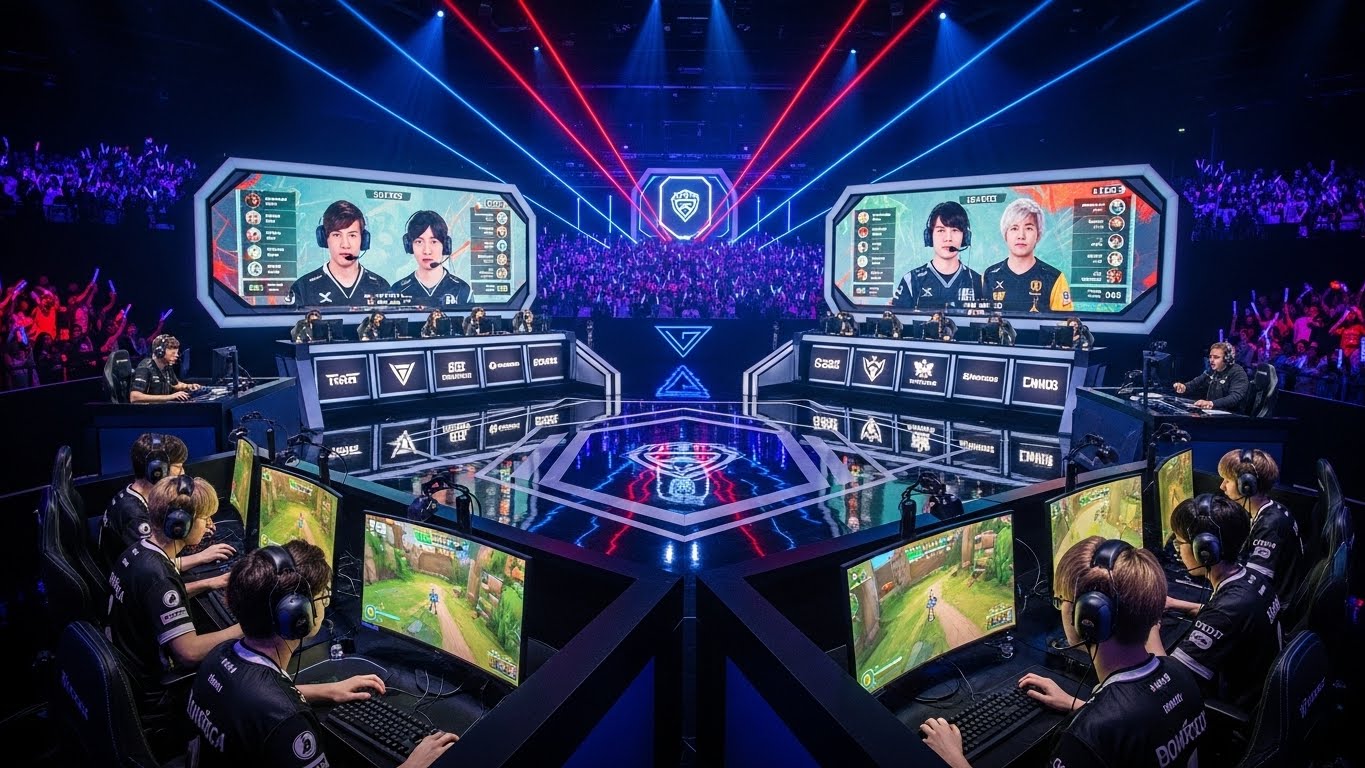
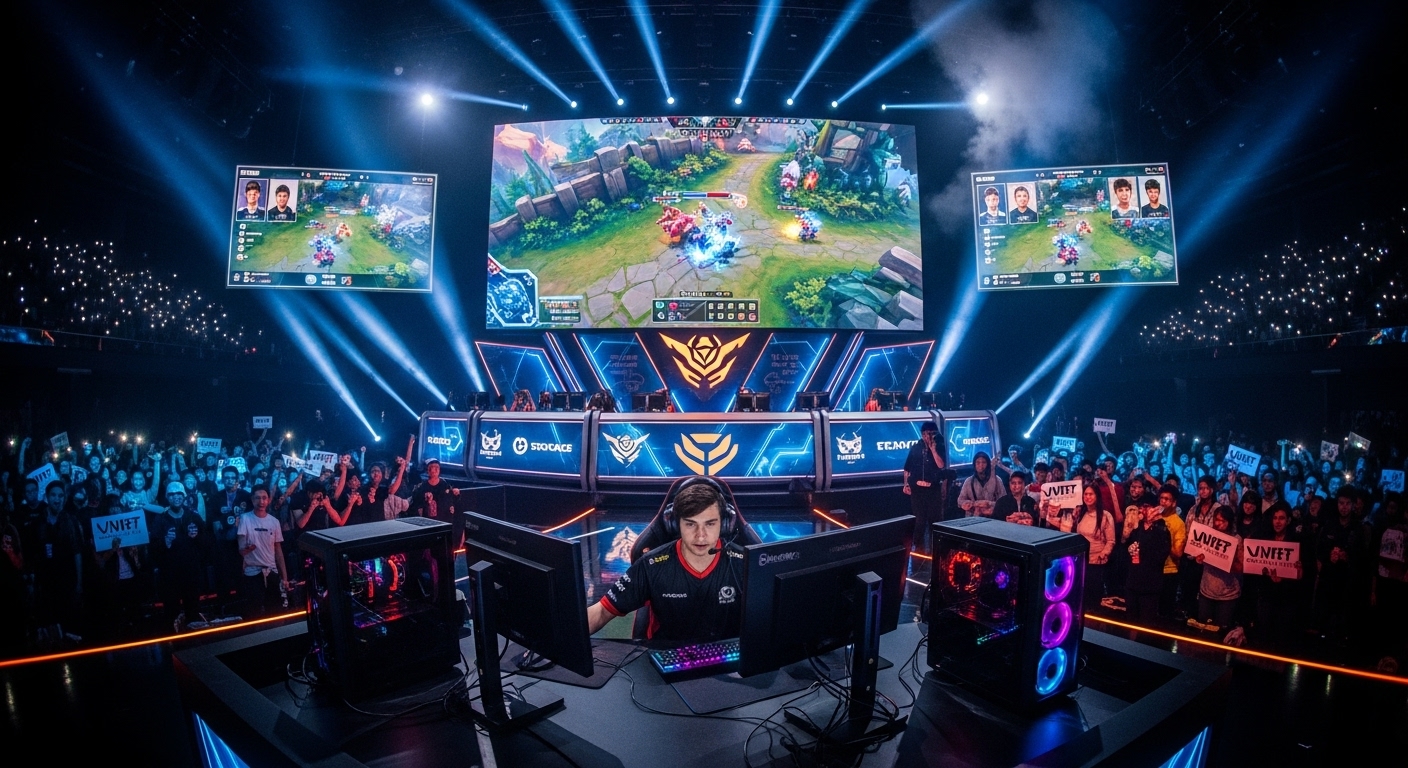
In addition to its digital presence, esports has also made its way into the physical world. Esports arenas are being built in major cities around the globe, and live tournaments attract thousands of fans who attend in person to watch their favorite teams compete. Events like The International and the League of Legends World Championship fill massive arenas and are broadcast live to millions of viewers worldwide.
The Economic Impact of Esports
Esports is not only a global entertainment powerhouse, but it is also an economic engine. According to reports, the global esports industry was valued at over $1 billion in 2020, and it continues to grow at an exponential rate. The industry generates revenue from several streams, including ticket sales for live events, sponsorships, media rights, advertising, merchandise, and streaming.
As esports grows, it creates new job opportunities across multiple sectors. Event organizers, production teams, marketing experts, and even esports lawyers are in high demand as the industry expands. Cities that host major esports events benefit from increased tourism and local spending, with fans traveling from around the world to attend tournaments.
In addition to its impact on the global economy, esports is also contributing to the development of new technologies. The increasing popularity of streaming platforms and the rise of mobile gaming have spurred innovation in software and hardware. Streaming platforms like Twitch and YouTube have invested heavily in improving their infrastructure to support high-quality streams, while gaming companies have developed more powerful gaming PCs and consoles to keep up with demand.
The Future of Esports: Innovation and Growth
The future of esports is bright, with many exciting developments on the horizon. Mobile gaming is one area where esports is experiencing rapid growth. Games like PUBG Mobile and Free Fire have attracted millions of players, and mobile esports tournaments are becoming increasingly common in regions like Southeast Asia and Latin America.
Technological advancements will also continue to shape the future of esports. Virtual reality (VR) and augmented reality (AR) have the potential to revolutionize the way players compete, creating even more immersive experiences for both players and viewers. Imagine an esports event where players compete in virtual arenas, or where viewers can interact with the game in real-time using AR.
Moreover, the increasing acceptance of esports by mainstream media and institutions points to a bright future. Discussions are already underway about the potential inclusion of esports in the Olympic Games, which would further legitimize esports as a competitive sport.
Conclusion: Esports is Here to Stay
Esports has come a long way from its humble beginnings in arcades and LAN parties. What began as a niche activity is now a global industry that touches millions of lives worldwide. The rise of professional players, the growth of streaming platforms, the financial impact of sponsorships, and the cultural significance of esports have all contributed to its success.
Looking ahead, esports will continue to evolve, driven by technological innovations, increased fan engagement, and its growing presence in mainstream culture. As the industry matures, the opportunities for players, fans, and sponsors alike will only increase, making esports an essential part of the entertainment landscape for years to come.
Esports is more than just a trend—it is a new era of competitive gaming, and its future is incredibly exciting.