Introduction
In the past decade, esports has grown from a niche hobby into a global phenomenon. What once existed as small gaming competitions in arcades and university labs has now transformed into a professional, billion-dollar industry. Millions of fans across the world watch professional players compete in tournaments, and esports athletes are achieving celebrity status similar to traditional sports stars. This blog explores the journey of esports, its influence on culture and economy, the challenges it faces, and what the future holds for this rapidly expanding digital frontier.
The Origins of Competitive Gaming
Esports did not emerge suddenly. Its roots trace back to the early days of arcade gaming and simple computer competitions. In the 1980s, high score competitions in games like Pac-Man and Space Invaders were some of the earliest forms of competitive gaming. Players competed locally, striving to beat each other’s records. These competitions were often informal, but they laid the foundation for the competitive mindset that defines esports today.
The evolution of personal computers and the internet in the 1990s created opportunities for online multiplayer gaming. Titles such as Doom, Quake, and StarCraft allowed players to compete beyond their local communities, forming online gaming cultures and setting the stage for organized tournaments. This period marked the beginning of competitive gaming becoming a global activity rather than just a local pastime.
The Rise of Popular Esports Titles
The growth of esports is closely tied to the popularity of specific game titles. Games like League of Legends, Dota 2, Counter-Strike, Fortnite, and Valorant became more than just entertainment; they became competitive arenas with their own rules, communities, and strategies.
League of Legends, for example, revolutionized esports with its strategic depth and team-based gameplay. Dota 2 followed, offering one of the largest prize pools in esports history, drawing attention from players and fans worldwide. These games required not only skill but teamwork, communication, and strategic thinking, emphasizing esports as a serious competitive endeavor.
The Role of Streaming Platforms
One of the key factors behind the global expansion of esports is streaming. Platforms that allow gamers to broadcast their gameplay in real time have transformed esports into a spectator-driven industry. Millions of fans can watch professional matches, learn strategies, and engage with players directly. Unlike traditional sports, esports content is accessible to anyone with an internet connection, making it inclusive and global.
Streaming also allows players to create personal brands. Gamers now engage with fans through live streams, social media, and interactive content, building loyalty and community. This direct connection between players and audiences has elevated esports from just a competitive activity into a form of entertainment that rivals traditional sports and media.
Professionalization of Esports
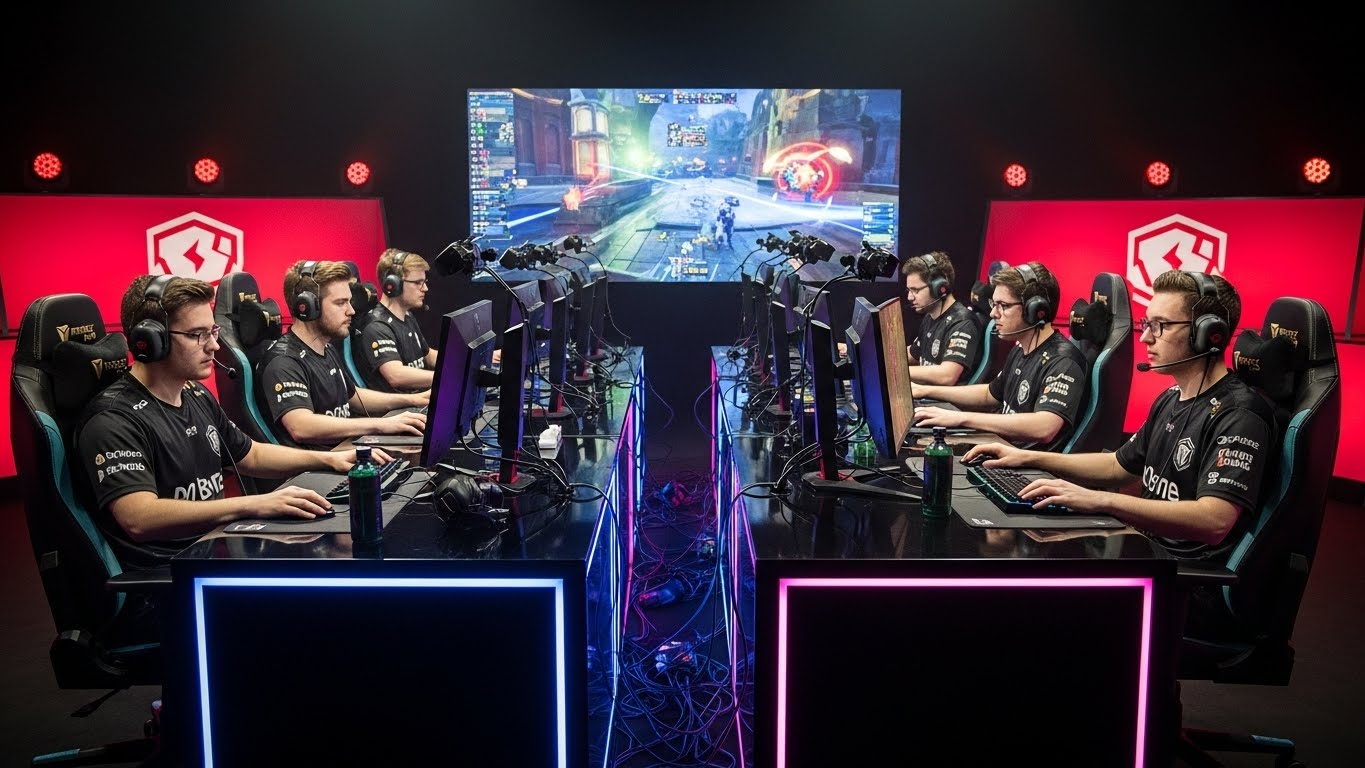
Esports today mirrors the structure of traditional sports. Professional teams are formed, often with full-time coaching staff, analysts, and managers. Players receive salaries, sponsorships, and benefits, allowing them to focus entirely on their training and performance. Training facilities are built to optimize practice routines, improve teamwork, and enhance individual skills.
Major tournaments now feature prize pools in the millions, and international competitions attract global viewership. This professionalization has created a wide range of career opportunities, from player management to broadcasting, marketing, and game development. Esports is no longer just a hobby; it has become a legitimate career path for many.
Esports and Cultural Influence
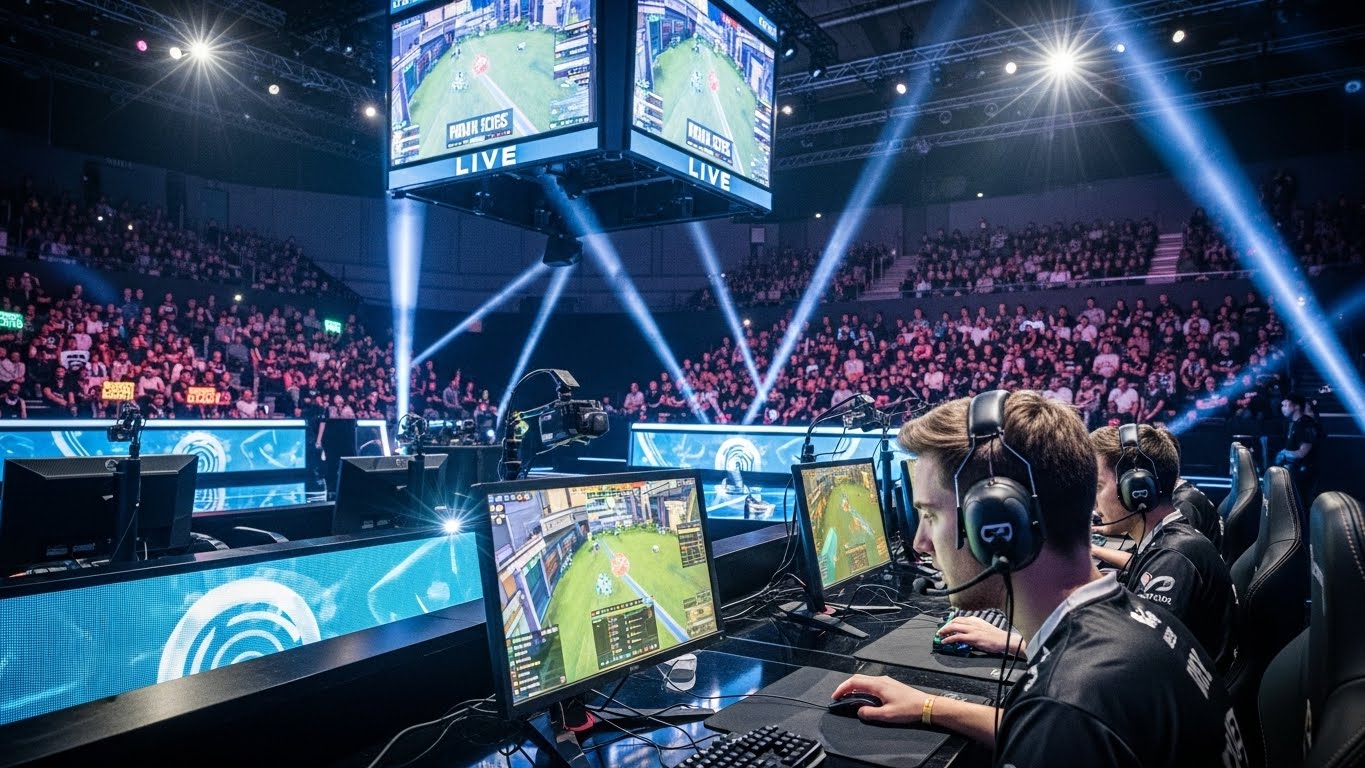
Esports has become an influential part of global culture. Gamers have millions of followers and influence similar to actors, musicians, or traditional athletes. Major tournaments now fill arenas once reserved for concerts or sporting events. The industry combines entertainment, competition, and community engagement, appealing particularly to younger generations who grew up with digital media.
Esports culture also promotes creativity and innovation. Fans and players create content, share strategies, and participate in online communities. This level of engagement fosters a sense of belonging and identity, making esports a cultural phenomenon that goes beyond just playing games.
Economic Impact of Esports
The economic influence of esports is enormous and still growing. Revenue comes from multiple sources, including sponsorships, merchandise, media rights, tournament ticket sales, and in-game purchases. Brands see esports as a way to reach young, tech-savvy audiences, leading to investments from industries beyond gaming, such as fashion, automotive, and entertainment.
The rise of esports has also boosted local economies. Cities hosting international tournaments experience tourism growth, increased business for hotels and restaurants, and global exposure. Esports organizations operate like corporations, building brands, marketing strategies, and global teams, contributing to the economic ecosystem surrounding competitive gaming.
Esports in Education
Education is another area where esports is making an impact. Schools, colleges, and universities are establishing esports programs, offering students scholarships, and creating competitive teams. These programs help students develop skills in leadership, teamwork, communication, and strategic thinking.
Beyond the gaming aspect, esports in education introduces students to careers in game development, broadcasting, digital marketing, and event management. This blend of entertainment and practical skill-building highlights esports as a modern tool for youth development and learning.
Mental and Physical Challenges in Esports
Although esports is digital, it demands intense mental and physical discipline. Professional players must maintain focus for extended periods, react quickly, and execute precise movements. The mental strain of competition requires resilience, strategic thinking, and emotional control.
To support players, many professional teams employ psychologists, nutritionists, and physical trainers. Exercise, proper rest, and mental health management are essential for maintaining peak performance. This holistic approach demonstrates that esports is not just a game but a highly demanding professional endeavor.
Challenges Facing the Esports Industry
Despite its growth, esports faces several challenges. Player burnout is common due to long hours of practice and intense competition. Regulation is inconsistent across different regions and games, leading to questions about fair play and ethical standards. Additionally, online toxicity, harassment, and cheating remain significant problems that the industry must address.
Sustainability is another challenge. While the top-tier players earn significant income, many aspiring professionals struggle to secure financial stability. Ensuring a healthy ecosystem for all participants is essential for the long-term success of esports.
The Future of Esports
The future of esports is bright and full of possibilities. Advancements in virtual reality, augmented reality, and cloud gaming could revolutionize the way competitions are played and viewed. New games will continue to emerge, bringing fresh talent and audiences into the fold.
Esports may also integrate more closely with traditional sports and entertainment industries. The blending of gaming, music, media, and live events can create even more immersive experiences. As technology evolves, esports will continue to influence global culture, education, and economies.
Conclusion
Esports has come a long way from its humble beginnings in arcades and early computer games. It has grown into a global industry with professional players, massive audiences, cultural influence, and economic power. The journey of esports is a testament to how digital entertainment can transform into a serious competitive arena that shapes modern culture and provides opportunities for millions worldwide.
The rise of esports demonstrates that the boundaries of competition, entertainment, and community are evolving. What began as casual gaming has become a platform where talent, strategy, and technology converge. As esports continues to expand, it promises to redefine not only how we play games but how we experience competition, connect with communities, and engage with digital culture.