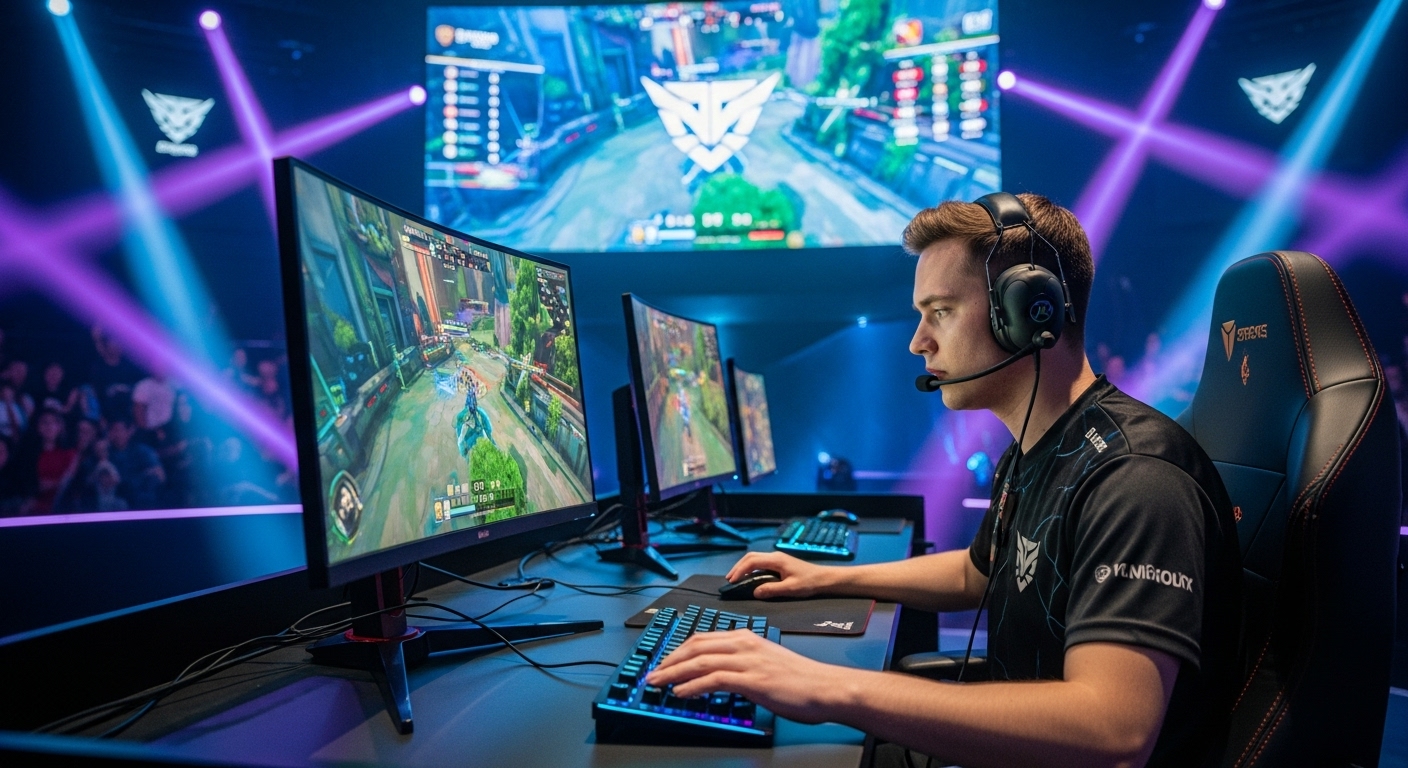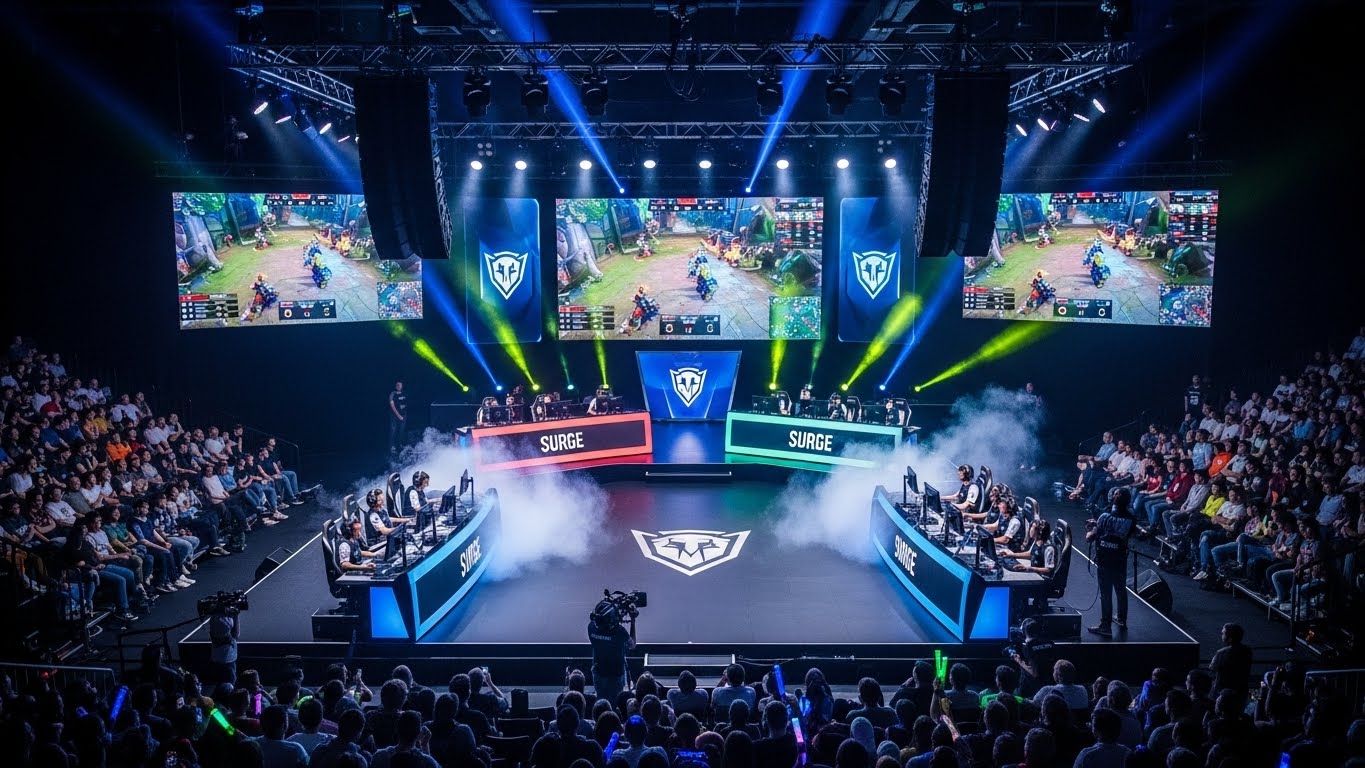
Esports, short for electronic sports, has emerged as a global phenomenon that is transforming the landscape of competitive entertainment. What began as casual multiplayer gaming has evolved into a professional industry with millions of players, spectators, and enthusiasts worldwide. With tournaments offering multi-million-dollar prize pools, professional teams, sponsorships, and streaming platforms broadcasting events to global audiences, esports has become a legitimate career path and a mainstream form of entertainment. This blog post explores the rise of esports, its cultural significance, technological underpinnings, economic impact, and future potential.
The Origins of Esports
The roots of esports trace back to the late 1970s and 1980s when competitive gaming began in arcades and early computer systems. Classic games such as Space Invaders, Pac-Man, and later Street Fighter and Super Mario Bros became the platforms where players competed for high scores and recognition. The introduction of multiplayer PC games like Quake, Counter-Strike, and StarCraft in the 1990s marked a turning point, providing more strategic depth and team-based competition. Early tournaments were often informal but laid the foundation for organized competitive gaming, gradually building communities that shared strategies, streamed matches, and cultivated rivalries.
The Growth of Competitive Gaming
Esports has grown exponentially in the 21st century, fueled by advances in technology and the internet. Online multiplayer platforms, high-speed broadband, and streaming services have connected players across the globe, creating massive communities and fan bases. Major esports titles like League of Legends, Dota 2, Fortnite, Call of Duty, and Valorant have attracted millions of players and viewers, transforming casual gaming into professional competition. Organized leagues, such as the Overwatch League and the League of Legends Championship Series, have established standardized rules, team franchises, and seasonal tournaments, further legitimizing esports as a structured industry.
Esports as a Career
For many, esports is no longer just a hobby—it is a career. Professional esports players undergo rigorous training, often dedicating hours each day to perfecting skills, strategies, and teamwork. Teams employ coaches, analysts, and managers, similar to traditional sports organizations. Players can earn income through tournament winnings, salaries, sponsorship deals, merchandise sales, and streaming platforms. Beyond players, esports offers career opportunities in broadcasting, event management, content creation, marketing, and software development. This professionalization has made esports a viable industry, attracting talent from diverse backgrounds and inspiring aspiring players worldwide.
The Economics of Esports
Esports has become a billion-dollar industry, driven by advertising, sponsorships, ticket sales, merchandise, and media rights. Major brands are increasingly investing in esports, recognizing its ability to engage younger, tech-savvy audiences. Sponsors include technology companies, beverage brands, apparel, and even financial institutions. Revenue also comes from digital platforms where fans watch live streams, purchase virtual items, or subscribe to premium content. The economic impact of esports extends beyond games themselves, creating jobs, stimulating local economies through live events, and driving technological innovation.
Technology Behind Esports
The growth of esports is deeply intertwined with technological advancement. High-performance computers, gaming consoles, and peripherals allow players to compete at professional levels. Internet connectivity ensures smooth online gameplay and global competitions. Streaming platforms provide live broadcasts with interactive features, enabling fans to watch, comment, and participate in real-time. Additionally, technologies like artificial intelligence and data analytics are used by teams to analyze gameplay, predict strategies, and improve performance. Virtual reality and augmented reality are also beginning to influence competitive gaming, offering new ways for both players and spectators to engage.
Esports and Community Engagement
Community is at the heart of esports. Online forums, social media platforms, and streaming services enable players and fans to connect, share strategies, and celebrate victories. Esports tournaments often include fan interactions, meet-and-greet sessions, and community events that enhance engagement. Multiplayer games encourage collaboration, teamwork, and communication, fostering a sense of belonging among players. The esports community is not limited to professional players; casual gamers, content creators, and enthusiasts all contribute to a vibrant, inclusive ecosystem that drives the industry forward.
The Psychological and Social Benefits
Esports offers a range of psychological and social benefits. Strategic gameplay and problem-solving skills improve cognitive function, while teamwork and communication enhance social skills. Competitive gaming can also boost resilience, focus, and decision-making under pressure. For many, esports provides a sense of purpose, achievement, and belonging, particularly for younger audiences. Additionally, the social aspects of esports reduce isolation, as players form friendships and bonds across geographic boundaries. These benefits highlight that esports, beyond entertainment, can contribute to personal growth and development.
Esports and Traditional Sports
Esports increasingly parallels traditional sports in structure, culture, and recognition. Professional leagues have drafts, team rosters, and seasonal tournaments, mirroring conventional sports leagues. Coaching, training, and performance analysis are integral to player success. Esports events are held in arenas, with live audiences and broadcast production similar to professional sports. The crossover also extends to sponsorship, media coverage, and fan engagement. Some traditional sports organizations have even invested in esports teams, recognizing its appeal to younger demographics and its potential to expand their brand presence.
Esports as an Educational Tool
Esports has begun to find applications in education, fostering skills that extend beyond gaming. Schools and universities are offering esports programs, scholarships, and competitive teams. These initiatives teach teamwork, strategic thinking, communication, and digital literacy. Students gain experience in areas such as game design, broadcasting, event management, and content creation, preparing them for careers in the growing digital entertainment industry. By integrating esports into educational frameworks, institutions recognize its potential as both a tool for learning and a legitimate career pathway.
The Global Reach of Esports
Esports is a truly global phenomenon, with audiences and players spanning continents. Asia, particularly South Korea and China, has been a pioneer in professional gaming, with well-established leagues and massive fan bases. North America and Europe have rapidly grown esports markets, hosting large-scale tournaments and developing professional teams. Latin America, Africa, and Southeast Asia are emerging markets, driven by increased internet access, mobile gaming, and grassroots initiatives. The global reach of esports emphasizes its universal appeal and demonstrates how digital platforms can connect communities across diverse cultures.
Challenges Facing Esports
Despite its success, esports faces several challenges. Player burnout, mental health issues, and the pressure of professional competition are ongoing concerns. Regulatory frameworks are still developing, particularly around age restrictions, gambling, and ethical gameplay. Accessibility remains an issue in regions with limited internet infrastructure. Additionally, gender disparities and lack of diversity in professional gaming are concerns that the industry must address. Ensuring player well-being, inclusivity, and fair competition are essential for the long-term sustainability of esports.
The Future of Esports
The future of esports is poised for continued growth, innovation, and mainstream integration. Emerging technologies such as virtual reality, augmented reality, and artificial intelligence will further enhance gameplay and spectator experiences. Cross-platform competitions, immersive fan engagement, and global broadcasting will expand accessibility and audience reach. Esports will likely become even more intertwined with traditional sports, entertainment, and media, creating hybrid experiences that appeal to diverse audiences. With its combination of innovation, community, and entertainment, esports is set to remain a defining feature of the digital age.
Conclusion
Esports has evolved from casual gaming into a global, professional, and socially impactful industry. Its growth is fueled by technology, community engagement, and economic opportunities, while its cultural significance continues to expand. From professional players and competitive leagues to casual gamers and fans, esports encompasses a broad spectrum of participation, reflecting the democratization of entertainment in the digital era. As technology advances and the global audience grows, esports will continue to redefine how we experience competition, collaboration, and entertainment.
By combining strategic skill, immersive experiences, and social interaction, esports is more than a game—it is a transformative force shaping the future of digital entertainment. Its rise demonstrates that competitive gaming is not just a pastime but a legitimate, dynamic, and influential industry with the power to engage millions worldwide.