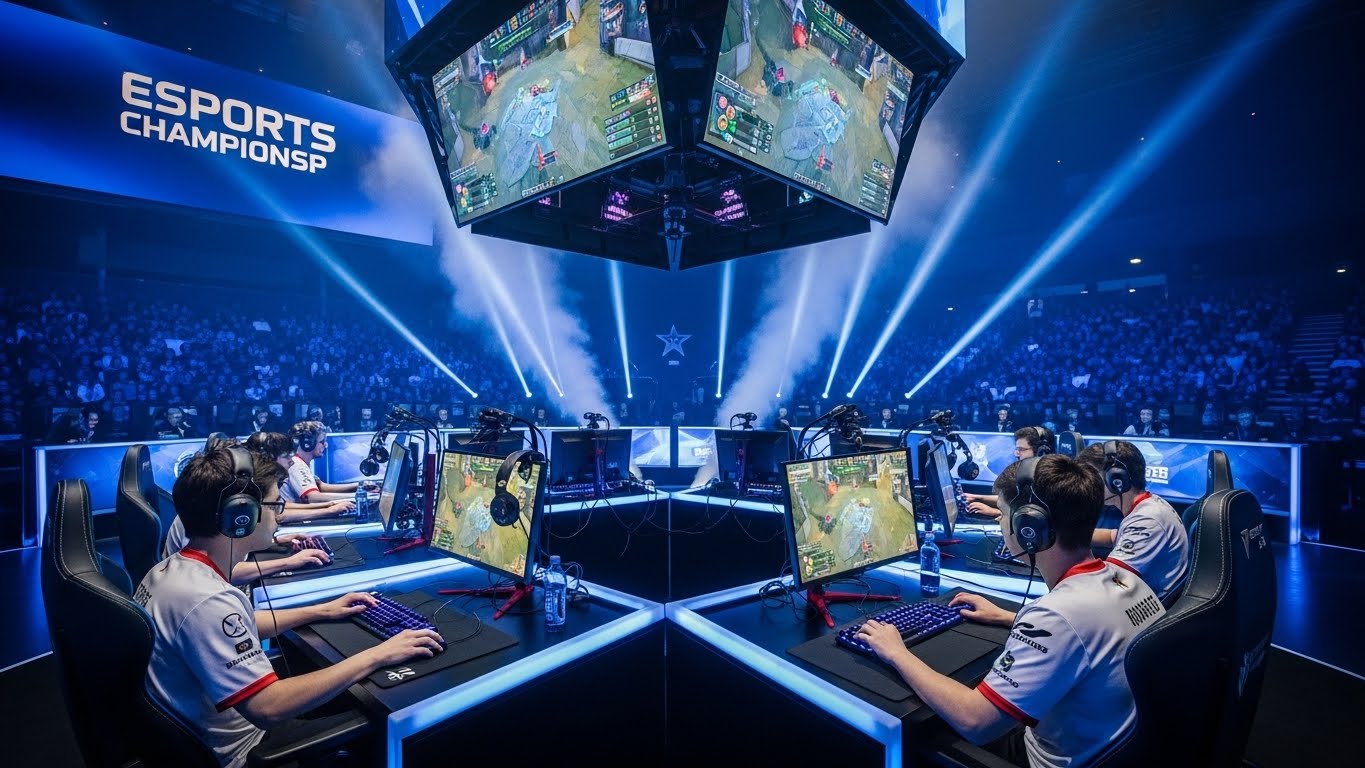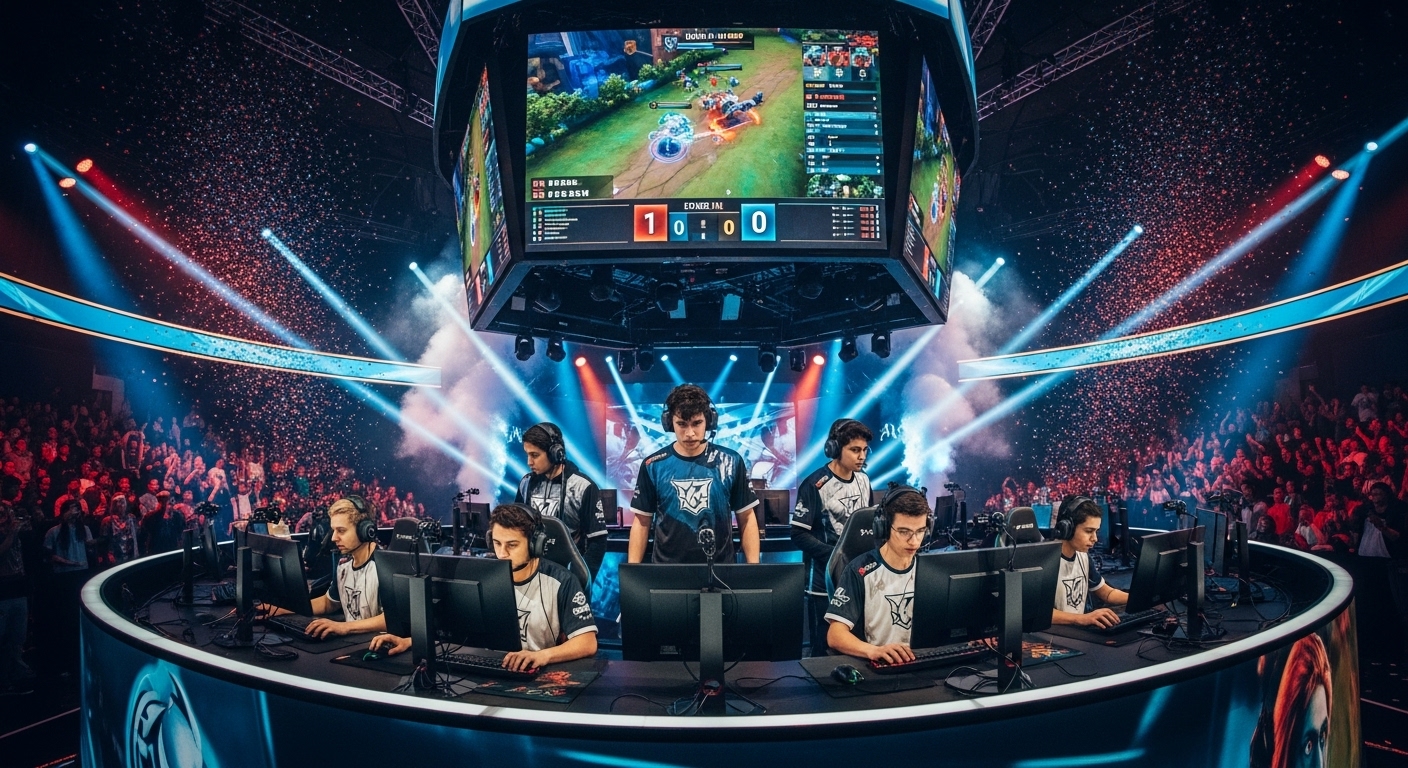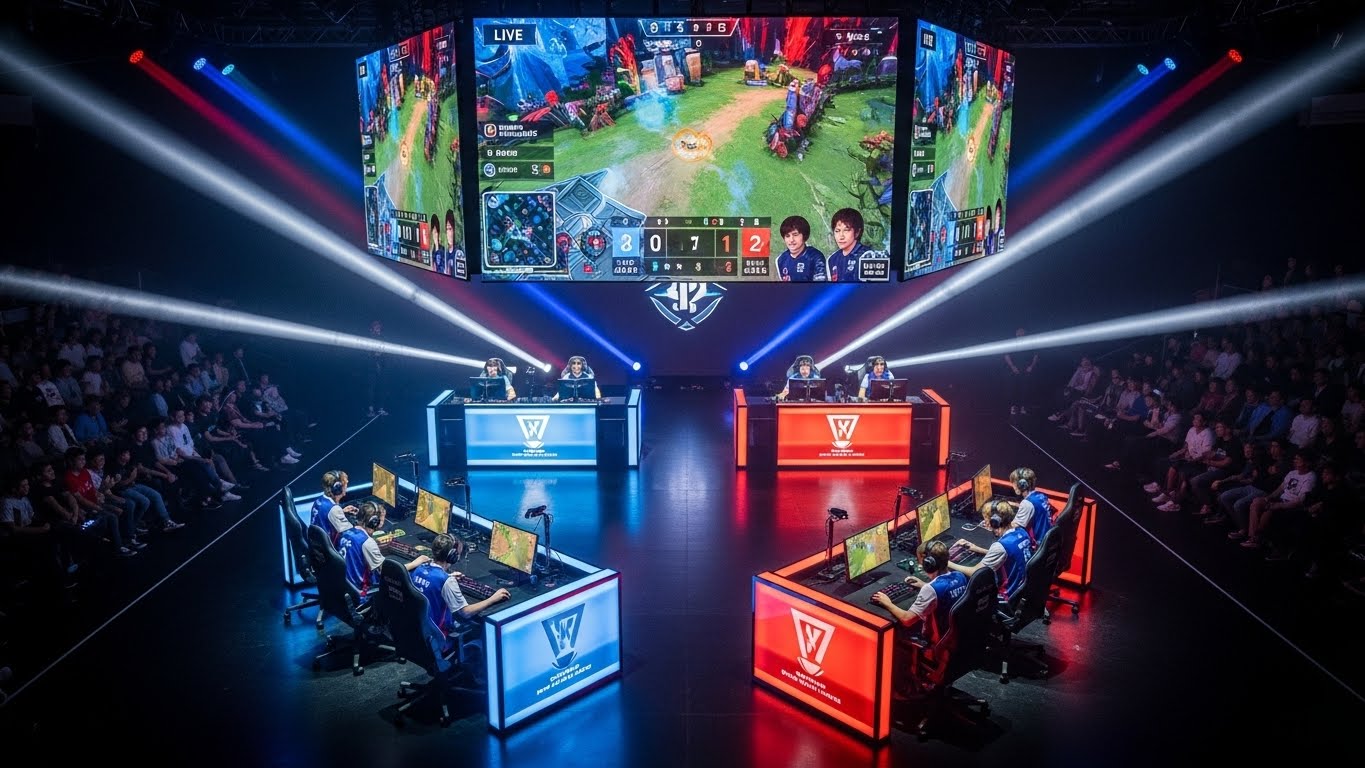
Esports, or competitive gaming, has evolved from a niche hobby into a global cultural and economic phenomenon. What was once considered a pastime for dedicated gamers is now a fully-fledged industry with professional players, massive tournaments, and a passionate fanbase spanning every continent. Today, esports is not just about playing video games; it represents a new form of entertainment, a career path, and a lifestyle. This blog post explores the rise of esports, its impact on society, the driving factors behind its growth, and what the future holds for competitive gaming.
Understanding Esports
Esports, short for electronic sports, refers to organized, competitive video gaming where individuals or teams face off in a structured environment. Unlike casual gaming, which is primarily recreational, esports focuses on skill, strategy, and teamwork. Competitions can range from local online matches to international tournaments with multi-million-dollar prize pools.
Professional esports players train rigorously, much like traditional athletes. Training often involves hours of gameplay, strategic analysis, physical conditioning, and mental preparation. The goal is to perform consistently at a high level, adapt to opponents’ strategies, and thrive under pressure. Games featured in esports competitions vary widely, including genres such as first-person shooters, real-time strategy games, multiplayer online battle arenas, and sports simulations.
A Brief History of Esports
The history of esports dates back to the 1970s and 1980s, when gaming competitions began as small-scale events in colleges and arcades. Early tournaments focused on games such as Space Invaders, Pac-Man, and Tetris, with winners often receiving local recognition or modest prizes.
The 1990s marked a turning point with the rise of the internet, which allowed players to compete with others across cities and countries. Games like StarCraft and Counter-Strike laid the foundation for organized competitive gaming. In South Korea, professional esports gained widespread popularity, with televised matches and dedicated gaming centers attracting large audiences.
By the 2000s, esports had grown into a more structured industry. Online streaming platforms revolutionized the way fans watched gameplay, while sponsors and advertisers began to see the potential of esports as a marketing opportunity. Today, esports tournaments are global events, attracting millions of viewers and generating billions in revenue.
Popular Esports Game Genres
Esports spans a wide array of game genres, each with unique mechanics and competitive dynamics.
Multiplayer Online Battle Arena Games
MOBA games, such as League of Legends and Dota 2, are among the most popular in esports. Players control characters with unique abilities, working in teams to destroy the opposing side’s base. MOBAs require precise coordination, strategic thinking, and constant adaptation to opponents’ moves.
First-Person Shooters
First-person shooters, including Counter-Strike: Global Offensive and Call of Duty, focus on precision, reflexes, and tactical awareness. Matches are often fast-paced and intense, with every decision potentially affecting the outcome of the game.
Battle Royale Games
Battle royale games, like Fortnite and PUBG, feature large numbers of players competing to be the last one standing. These games combine survival skills, strategic planning, and quick decision-making, offering thrilling experiences for both players and spectators.
Sports Simulation Games
Sports simulation titles, including FIFA, NBA 2K, and Madden NFL, replicate real-world sports in a digital environment. These games attract fans of traditional sports, bridging the gap between physical and virtual competitions.
The Role of Streaming in Esports
Streaming platforms have played a pivotal role in esports’ rapid growth. Platforms such as Twitch, YouTube Gaming, and Facebook Gaming allow fans to watch live matches, learn from professional players, and engage in real-time chat discussions. Streaming has democratized esports, enabling aspiring players to build audiences and gain recognition without traditional sponsorship or tournament participation.
Streaming has also enhanced fan engagement. Viewers can interact directly with players, follow their daily routines, and gain insights into their strategies. This level of connection strengthens the bond between fans and the esports community, creating an immersive spectator experience.
The Appeal of Esports
Esports appeals to millions of people worldwide for several reasons:
Accessibility
Unlike traditional sports, esports does not require physical ability or expensive equipment. All that is needed is a gaming device and an internet connection. This accessibility has made esports a truly global phenomenon, allowing individuals from diverse backgrounds to compete at a professional level.
Entertainment Value
Esports is highly entertaining, combining fast-paced action with strategic depth. Tournaments are often broadcast with expert commentary, analysis, and live reactions from players, creating a rich spectator experience. Fans enjoy not only the gameplay but also the narratives surrounding teams, rivalries, and individual players.
Community and Social Connection
Esports fosters a strong sense of community. Fans connect through online forums, social media platforms, and streaming chats, sharing experiences and insights. The global nature of esports allows individuals from different cultures and countries to engage in shared passions, strengthening social bonds.
Career Opportunities
Esports offers a viable career path for talented individuals. Professional players can earn substantial incomes from tournament winnings, sponsorships, and streaming revenue. Beyond playing, careers exist in coaching, team management, game analysis, marketing, and content creation. Esports has become an ecosystem that supports multiple professional avenues.
Challenges in Esports
Despite its rapid growth, esports faces several challenges.
Player Burnout
Professional players often face long hours of training, high stress, and intense competition. Burnout, mental fatigue, and physical health issues are common. Many organizations now implement wellness programs to support players’ physical and mental health.
Public Perception
Although esports is gaining recognition, some still question whether it qualifies as a legitimate sport. Efforts to standardize rules, create professional leagues, and develop international governing bodies are helping improve credibility and acceptance.
Sustainability and Monetization
Ensuring long-term financial stability is a challenge for players, teams, and tournament organizers. While sponsorships and advertising generate significant revenue, balancing expenses, salaries, and prize pools requires careful planning and innovation.
The Future of Esports
The future of esports looks promising, with several trends shaping its evolution:
Integration of Advanced Technology
Virtual reality, augmented reality, and artificial intelligence could revolutionize esports gameplay and viewing experiences. VR tournaments may allow fans to feel as though they are inside the game, while AI tools can help players analyze performance and refine strategies.
Growth of Mobile Esports
Mobile gaming is expanding esports’ reach, especially in regions with high smartphone usage. Titles like Mobile Legends and Free Fire have created thriving competitive communities, making esports even more accessible to a wider audience.
Mainstream Recognition
Esports continues to gain recognition from traditional sports organizations, universities, and governments. Collegiate esports programs, professional leagues, and inclusion in multi-sport events are bridging the gap between digital and traditional sports.
Diversification of Content
Esports is evolving beyond gameplay. Documentaries, live shows, lifestyle content, and celebrity collaborations are increasing entertainment value, attracting new audiences and strengthening fan engagement.
Conclusion
Esports has come a long way from small, local competitions to a global industry with professional players, millions of viewers, and substantial economic impact. Its growth has been fueled by accessibility, entertainment value, community engagement, and the professionalization of competitive gaming. While challenges such as player burnout, public perception, and financial sustainability remain, esports continues to innovate and expand.
Competitive gaming is no longer just a hobby—it is a cultural movement, a source of entertainment, and a viable career path. With technological advancements, broader mainstream acceptance, and the dedication of players and fans, esports is poised to shape the future of entertainment, sports, and digital culture for generations to come.