Introduction
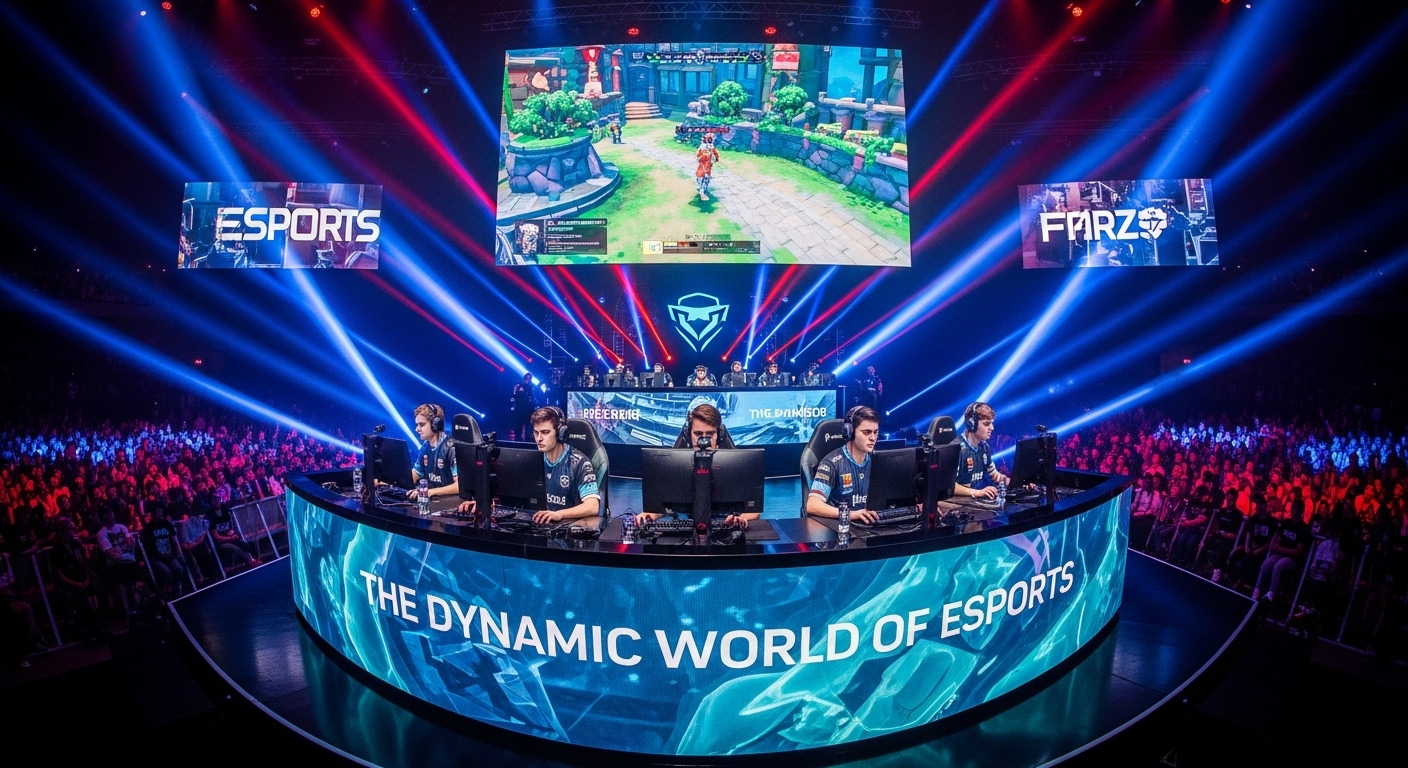
Esports, short for electronic sports, has evolved into a global phenomenon that rivals traditional sports in popularity, professionalism, and cultural impact. What began as casual gaming among friends has now transformed into a sophisticated industry with professional teams, international tournaments, and massive audiences. Esports combines skill, strategy, reflexes, and mental fortitude in a way that captivates both players and fans. It is no longer just a form of entertainment; it has become a career path, a competitive arena, and a cultural movement. The rise of esports reflects the power of digital technology and human creativity converging to create new forms of competition and engagement.
The Origins of Esports
The roots of esports can be traced back to the 1970s and 1980s, when arcade competitions and high-score challenges attracted local players. Games like Pong, Space Invaders, and Pac-Man offered a platform for players to showcase their skill. In the 1990s, with the rise of personal computers and local area networks, multiplayer games such as StarCraft, Quake, and Counter-Strike emerged, allowing competitive gaming to reach broader audiences. These early competitions were often informal but laid the groundwork for structured tournaments and professional play. The focus on skill, strategy, and competition became the foundation of modern esports.
The Professionalization of Esports
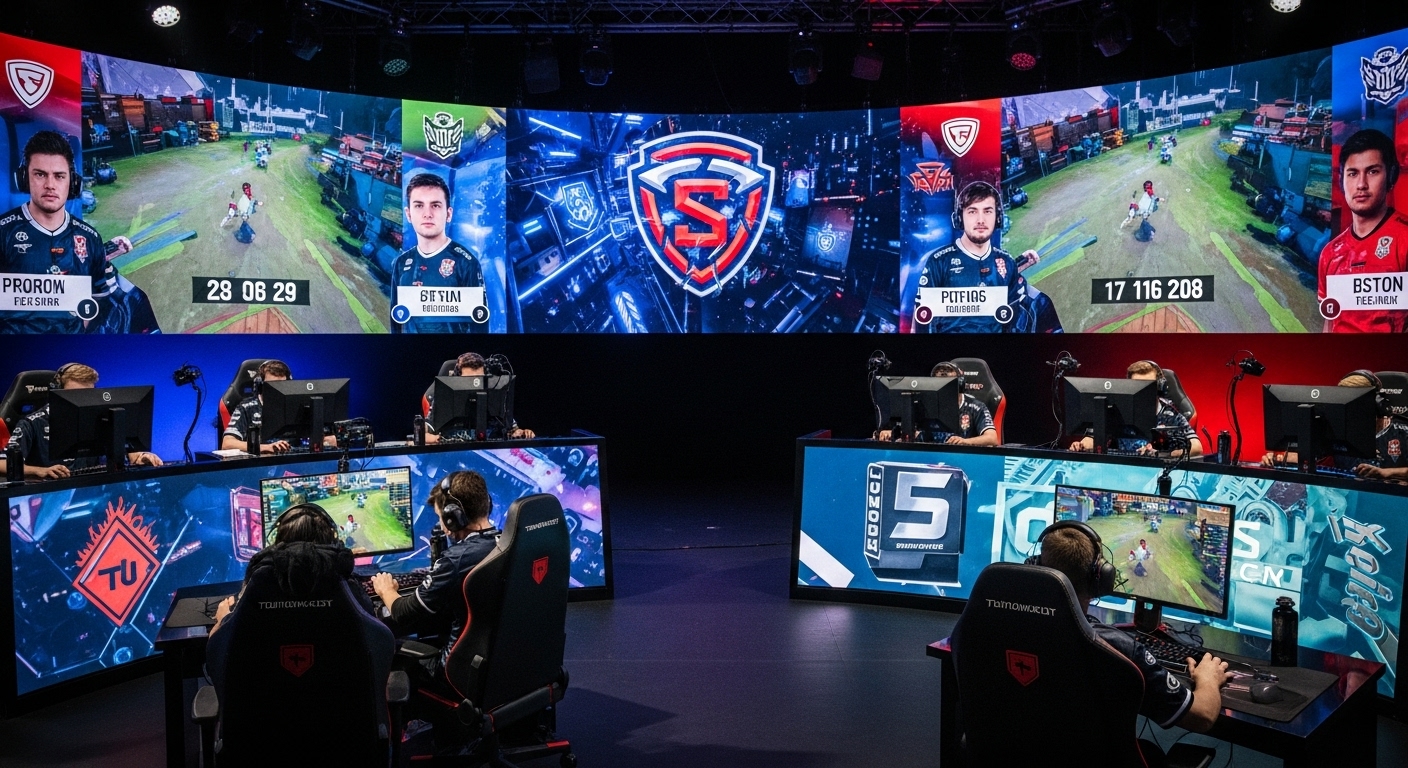
By the 2000s, esports had begun to transform from amateur competitions into a professional industry. Professional teams were formed, players signed contracts, and organizations began offering salaries and sponsorships. Games like League of Legends, Dota 2, and Counter-Strike: Global Offensive became central to the competitive scene, attracting players and viewers worldwide. The professionalization of esports brought with it structured leagues, coaching staff, training regimens, and dedicated facilities. Players now dedicate hours each day to refining their skills, studying opponents, and coordinating strategies, much like athletes in traditional sports.
Popular Esports Genres
Esports encompasses a wide range of genres, each offering distinct challenges and gameplay experiences. Multiplayer Online Battle Arena (MOBA) games such as League of Legends and Dota 2 emphasize teamwork, communication, and strategic decision-making. First-Person Shooter (FPS) games like Counter-Strike and Valorant require precision, reflexes, and tactical awareness. Battle Royale games, including Fortnite and PUBG, combine survival instincts with adaptability and quick thinking. Sports simulation games like FIFA and NBA 2K bring real-world sports into the digital arena, while fighting games, real-time strategy games, and card-based competitive games offer additional layers of skill and competition. This variety ensures esports appeals to a broad audience and fosters a rich competitive ecosystem.
The Role of Streaming Platforms
Streaming platforms have played a critical role in the growth of esports. Platforms such as Twitch and YouTube Gaming allow fans to watch live matches, follow favorite players, and interact with the gaming community. Streaming has made esports accessible to global audiences, breaking geographic barriers and enabling fans from anywhere to engage in real time. Beyond professional competitions, content creators provide tutorials, gameplay commentary, and entertainment, further blurring the line between professional esports and digital content creation. The interactivity and immediacy of streaming have been key factors in making esports a mainstream phenomenon.
Esports Tournaments and Events
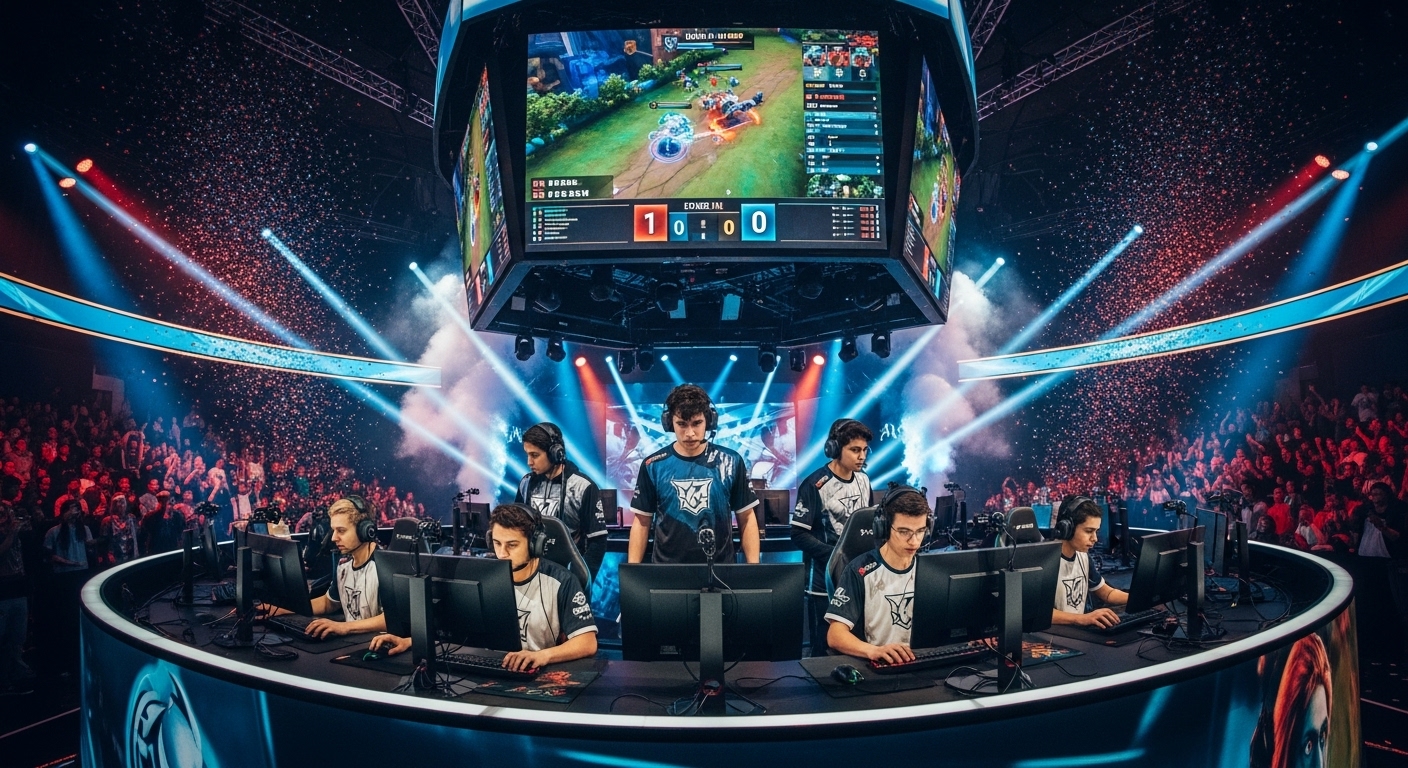
Esports tournaments are the pinnacle of competitive gaming, showcasing skill, strategy, and teamwork at the highest level. Prestigious tournaments like The International for Dota 2, the League of Legends World Championship, and the Fortnite World Cup offer multimillion-dollar prize pools and attract millions of viewers. Players train rigorously, often dedicating years to mastering their game and honing their strategies. Tournaments also serve as celebrations of gaming culture, featuring fan experiences, cosplay, live shows, and merchandise. These events highlight esports not only as a competition but as a form of entertainment that combines performance, community, and spectacle.
Global Reach and Cultural Impact
Esports has grown into a global industry with a reach that transcends geographic and cultural boundaries. Countries like South Korea, China, and the United States have become esports hubs, producing world-class players and hosting major international events. The cultural impact of esports extends beyond competition, influencing music, fashion, entertainment, and digital communities. Esports conventions and festivals celebrate gaming culture alongside broader pop culture, creating an inclusive space for fans, creators, and players alike. Its global appeal demonstrates the unifying power of digital entertainment and its capacity to create shared experiences across diverse audiences.
Challenges in Esports
Despite its rapid growth, esports faces several challenges. Professional players often face intense pressure, long hours of practice, and mental and physical fatigue. Burnout is a common issue, and managing mental health is increasingly recognized as crucial for sustained performance. Online toxicity, cheating, and the misuse of performance-enhancing tools are ongoing concerns for the industry. Additionally, standardization and governance are still developing, as esports spans multiple games, platforms, and organizations. Ensuring fair play, safety, and long-term sustainability requires coordinated efforts from developers, leagues, and governing bodies.
Esports and Education
Esports is increasingly recognized for its educational potential. Schools and universities are establishing esports programs that teach teamwork, communication, strategic thinking, and digital literacy. Participation in esports can cultivate critical skills such as problem-solving, leadership, and decision-making. Academic scholarships for esports players are becoming more common, offering opportunities for students to combine their passion with professional development. By integrating esports into education, institutions are acknowledging that competitive gaming can provide practical life skills while fostering innovation, creativity, and collaboration.
Technology and Esports
Technology is the backbone of esports, enabling both competition and spectatorship. High-performance computers, gaming peripherals, and fast internet connections allow players to compete at the highest level. Streaming technologies provide real-time access to matches for global audiences, while data analytics, artificial intelligence, and virtual reality are transforming training, strategy, and fan engagement. AI systems can analyze gameplay, optimize strategies, and predict opponent behavior, while virtual reality has the potential to create fully immersive esports experiences. Technology ensures that esports continues to innovate, remain engaging, and reach new audiences.
The Future of Esports
The future of esports is bright, with continued growth in accessibility, technological advancement, and mainstream acceptance. Mobile esports is expanding rapidly, making competitive gaming available to millions of people worldwide. Virtual reality and augmented reality may redefine how players compete and how fans experience matches. AI-driven tools will continue to enhance training and performance, while global sponsorships and media partnerships are expected to increase investment in the industry. The continued professionalization and inclusion of esports in education and entertainment will ensure its growth and sustainability in the decades to come.
Conclusion
Esports has emerged from humble beginnings to become a global competitive arena that rivals traditional sports in skill, strategy, and popularity. It combines technology, creativity, and human performance to create a unique form of competition that engages millions worldwide. Professional leagues, international tournaments, and streaming platforms have established esports as both a career path and a cultural movement. As technology advances and global participation grows, esports is poised to redefine the future of entertainment and competition. Beyond gaming, esports represents the evolving intersection of technology, culture, and human ambition, proving that competitive digital play is here to stay.