Introduction: The Birth of a Digital Revolution
In the past few decades, the world of entertainment and sports has undergone a radical transformation. Among the most unexpected yet rapidly growing developments is the rise of esports, or competitive gaming. What began as casual multiplayer matches in homes and internet cafés has evolved into a global phenomenon, attracting millions of players, fans, and investors. Esports has not only created a new form of competition but also reshaped the concepts of athletes, fandom, and professional sports.
Unlike traditional sports, esports exists entirely within the digital realm. Yet, it demands the same level of dedication, skill, and mental endurance as any physical sport. From individual tournaments to massive international championships, esports has cemented its place as a legitimate competitive arena and a multi-billion-dollar industry.
The Origins of Competitive Gaming
The story of esports begins in the 1970s and 1980s with arcade games and home consoles. Titles like Space Invaders, Pac-Man, and Donkey Kong captivated players, fostering friendly rivalries and high score competitions. In the 1990s, the advent of personal computers and the internet brought a seismic shift. Games like Quake, Doom, and StarCraft introduced multiplayer gaming to a wider audience, allowing players to compete against each other in real time across different cities and countries.
The early 2000s saw the emergence of organized tournaments, with StarCraft becoming particularly popular in South Korea. These events formalized the concept of competitive gaming, complete with structured rules, teams, and prize money. By the late 2000s, esports had started to attract attention from media outlets and sponsors, setting the stage for the global industry we see today.
Esports Titles That Define the Industry
Esports is not a single game or genre; it is a collection of competitive titles spanning multiple styles of gameplay. Real-time strategy games, first-person shooters, multiplayer online battle arenas, fighting games, and sports simulations all fall under the esports umbrella. Each game offers a unique competitive environment and appeals to different types of players and fans.
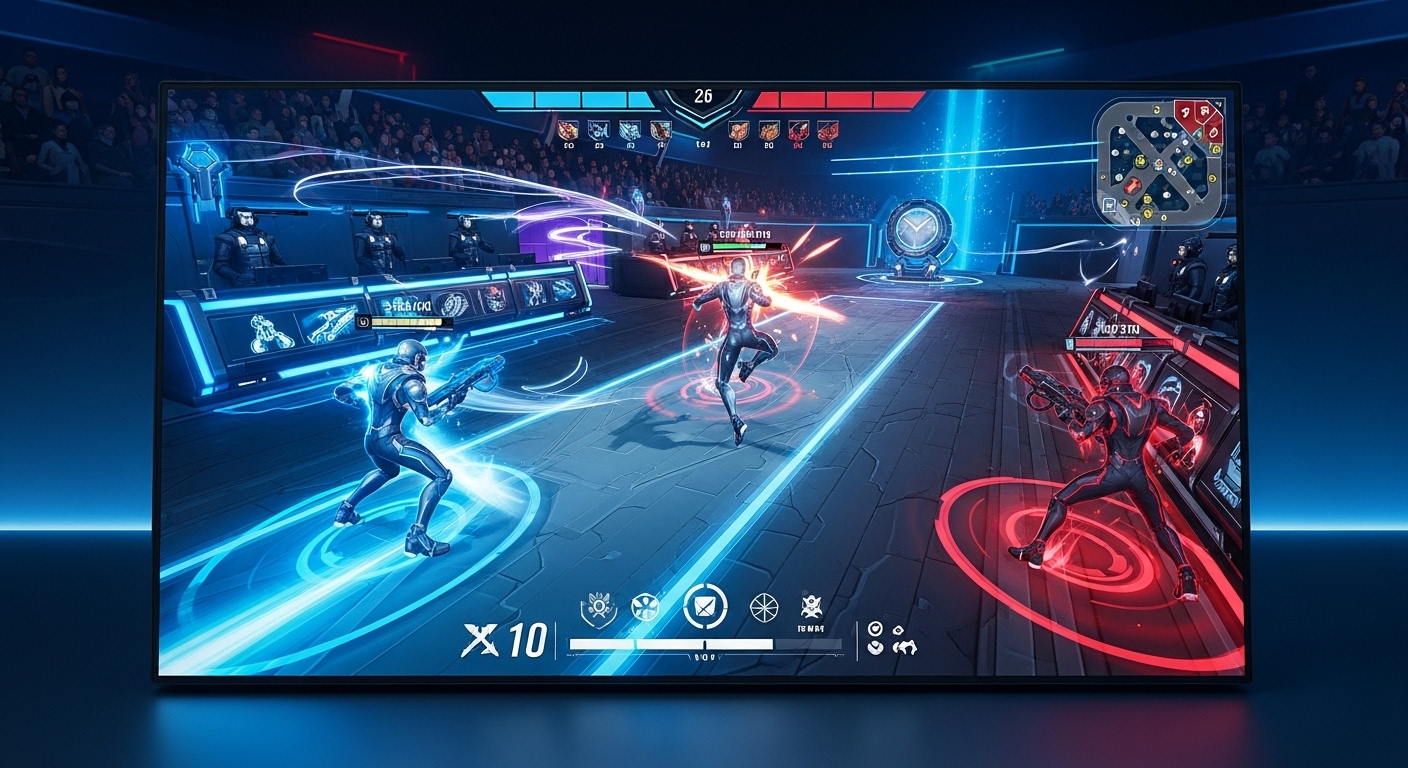
Some of the most influential esports titles include League of Legends, Dota 2, Counter-Strike: Global Offensive, Overwatch, Valorant, and Fortnite. These games have developed extensive professional ecosystems, complete with leagues, global tournaments, and massive prize pools. The diversity of games ensures that esports remains dynamic and inclusive, catering to a wide range of players and spectators.
Professional Players: The New Generation of Athletes
Esports has redefined the concept of a professional athlete. Modern competitive gamers undergo rigorous training schedules, often dedicating eight to twelve hours a day to practice, strategy development, and team coordination. Their preparation is not just about mastering game mechanics but also improving communication, reaction times, and mental resilience.
Many professional players start young, competing in school leagues or local tournaments before being recruited by professional teams. These teams function similarly to traditional sports clubs, with managers, coaches, analysts, and support staff. The dedication required to succeed in esports rivals that of any conventional sport, making professional players highly respected figures within the gaming community.
The Role of Streaming and Online Communities
One of the key factors driving the growth of esports is live streaming. Platforms that allow gamers to broadcast their gameplay to millions of viewers have transformed gaming into a spectator experience. Fans can watch professional tournaments, follow favorite players, and even interact with streamers in real time.
Streaming has also created a culture where gamers become influencers. Popular streamers share not just their gameplay but also personal insights, commentary, and lifestyle content, building strong connections with fans. This engagement has amplified the popularity of esports, creating a sense of community that bridges geographical and cultural divides.
Fan Culture in Esports
Esports fans are among the most dedicated and passionate in the world. They follow teams, participate in online forums, create fan art, and attend live events in droves. Fan communities are global and inclusive, often forming bonds over shared gaming interests and experiences.
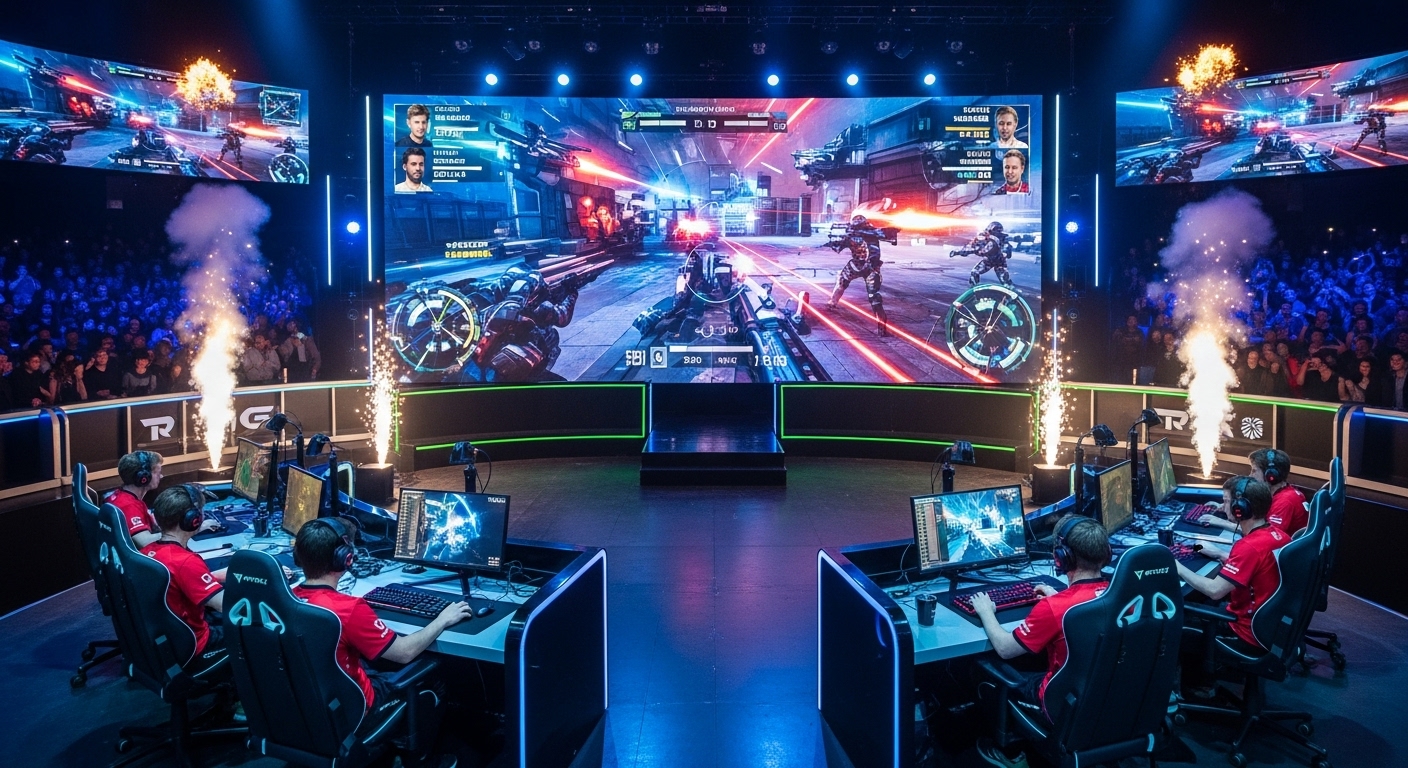
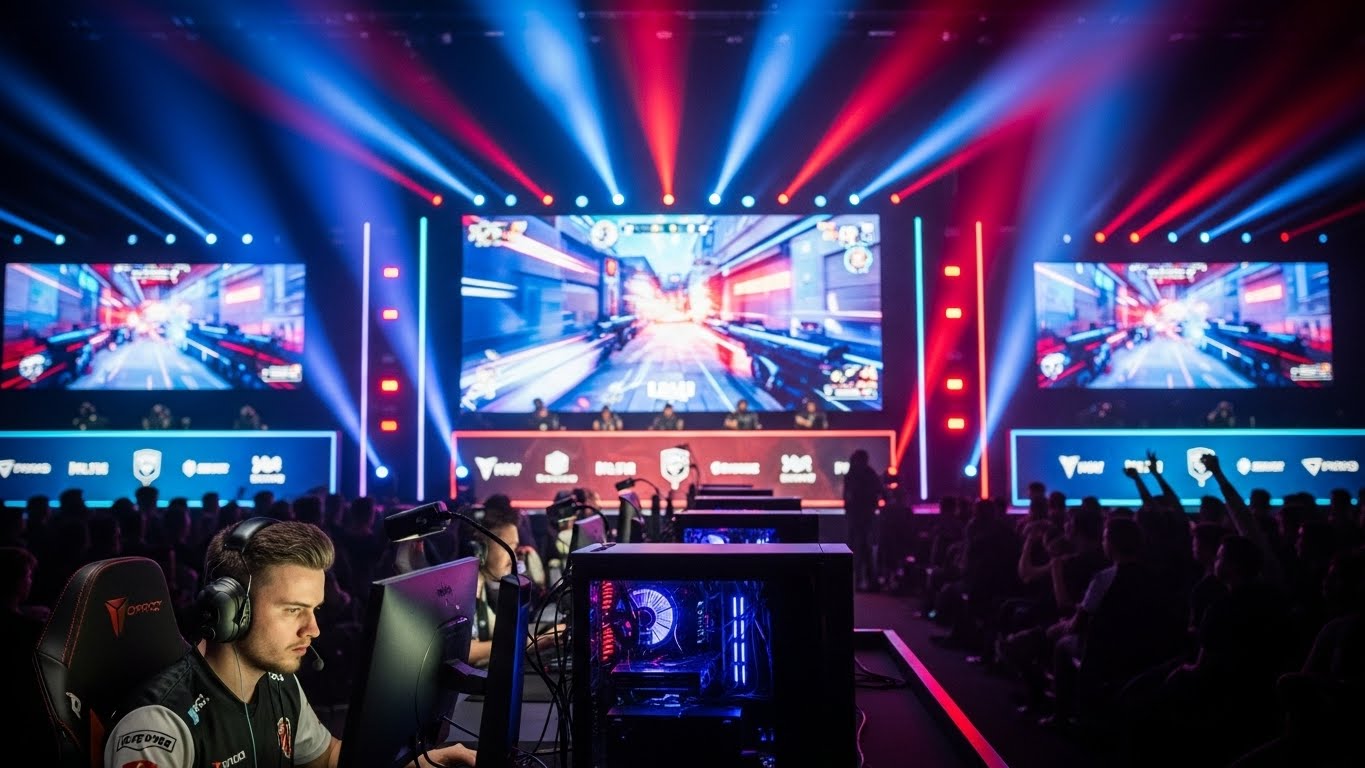
Live esports events are spectacles, blending elements of sports arenas, music concerts, and cultural festivals. The atmosphere is electrifying, with fans cheering for their favorite players, waving banners, and celebrating victories together. This fan-driven energy is a significant part of what makes esports unique and continues to fuel its rapid growth.
The Economic Impact of Esports
The esports industry has transformed into a multi-billion-dollar market. Revenue streams include sponsorships, media rights, merchandise, event ticket sales, and digital content monetization. Major companies, ranging from technology brands to consumer goods and luxury products, actively invest in esports, recognizing its global reach and influence.
Universities and colleges have even started offering esports scholarships, acknowledging competitive gaming as a legitimate pathway for young talent. Governments in some countries provide support through regulations, funding, and official recognition of esports as a sport. This economic growth highlights the sustainability and potential of esports as a long-term industry.
Strategy, Skill, and Teamwork in Esports
Esports is not only about quick reflexes; it is deeply strategic. Games like Dota 2 or League of Legends require players to think critically, plan long-term strategies, and adapt to opponents’ tactics. First-person shooters demand coordination, positioning, and split-second decision-making, while fighting games test reflexes and precision.
Teamwork is essential. Even the most talented individual players cannot succeed without synchronizing with their team. Communication, role specialization, and collaborative strategy are core aspects of competitive gaming, making esports a highly cerebral as well as physical endeavor.
Challenges Faced by the Industry
Despite its success, esports faces challenges. Player burnout is common due to long practice sessions, high pressure, and irregular schedules. Mental and physical health are growing concerns, with teams increasingly focusing on wellness programs. Financial inequality is another issue, as only top-tier players earn sustainable incomes while many others struggle to make a living.
Diversity and inclusivity remain ongoing challenges. Women, underrepresented communities, and players from certain regions often face barriers to participation. Addressing these issues is crucial to ensuring esports remains a truly global and equitable industry.
Educational and Social Benefits of Esports
Esports offers several educational and social advantages. Competitive gaming improves problem-solving, critical thinking, coordination, and teamwork. Students involved in esports often develop leadership skills, self-confidence, and communication abilities.
Schools and universities that support esports programs provide an alternative for students who may not be drawn to traditional sports but still seek competitive opportunities. Additionally, esports complements education in technology and digital literacy, making it a valuable tool for learning in the modern era.
The Future of Esports
The future of esports is bright and full of possibilities. Technological advancements like virtual reality, augmented reality, and cloud gaming promise even more immersive experiences. New games and competitive formats are constantly emerging, expanding the reach and appeal of esports globally.
As esports continues to gain mainstream recognition, it will likely integrate further with traditional media, education, and culture. Major international tournaments could rival traditional sports championships in viewership and cultural impact. Esports is no longer a niche hobby; it is a central component of the entertainment landscape.
Conclusion: A Global Phenomenon Redefining Sports
Esports has grown from a niche pastime into a global phenomenon, offering competition, entertainment, and career opportunities on an unprecedented scale. It combines strategy, skill, teamwork, and community in ways that resonate with the digital generation. Professional players are respected athletes, fans are passionate and engaged, and the industry continues to grow economically and culturally.
In an age where digital experiences are becoming central to our lives, esports represents more than just gaming. It is a revolution in how we compete, connect, and celebrate talent. The digital arena of esports has arrived, and it is here to stay, shaping the future of sports and entertainment for generations to come.