Introduction: The Rise of a New Sporting Era
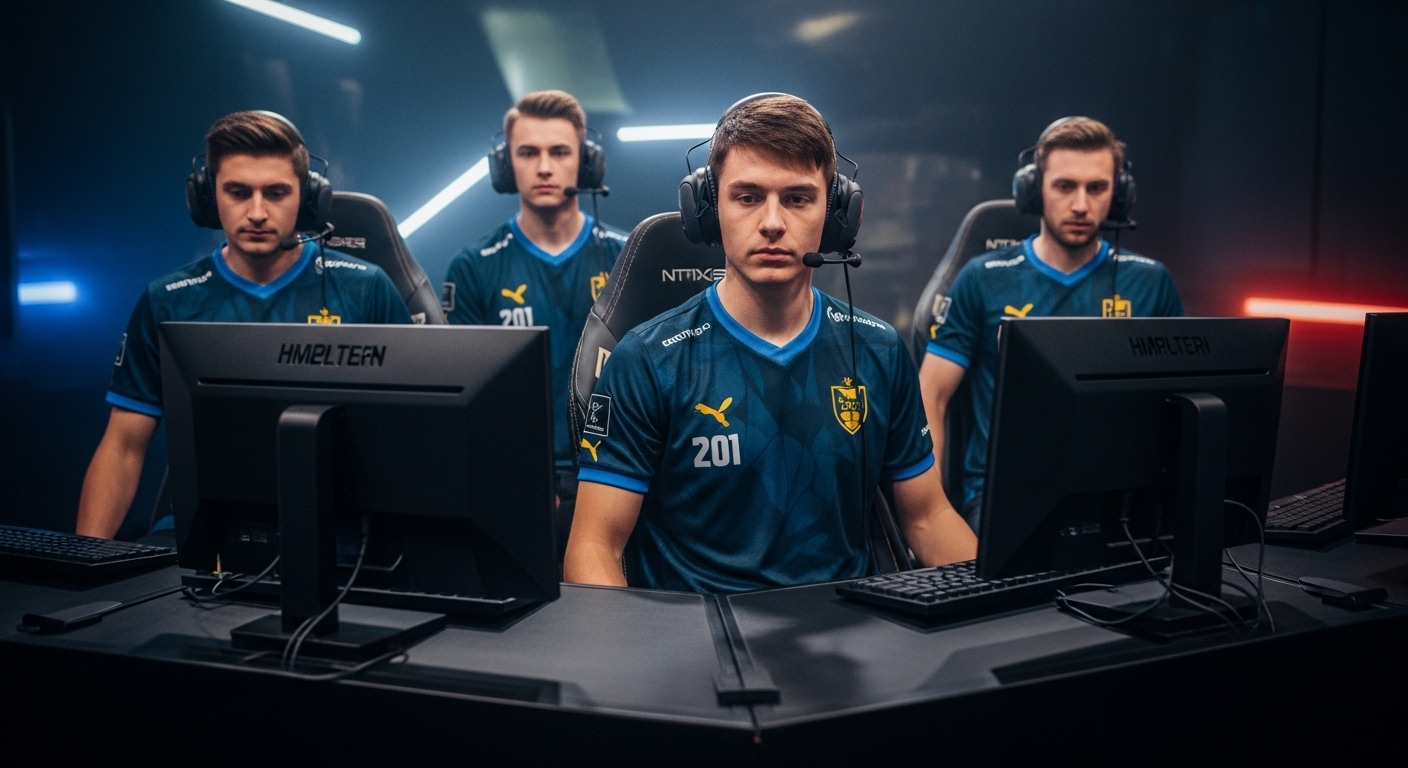
In the past few decades, the definition of sport has expanded far beyond stadiums, fields, and physical endurance. A new form of competition has emerged from the digital world, captivating millions of fans, players, and investors across the globe. Esports, or electronic sports, represents organized competitive gaming where individuals and teams battle for prestige, prizes, and global recognition. What once began as casual multiplayer matches among friends has evolved into a billion-dollar industry with professional leagues, packed arenas, and worldwide audiences. Esports is no longer a niche interest; it is a cultural movement reshaping entertainment, technology, and the concept of athleticism itself.
Understanding Esports: More Than Just Playing Games
Esports refers to structured, competitive video gaming played at a professional or semi-professional level. Unlike casual gaming, esports involves rigorous training schedules, strategic preparation, team coordination, and high-pressure performance environments. Players specialize in specific games and roles, much like athletes in traditional sports. Popular esports titles span various genres, including strategy, shooting, sports simulation, and battle-based games, each demanding unique skill sets such as reflex speed, decision-making, teamwork, and mental resilience.
What sets esports apart is its digital foundation. Matches take place in virtual arenas but are no less intense or meaningful than physical sports. Victory depends not on physical strength alone but on precision, intelligence, adaptability, and coordination. This shift has allowed esports to attract a diverse range of participants and fans, breaking barriers related to geography, physical ability, and traditional sports access.
The Evolution of Esports: From Arcades to Global Stages
The origins of esports can be traced back to early arcade competitions and local gaming tournaments. As technology advanced and internet connectivity improved, competitive gaming found a global platform. Online multiplayer games enabled players from different countries to compete in real time, fostering international rivalries and communities.
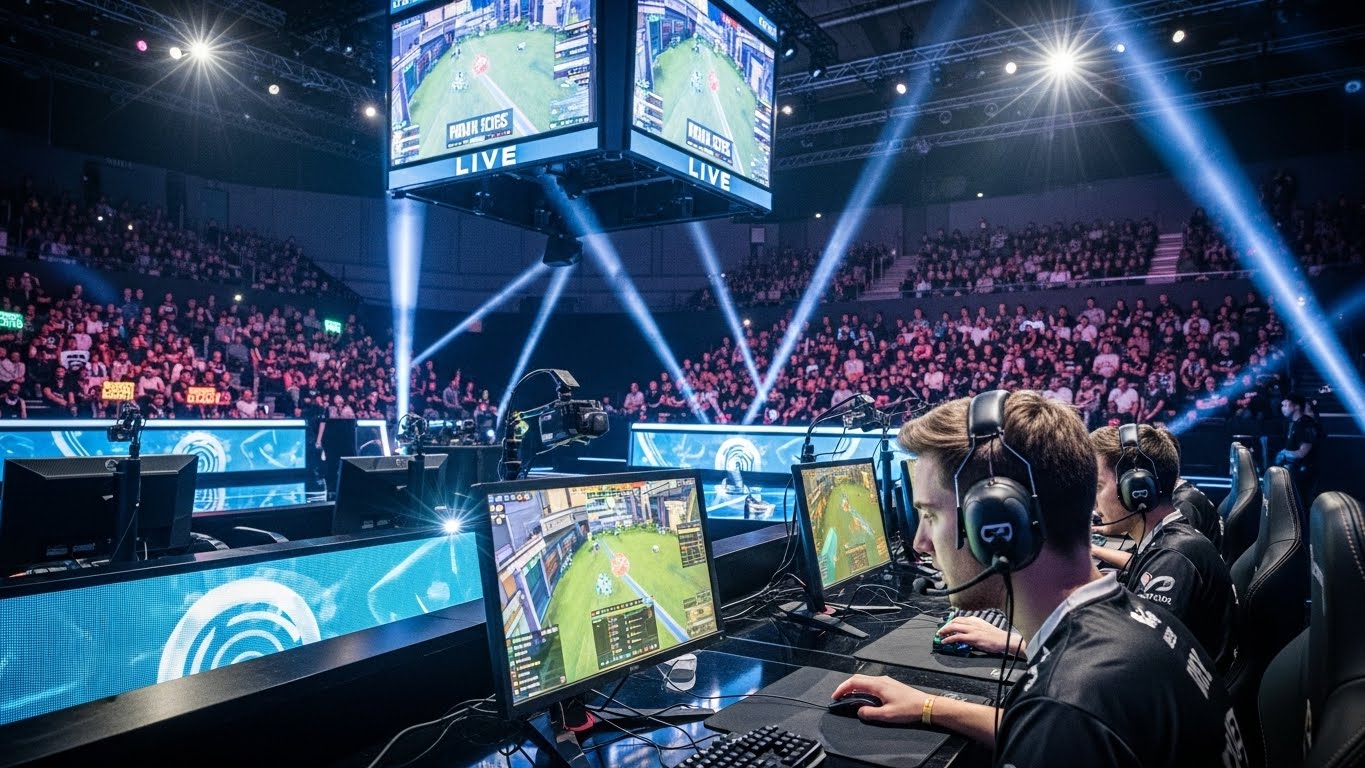
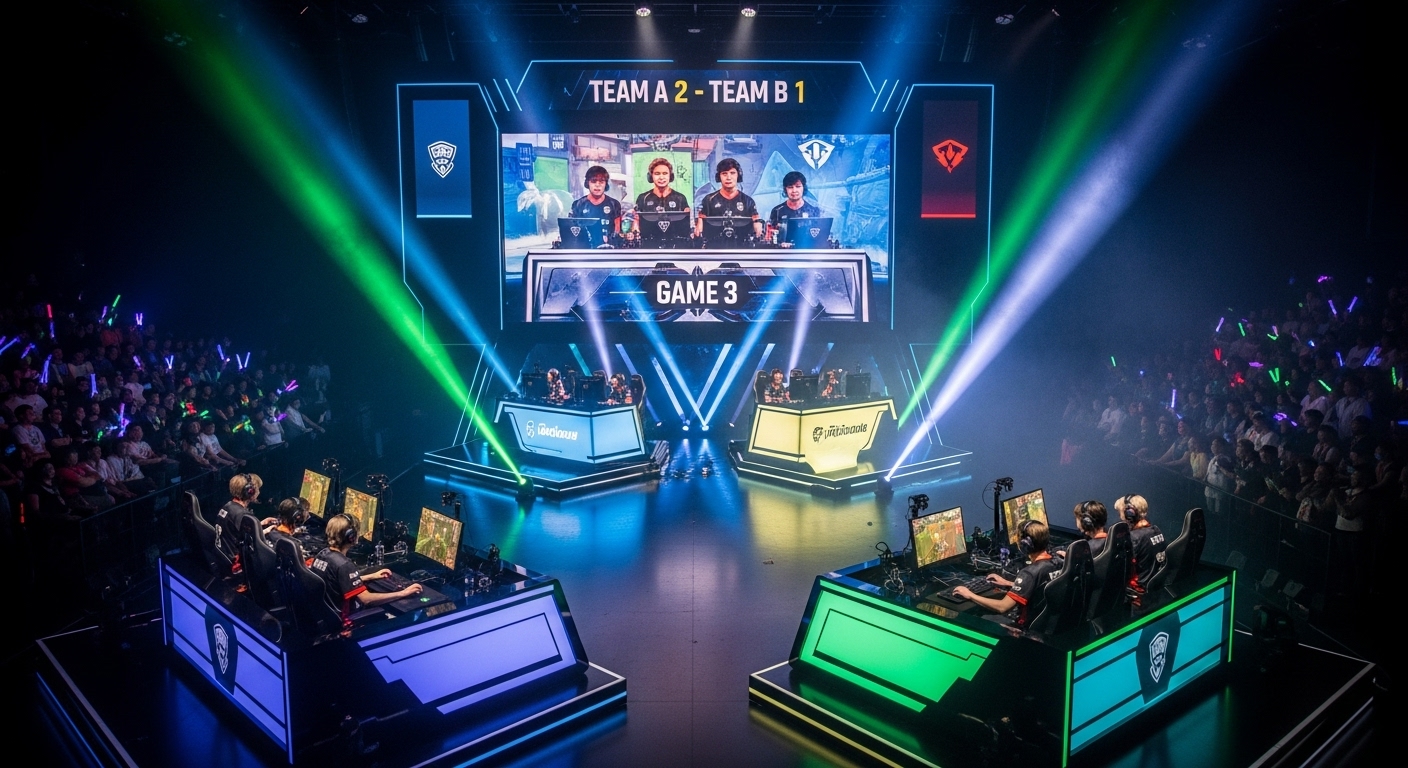
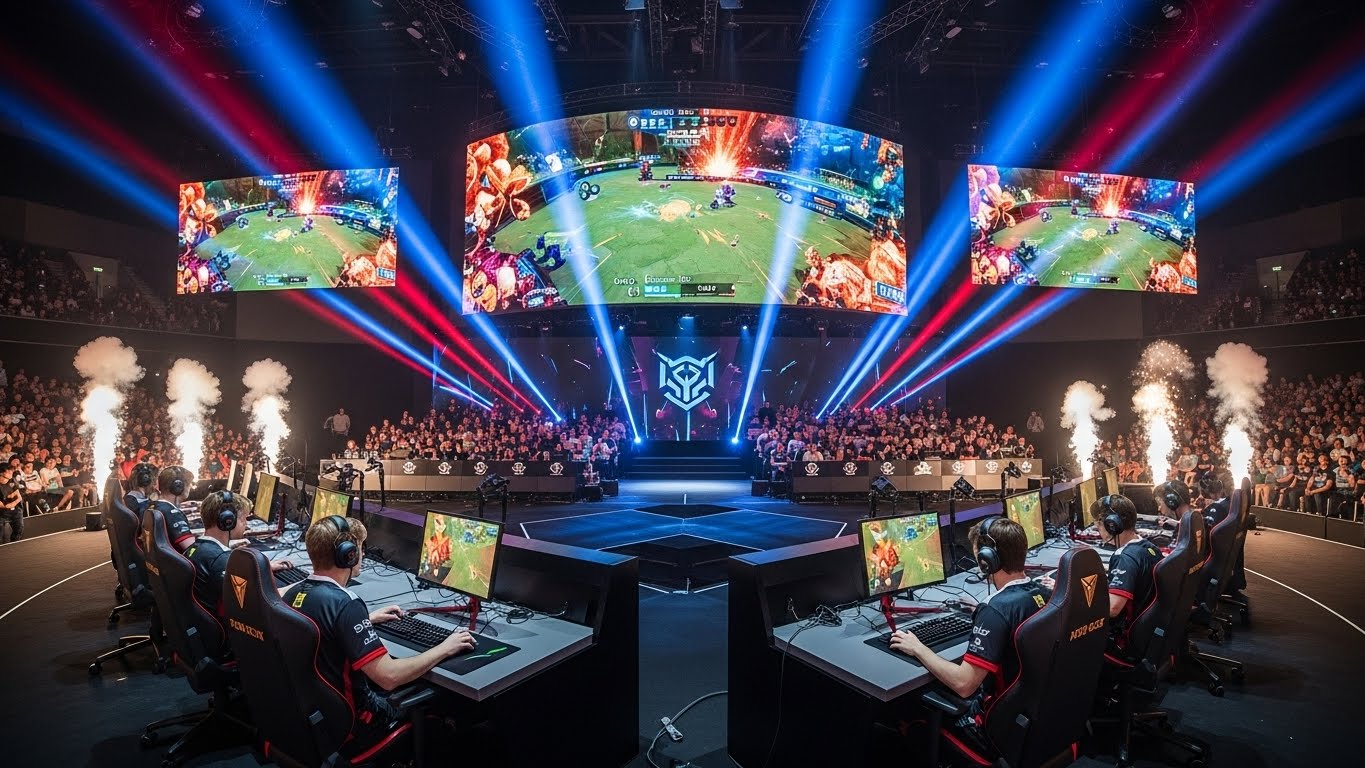
Over time, tournaments grew in scale and professionalism. Prize pools increased dramatically, sponsorships became common, and dedicated esports organizations emerged. Today, major esports events fill large venues and attract millions of online viewers. Professional players sign contracts, earn salaries, and build personal brands, while teams operate with coaches, analysts, and support staff. The journey from small gatherings to massive global spectacles reflects esports’ rapid and remarkable growth.
The Professional Esports Player: Training, Discipline, and Dedication
Contrary to stereotypes, professional esports players lead highly disciplined lives. Success at the highest level requires consistent practice, often lasting several hours a day. Players study game mechanics, analyze opponents, refine strategies, and work closely with teammates to improve coordination. Mental preparation is equally important, as high-stakes matches demand focus, emotional control, and the ability to perform under pressure.
Physical health has also become a priority in esports. Many teams emphasize proper posture, exercise, and nutrition to prevent injuries and maintain performance. Reaction time, hand-eye coordination, and endurance are critical factors, making physical well-being an essential component of a player’s career. Esports athletes may not run laps on a field, but their dedication and discipline rival those of traditional sports professionals.
Esports and Technology: A Perfect Partnership
Technology is the backbone of esports, driving its growth and accessibility. High-performance gaming hardware, fast internet connections, and advanced software allow competitions to run smoothly and fairly. Streaming platforms have played a crucial role in esports’ popularity by enabling fans to watch matches live, interact with players, and engage with communities in real time.
Advancements in virtual reality, artificial intelligence, and data analytics are shaping the future of esports. Teams now use performance data to analyze gameplay patterns, identify weaknesses, and develop winning strategies. Spectators benefit from enhanced viewing experiences, including detailed statistics, multiple camera angles, and immersive broadcasts. As technology continues to evolve, esports is likely to become even more interactive and engaging.
The Business of Esports: A Growing Global Industry
Esports is not just a form of entertainment; it is a thriving business ecosystem. Revenue streams include sponsorships, advertising, merchandise, ticket sales, media rights, and in-game purchases. Major brands from technology, fashion, automotive, and food industries have entered the esports space, recognizing its ability to reach younger, digitally savvy audiences.
Esports organizations operate similarly to traditional sports franchises, managing teams, negotiating contracts, and building fan loyalty. Investors see esports as a long-term opportunity, leading to increased funding and infrastructure development. This financial growth has created jobs across various fields, including event management, marketing, broadcasting, game development, and journalism, further solidifying esports as a legitimate industry.
Esports and Education: New Pathways for Learning and Careers
The influence of esports has extended into education, opening new pathways for students and aspiring professionals. Many schools and universities now offer esports programs, scholarships, and competitive teams. These initiatives recognize the value of esports in developing skills such as teamwork, strategic thinking, communication, and problem-solving.
Beyond playing, esports education covers areas like game design, event production, coaching, and business management. Students can pursue careers in esports without being professional players, contributing to the industry in creative and technical roles. This integration into education highlights esports’ broader impact and its potential to shape future career landscapes.
Cultural Impact: Building Communities and Global Connections
Esports has become a powerful cultural force, bringing people together across borders and backgrounds. Online communities form around teams, games, and personalities, creating spaces for shared passion and interaction. Fans support their favorite players with the same enthusiasm seen in traditional sports, celebrating victories and enduring defeats together.
Cultural exchange is another significant aspect of esports. International tournaments showcase diverse styles of play and strategic approaches influenced by regional gaming cultures. This global interaction fosters mutual respect and understanding, demonstrating how digital competition can unite people worldwide. Esports has also given rise to new forms of entertainment, language, and identity, particularly among younger generations.
Challenges Facing the Esports Industry
Despite its success, esports faces several challenges that must be addressed for sustainable growth. Player burnout is a common concern, as intense training schedules and high expectations can take a toll on mental and physical health. Ensuring fair play and preventing cheating is another ongoing issue, requiring constant monitoring and regulation.
Additionally, the industry must work toward greater inclusivity and diversity. While esports is accessible in many ways, barriers related to gender, representation, and online behavior still exist. Creating safe, welcoming environments for all participants and fans is essential for esports to reach its full potential.
The Future of Esports: What Lies Ahead
The future of esports appears promising and dynamic. As technology advances and audiences continue to grow, esports is likely to integrate even more deeply into mainstream culture. Collaborations with traditional sports, expanded media coverage, and innovative formats will further blur the lines between digital and physical competition.
Emerging technologies such as augmented reality and artificial intelligence may redefine how games are played and experienced. New titles and genres will attract fresh audiences, while established games evolve to remain competitive and engaging. With continued investment and responsible development, esports has the potential to become one of the most influential forms of entertainment in the world.
Conclusion: Esports as a Defining Phenomenon of the Digital Age
Esports represents more than competitive gaming; it is a reflection of how technology, culture, and competition intersect in the digital age. It challenges traditional ideas of sport, creates global communities, and offers new opportunities for players, fans, and professionals alike. From its humble beginnings to its current global prominence, esports has proven its ability to adapt, innovate, and inspire.
As the digital arena continues to expand, esports will remain at the forefront of this transformation, shaping how we play, watch, and connect. Whether viewed as a sport, an industry, or a cultural movement, esports stands as a defining phenomenon of our time, signaling a future where competition knows no boundaries.