The Evolution of Competitive Gaming
In the early days of video games, the idea of professional gaming was little more than a dream. Games were seen as entertainment or a way to pass time, not a career. Yet, as technology evolved and the internet connected millions across the world, gaming transformed from a hobby into a competitive industry with global influence. The term “esports,” short for electronic sports, came to define this revolution. What began as small local competitions in the 1980s and 1990s evolved into massive global tournaments watched by millions, rivaling traditional sports in both passion and popularity.
Esports has grown beyond anyone’s early imagination. Titles like StarCraft, Counter-Strike, and Dota paved the way for structured competition. Over time, newer games such as League of Legends, Fortnite, Valorant, and PUBG brought new generations of players and fans. The growth of high-speed internet, live streaming platforms, and social media created a new ecosystem where anyone with skill, dedication, and creativity could rise to fame. Today, esports is not just a pastime—it’s an international phenomenon that shapes modern entertainment, youth culture, and even the economy.
The Early Beginnings of Esports
The earliest roots of competitive gaming can be traced back to the 1970s, when players competed on arcade machines for high scores. In 1972, a group of students at Stanford University organized one of the first-ever video game tournaments for the game Spacewar!. The prize was symbolic—a year’s subscription to a magazine—but the spirit of competition had begun. During the 1980s, arcade competitions became common, with players gathering around titles like Pac-Man, Donkey Kong, and Street Fighter.
The 1990s marked a turning point with the rise of home computers and gaming consoles. LAN parties, where players connected their computers for multiplayer matches, became the heart of early esports culture. Games like Doom, Quake, and Warcraft were popular among early competitive players. In 1997, the Red Annihilation tournament for Quake was held, attracting thousands of participants and giving away a Ferrari as the prize—an event many consider the birth of modern esports.
The Rise of Online Gaming and Global Tournaments
With the spread of broadband internet in the 2000s, online multiplayer games exploded in popularity. Players no longer needed to be in the same room to compete; they could now face opponents from across the world. This era saw the rise of legendary games such as Counter-Strike, StarCraft: Brood War, and Warcraft III.
South Korea became the epicenter of esports culture during this period. The government’s investment in technology infrastructure led to the birth of professional teams, gaming houses, and televised esports matches. South Korean players gained celebrity status, inspiring millions of youth to pursue professional gaming careers. The nation’s model became the foundation for how modern esports is structured today.
Major tournaments soon followed across Asia, North America, and Europe. Events like the World Cyber Games and Electronic Sports World Cup drew participants from dozens of countries, making esports a truly international affair. Live audiences filled stadiums, and millions watched online. The once niche world of gaming began to command mainstream attention.
The Streaming Revolution
The real explosion of esports popularity came with the arrival of live streaming platforms. Before streaming, watching esports required access to specialized television channels or recorded content. With the emergence of platforms that allowed gamers to broadcast in real time, esports became more accessible than ever before.
Players could now share their matches, practice sessions, and even casual play with audiences around the globe. Viewers could interact with their favorite players through chat, creating an entirely new form of digital connection. This interactivity helped fans feel part of the action, turning esports into a community-driven experience.
The streaming revolution also gave rise to personalities who were not just competitors but entertainers. Streamers built large fan bases and earned significant income through sponsorships, subscriptions, and donations. The combination of professional tournaments and individual streaming created an ecosystem where gaming was both sport and show business.
The Growth of Major Esports Titles
While many games have contributed to esports, a few titles have defined the competitive scene.
League of Legends became one of the biggest names in esports with its global tournaments, structured leagues, and passionate fan base. Its developer built a sustainable ecosystem by creating regional leagues, ensuring that talent from every corner of the world had a chance to compete at the highest level.
Counter-Strike: Global Offensive continued the legacy of its predecessors, offering tactical depth and team-based competition that attracted both casual and hardcore fans. Its long-standing professional scene remains one of the most stable in the industry.
Dota 2 pushed the boundaries of prize money, hosting The International, which consistently offers multi-million-dollar prize pools funded by the community. This unique model showed how fan engagement could directly impact esports success.
Fortnite, with its combination of building mechanics and shooter gameplay, introduced a new kind of competitive gaming. Its open tournaments allowed anyone to qualify, creating global stories of young players winning life-changing prizes.
Valorant, a newer title, combined elements from tactical shooters and hero-based games, quickly establishing itself as a modern esports powerhouse.
Each of these games represents different styles and communities, but all share one goal—competitive excellence.
Esports as a Career
Once dismissed as a waste of time, gaming is now a legitimate profession. Professional esports players undergo rigorous training routines similar to athletes in traditional sports. They practice for hours daily, analyze gameplay, study opponents, and maintain physical fitness to ensure top performance.
The career path in esports extends beyond playing. There are coaches, analysts, casters, event managers, marketing teams, and content creators. Entire organizations operate around esports teams, offering salaries, sponsorships, and media opportunities. Many players transition into coaching or broadcasting after their competitive years, ensuring long-term career growth.
The financial rewards are significant. Top players earn millions annually from prize winnings, sponsorships, and brand deals. Beyond individual success, esports organizations have become valuable businesses, with some worth hundreds of millions of dollars.
The Cultural Impact of Esports
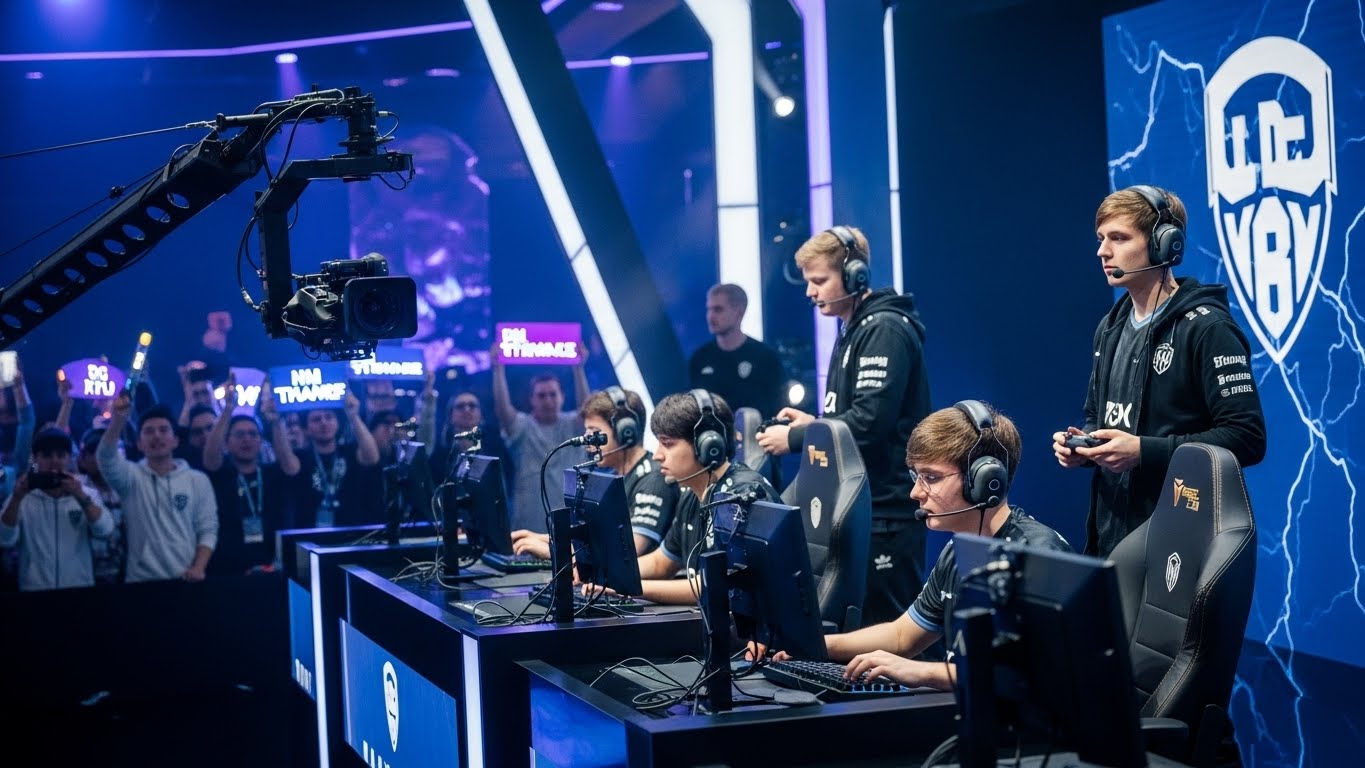
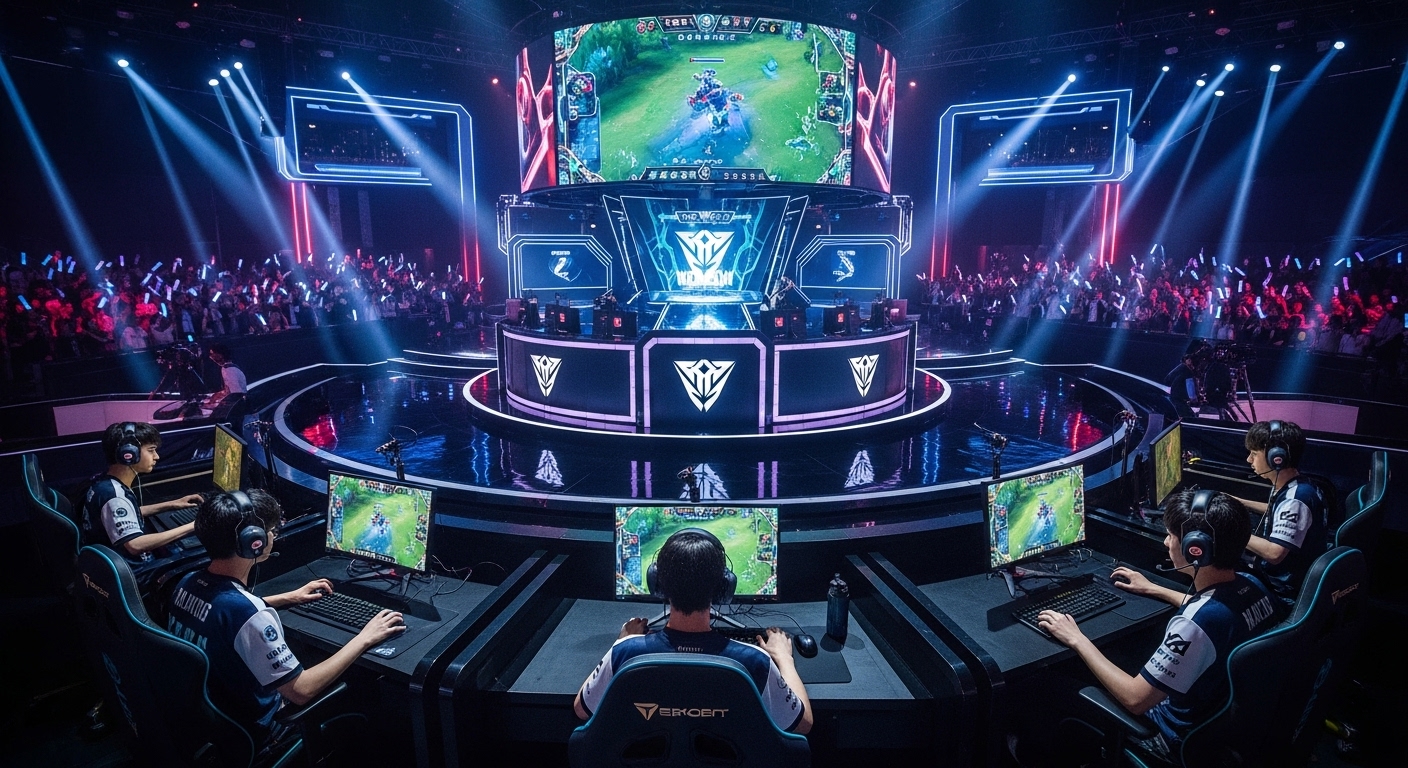
Esports is not just about gaming; it’s about community, identity, and cultural transformation. The language of gaming has entered mainstream conversation. Terms like “GG” (good game), “meta,” and “ranked” are now recognized even outside gaming circles. Esports events attract not only players but also artists, celebrities, and influencers. Music performances, light shows, and elaborate stage designs make tournaments resemble global entertainment events.
In many countries, esports has become a symbol of youth expression. It provides opportunities for collaboration, competition, and creativity. Gaming cafes, esports academies, and training centers have emerged, providing spaces for aspiring players to grow their skills. Schools and universities now offer scholarships for esports athletes, just like traditional sports.
The influence extends to fashion, media, and technology. Esports apparel brands, gaming-inspired music, and documentaries showcase how deeply gaming has merged with popular culture.
The Business and Economy of Esports
Behind the excitement lies a powerful business machine. Esports has developed into a multi-billion-dollar industry supported by sponsorships, advertising, merchandise, media rights, and ticket sales. Major companies from technology, energy drinks, automotive, and even luxury brands sponsor teams and events to connect with younger audiences.
Franchised leagues have introduced stability to the industry. Teams now represent cities, creating local fan bases similar to football or basketball teams. This approach has helped make esports more mainstream and sustainable.
Broadcasters, production companies, and marketing agencies specialize in esports content. Gaming hardware and peripheral companies continuously innovate to meet the needs of competitive players. The esports ecosystem creates thousands of jobs worldwide, from technical production to event management.
Education and the Future Workforce
Esports is also influencing education. Universities across the globe have started offering esports management, game design, and broadcasting programs. These courses prepare students for careers in a growing digital economy. Esports scholarships attract talented gamers who balance academics with competition.
Educational institutions use esports to teach teamwork, leadership, and critical thinking. Many schools have esports clubs where students learn about discipline, communication, and time management—skills valuable in any profession.
As digital technology continues to shape the future of work, the lessons from esports—adaptability, collaboration, and innovation—are becoming increasingly relevant.
The Psychology of Competition
Behind every victory and defeat in esports lies the mental battle. Competitive gaming requires immense focus, resilience, and adaptability. Unlike physical sports, where fatigue is visible, esports challenges the mind. Players must maintain concentration for hours, handle pressure, and make split-second decisions that determine the outcome of matches.
Mental health has become an important discussion in esports. With intense schedules and constant online scrutiny, players face stress similar to athletes in traditional sports. Organizations now employ psychologists and mental coaches to help players manage anxiety and maintain balance.
Understanding the psychology of esports helps fans appreciate the human side of the game. Every click, strategy, and reaction comes from dedication, emotion, and teamwork.
The Role of Women in Esports
While esports has been male-dominated historically, the participation of women is rising rapidly. Female gamers, streamers, and commentators are gaining recognition and breaking stereotypes. All-women tournaments and mixed-gender leagues promote inclusivity and visibility.
Organizations are actively encouraging diversity by creating safe environments and equal opportunities. The message is clear: gaming is for everyone. As representation grows, young girls around the world see esports as a space where they too can compete, create, and succeed.
The Role of Technology in Esports Advancement
Technology is the backbone of esports. From powerful gaming hardware to high-speed internet, every advancement shapes the competitive scene. Virtual reality, artificial intelligence, and augmented reality are opening new frontiers in how games are played and watched.
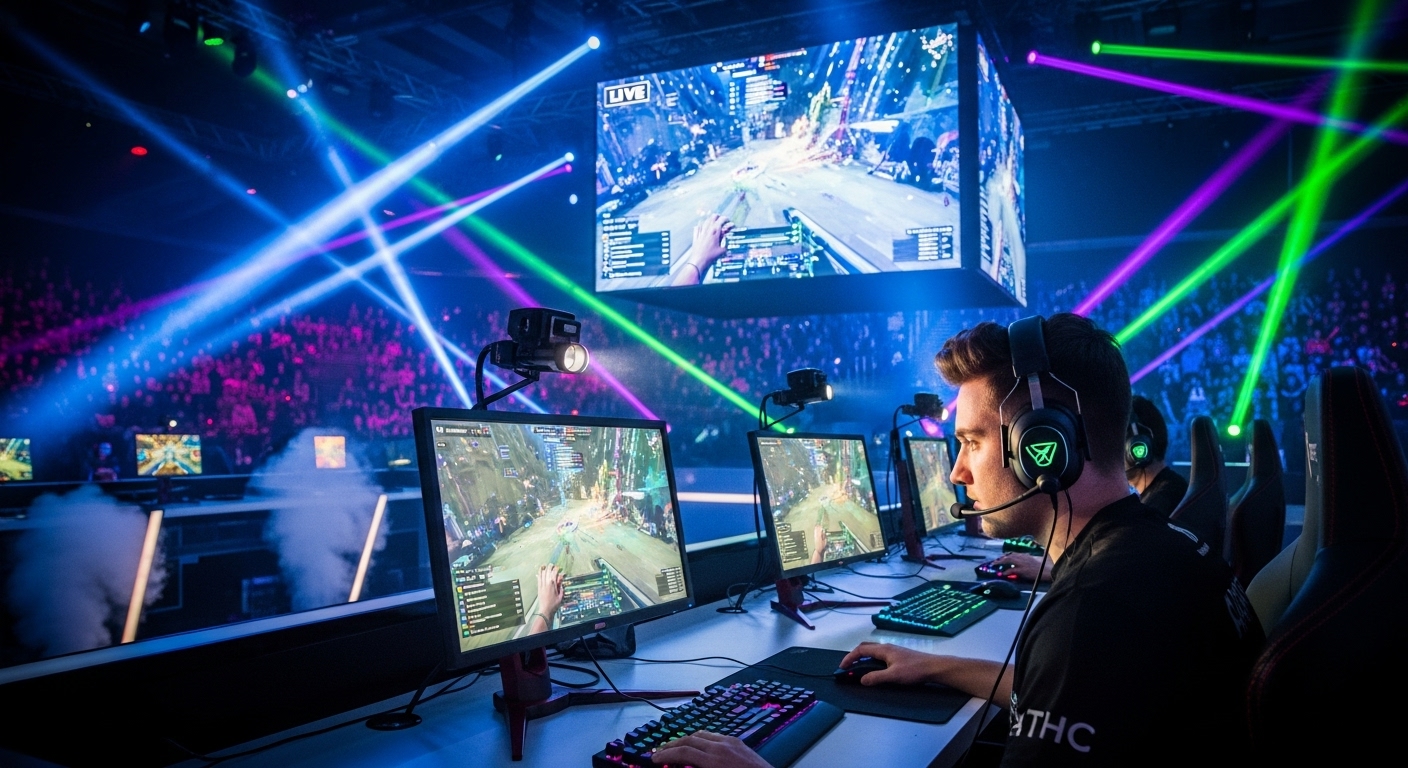
Data analytics help teams analyze performance and develop strategies. Cloud gaming and cross-platform play are breaking barriers, making competition more inclusive and accessible. Esports events now use cutting-edge production techniques—real-time graphics, holograms, and 3D replays—to create immersive viewing experiences.
As technology evolves, so will esports. The line between gaming and real sports will continue to blur.
Esports and Traditional Sports: A New Rivalry and Partnership
Traditional sports organizations have taken notice of esports’ explosive growth. Many football, basketball, and baseball clubs now have their own esports teams. This crossover bridges the gap between digital and physical sports.
While some view esports as a rival to traditional sports, others see it as a complementary evolution. Both industries share values of competition, teamwork, and entertainment. Younger generations who may not watch traditional sports often follow esports passionately, ensuring that the future of sports remains vibrant.
The Global Esports Community
Esports is one of the few truly global communities. Players and fans from every continent connect through shared passion, regardless of language or nationality. Major tournaments bring together audiences from Asia, Europe, the Americas, and beyond.
This unity reflects the universal nature of gaming. Whether in a small internet café or a massive arena, the excitement of competition is the same. Esports transcends borders, fostering friendships and cultural exchange on a global scale.
The Future of Esports
The journey of esports is far from over. With the continuous development of technology, the rise of mobile gaming, and the expansion of virtual reality, esports will continue to grow in ways unimaginable.
Future tournaments may integrate virtual arenas, allowing fans to experience games as if they were inside them. Artificial intelligence could help train players and enhance strategy analysis. Mobile esports, especially in developing regions, will bring millions of new competitors into the scene.
Governments are also recognizing esports as an official sport, opening pathways for regulation, support, and infrastructure. The coming decades will likely see esports standing shoulder to shoulder with traditional sports in every aspect—from fame to funding.
Conclusion
Esports is more than just digital competition—it is the heartbeat of modern entertainment, culture, and innovation. What started as friendly contests among gamers has become a global industry influencing technology, education, and lifestyle. It represents the limitless potential of human creativity and connection in the digital era.
From crowded arenas to virtual streams, from casual players to international champions, esports has proven that passion, skill, and community can transform pixels into purpose. As the world continues to evolve, so will esports—forever redefining what it means to play, compete, and inspire.