Introduction
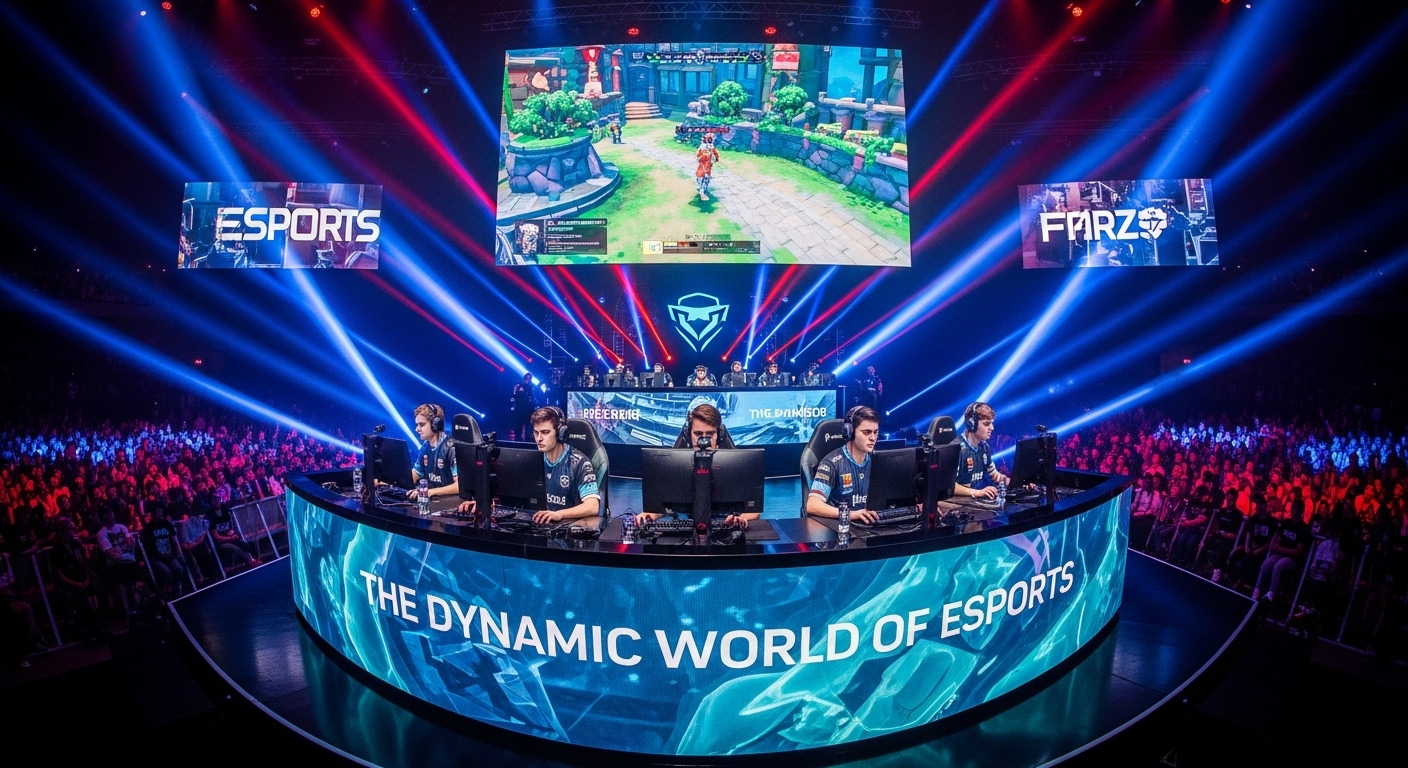
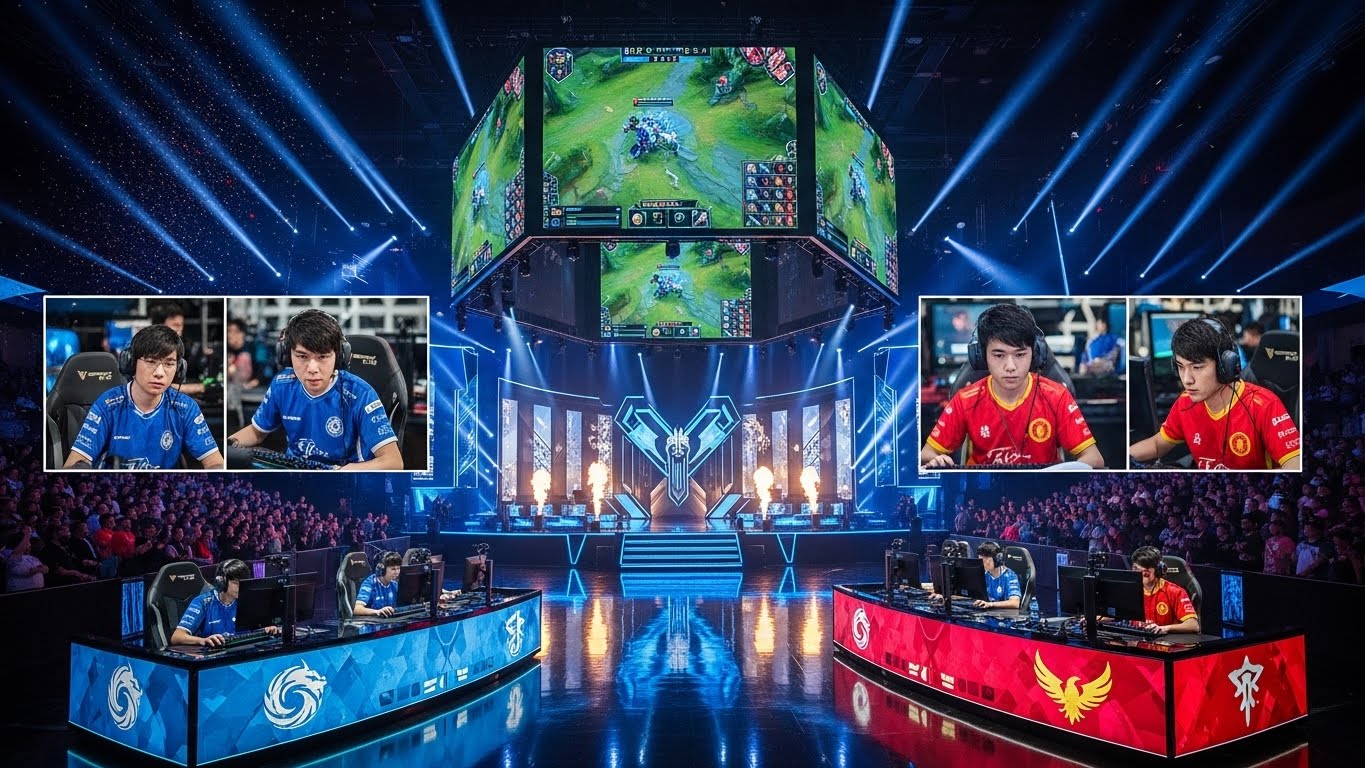
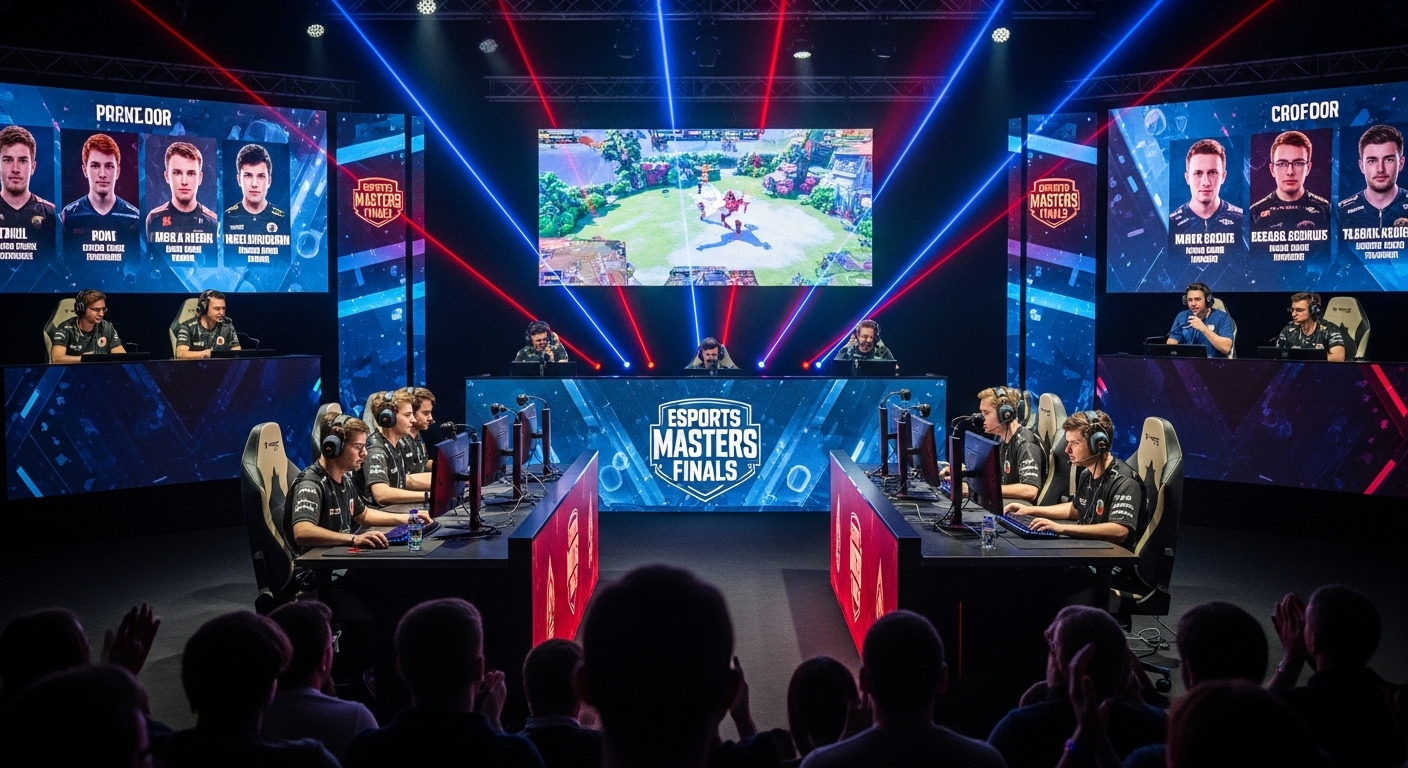
In the ever-evolving world of entertainment, a new contender has emerged, challenging traditional notions of what constitutes a sport. Esports, or electronic sports, is no longer a niche interest confined to gamers in basements or small tournaments. It has grown into a global phenomenon that commands millions of viewers, professional players, and massive sponsorship deals. As video games become a central part of mainstream culture, Esports is rewriting the rules of what it means to compete. From virtual arenas to massive global tournaments, Esports is reshaping the future of competitive entertainment. This blog explores the rise of Esports, its cultural significance, and what makes it such a powerful force in the modern world of sports and entertainment.
The Early Days of Esports: From Arcades to Online Play
To understand how Esports became what it is today, it is essential to look at its roots. The concept of competitive gaming dates back to the early days of video gaming, when arcade games like Pong and Space Invaders captured the public’s imagination. While these early games did not have the level of competition that we associate with Esports today, they sparked a growing interest in video games as a competitive pursuit.
In the 1990s, competitive gaming began to take shape with tournaments like the Red Annihilation competition for Quake in 1997. This marked one of the first large-scale organized tournaments, attracting players from all over the world to compete for prizes and bragging rights. The success of this event demonstrated that there was potential for a more structured, competitive gaming scene. Games like StarCraft, Warcraft III, and Counter-Strike became pillars of the early Esports landscape, setting the stage for future competitive events.
The rise of the internet and the development of multiplayer online games in the early 2000s was a game-changer for Esports. It allowed players from different parts of the world to compete against each other without the need for physical proximity. This shift led to the creation of online gaming communities and large-scale digital tournaments that set the foundation for the Esports industry we see today.
The Esports Boom: A Global Industry Emerges
As the internet grew, so did the potential for Esports. With platforms like Twitch and YouTube Gaming emerging in the 2010s, competitive gaming became more accessible to a global audience. These platforms enabled fans to watch live-streamed tournaments and interact with players in real time, creating an entirely new way to experience competitive gaming. The ability to view live events from anywhere in the world contributed to the rapid growth of Esports, which quickly became a cultural and entertainment phenomenon.
The success of games like League of Legends, Dota 2, Overwatch, and Fortnite in the 2010s helped solidify Esports as a legitimate form of competition. The International for Dota 2 and the League of Legends World Championship became flagship events, attracting millions of viewers and offering massive prize pools, sometimes exceeding $20 million for a single tournament. These events drew attention not only from gaming enthusiasts but also from mainstream media, further establishing Esports as a global force in the entertainment industry.
As Esports grew in popularity, so did the opportunities for players and teams. Professional Esports leagues and organizations were formed, bringing structure and professionalism to the industry. Teams like Team Liquid, Cloud9, and Fnatic began to sign players to contracts, offering salaries and benefits in exchange for their participation in competitions. Sponsorships from major brands, including Intel, Coca-Cola, Nike, and Red Bull, poured in, adding millions of dollars to the industry’s revenue.
Esports as a Career Path: From Hobbyist to Pro
One of the most remarkable transformations in Esports has been its emergence as a viable career path. Professional gaming was once an unrealistic dream for many aspiring gamers, but with the growth of the Esports industry, it has become a legitimate profession. Players can now earn significant salaries from tournament prize pools, sponsorships, streaming revenue, and team contracts.
At the highest levels, top-tier Esports athletes are earning salaries and sponsorship deals that rival those of professional athletes in traditional sports. For example, the prize pool for The International tournament for Dota 2 has reached upwards of $40 million in recent years, with winning teams taking home a large portion of that sum. This has created opportunities for players to turn their passion for gaming into a full-time career.
Additionally, Esports has led to the rise of new professions within the industry. Beyond players, there are roles for coaches, analysts, content creators, event organizers, and even broadcasters. Just as traditional sports have coaches and commentators, Esports organizations employ analysts to study game strategies, coaches to help players improve, and commentators to provide live play-by-play coverage. The growth of the industry has created a wide array of career opportunities for people with various skill sets.
The Cultural Impact of Esports: Uniting a Global Community
Esports has become a cultural force that unites people from all over the world. Unlike traditional sports, which often have geographic and cultural limitations, Esports transcends borders. Players and fans can interact regardless of where they are located, creating a global community united by a shared love of gaming. This has given rise to a new kind of fandom, where fans not only cheer for their favorite teams but also engage with players and other fans on streaming platforms, social media, and fan forums.
The sense of belonging within the Esports community has been a key factor in its rise. Esports has provided a platform for people of all ages, genders, and backgrounds to connect over a common interest. Whether it’s supporting a favorite team in League of Legends or watching a Fortnite streamer on Twitch, Esports fans feel like they are part of something larger than themselves. The community aspect of Esports is one of its most powerful elements, helping it maintain a dedicated and passionate fan base.
Moreover, Esports is helping to shift societal perceptions of gaming. In the past, gaming was often seen as a solitary or antisocial activity, but the rise of competitive gaming and the global community surrounding it has helped to normalize gaming as a legitimate form of entertainment. It has become something people of all ages can enjoy, whether as participants or spectators.
The Economics of Esports: A Billion-Dollar Industry
The economic impact of Esports cannot be overstated. In 2021, the global Esports market was valued at approximately $1.1 billion, and it is expected to continue growing in the coming years. The primary sources of revenue for Esports include tournament prize pools, sponsorships, advertising, streaming, and media rights. These revenue streams have helped make Esports a highly profitable industry.
Sponsorships and partnerships are a major contributor to Esports’ financial success. Leading brands from various industries, including technology, apparel, and beverages, have recognized the value of sponsoring Esports events and teams. Companies like Intel, Samsung, and BMW have all partnered with Esports organizations to market their products to a young, tech-savvy audience.
Media rights are also a growing source of revenue for Esports. Major tournaments are broadcast on streaming platforms like Twitch and YouTube, and some Esports events have even found their way onto traditional television networks. The increased visibility of Esports on mainstream media platforms has helped to attract even more viewers, which in turn drives up advertising revenue.
Esports has also opened up new opportunities for job creation. From content creators and event organizers to social media managers and graphic designers, the industry has created a wide range of professional opportunities. As Esports continues to expand, the number of job opportunities in this space is only expected to increase, making it an attractive career option for young people interested in the gaming industry.
The Challenges Facing Esports
Despite its rapid growth, Esports faces several challenges that could impact its long-term success. One of the most significant issues is the lack of standardization across different tournaments and leagues. Unlike traditional sports, which have established governing bodies and unified rules, Esports is still a fragmented industry, with different games, tournaments, and organizations often operating independently.
This lack of regulation can lead to inconsistencies in tournament formats, player contracts, and prize distributions. As Esports continues to grow, it will be important for the industry to develop standardized rules and regulations to ensure fairness and transparency.
Another challenge facing Esports is the physical and mental health of players. Professional gaming requires long hours of practice and intense competition, which can lead to burnout, anxiety, and physical injuries such as carpal tunnel syndrome or eye strain. Addressing player well-being and providing mental health support will be crucial to the long-term sustainability of Esports.
The Future of Esports
The future of Esports looks incredibly promising. As technology continues to advance, we can expect even more immersive and engaging gaming experiences. Virtual reality (VR) and augmented reality (AR) could play a significant role in the evolution of Esports, providing players and fans with new ways to interact with games and competitions. Additionally, the integration of artificial intelligence (AI) and machine learning could lead to more sophisticated training tools for players, helping them improve their skills more efficiently.
Esports is also likely to become even more integrated with traditional sports. We are already seeing major sports leagues, such as the NBA, investing in Esports through initiatives like the NBA 2K League. As Esports continues to gain mainstream acceptance, we may see more collaboration between traditional sports and Esports organizations, creating hybrid events that appeal to a broader audience.
As Esports continues to expand, it will also become a bigger part of the global entertainment landscape. With its growing viewership, professional leagues, and massive sponsorship deals, Esports is poised