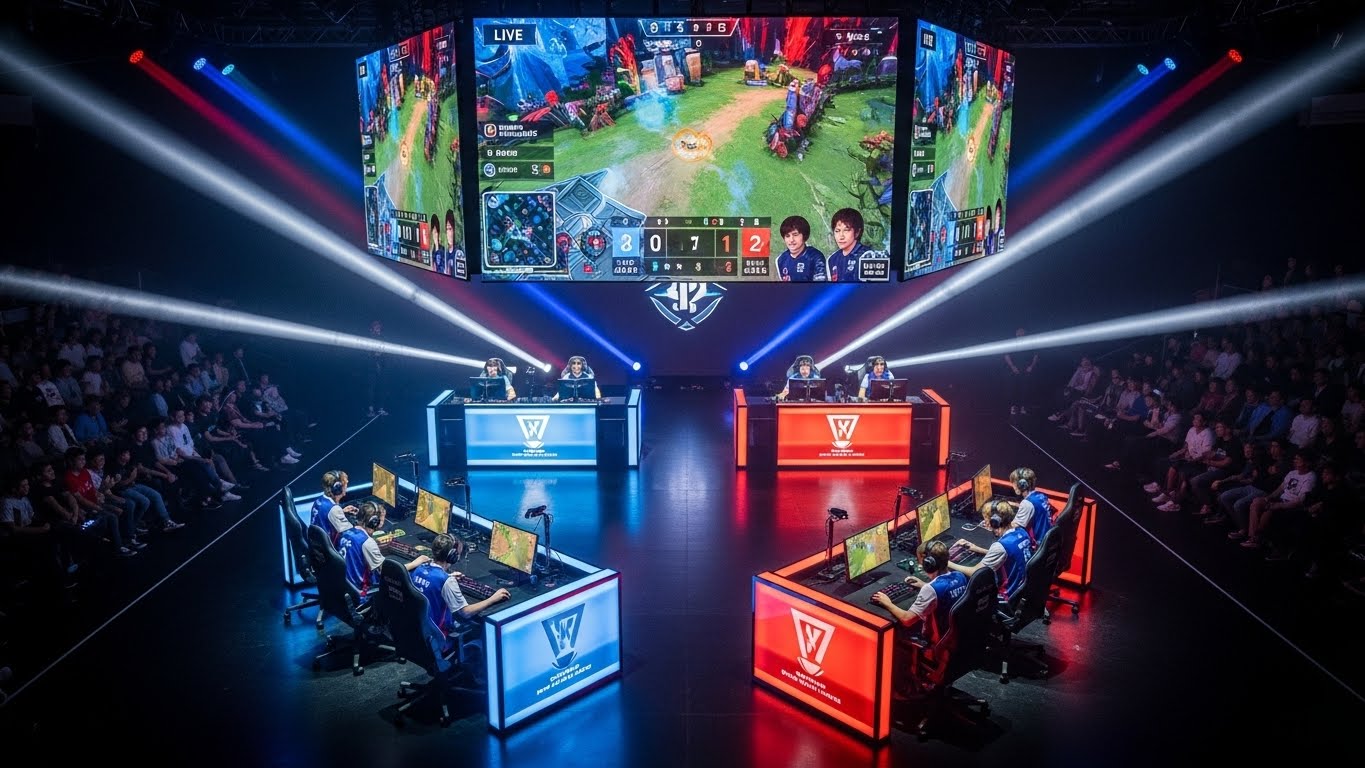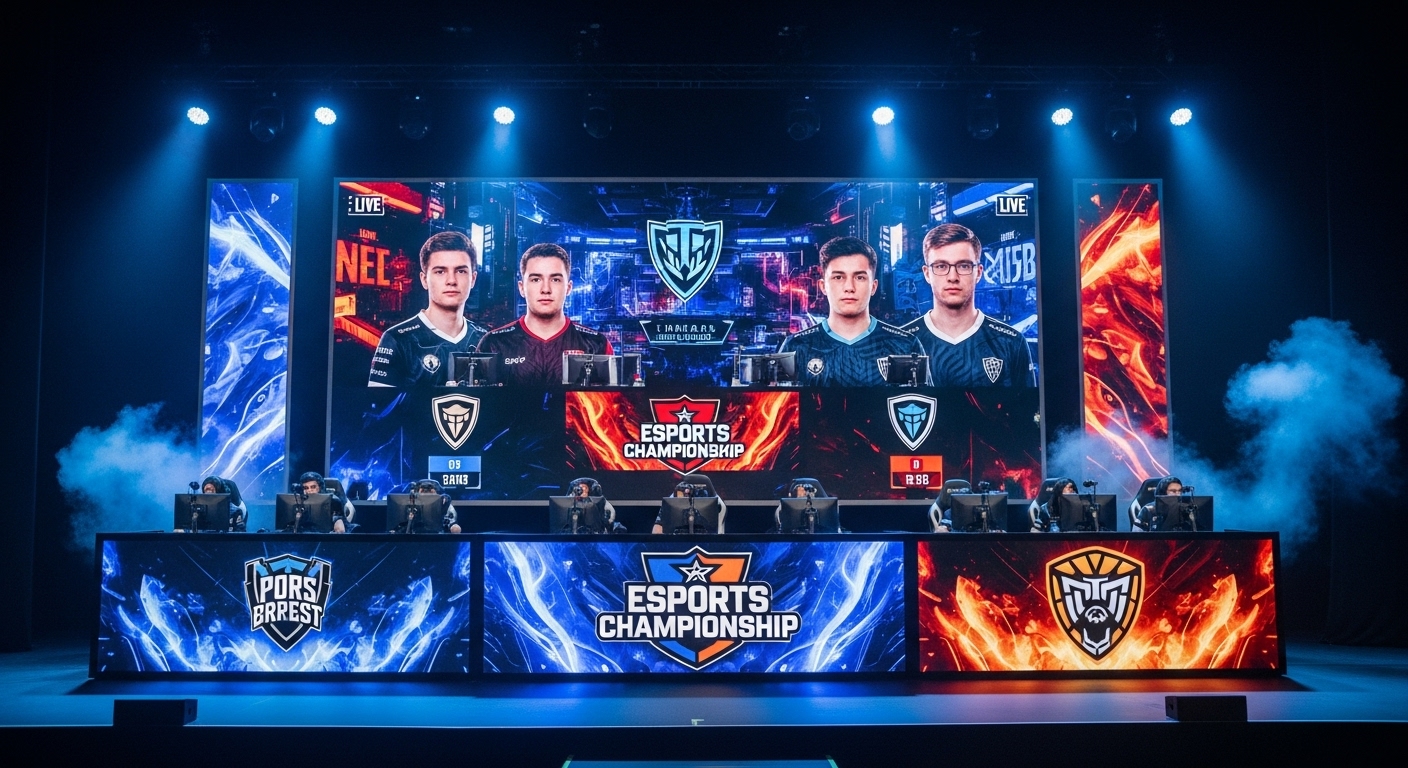
Esports, or competitive video gaming, has emerged as one of the fastest-growing forms of entertainment in the 21st century. Once seen as a niche pastime for passionate gamers, esports has rapidly evolved into a global phenomenon that rivals traditional sports in terms of viewership, sponsorships, and media presence. Millions of fans from around the world now tune in to watch their favorite players and teams battle it out in some of the biggest video game titles ever created. With massive prize pools, packed arenas, and celebrity-level players, esports is changing the way we think about competition and entertainment.
In this blog post, we will delve into the rise of esports, its growth trajectory, the various factors contributing to its success, and what the future holds for this digital sport.
What Exactly is Esports?
Esports refers to organized, multiplayer video game competitions, typically between professional players or teams. These competitions can be held in various formats—online or offline—and can involve a range of different game genres, such as first-person shooters, multiplayer online battle arenas, real-time strategy games, and even sports simulators. Esports spans a variety of titles, including League of Legends, Counter-Strike: Global Offensive, Dota 2, Overwatch, and Fortnite.
What distinguishes esports from casual gaming is its level of organization and competition. Professional players practice for hours, hone their skills, and compete for significant rewards in highly structured tournaments and leagues. Much like traditional sports, esports features coaches, analysts, sponsorships, and broadcasters, all of which contribute to its massive scale.
The global audience for esports is diverse, ranging from casual fans who watch highlights and clips on social media to hardcore supporters who watch entire tournaments live, either in person or through streaming platforms. The sense of community surrounding esports is a key element of its success, with fans deeply invested in the games, players, and teams they follow.
The Origins of Esports: From Hobby to Profession
The story of esports begins in the early days of video gaming. While competitive gaming existed in small pockets since the 1980s, it was not until the late 1990s and early 2000s that esports truly started to take shape as a formalized, competitive activity. Early esports events were organized in small LAN (local area network) cafes or tournaments held at conventions.
One of the first major tournaments to gain attention was the Red Annihilation event held in 1997, where players competed in the game Quake. While the event’s prize pool was relatively modest, it demonstrated that there was a competitive market for video games.
As gaming technology improved and internet speeds became faster, multiplayer online games like StarCraft, Warcraft III, and Counter-Strike created large communities of players eager to prove themselves in competitive formats. By the early 2000s, global tournaments like the World Cyber Games (WCG) and Electronic Sports World Cup (ESWC) started to bring together top-tier players from around the world. These events laid the groundwork for what would eventually become the massive esports industry.
However, it was the advent of streaming platforms, particularly Twitch in 2011, that truly revolutionized esports. Suddenly, players could broadcast their gameplay live to audiences across the globe, and fans could watch major tournaments unfold in real time from the comfort of their homes. The accessibility and ease of streaming allowed esports to expand its reach and attract millions of new fans.
The Growth of Esports: From Niche to Mainstream
As esports continued to gain traction, it became increasingly evident that it was no longer just a pastime for a select group of gamers. The industry began to attract significant investment from brands and media companies. Sponsorships from large companies such as Coca-Cola, Intel, and Red Bull helped fuel the growth of esports, with brands seeing the potential in reaching younger, tech-savvy audiences who were highly engaged with gaming content.
The prize pools for major esports tournaments began to rise, and so did the salaries of professional players. For example, The International, the annual Dota 2 tournament, has boasted prize pools reaching over $40 million in recent years, making it one of the most lucrative gaming events in the world. Such massive prize pools have helped elevate esports to the level of traditional sports, where athletes can earn significant sums of money.
Alongside these financial gains, esports began to draw attention from mainstream media. Major television networks started to air esports events, and streaming platforms such as Twitch saw millions of viewers tuning in to watch live matches. In 2019, the League of Legends World Championship attracted more viewers than the Super Bowl, solidifying esports as a global entertainment juggernaut.
The rise of esports was also marked by the development of professional leagues, which provided structure and consistency to the industry. The Overwatch League, Call of Duty League, and League of Legends Championship Series (LCS) are just a few examples of franchises that brought esports closer to the format of traditional sports leagues, complete with teams, coaches, and regular seasons. These leagues created new opportunities for players, as well as new revenue streams for tournament organizers and game developers.
The Appeal of Esports: Why Do People Watch?
Esports’ growth can be attributed to a number of factors, including the thrill of competition, the accessibility of online viewing, and the unique sense of community it fosters among fans. Here are some of the key reasons why esports has captured the attention of millions of fans worldwide:
1. The Excitement of High-Level Competition
At the heart of esports is its competitive nature. Professional esports players are incredibly skilled, and watching them execute strategies and gameplay at the highest level is a thrilling experience for fans. Esports, much like traditional sports, provides an intense environment where players face off in high-stakes matches that can lead to surprising upsets, dramatic comebacks, and incredible displays of individual and team skill.
2. Engaging Storylines and Rivalries
Esports has developed its own rich history, complete with rivalries, underdog stories, and legendary players. Fans invest in the players, teams, and games they love, and the emotional highs and lows that come with esports tournaments are similar to those of any major sports event. Whether it’s watching a team claw its way to victory after a series of losses or witnessing the rise of an unknown player, esports offers fans compelling narratives to follow.
3. Accessibility Through Streaming
The rise of streaming platforms has made esports accessible to anyone with an internet connection. Fans no longer need to attend a tournament in person to enjoy the action; they can tune in from anywhere in the world. Platforms like Twitch, YouTube Gaming, and Facebook Gaming have democratized the way people consume content, allowing esports to reach a global audience at any time.
4. Community Engagement
One of the most unique aspects of esports is its sense of community. Fans can interact with players, teams, and other viewers in real time through live chats, social media, and fan forums. Esports events often have vibrant fan cultures, with supporters showing their team spirit by attending live events, creating fan art, or even cosplaying as their favorite players. The community aspect of esports helps to cultivate a deeper connection between fans and the sport itself.
The Business of Esports: Sponsorships, Revenue, and the Future
Esports has rapidly transformed into a multi-billion-dollar industry, with a wide array of revenue streams. The primary sources of revenue in esports include sponsorships, advertising, media rights, ticket sales, merchandise, and, of course, tournament prize pools. Game publishers like Riot Games, Blizzard Entertainment, and Valve have become integral players in the esports ecosystem by organizing major tournaments and providing funding for leagues and teams.
1. Sponsorships and Advertising
Sponsorships are one of the largest sources of income for esports organizations. Major brands from various industries—ranging from technology companies like Intel and ASUS to consumer goods giants like Coca-Cola—are eager to reach esports’ young, engaged audience. These sponsors contribute significantly to the prize pools for tournaments, and their logos are prominently displayed during events.
Advertising also plays a crucial role, with esports events generating ad revenue through both traditional commercials and digital ads displayed during live streams.
2. Media Rights and Broadcasting
As esports has moved into the mainstream, media rights have become a major revenue stream. Platforms like Twitch, YouTube, and traditional broadcasters now pay to air esports events, and this market is expected to grow substantially in the coming years. International brands also sponsor live streams to ensure their presence in front of massive audiences.
3. Ticket Sales and Merchandise
Live events have become a significant part of the esports landscape, with large arenas often selling out for major tournaments. Fans flock to see their favorite teams compete in person, and ticket sales provide another avenue for revenue generation. Additionally, esports teams and players have capitalized on the fan following by selling team merchandise, jerseys, and other branded items.
The Future of Esports: Trends and Predictions
As esports continues to mature, there are several key trends shaping the future of the industry:
1. Global Expansion
Esports is no longer confined to North America and Europe; it has become a truly global sport. Asia, in particular, is a major hub for competitive gaming, with countries like China, South Korea, and Japan being home to some of the world’s most successful players and teams. Emerging markets in Latin America, the Middle East, and Africa are also seeing rapid growth in esports participation and viewership.
2. Technological Advancements
Virtual reality (VR) and augmented reality (AR) are expected to have a significant impact on the future of esports. These technologies could transform the way fans experience live tournaments, offering immersive viewing experiences that place them right