Introduction
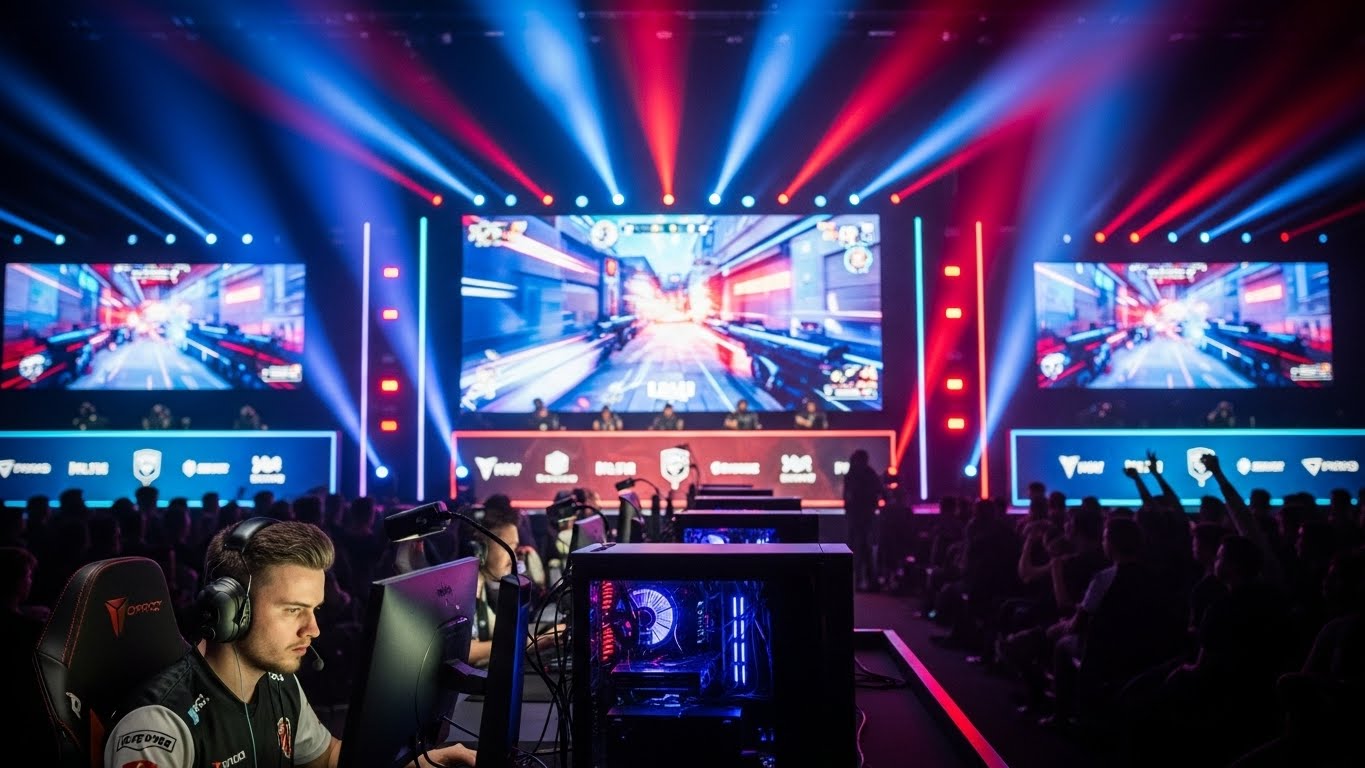
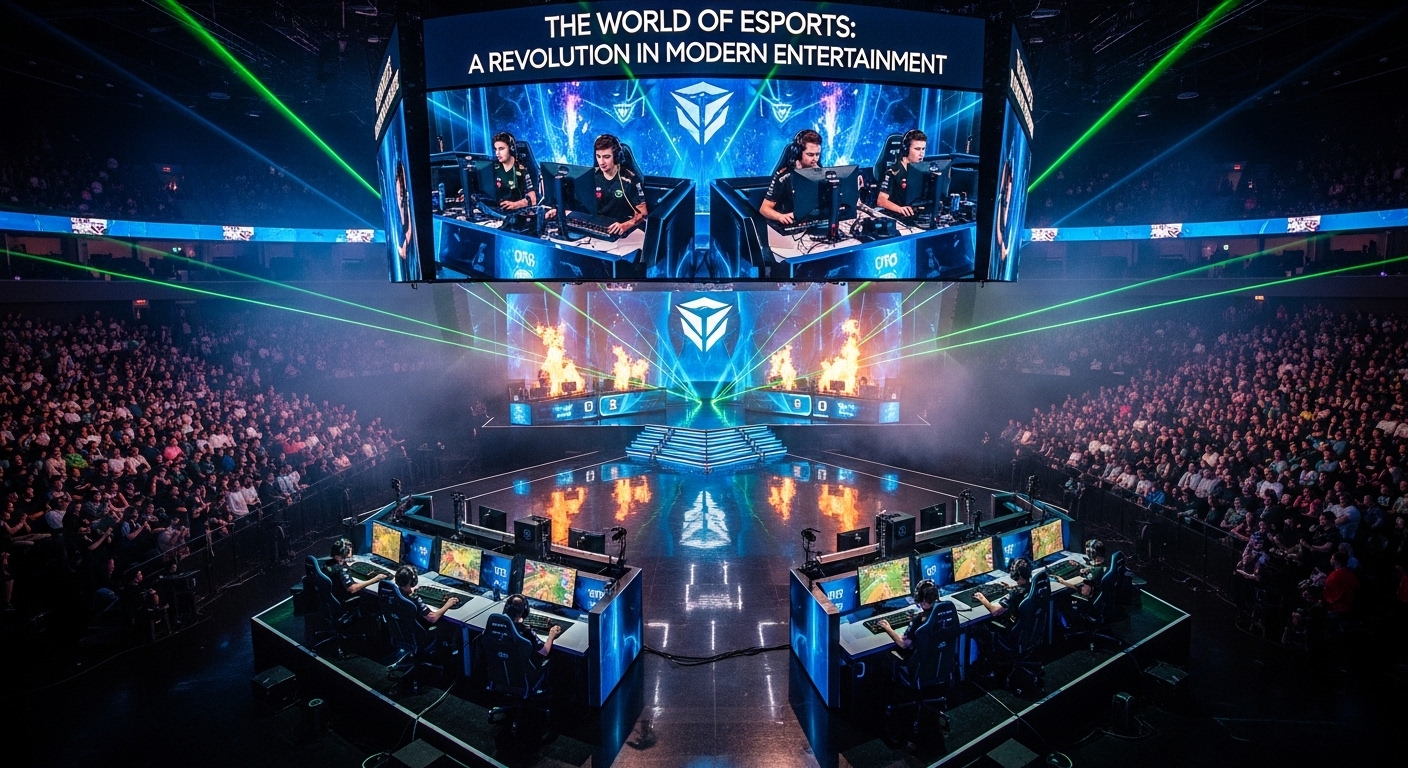
In the past few decades, the concept of sports has evolved far beyond physical fields and stadiums. The modern era has given rise to a digital form of competition known as Esports, short for “electronic sports.” What was once considered a hobby or pastime for gamers has now transformed into a multi-billion-dollar global industry. From packed arenas and sponsorship deals to professional players and international tournaments, Esports has emerged as one of the most dynamic and rapidly growing entertainment sectors in the world.
Esports represents more than just playing video games. It reflects a cultural shift in how society perceives entertainment, technology, and skill. It merges gaming, community, competition, and technology into one powerful force that is influencing younger generations, reshaping industries, and challenging traditional notions of what defines a sport.
The Origins of Esports
The history of Esports dates back to the early 1970s when video games were in their infancy. The first recognized gaming competition took place at Stanford University in 1972, featuring the game Spacewar. The winner received a subscription to Rolling Stone magazine—a modest prize compared to today’s multi-million-dollar tournaments.
In the 1980s, the rise of arcade gaming popularized competitive gaming further. Games like Pac-Man and Donkey Kong encouraged players to beat high scores, creating local legends in arcades across the world. By the 1990s, the introduction of the internet and home consoles revolutionized how gamers interacted. Titles such as Street Fighter II, StarCraft, and Quake became the foundation for organized competitions, paving the way for the professional scene that exists today.
The 2000s saw the birth of organized leagues and international tournaments. The launch of games like Counter-Strike, Warcraft III, and Dota gave rise to communities that connected players globally. LAN (Local Area Network) parties became events where players competed head-to-head, demonstrating their skills in front of enthusiastic audiences. It was during this time that Esports started gaining recognition as a legitimate form of competition.
The Growth of Esports into a Global Phenomenon
Esports’ transition from a niche hobby to a mainstream cultural force was accelerated by advancements in technology and the growth of online streaming. Platforms like Twitch and YouTube Gaming allowed fans to watch their favorite players and tournaments in real time from anywhere in the world. This accessibility broke down barriers that once limited traditional sports.
Games such as League of Legends, Dota 2, Counter-Strike: Global Offensive, Overwatch, and Fortnite have since drawn millions of viewers per event. Major tournaments now fill arenas such as Madison Square Garden and the Staples Center, and international competitions like The International and League of Legends World Championship distribute prize pools that rival or exceed those of some traditional sports.
According to industry reports, Esports has grown into a multi-billion-dollar sector, attracting global sponsors, advertisers, and investors. Major corporations, including automobile, technology, and beverage companies, have entered the Esports arena, recognizing its potential to reach the valuable youth demographic.
The Professionalization of Esports
What sets modern Esports apart from casual gaming is its professional structure. Just like athletes in football or basketball, Esports players undergo rigorous training, team coordination, and strategy development. Professional players dedicate countless hours each day to practice, improving reaction times, communication, and mental stamina.
Teams now operate like traditional sports organizations, complete with coaches, analysts, managers, and sponsors. Some even have nutritionists and psychologists to help players maintain peak performance. Major teams represent global brands, and their players enjoy fame comparable to celebrities. In countries such as South Korea, Esports athletes are treated with the same respect as Olympic competitors.
The industry’s infrastructure continues to mature, with collegiate Esports programs, dedicated training facilities, and established career paths for players, commentators, and production staff. Universities across North America, Europe, and Asia now offer scholarships for Esports, validating its legitimacy as both a career and a cultural movement.
Popular Esports Titles and Their Impact
Esports is a vast universe encompassing a variety of genres and games. Each major title has its own dedicated community and professional ecosystem.
1. League of Legends (LoL): This multiplayer online battle arena (MOBA) game has become one of the most influential Esports titles. Its annual World Championship gathers millions of viewers worldwide, showcasing teamwork, strategy, and precision.
2. Dota 2: Known for its complexity and depth, Dota 2 hosts The International, a tournament famous for having the largest prize pools in Esports history. Funded partly by player contributions, The International symbolizes the power of community-driven Esports.
3. Counter-Strike: Global Offensive (CS:GO): A tactical first-person shooter, CS:GO remains a cornerstone of competitive gaming. It has a long-standing professional scene, emphasizing teamwork, accuracy, and communication.
4. Fortnite: Beyond being a popular casual game, Fortnite has made a strong Esports presence with its global tournaments, innovative gameplay, and crossover with pop culture.
5. Valorant, Overwatch, and Call of Duty: These titles blend strategy and action, creating fast-paced and engaging competitions that attract millions of viewers worldwide.
Each of these games has contributed uniquely to the growth of Esports, influencing playstyles, audience engagement, and business models.
The Esports Audience and Community
The heart of Esports lies in its community. Unlike traditional sports, which often rely on regional or national loyalties, Esports communities are built online, transcending borders and cultures. Fans gather on streaming platforms, social media, and forums to discuss matches, strategies, and players.
The audience is predominantly young, tech-savvy, and highly engaged. This demographic is particularly appealing to advertisers and sponsors looking to connect with a generation that values interactivity, entertainment, and authenticity. Unlike passive television viewers, Esports fans often participate actively in the experience—donating to streamers, joining fan discussions, or even creating content themselves.
Esports also promotes inclusivity. It allows individuals from diverse backgrounds to compete on equal footing. Physical limitations do not define skill in gaming; instead, mental agility, focus, and strategy take center stage. This inclusivity has allowed Esports to develop a unique identity within the global entertainment landscape.
The Role of Streaming Platforms
Streaming platforms have played an essential role in transforming Esports from underground tournaments into mainstream events. Platforms like Twitch revolutionized how fans consume content. Viewers can watch their favorite teams and players live, interact via chat, and feel part of the action.
This interactivity sets Esports apart from traditional sports broadcasts. Players and fans can communicate directly, building strong relationships within the community. Moreover, streaming has created new careers, giving rise to influencers, commentators, and analysts who shape the conversation around Esports.
The success of streaming has also influenced game development. Modern games are often designed with spectatorship in mind, featuring built-in tools for commentary, replays, and analytics to enhance the viewing experience.
The Economic Impact of Esports
The financial ecosystem surrounding Esports has grown exponentially. Revenue streams include sponsorships, advertising, ticket sales, merchandise, broadcasting rights, and digital item purchases. Companies invest heavily in Esports teams, while brands sponsor tournaments and events to reach global audiences.
Prize pools have become staggering. Some tournaments offer tens of millions of dollars in rewards. Additionally, streaming revenue and content creation have allowed individual players to earn substantial incomes through donations, brand deals, and fan subscriptions.
Esports has also influenced related industries such as hardware manufacturing, event management, and digital marketing. Gaming peripherals, high-performance PCs, and streaming equipment have seen surges in demand as a result of Esports’ popularity.
Challenges Faced by the Esports Industry
Despite its growth, Esports faces several challenges that must be addressed to ensure long-term sustainability.
1. Player Health and Burnout: Professional players often practice for long hours, leading to mental fatigue, stress, and physical strain. Organizations are now focusing more on player welfare, incorporating breaks and balanced schedules.
2. Regulation and Governance: Unlike traditional sports, Esports lacks a unified global regulatory body. Each game publisher often sets its own rules and formats, leading to inconsistencies in standards and player treatment.
3. Cheating and Fair Play: With significant money and prestige at stake, cheating, hacking, and match-fixing have occasionally plagued the scene. Ensuring integrity remains a top priority.
4. Gender Inequality: While Esports is open to all, women remain underrepresented in the professional sphere. Efforts are being made to promote inclusivity and create opportunities for female players.
5. Financial Stability: Some teams and tournaments struggle to maintain profitability. Esports organizations rely heavily on sponsorships, which can fluctuate with market trends.
The Role of Education and Institutions in Esports
The inclusion of Esports in educational systems marks a significant cultural shift. Schools and universities around the world now recognize Esports as an academic and athletic pursuit. Students can receive scholarships for gaming, and institutions host intercollegiate tournaments to nurture talent.
Beyond competition, Esports education focuses on career opportunities in broadcasting, event management, game design, marketing, and sports psychology. This academic approach helps legitimize the industry and prepares students for a variety of roles within the digital entertainment ecosystem.
The Cultural Impact of Esports
Esports has reshaped global culture. It has given rise to a new generation of digital celebrities and influencers. Players like Faker, s1mple, and Ninja have become household names, inspiring millions of fans worldwide.
Music, fashion, and entertainment industries have also embraced Esports. Collaborations between artists, clothing brands, and game developers have blurred the lines between virtual and real-world culture. Esports events now feature live performances, celebrity appearances, and cinematic storytelling, turning tournaments into full-scale entertainment productions.
Esports has also become a symbol of globalization. Fans from different continents come together to celebrate shared passions, fostering a sense of unity through gaming.
The Future of Esports
As technology continues to evolve, the future of Esports appears brighter than ever. Advancements in artificial intelligence, virtual reality (VR), and augmented reality (AR) will redefine how games are played and experienced. The integration of blockchain technology could enhance transparency in player contracts, ticketing, and prize distribution.
Mobile Esports, particularly in regions like Asia, is also on the rise, bringing gaming to an even larger audience. Titles like PUBG Mobile and Mobile Legends have shown that accessibility is key to the next stage of growth.
Additionally, Esports may soon become a recognized part of major international sporting events. The inclusion of Esports as a demonstration event at global competitions indicates growing acceptance. With continued professionalization, Esports could soon stand alongside traditional sports in prestige and recognition.
Conclusion
Esports is more than just a trend—it is a global movement that reflects the intersection of technology, culture, and competition. What began as simple video game contests has evolved into an organized, respected, and influential industry that rivals traditional sports in both scale and impact.
The journey of Esports mirrors the evolution of modern society—driven by innovation, creativity, and community. As it continues to expand, it will inspire future generations to see gaming not merely as entertainment but as a legitimate path to success, teamwork, and excellence.
The digital arena of Esports is a world where skill, strategy, and passion unite millions. It is a celebration of human potential in the virtual age, where pixels and purpose combine to create history—one match at a time.