Introduction
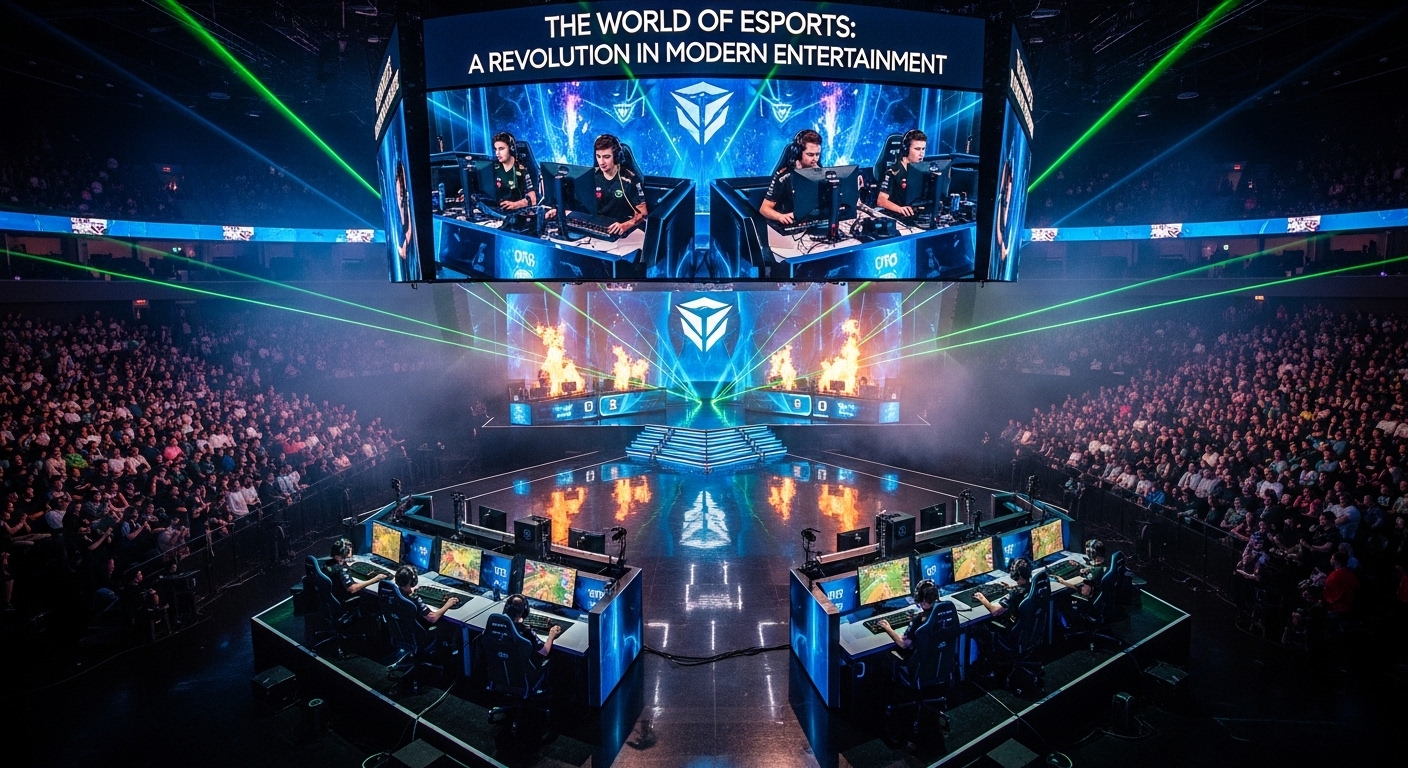
Esports, or electronic sports, has evolved from a niche hobby into a multi-billion-dollar global phenomenon. What was once considered a casual pastime for gamers has now become one of the most influential industries in modern entertainment. Esports brings together competition, technology, culture, and business, redefining how people perceive gaming and digital interaction. With millions of fans, professional athletes, large-scale tournaments, and massive sponsorships, Esports is no longer the future—it is the present. This article explores the fascinating growth, impact, and future of Esports, analyzing its history, infrastructure, audience, economy, and cultural significance.
The Origins of Esports
The concept of competitive gaming is not new. The first known video game competition took place in 1972 at Stanford University, where students played “Spacewar!” for a one-year subscription to Rolling Stone magazine. This event marked the humble beginning of organized gaming contests. In the 1980s, the rise of arcade machines and home consoles such as the Atari 2600 and Nintendo Entertainment System brought gaming to the mainstream. Titles like Pac-Man, Donkey Kong, and Space Invaders attracted large crowds and competitive high-score chases. In 1980, Atari hosted the Space Invaders Championship, drawing over 10,000 participants across the United States—a record-setting event that demonstrated the potential of video game competition.
By the 1990s, the foundation for modern Esports had been laid. The emergence of local area networks (LAN) and early online multiplayer games such as Doom, Quake, and StarCraft allowed players to compete beyond physical arcades. These games introduced new mechanics of strategy, skill, and reflex that appealed to competitive gamers. The first professional gaming tournaments began appearing in countries like South Korea and the United States, and the Esports community started to organize around specific titles.
The 2000s: The Birth of the Esports Industry
The early 2000s witnessed the true birth of the Esports industry. High-speed internet connections, powerful PCs, and the popularity of multiplayer online games transformed competitive gaming into a spectator sport. Titles like Counter-Strike, Warcraft III, and StarCraft: Brood War became staples of early tournaments. South Korea became the epicenter of Esports, creating dedicated television channels for live game broadcasts and training facilities for professional players. The Korean e-Sports Association (KeSPA) was established in 2000 to regulate and promote competitive gaming, marking one of the first institutional steps in the field.
Meanwhile, in the Western world, the rise of Major League Gaming (MLG) in the United States and the World Cyber Games (WCG) globally introduced professional gaming circuits. These organizations provided structured competitions with standardized rules, sponsorships, and prize pools. The concept of “professional gamers” began to gain legitimacy as players started earning substantial incomes through tournaments and endorsements.
The Streaming Revolution and the 2010s Boom
The true explosion of Esports popularity occurred in the 2010s, largely due to the rise of streaming platforms like Twitch and YouTube Gaming. These platforms allowed fans to watch their favorite players and teams in real-time, transforming Esports into a global spectator phenomenon. Viewership numbers began rivaling those of traditional sports broadcasts. For instance, the 2013 League of Legends World Championship attracted over 32 million viewers—an audience larger than that of the NBA Finals that year.
Games like League of Legends, Dota 2, and Counter-Strike: Global Offensive became the pillars of competitive gaming. Their developers actively supported Esports by investing in tournament infrastructure, player development, and balanced gameplay. Valve’s introduction of The International (TI) for Dota 2 in 2011 set new standards for prize pools, largely funded by the player community through in-game purchases. In 2019, The International offered over $34 million in prize money, the largest in Esports history at the time.
Esports also began to gain recognition from mainstream media and sponsors. Major corporations such as Coca-Cola, Intel, Red Bull, and Mercedes-Benz entered the industry, sponsoring teams and events. Esports organizations like Fnatic, Cloud9, and Team Liquid grew into international brands, boasting rosters of professional athletes across multiple games.
Esports Infrastructure and Ecosystem
The modern Esports ecosystem is vast and interconnected, involving multiple stakeholders who contribute to its growth and sustainability. These include players, teams, event organizers, sponsors, game publishers, streaming platforms, and fans.
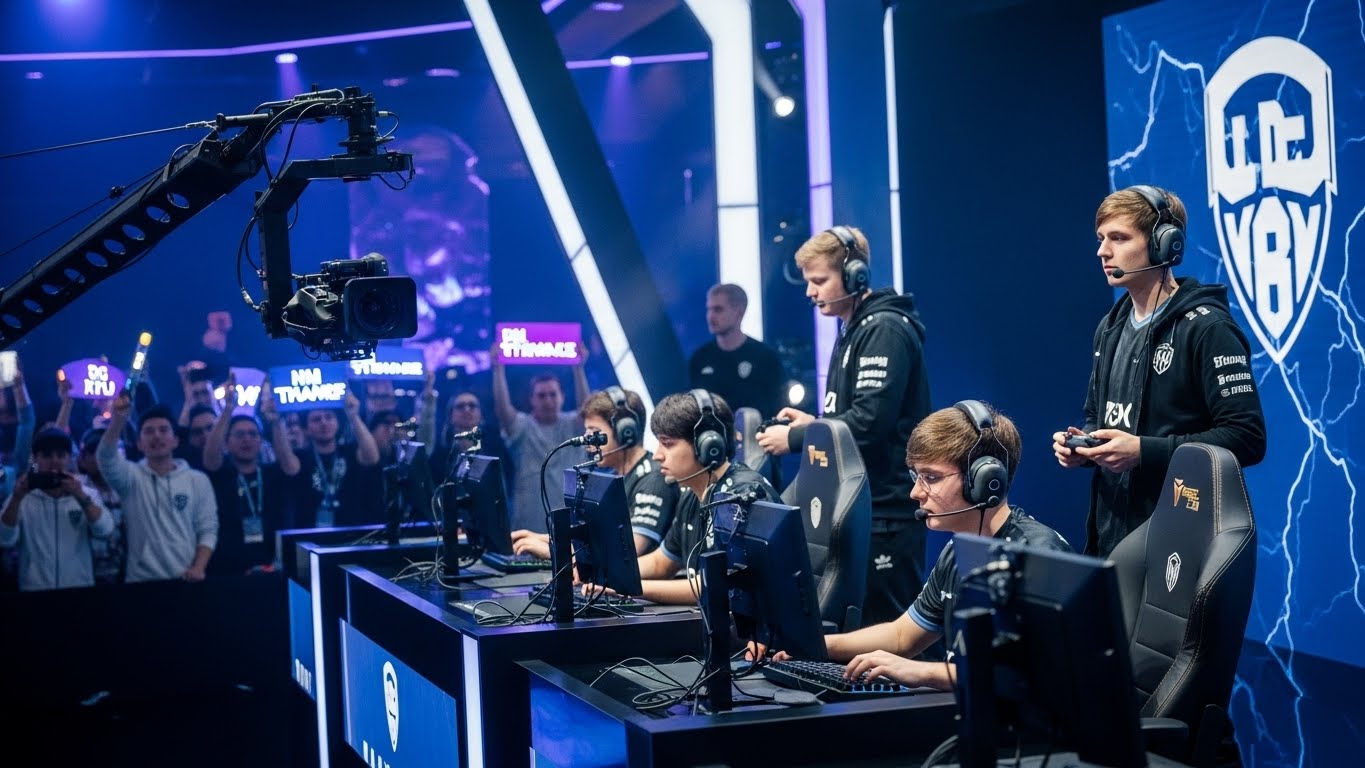
Professional Teams and Players: Professional players dedicate countless hours to mastering their craft. Many teams operate similarly to traditional sports franchises, with coaches, analysts, and training schedules. Players live in team houses or gaming facilities where they practice and strategize together. Salaries vary widely depending on the game and region, but top-tier players often earn six or seven-figure incomes from a mix of salaries, sponsorships, and streaming.
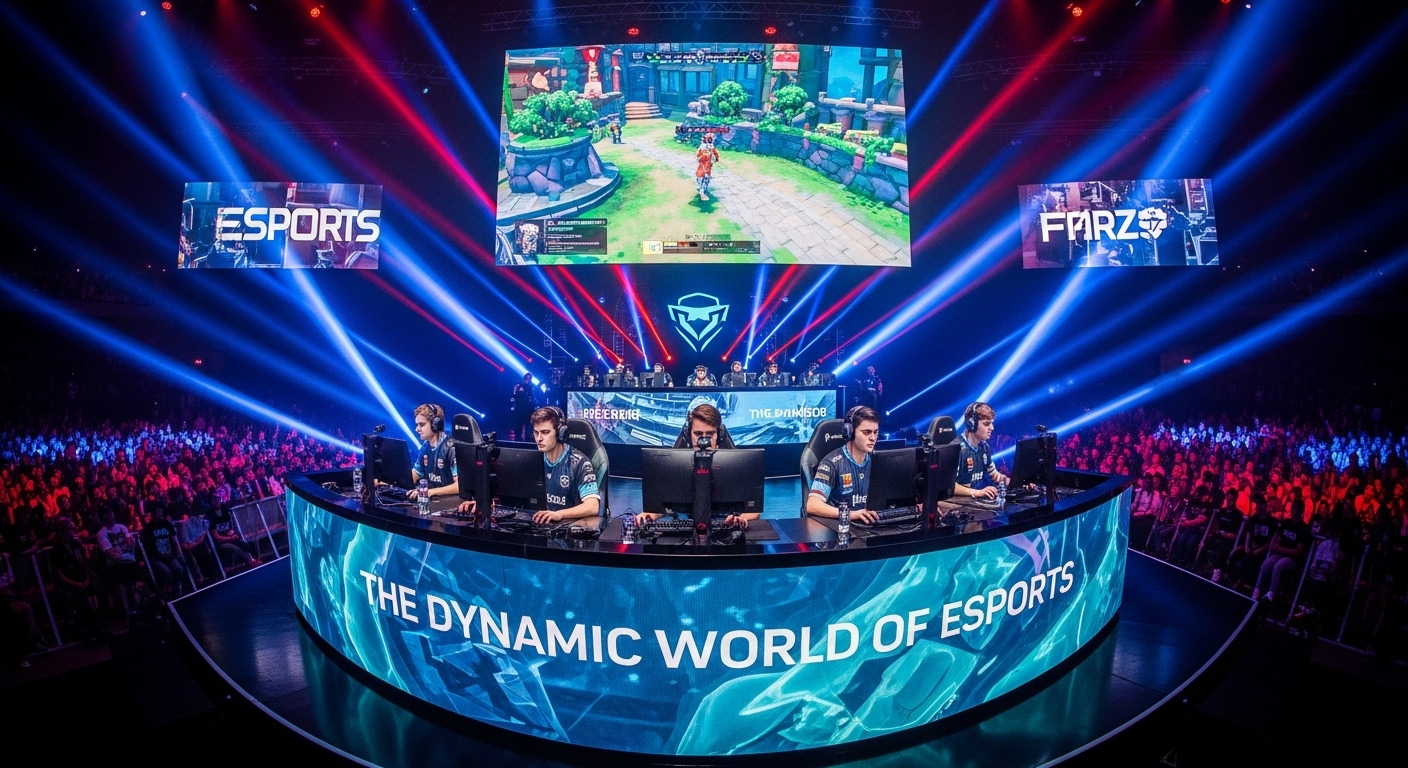
Tournaments and Leagues: Esports events range from small community tournaments to massive global championships. Some of the biggest include the League of Legends World Championship, The International, the Fortnite World Cup, and the Call of Duty League. These events are often broadcasted live in arenas packed with fans, combining online and offline experiences.
Game Publishers: Developers play a crucial role in shaping the competitive landscape. Companies like Riot Games, Blizzard Entertainment, and Valve not only create the games but also manage their Esports ecosystems. This ensures consistency, fair play, and continued fan engagement.
Streaming Platforms and Media: Twitch, YouTube Gaming, and other platforms have made Esports accessible to millions worldwide. Streaming allows fans to interact directly with players, fostering community engagement and loyalty. The integration of live chat, highlights, and replay systems makes Esports viewing highly interactive and dynamic.
Sponsors and Advertisers: The commercial side of Esports is thriving. Brands are eager to connect with the digital-savvy, younger audience that Esports attracts. Sponsorship deals cover everything from hardware and apparel to energy drinks and financial services. These partnerships have helped professionalize the industry and increase its global visibility.
Esports as a Career
The rise of Esports has created diverse career opportunities beyond playing professionally. The ecosystem includes roles such as coaches, analysts, shoutcasters, event organizers, content creators, marketing specialists, and game developers. Universities worldwide now offer Esports scholarships, degrees, and dedicated arenas to train future professionals.
Esports commentary, or “casting,” has become a respected profession, with personalities like Matthew “Sadokist” Trivett, Eefje “Sjokz” Depoortere, and Alex “Machine” Richardson achieving celebrity status. Analysts and coaches are equally vital, studying game mechanics and player tendencies to develop winning strategies.
Additionally, content creation and streaming have allowed many former players to transition into long-term careers. Platforms like Twitch and YouTube provide avenues for income through advertising, donations, and sponsorships, making gaming a sustainable career choice for many.
Esports and Technology
Technology is the backbone of Esports. Advances in hardware, internet infrastructure, and software design have fueled its exponential growth. High-refresh-rate monitors, precision peripherals, and low-latency connections are essential for competitive integrity. Cloud gaming and artificial intelligence are further enhancing player performance and viewer experience.
Virtual reality (VR) and augmented reality (AR) are emerging as potential frontiers in competitive gaming. While still in early stages, these technologies could redefine how Esports are played and viewed, merging physical and digital elements in unique ways. Moreover, data analytics tools are being used to analyze gameplay in real time, providing insights into player behavior and team dynamics.
Global Reach and Cultural Impact
Esports has transcended borders, languages, and cultures. Asia, particularly South Korea and China, remains a powerhouse, but regions like North America, Europe, and Southeast Asia have rapidly caught up. Each region contributes its own culture, styles, and fan communities.
The cultural influence of Esports extends beyond gaming. Esports athletes are featured in mainstream advertisements, television shows, and documentaries. Pop culture collaborations, such as in-game concerts, music videos, and brand crossovers, blur the line between gaming and entertainment. For example, collaborations between League of Legends and artists like Imagine Dragons or K/DA have created viral multimedia experiences.
Educational institutions and governments have also recognized Esports as a legitimate field. Countries like South Korea, China, and the United States now classify Esports players as professional athletes for visa and employment purposes. This recognition signifies the mainstream acceptance of gaming as a professional pursuit.
Challenges Facing the Esports Industry
Despite its success, Esports faces challenges that must be addressed to ensure sustainable growth.
Player Burnout and Mental Health: Professional gamers often endure grueling practice schedules, long travel hours, and immense pressure. This can lead to burnout and mental health issues, a growing concern within the industry. Teams are now hiring psychologists and wellness coaches to support players.
Regulation and Integrity: The decentralized nature of Esports makes regulation complex. Issues like match-fixing, cheating, and performance-enhancing software remain threats to credibility. Organizations such as the Esports Integrity Commission (ESIC) are working to maintain transparency and fairness.
Monetization and Stability: While prize pools and sponsorships generate significant revenue, profitability remains uneven across games and regions. Smaller titles struggle to maintain sustainable Esports scenes due to limited investment and audience interest.
Diversity and Inclusion: Esports has historically been male-dominated, but there is growing advocacy for inclusivity. Initiatives promoting women and underrepresented communities in gaming are vital for fostering a balanced and diverse environment.
Esports and Traditional Sports: A Comparison
The parallels between Esports and traditional sports are striking. Both require skill, teamwork, strategy, and mental resilience. Esports players undergo physical and mental training regimes similar to athletes. Moreover, fan engagement, sponsorship models, and broadcasting rights in Esports mirror those of football, basketball, and other major sports.
However, Esports offers advantages that traditional sports cannot replicate. It is borderless, instantly accessible, and easily adaptable to digital platforms. Unlike physical sports limited by geography or venue capacity, Esports can reach global audiences simultaneously. Additionally, the continuous evolution of video games ensures constant innovation and novelty.
The Business of Esports
The Esports industry’s economic impact is enormous. According to various market analyses, global Esports revenues surpassed $1.5 billion by the mid-2020s, with steady annual growth. The majority of this revenue comes from sponsorships, media rights, merchandise, and ticket sales.
Esports organizations now function like entertainment companies, diversifying into content creation, apparel, and lifestyle branding. Many teams partner with streaming personalities and influencers to expand their reach. Franchised leagues, such as the Overwatch League and Call of Duty League, have introduced long-term investment models similar to those in professional sports. These leagues provide stability for teams, standardized player contracts, and city-based branding that enhances local fan engagement.
Investors, celebrities, and athletes from outside gaming—such as Drake, Michael Jordan, and David Beckham—have invested in Esports organizations, further legitimizing the industry as a lucrative and cultural force.
Esports in Education and Youth Development
Esports is becoming a valuable educational and developmental tool. Schools and universities worldwide have established Esports programs to teach teamwork, communication, and leadership. These programs also introduce students to potential careers in technology, marketing, and media production.
Educational Esports initiatives are designed not only for competition but also for personal growth. Students learn about digital citizenship, time management, and collaboration. Esports clubs provide inclusive environments where students of different backgrounds and abilities can connect through shared interests.
Furthermore, scholarships for Esports athletes have become common in North America and Europe, allowing talented players to pursue higher education while competing at collegiate levels.
The Future of Esports
The future of Esports is promising and filled with innovation. As technology continues to evolve, so will the possibilities for immersive experiences, interactive broadcasts, and global participation. Artificial intelligence may soon play a larger role in coaching, analytics, and game balancing.
Cross-platform integration will make competitive gaming more accessible, breaking barriers between console, PC, and mobile platforms. Mobile Esports, especially in Asia and developing regions, is already growing at an extraordinary rate with games like PUBG Mobile, Free Fire, and Mobile Legends.
The inclusion of Esports in international sporting events is another milestone. Esports was featured as a medal event at the 2022 Asian Games, marking a historic step toward potential inclusion in future Olympic programs. This recognition further validates gaming as a legitimate form of competition.
Conclusion
Esports represents one of the most significant cultural and technological movements of the 21st century. It embodies the convergence of entertainment, innovation, and human connection in the digital age. From humble beginnings in university basements and arcades to packed arenas and global broadcasts, Esports has reshaped how we view competition and community.
As the industry matures, it will continue to face challenges—but its potential is limitless. Esports is not merely about playing games; it is about passion, perseverance, creativity, and global unity. Whether as a fan, player, developer, or entrepreneur, anyone can be part of this digital revolution. The rise of Esports is a testament to how far gaming has come—and how much further it will go in shaping the future of entertainment, sports, and culture.