Introduction
Esports, or electronic sports, has emerged as one of the most influential forms of entertainment in the modern era. From small-scale competitions in arcades to multi-million-dollar international tournaments, esports has evolved into a global phenomenon. Competitive gaming now attracts millions of viewers, sponsors, and players worldwide, rivaling traditional sports in both revenue and popularity. Esports is not merely about playing video games; it is a combination of strategy, skill, teamwork, and performance, creating a professional ecosystem that captivates audiences across the globe.
The rise of esports demonstrates how technology and digital culture have reshaped entertainment. Online connectivity, streaming platforms, and advanced gaming hardware have allowed esports to grow exponentially, making professional gaming a legitimate career path and cultural movement. This blog explores the origins, evolution, professional scene, popular games, cultural impact, economics, challenges, and future of esports.
Origins of Esports
The history of esports dates back to the late 1970s and 1980s, when video games first gained popularity in arcades. Competitions in games like Space Invaders, Pac-Man, and Donkey Kong allowed players to compete for high scores. These early contests were small and localized but set the foundation for organized competitive gaming.
In the 1990s, the advent of PC gaming expanded the possibilities for competitive play. Games like StarCraft in South Korea and Quake in the United States created dedicated communities where players could compete both locally and online. South Korea, in particular, became a hub for competitive gaming, broadcasting StarCraft matches on television and establishing professional leagues. This period demonstrated that video games could be more than entertainment; they could become a competitive pursuit with a global audience.
Growth of Esports Tournaments
Esports tournaments have evolved dramatically over the past two decades. Early competitions were organized by developers or local communities and featured small audiences and modest prize pools. These events, although limited in scale, laid the groundwork for the modern esports ecosystem.
The introduction of streaming platforms transformed esports from a niche activity into a mainstream spectacle. Platforms like Twitch and YouTube Gaming allowed matches to reach millions of viewers in real-time, creating shared experiences for global audiences. High-profile tournaments such as The International for Dota 2, the League of Legends World Championship, and the Fortnite World Cup introduced multi-million-dollar prize pools and attracted international attention.
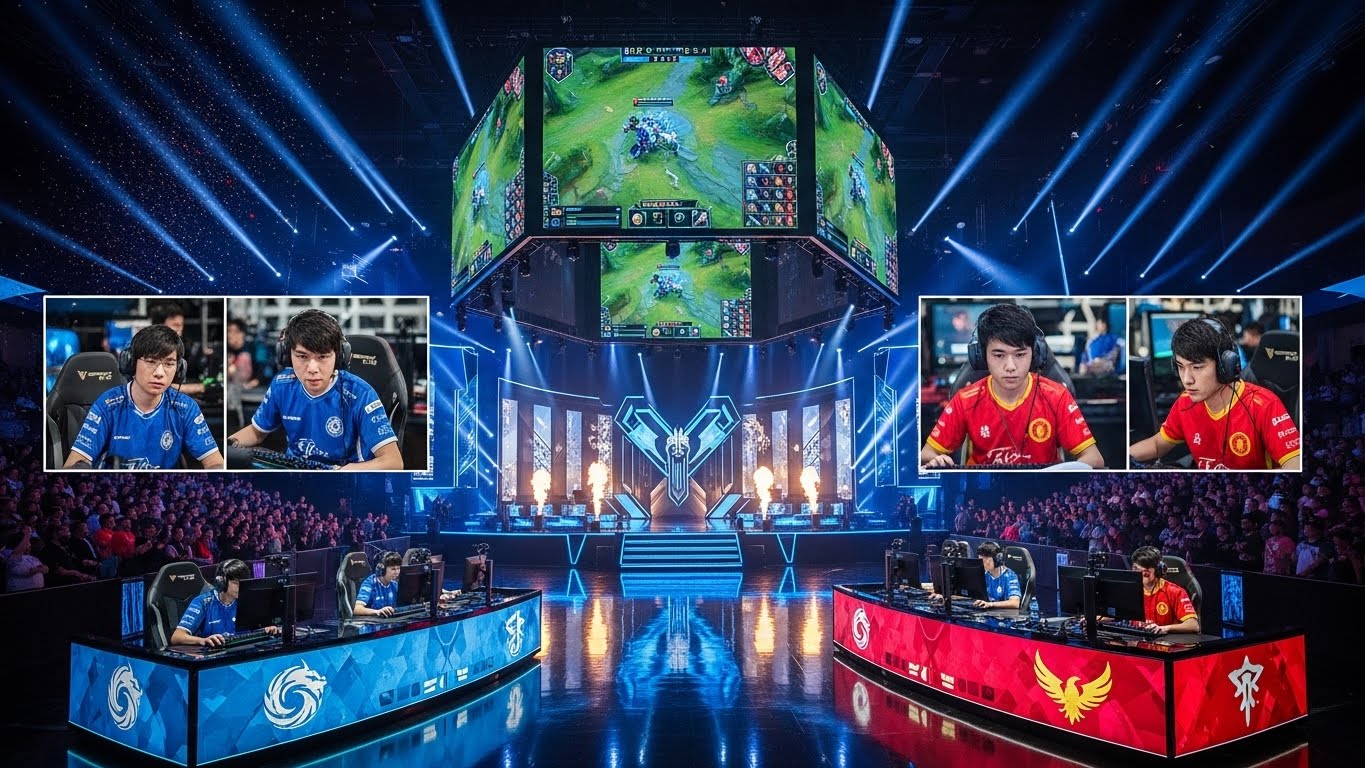
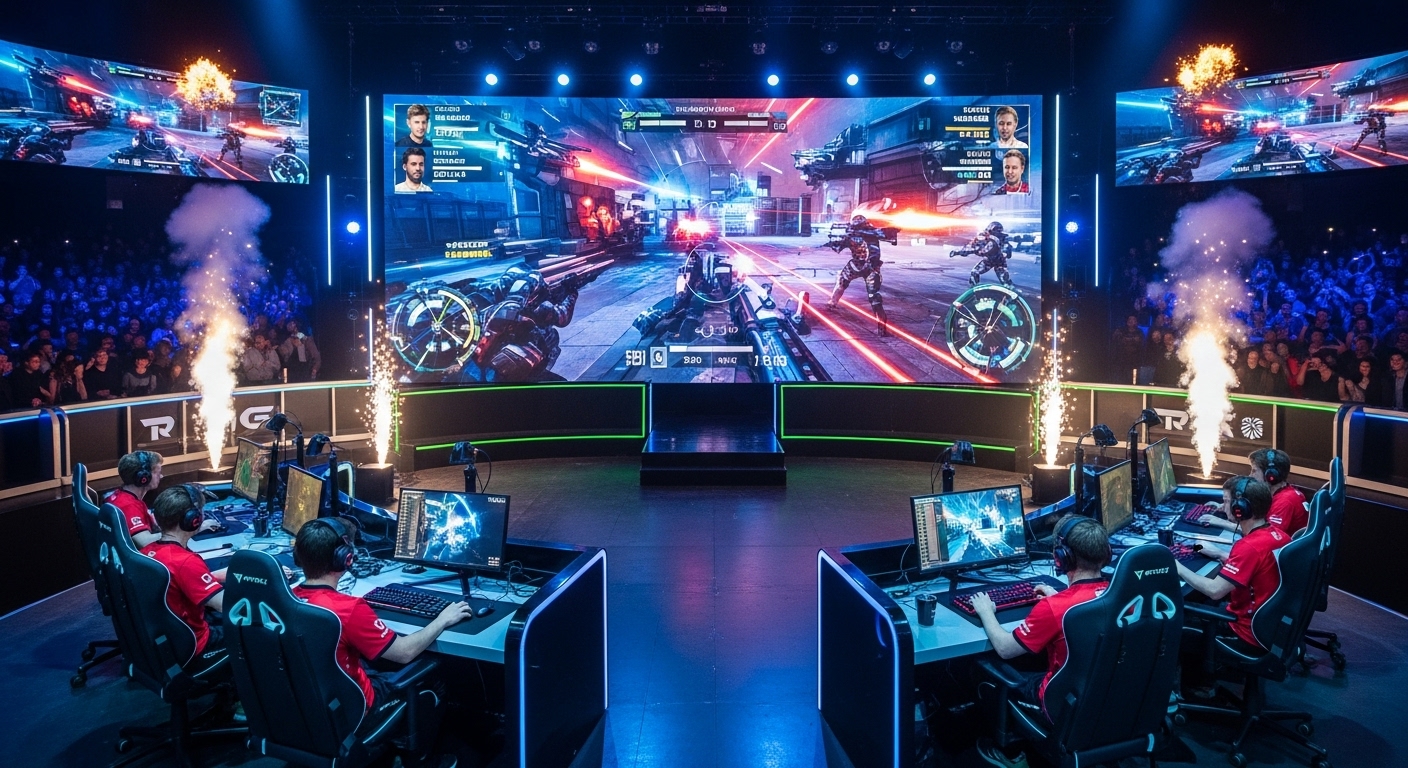
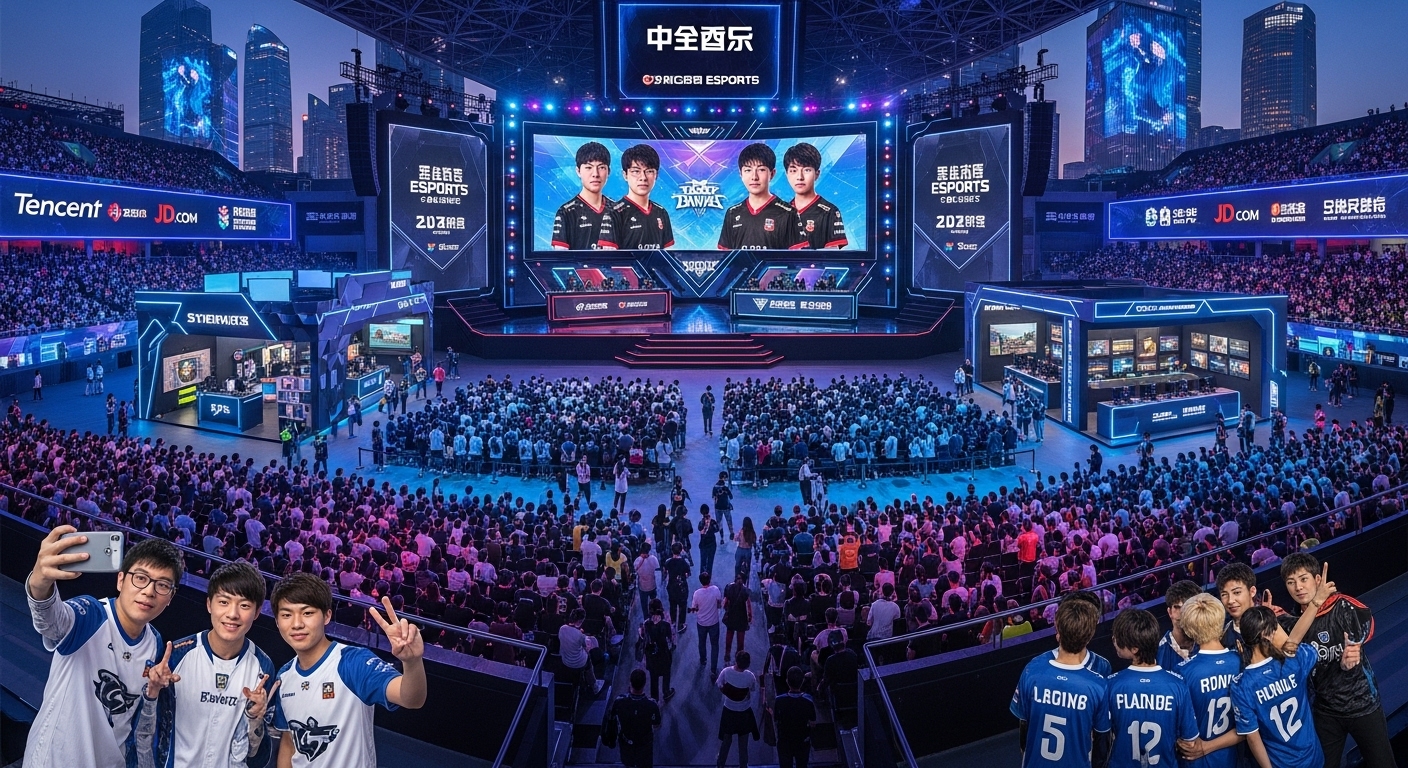
Modern esports tournaments are highly professional events. Stadiums host thousands of live fans, with elaborate stages, advanced lighting, and live commentary. These tournaments rival traditional sports events in scale, production, and engagement. Corporate sponsorships, media coverage, and global fan participation have solidified esports as a central part of contemporary entertainment.
Popular Esports Games and Genres
Esports encompasses a wide variety of games, each with its own competitive style and audience. Multiplayer Online Battle Arena games, or MOBAs, like League of Legends and Dota 2, require strategy, coordination, and precise execution. First-person shooters such as Counter-Strike: Global Offensive, Valorant, and Call of Duty emphasize accuracy, reflexes, and tactical decision-making.
Battle royale games like Fortnite and PUBG combine survival mechanics, strategy, and fast-paced action, appealing to younger audiences. Sports simulation titles such as FIFA and NBA 2K replicate traditional sports digitally, allowing fans to compete in familiar environments. Fighting games, rhythm games, and racing simulations further diversify the esports landscape, catering to players with different skill sets and preferences.
The wide range of games ensures that esports appeals to a broad audience, encouraging cross-community engagement and creating a rich ecosystem where fans can follow multiple competitive titles.
Professionalization of Esports
Esports has become increasingly professionalized. Players maintain strict training schedules that often resemble those of traditional athletes. Professional esports athletes practice gameplay mechanics, strategize with their teams, analyze opponents, and work on physical and mental conditioning. Mental health support has become a crucial aspect of professional training, helping players cope with the pressures of high-level competition.
Teams operate similarly to traditional sports franchises, employing coaches, analysts, nutritionists, and managers. Sponsorships, media deals, and merchandise revenue allow organizations to invest in player development and infrastructure. This professional approach has legitimized esports as a career, attracting talent worldwide and encouraging younger players to pursue competitive gaming seriously.
The Role of Streaming Platforms
Streaming platforms have been pivotal in the growth of esports. Services like Twitch, YouTube Gaming, and Facebook Gaming allow audiences to watch live tournaments, player streams, and behind-the-scenes content. These platforms enable fans to interact with players, participate in discussions, and develop a sense of community around their favorite games.
Streaming has democratized esports participation. Amateur players can gain visibility, build a following, and potentially transition into professional careers. Streamers generate content, attract sponsorships, and create communities that contribute to the overall esports ecosystem. The interactive nature of streaming allows viewers to influence the experience, making esports a unique blend of competition and entertainment.
Cultural Impact of Esports
Esports has had a significant cultural impact, challenging traditional perceptions of sports and entertainment. Competitive gaming requires discipline, skill, and strategic thinking, demonstrating that esports is more than a recreational activity. Gaming culture, terminology, and trends have permeated mainstream media, influencing music, fashion, and social behavior.
Esports fosters international communities where players and fans connect across cultural and geographic boundaries. Online forums, social media groups, and fan events create collaborative spaces for discussion, strategy, and shared experiences. Esports has become a cultural movement that emphasizes teamwork, creativity, and inclusivity.
Education has also embraced esports. Universities and colleges now offer esports programs, scholarships, and research opportunities, recognizing competitive gaming as a legitimate skill set. These programs teach leadership, strategy, teamwork, and technical skills applicable both within and beyond esports.
Economic Significance of Esports
The esports industry generates billions in revenue annually through sponsorships, advertising, merchandise, ticket sales, streaming subscriptions, and media rights. High-profile tournaments attract global brands, contributing to financial growth and industry sustainability.
Esports drives technological innovation. Professional competitions require high-performance hardware, peripherals, and broadcasting equipment, benefiting multiple sectors beyond gaming. The industry also creates employment opportunities for players, coaches, analysts, content creators, event organizers, and marketing professionals, contributing to economic growth and providing career pathways in digital entertainment.
Challenges Facing Esports
Despite its growth, esports faces several challenges. Player burnout is a major concern due to long hours of practice, high-pressure competition, and public scrutiny. Organizations increasingly prioritize mental health and wellness programs to address these issues.
Regulatory and ethical challenges also exist. Ensuring fair play, standardizing rules across regions, and preventing cheating are ongoing concerns. Technological disparities can create unequal access to competitive opportunities, and societal perceptions of gaming as a career vary globally.
Sustainability is a critical challenge. The industry must balance commercial growth with player welfare, competitive integrity, and audience engagement. Addressing these challenges is essential to maintain the long-term health of esports.
The Future of Esports
The future of esports is promising and innovative. Emerging technologies such as virtual reality, augmented reality, and artificial intelligence will transform gameplay, training, and viewing experiences. Virtual reality may create fully immersive competitions, while AI analytics can optimize strategies and enhance player performance.
Esports will increasingly intersect with mainstream entertainment, including collaborations with traditional sports, film, and music industries. International tournaments, professional leagues, and global sponsorships will further legitimize esports and attract broader audiences.
Accessibility and inclusivity will continue to shape the industry. Efforts to promote gender equality, cultural diversity, and opportunities for underrepresented communities will expand participation and enrich esports culture. Esports will continue to be a platform for creativity, skill, and global collaboration.
Conclusion
Esports has grown from a casual hobby into a global cultural, social, and economic phenomenon. It combines skill, strategy, teamwork, and entertainment, attracting millions of players and fans worldwide. Professionalization, streaming platforms, and technological innovation have elevated esports to a level comparable with traditional sports.
The industry has challenged traditional perceptions of competition, created career opportunities, and fostered international communities. As technology advances and audiences expand, esports will remain a dynamic, influential, and inspiring force in global entertainment.
Esports is more than gaming—it is a cultural revolution, a professional arena, and a testament to human creativity, skill, and connection in the digital age. The rise of competitive gaming demonstrates the potential of interactive entertainment to shape culture, inspire talent, and create shared global experiences.