Introduction: The Digital Age of Competitive Gaming
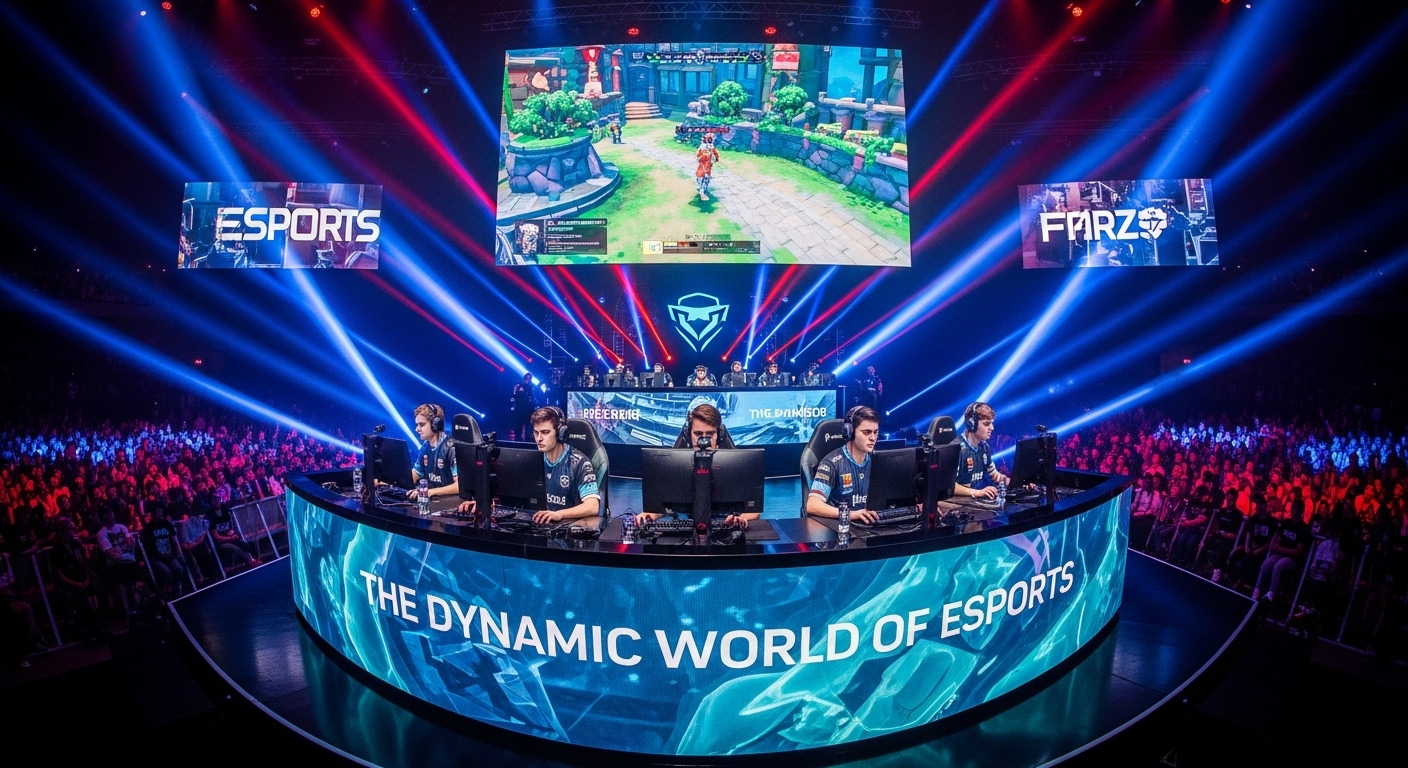
Esports, or electronic sports, have evolved from a niche activity into a global phenomenon, captivating millions of fans around the world. What once began as informal gaming sessions has now transformed into an industry worth billions of dollars, with professional teams, massive tournaments, and ever-growing audiences. Today, esports is not just about playing video games; it’s a multi-faceted entertainment empire that includes professional players, content creators, sponsors, and millions of fans across the globe. In many ways, esports has redefined how we view competition, entertainment, and sports themselves, attracting attention from traditional sports organizations, advertisers, and even educational institutions. In this blog post, we’ll explore how esports has become a global force, what its future holds, and how it’s impacting the gaming and sports industries.
The Birth and Evolution of Esports
Esports as a formalized concept can be traced back to the early 1990s when competitive video gaming began to gain traction in arcades and LAN (Local Area Network) parties. Games like Street Fighter, Doom, and Quake allowed players to compete head-to-head, and events started to emerge. The 1997 Red Annihilation tournament, held for Quake, is often cited as one of the first significant esports tournaments, with the winner receiving a Ferrari as a prize. The 2000s saw the rise of games like Warcraft III and StarCraft, which played a pivotal role in shaping the competitive gaming landscape, particularly in Asia, where esports became a cultural phenomenon. South Korea, for example, became a hotspot for esports with StarCraft tournaments, and this laid the foundation for global esports growth.
As the internet expanded and broadband became more accessible, online gaming surged in popularity. Titles like Counter-Strike, League of Legends, and Dota 2 ushered in the next wave of esports, offering professional players an opportunity to compete for substantial prize money, sponsorships, and fame. The rise of platforms like Twitch and YouTube also made it easier for players and fans to engage with esports in real time, allowing streamers and content creators to build massive followings. Today, esports has fully entered the mainstream, with tournaments being broadcast on television networks, esports organizations signing multi-million-dollar sponsorships, and players earning salaries comparable to traditional athletes.
Esports: A Global Industry
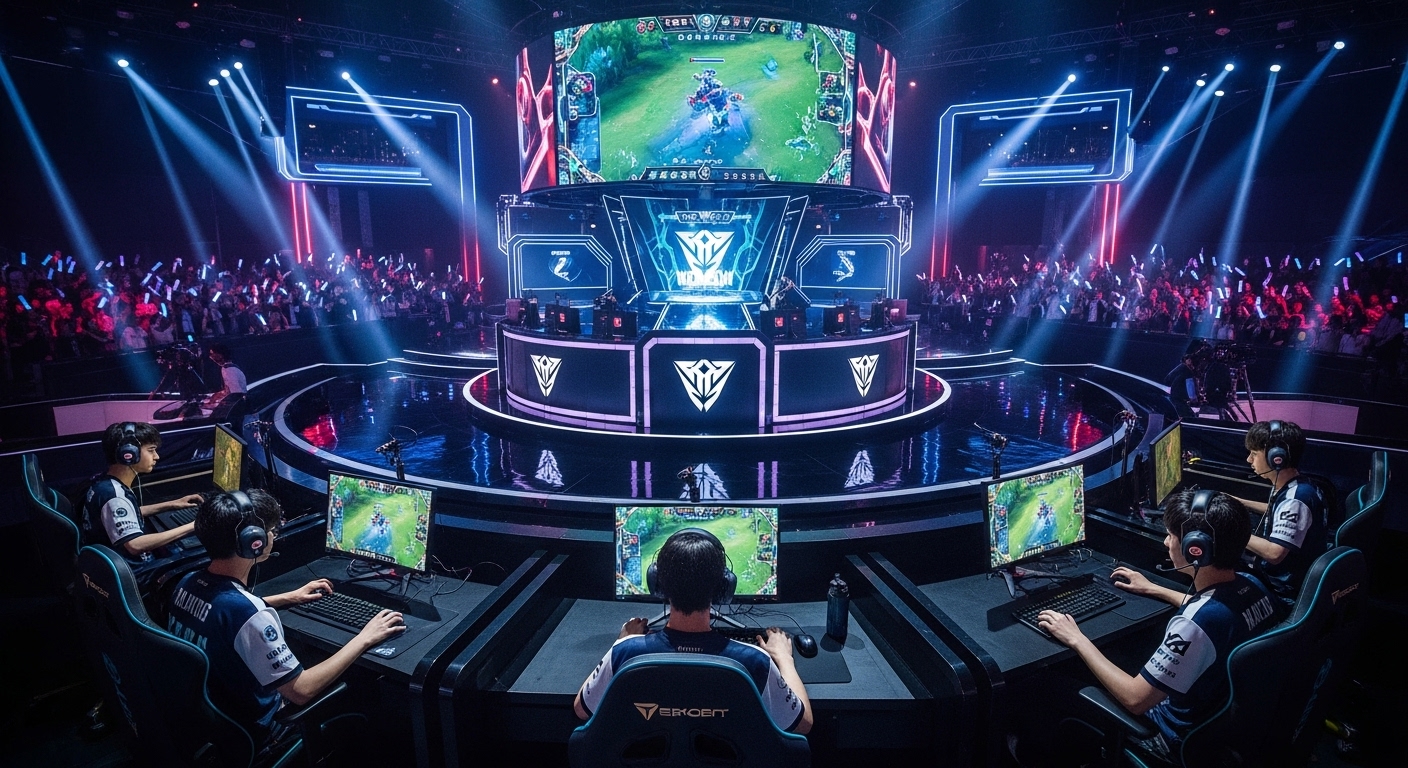
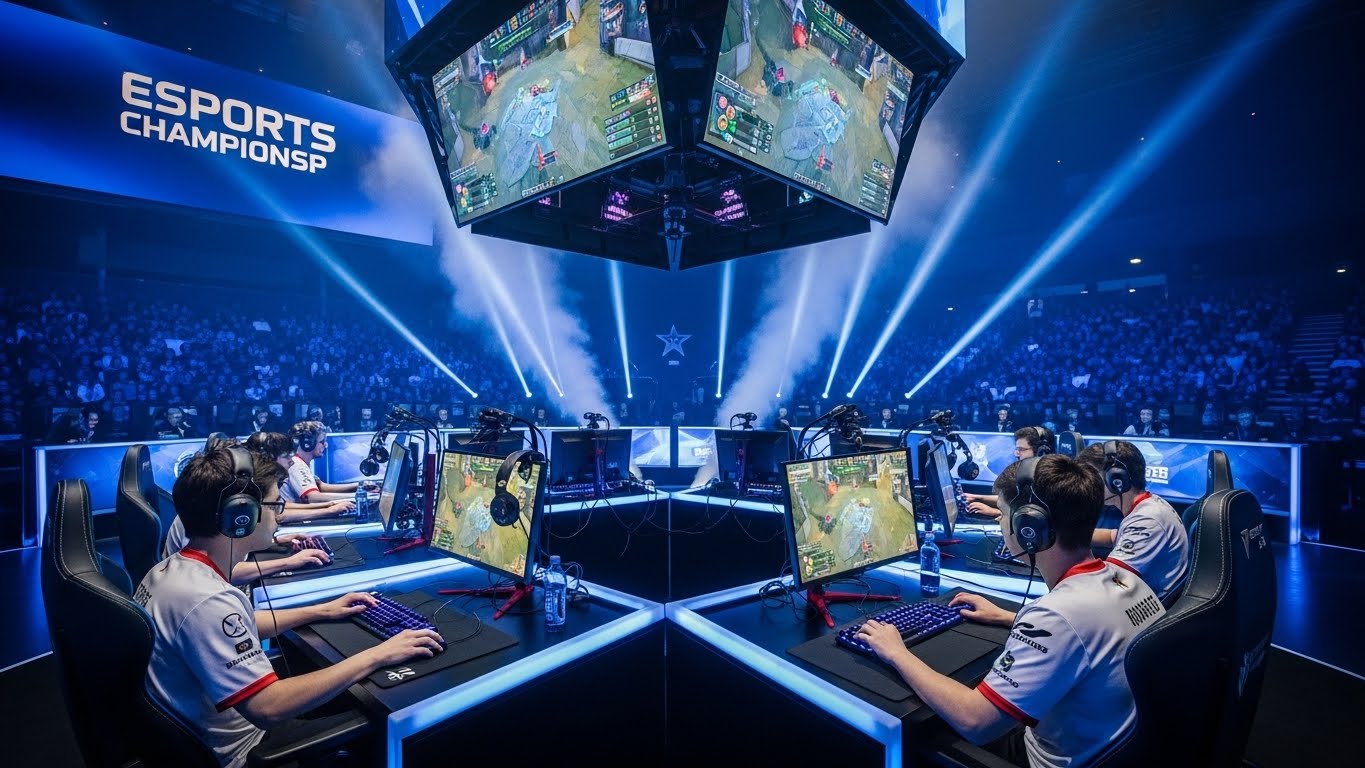
The global scale of esports is difficult to understate. According to industry reports, the global esports audience is expected to reach over 500 million by 2025, with significant viewership coming from Asia, North America, and Europe. Major esports tournaments can attract millions of viewers, both online and in-person. For instance, the League of Legends World Championship regularly pulls in over 100 million viewers, and the Dota 2 International tournament boasts some of the largest prize pools in all of esports, often exceeding $30 million. In addition, many top esports organizations have players from all over the world, representing teams that compete in global leagues and tournaments.
The esports industry generates substantial revenue through a mix of sponsorships, advertising, media rights, merchandising, and ticket sales. As the demand for esports grows, more brands are jumping on board, and mainstream companies such as Coca-Cola, Nike, and Intel are investing heavily in esports-related marketing and sponsorships. Esports teams and players also generate revenue through personal branding and streaming. Platforms like Twitch allow players to live-stream their gameplay to thousands, if not millions, of fans, and many top-tier players have found success by creating content and monetizing their fanbase.
The Professionalization of Esports
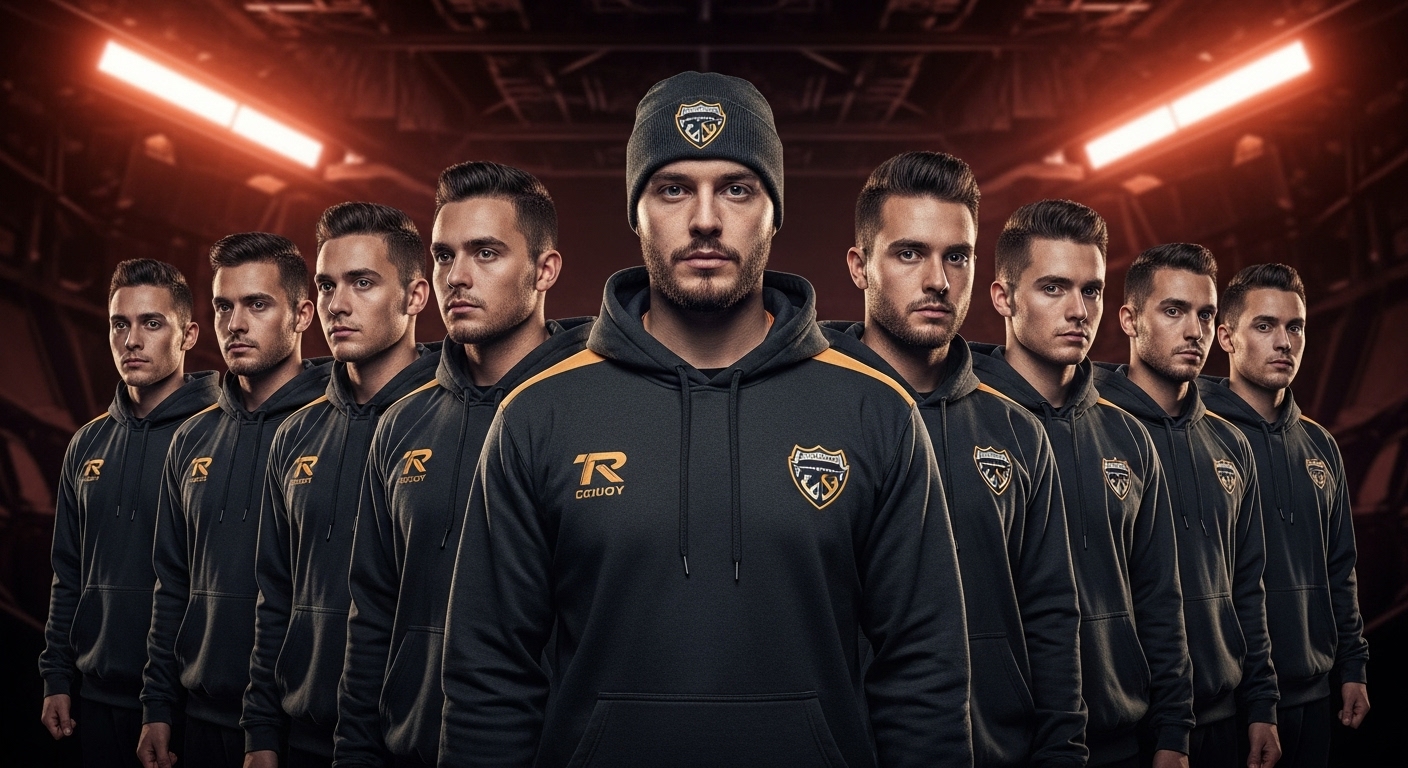
One of the most striking developments in the esports industry is its professionalization. Esports athletes today are treated with the same level of respect and dedication as traditional athletes. Major esports organizations, such as Team Liquid, Cloud9, and FaZe Clan, sign players to contracts that guarantee salaries, benefits, and travel arrangements for competing in tournaments. Players are often supported by coaching staff, analysts, and even mental health professionals to help them perform at their best. The demands on esports players are similar to those in traditional sports, as they are required to train for hours each day, develop strategies, and keep up with the rapidly evolving nature of the games they play.
Moreover, esports organizations operate much like traditional sports franchises, with a focus on team building, branding, and long-term success. Teams compete in regular seasons, with playoffs culminating in major championship events. For example, the League of Legends Championship Series (LCS) has become one of the premier leagues in esports, with franchise teams competing in a regular season format, similar to that of the NBA or NFL. These leagues have established a professional structure that has not only brought legitimacy to esports but also created a sustainable business model for players, teams, and organizations alike.
The Role of Streaming and Content Creation
Streaming has been one of the most transformative aspects of esports. The rise of Twitch in 2011 revolutionized the way people experience video games and esports. No longer limited to watching traditional sports on television, fans can now tune in to live-streamed esports events, interact with players, and even get an inside look at the practice sessions of their favorite teams. Esports has created a new form of entertainment that is interactive, engaging, and accessible to anyone with an internet connection.
Content creation has also become a significant part of the esports ecosystem. Many players and content creators are able to generate revenue not only through tournament winnings but also through sponsorships, ad revenue, and fan donations on streaming platforms. Content creators like Ninja, Shroud, and Pokimane have amassed millions of followers, building lucrative careers outside of professional competition. As the demand for esports-related content grows, players and influencers are finding new ways to engage with their audience, whether through gameplay videos, commentary, or vlogs.
Esports and the Rise of College Programs
As esports continues to grow, it has made its way into higher education. Colleges and universities across North America, Europe, and Asia are increasingly offering esports programs and scholarships. In the United States, some institutions have established esports teams with full scholarships for talented players, and esports is even being recognized as a varsity sport in certain colleges. This shift is helping to validate esports as a legitimate career path and giving young players an opportunity to further their education while pursuing their passion for gaming.
Esports is also becoming a field of study at academic institutions. Colleges are now offering degrees in areas like game design, esports management, and digital media, which prepare students for careers in the esports industry, whether they are aiming to become professional players, streamers, coaches, or behind-the-scenes staff. The integration of esports into the education system further solidifies its position as a major cultural and economic force.
The Future of Esports
The future of esports looks bright, with continued expansion expected in both viewership and participation. As more people across the world embrace gaming, esports will continue to be a major form of entertainment. Virtual reality (VR) and augmented reality (AR) could revolutionize the way we experience esports by providing more immersive environments for both players and spectators. Moreover, new games are constantly emerging, with titles like Valorant, Fortnite, and Apex Legends gaining huge popularity, adding new dimensions to the esports landscape.
One of the key factors that will drive esports’ growth in the coming years is its increasing integration with traditional sports. Many traditional sports organizations are now investing in esports, either through partnerships or by establishing their own teams. The National Basketball Association (NBA), for example, launched the NBA 2K League, and the European football giant, FC Barcelona, has invested in esports teams and tournaments. This blending of traditional sports with esports is helping to legitimize competitive gaming and attract a broader audience.
Additionally, esports will continue to benefit from advancements in technology, which will improve everything from gameplay quality to fan engagement. As the industry matures, it’s likely that esports will gain even more visibility, with major broadcasters and streaming platforms securing exclusive broadcasting rights for tournaments and events.
Conclusion
Esports is no longer just a hobby or a niche subculture; it has become a global industry that combines entertainment, sports, and technology. With millions of fans, professional players, and massive prize pools, esports is reshaping how we think about competition and gaming. The growth of esports has given rise to new career opportunities, educational pathways, and business models that were unimaginable just a few decades ago. As technology continues to evolve and more people around the world embrace gaming, esports will remain a key player in the global entertainment industry, providing new opportunities for players, fans, and creators alike. Whether you’re a casual viewer or an aspiring professional, the world of esports is an exciting and dynamic place to be.